
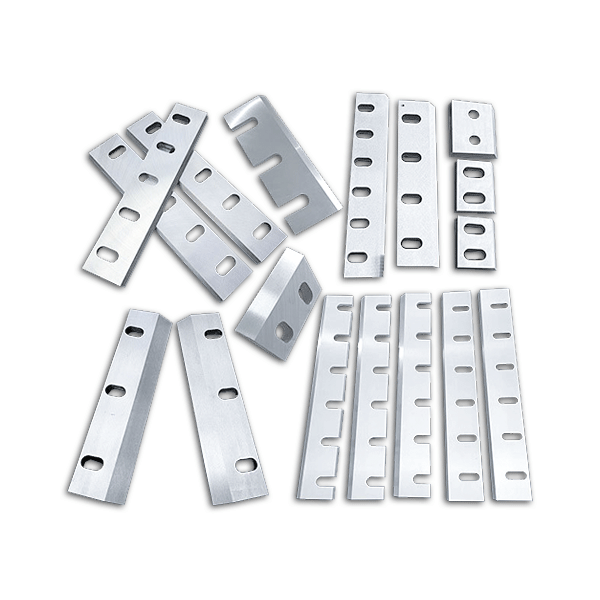
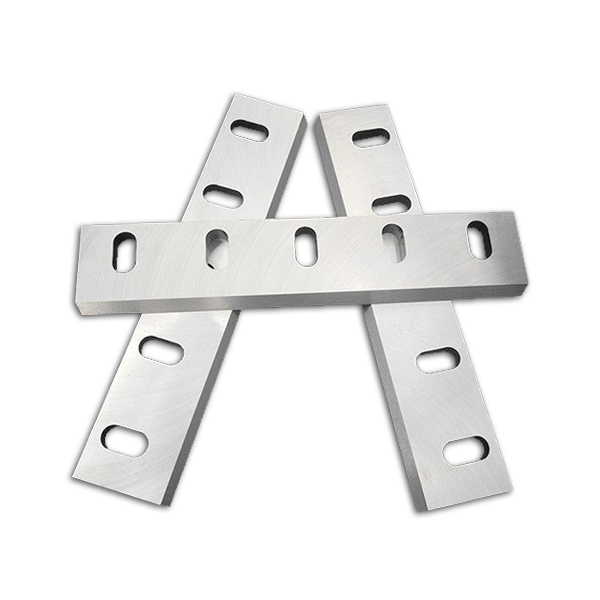
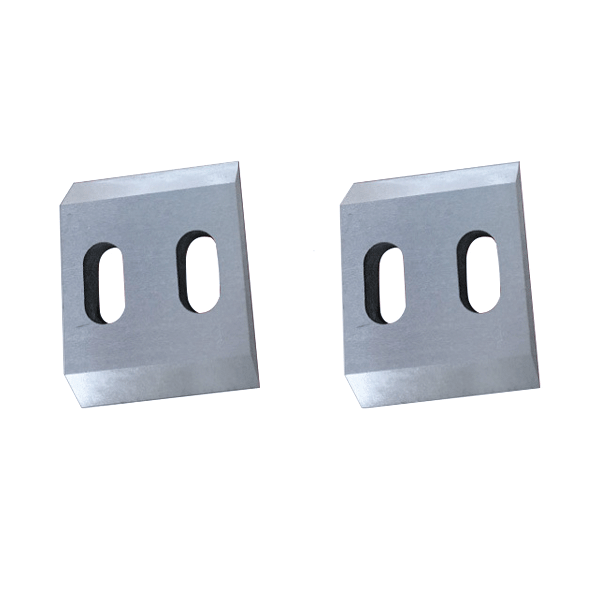
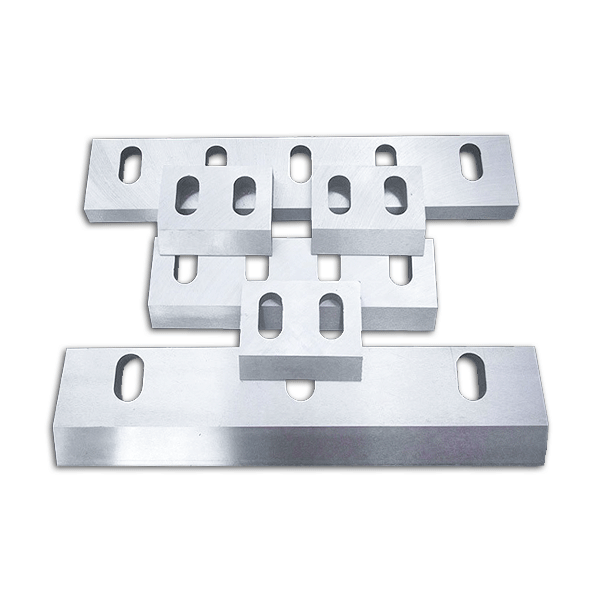
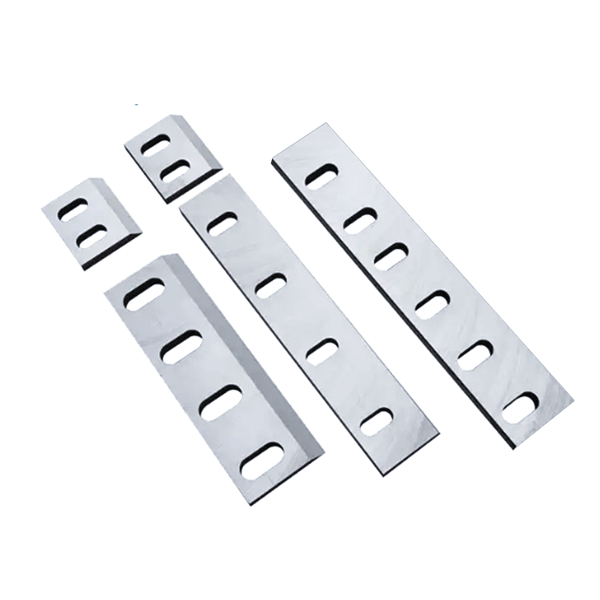
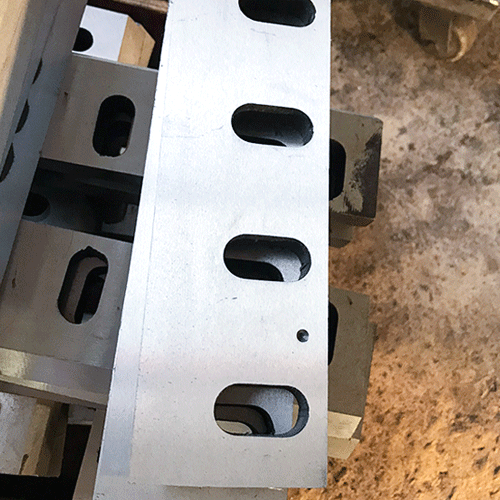
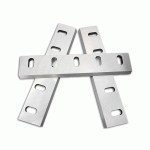
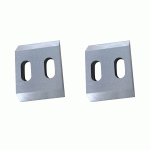
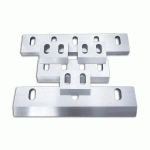
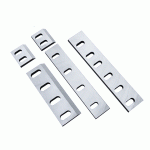
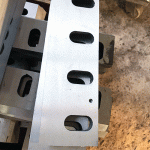
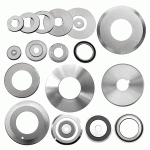
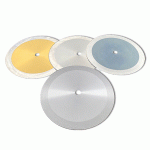
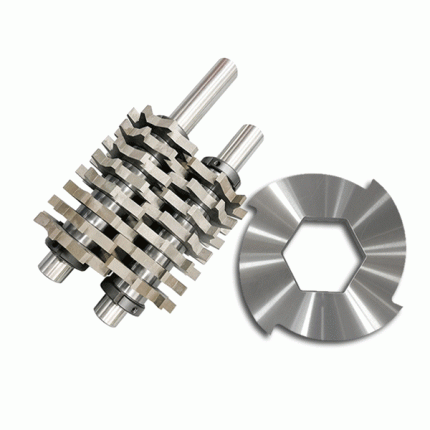
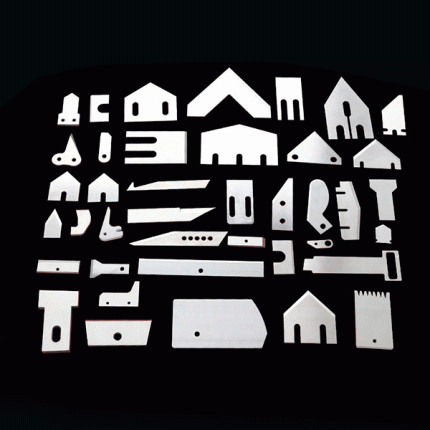
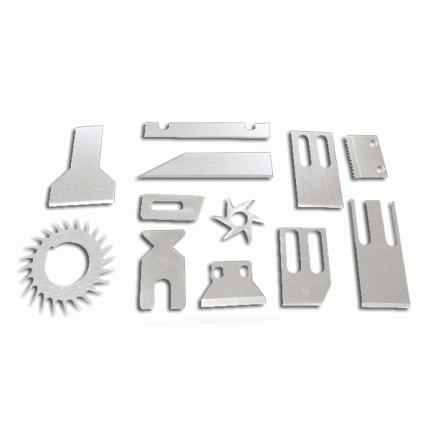
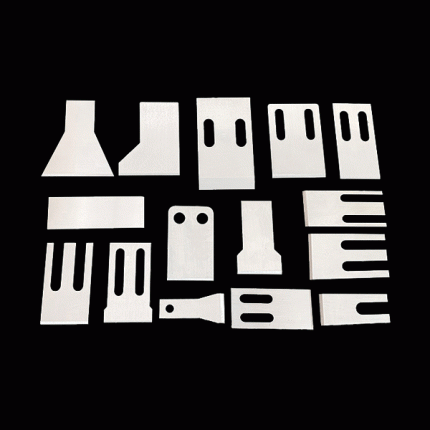
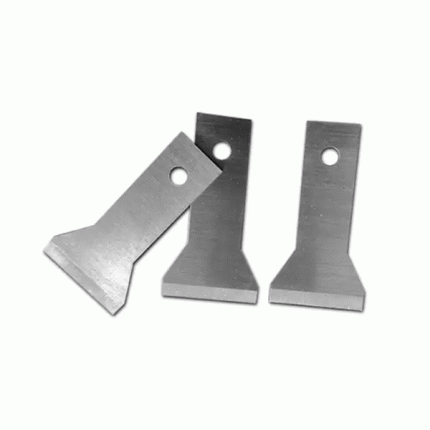
Plastic Crusher Blades / Plastic Shredders Cutter Blades / Plastic Granulator Knife


Products :The cutter blades of the crusher are made of high-quality steel and have excellent sharpness. Like other cutter blades, they require smaller geometric tolerance to ensure good assembly quality with the machine; a good heat treatment process is necessary to achieve the appropriate hardness and smaller internal stress of the blades. The selection of chemical composition of the blade material is suitable for different user needs and different objects to be crushed.The blade edges are sharp and have high strength, and they are not prone to breakage.
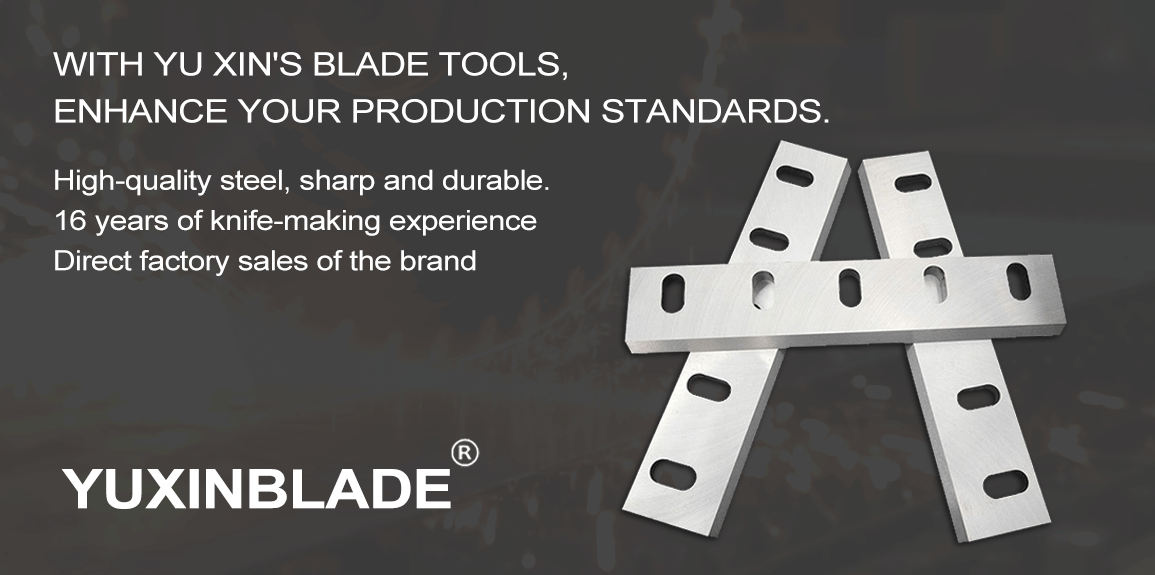
Product Name: Plastic Crusher Blades / Plastic Shredders Cutter Blades / Plastic Granulator Knife
Material: HSS, 9CRSI, SKD, SKH,T10, 65Mn,6CRW2SI, CR12MOV, LD, H13, W18CR4V and so on.
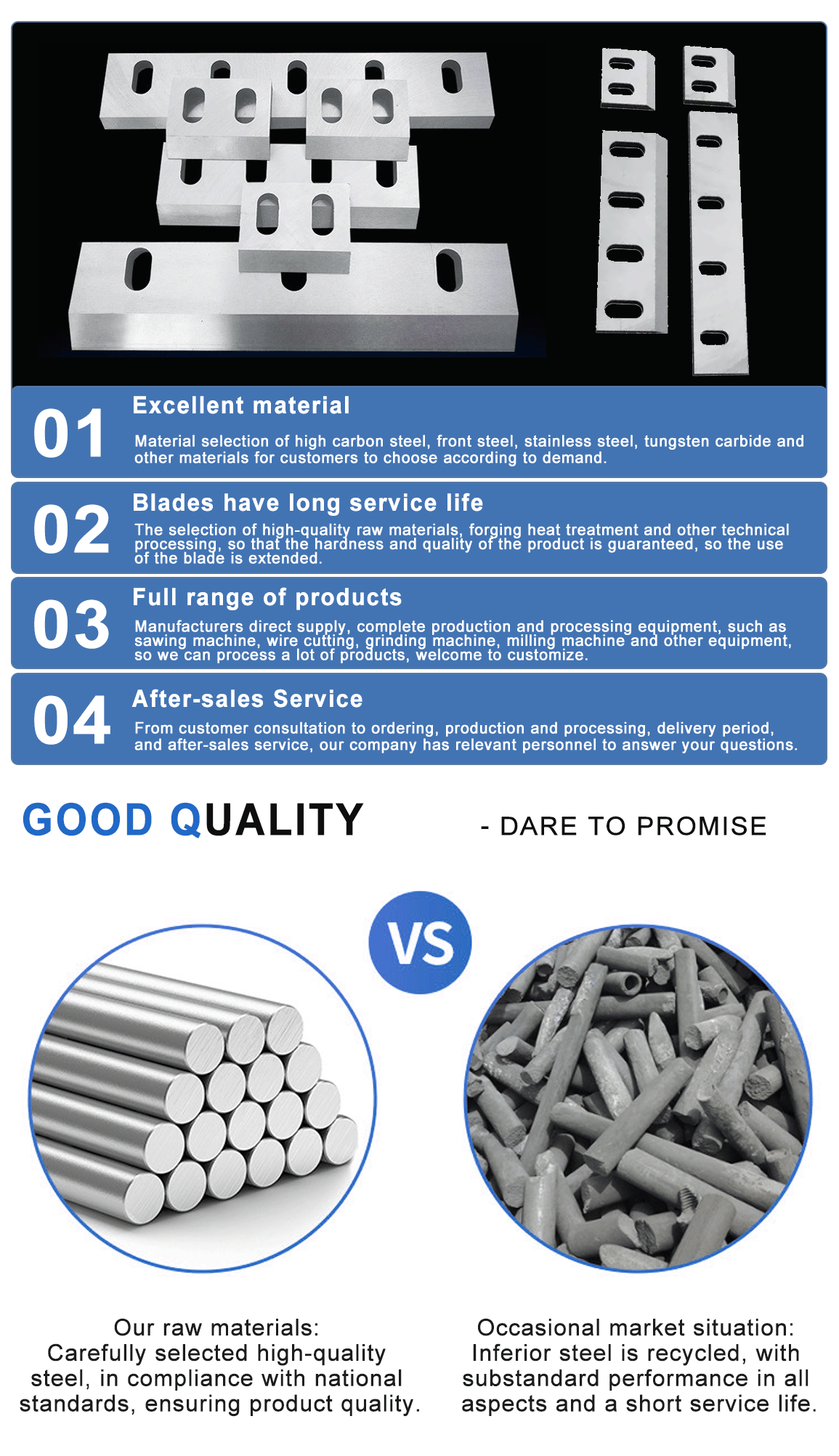
Size: The length x width x thickness neecs to be customized; Choose the number of holes such as double hole, triple hole, or quadruple hole.
Type: High-temperature quenching makes the cutting edge sharp
Features:
- Precision blade design: Soft plastic (such as PVC, EVA), blade angle 45° -65°, enhances cutting efficiency; Hard plastic (such as ABS, PC), blade angle 55° – 65°, prevents blade chipping and extends service life.
- Extremely high hardness and wear resistance, heat-treated hardness, hardness of alloy insert cutters is even higher; the wear resistance of the surface coating has been enhanced by three times, reducing plastic adhesion.
- Impact resistance and high-temperature resistance: The base material contains alloy elements such as chromium, tungsten, and vanadium. It can withstand temperatures up to 800℃ and is suitable for high-speed operation.
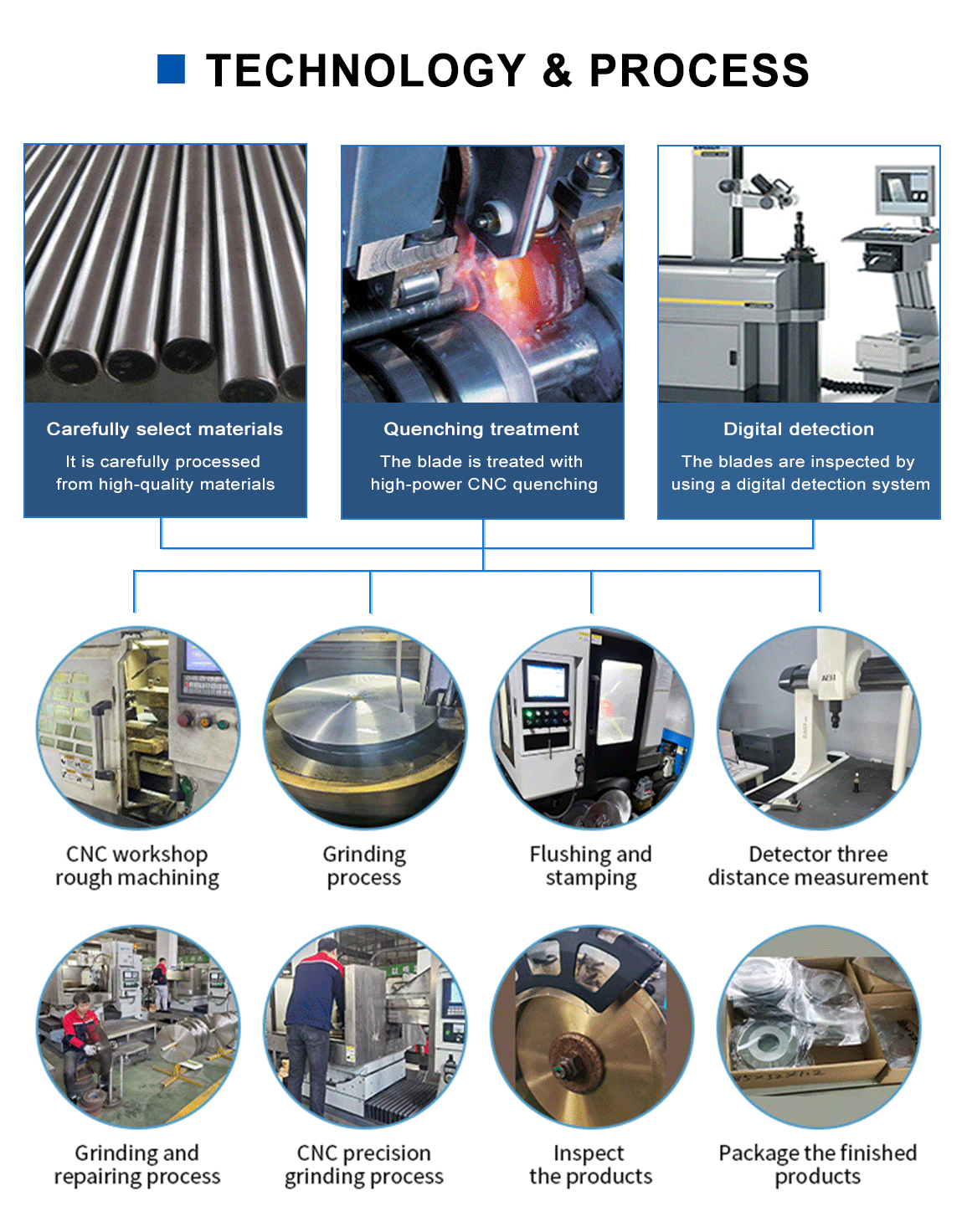
Application Scenario: It is mainly used for crushing in industries such as plastic and rubber, largescale plastic crushing, plastic granulation, and general plastic recycling. It is suitable for crushing various ABS, PE, PP sheets, PVC particles, glass fiber plastics, rubber, tires, packaging materials, pipes, and other plastic materials for recycling.
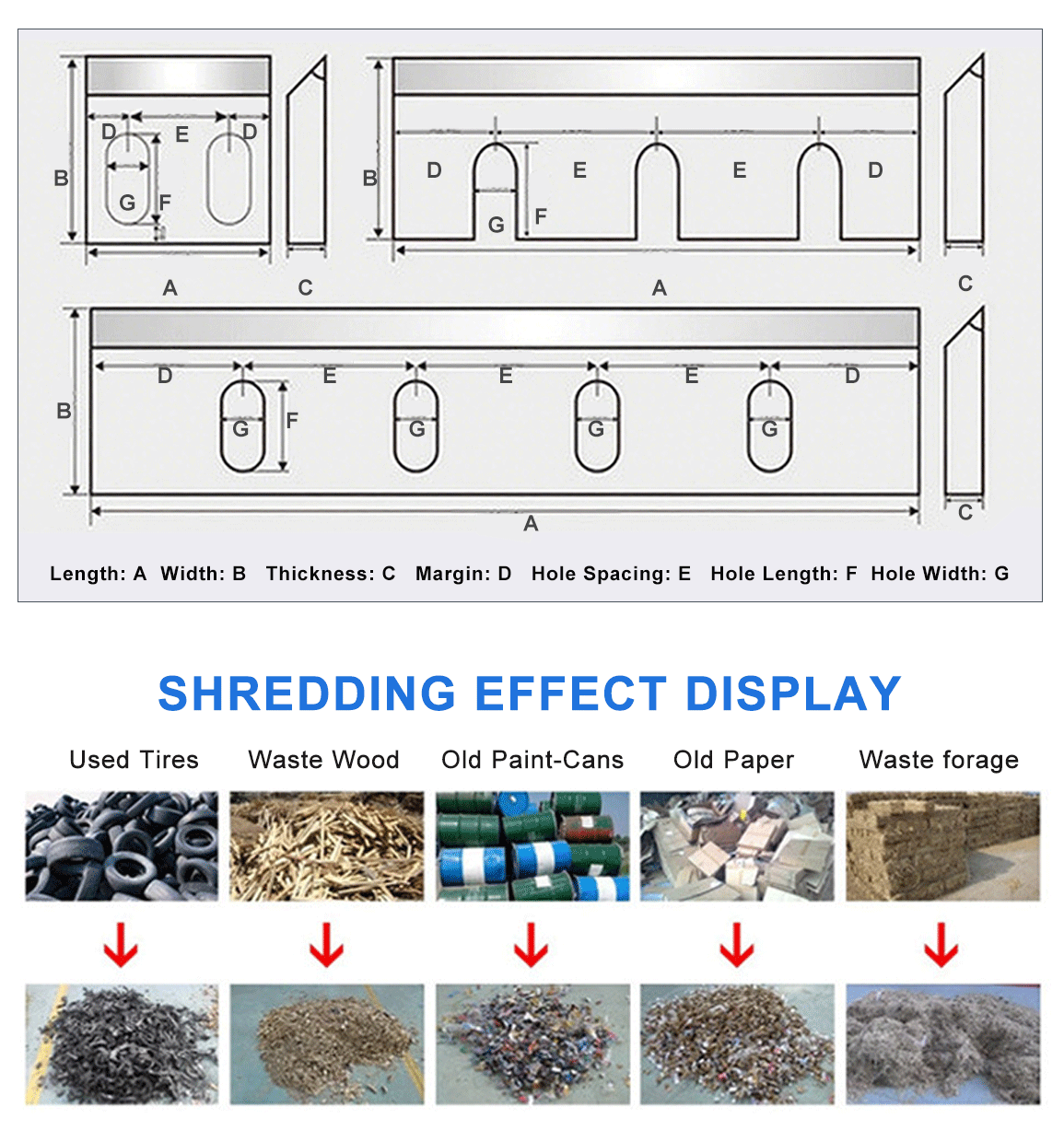
To quickly compare the primary materials we offer, here is a summary table:
| Material Type | Typical Hardness (HRC) | Key Advantages | Limitations | Ideal For |
| High-Speed Steel (HSS) | 60-68 | Excellent toughness, good wear resistance, cost-effective. | Lower wear resistance than carbide, requires more maintenance. | General-purpose metalworking, woodworking, plastic cutting. |
| Tool Steel (e.g., SAE1095) | 58-62 (Hardened) | High strength, excellent wear resistance, good sharpness. | Less resistant to high temperatures than HSS or Carbide. | Springs, hand tools, scrapers, industrial cutters. |
| Carbide / Tungsten Carbide | 60-65 (Blades) | Exceptional hardness & wear resistance, high heat resistance. | Brittle, higher cost, complex manufacturing. | Hard materials, abrasive non-ferrous metals, high-volume production. |
| Stainless Steel | Varies (e.g., 420, 440) | Excellent corrosion resistance, durable, hygienic. | Generally not as hard as tool steels or HSS. | Food processing, medical instruments, wet environments. |
| Ceramic | N/A (Extremely Hard) | Superior edge retention, corrosion resistance, hygienic, lightweight. | Fragile, limited cutting capacity, higher cost. | Precision cutting in specific industries (e.g., textiles, packaging). |
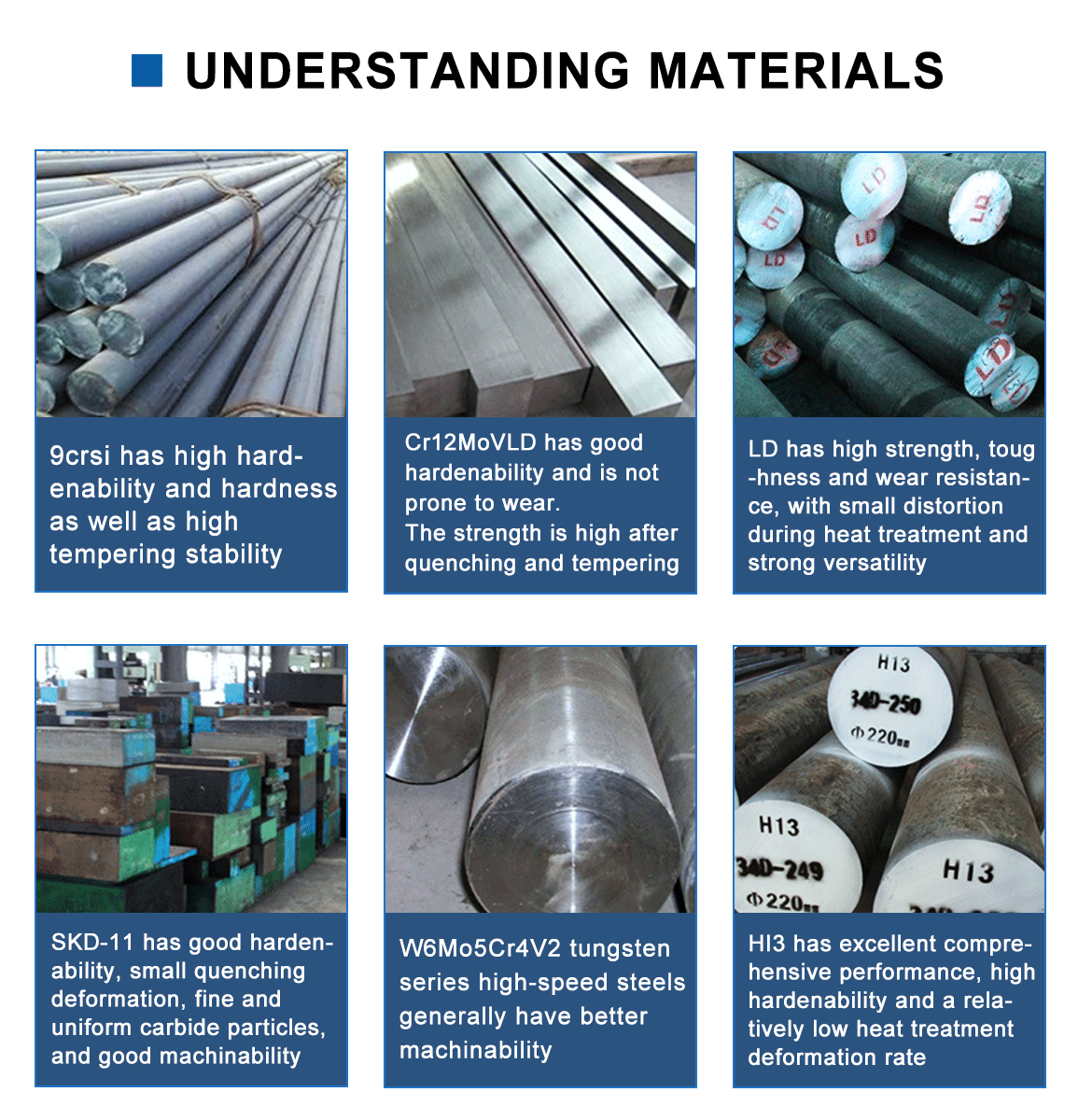
We Are Here to Help: Choosing the right material is complex. As a factory, we have the expertise to guide you. We offer custom blade solutions and can advise on the optimal material, heat treatment, and geometry for your specific application.
Contact us today for a personalized recommendation and quote. Let our manufacturing expertise solve your cutting challenges.
Reviews
There are no reviews yet.