
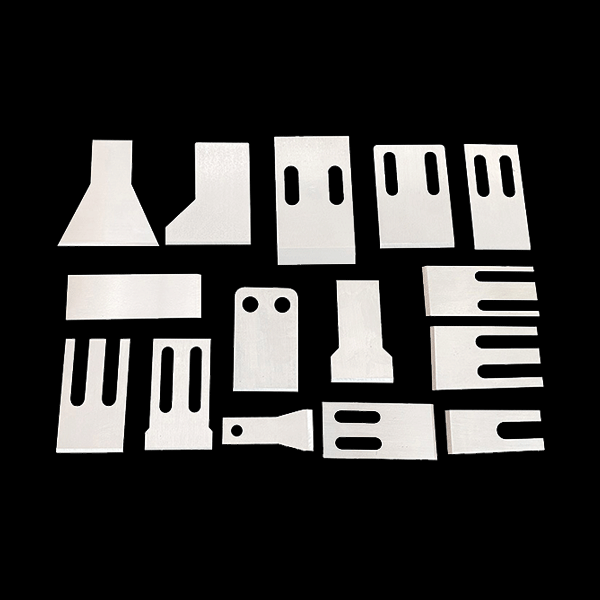
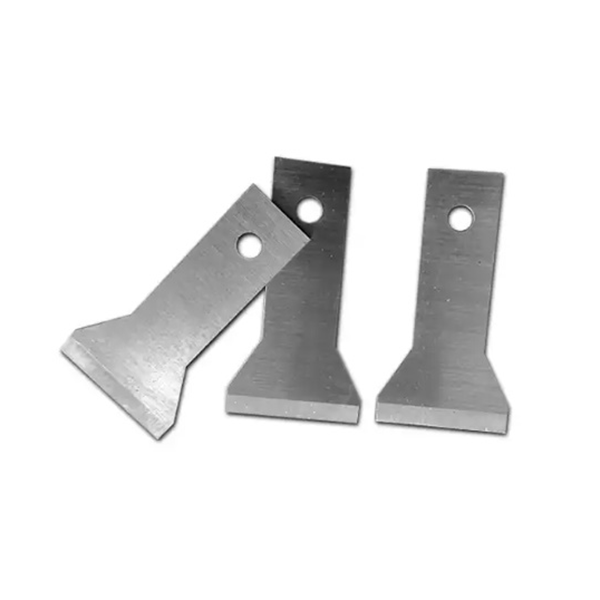
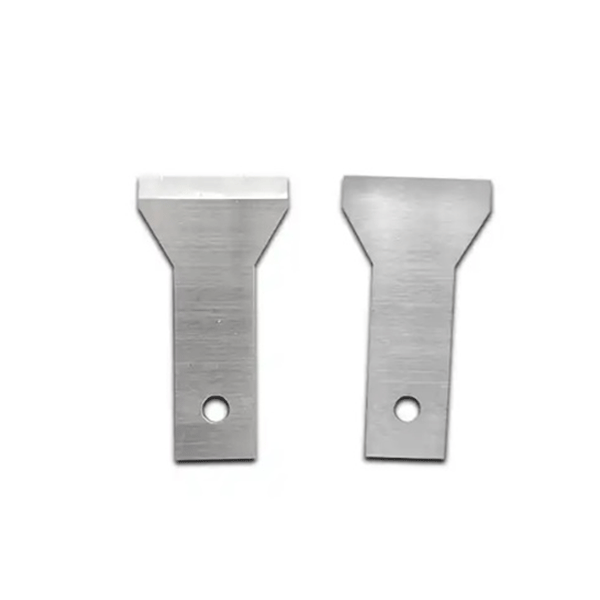
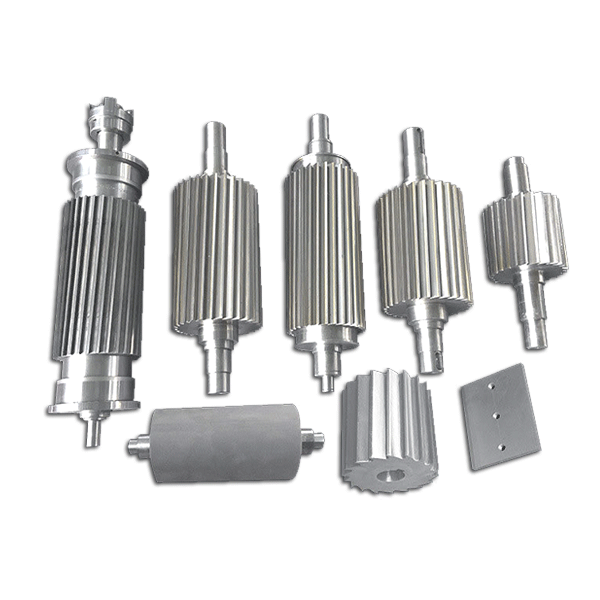
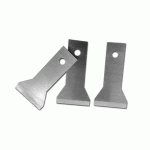
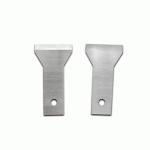
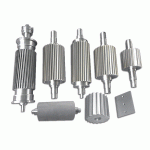
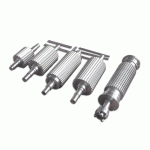
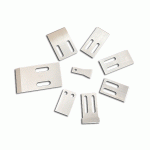
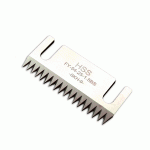
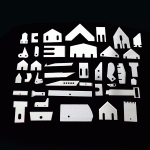
Serrated Underwater Granulator Blade Toothed Cutting Rotor Knife for Pelletizer Plastic


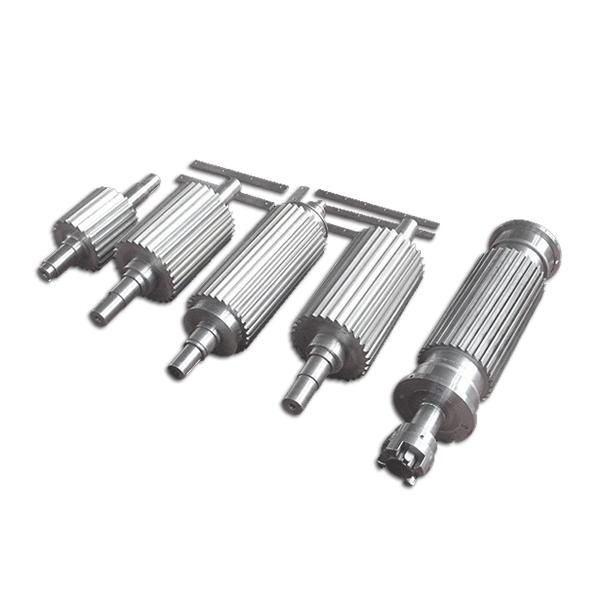
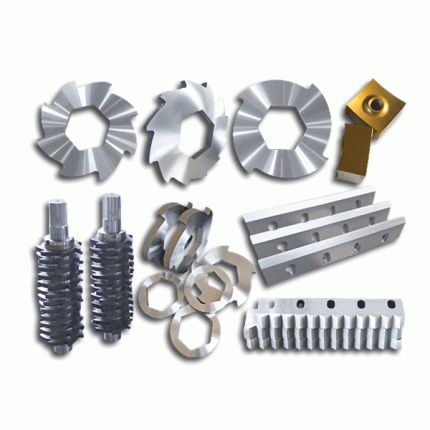
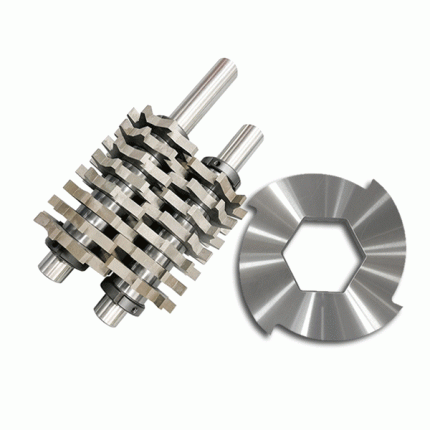
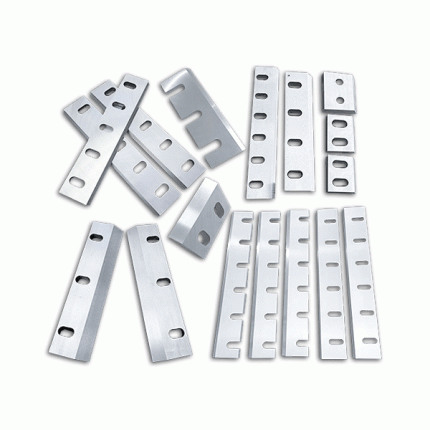
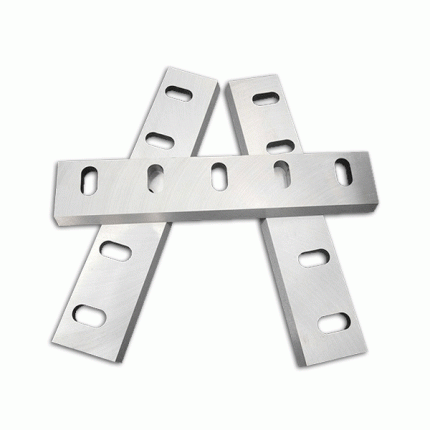
Products :Serrated Underwater Granulator Blade (also known as the moving blades or the rolling cutting blades) are the key components on a plastic pelletizer used to cut extruded plastic strips into regular pellets. They are usually used in conjunction with fixed blades and complete the pelletization process through the high-speed rotational shearing action. Depending on the different pelletizing processes, they can be mainly divided into two forms: underwater strip pulling cutting and dry cutting.
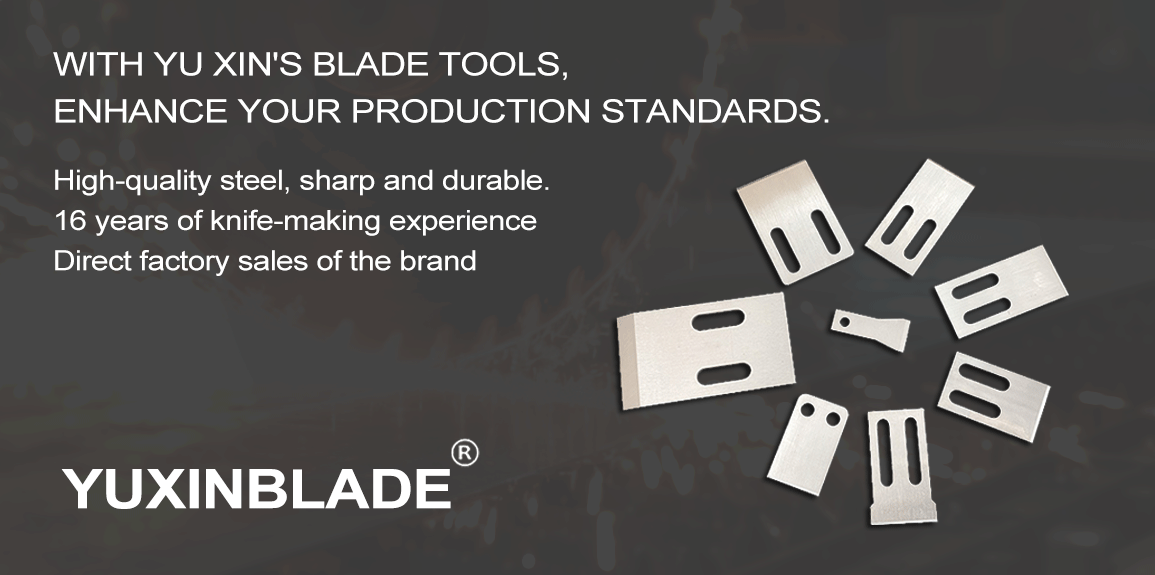
Product Name: Serrated Underwater Granulator Blade / Pelletizer Blade Toothed Cutting Knife
Material: High-speed steel (HSS), such as W6Mo5Cr4V2, etc. has a high hardness (HRC 63-66), strong impact resistance, easy to manufacture and sharpen, and is suitable for plastics with lower melting temperatures and lower viscosities, such as PE and PP.
Hard alloys are mainly of the tungsten-cobalt type (such as YG8 – YG20). They have extremely high hardness (HRA 89 – 93), excellent wear resistance, long service life, and are widely used in various engineering plastics, reinforced nylon, and other relatively hard or highly abrasive plastics.
Stellite alloy is applied to the tooth parts through methods such as welding. It has high hardness, good wear resistance and heat resistance, and allows for a wide range of tooth shapes to be machined. It is commonly used in underwater shearing (such as SL03, SL05 type cutting blades), and is used to process PET, PA, PBT, etc.
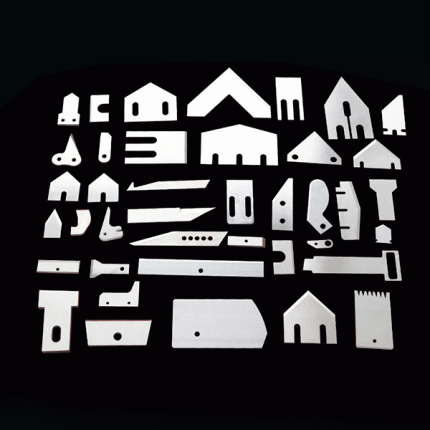
Ceramic materials such as alumina and silicon nitride ceramics. They have extremely high hardness (HRA 90-95), good chemical stability, high temperature resistance, but poor toughness and are prone to cracking.
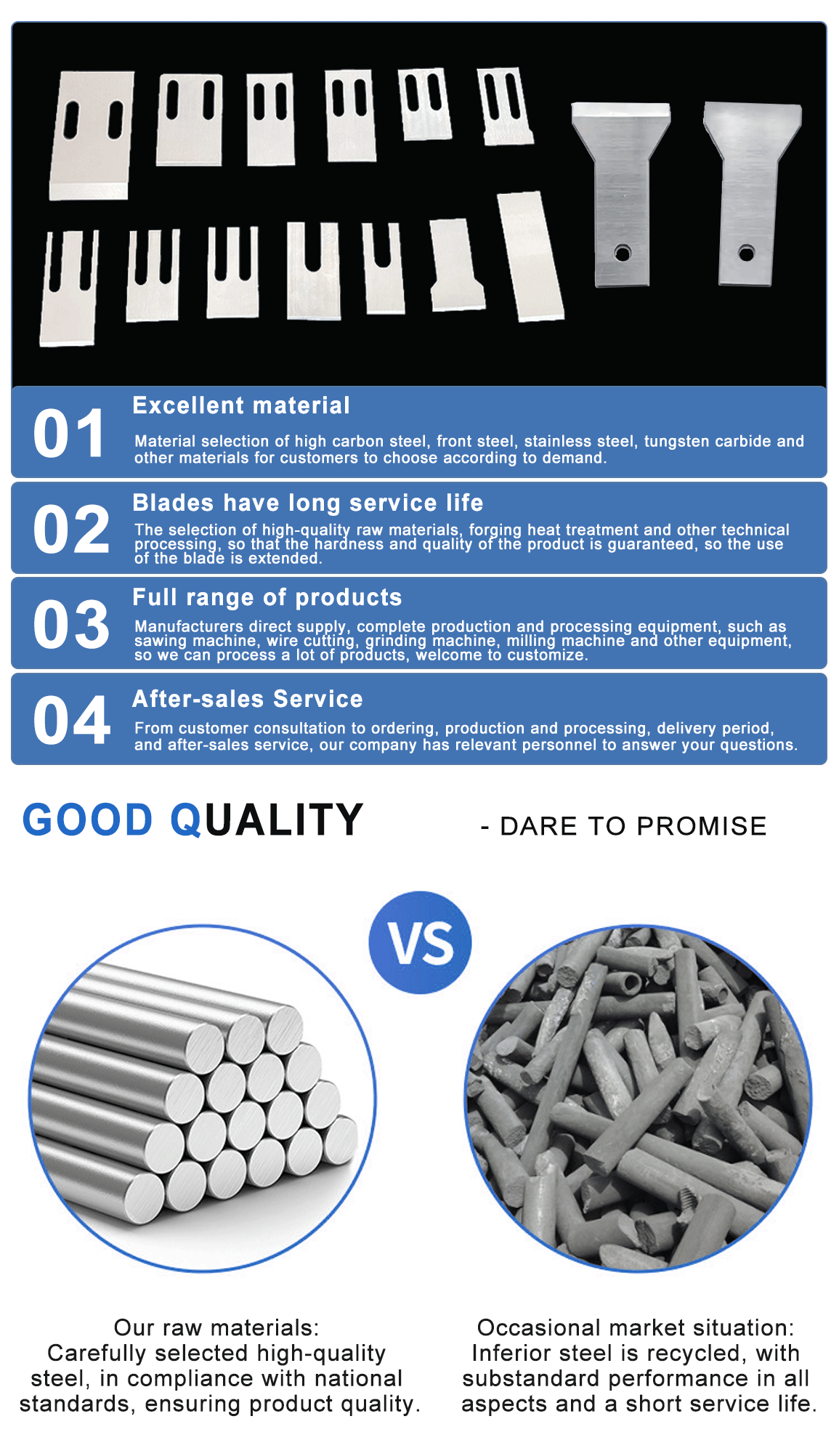
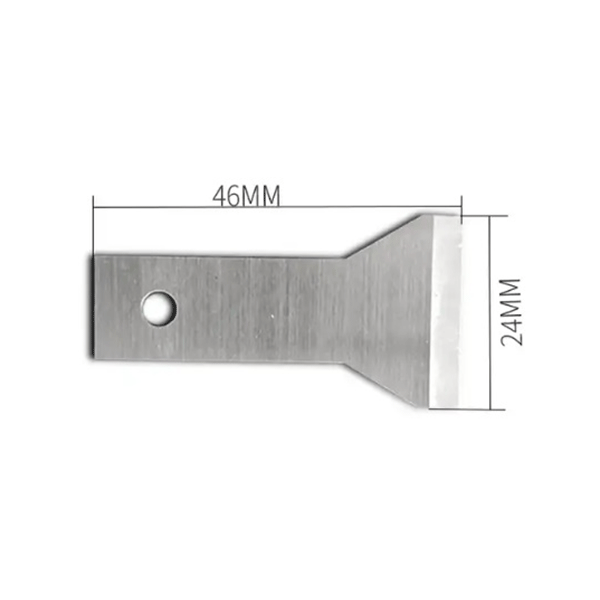
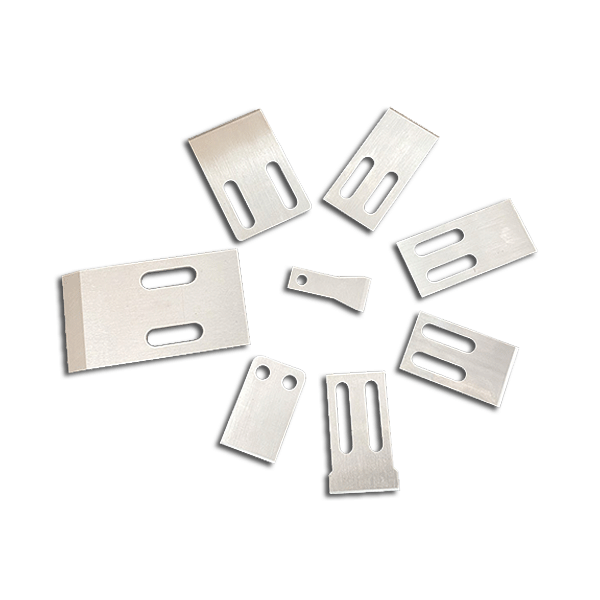
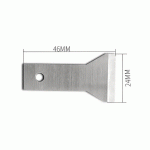
Size: The size of the teeth blades of the granulator is diverse to meet the requirements of different granulators and processing needs. The main size parameters include outer diameter, inner hole diameter, thickness, and number of teeth. You can send the parameters or drawings to us, and we will provide customized services.
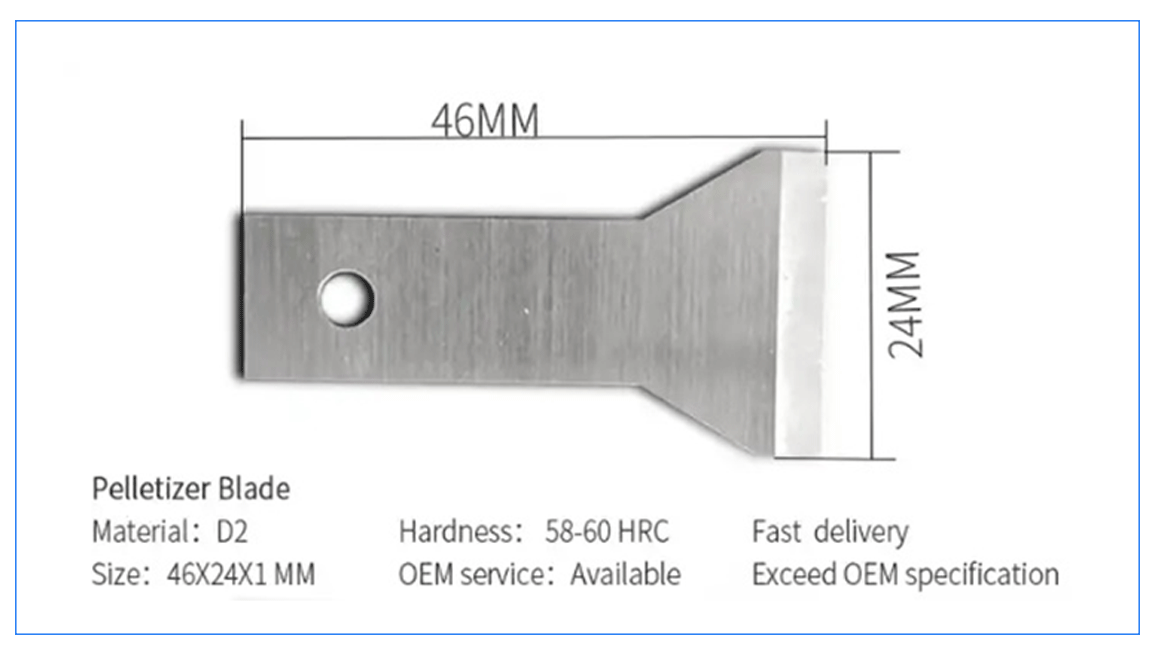
Process: High-temperature quenching makes the cutting edge sharp; Vacuum brazing, PVD coating, Laser micro-texturing
Features:
High-quality pelletizing machine cutter blades usually have the following characteristics:
- High hardness and wear resistance: The blade is made of high-quality alloy materials (such as hard alloy, high-speed steel), with high hardness after heat treatment. It has strong wear resistance and can effectively resist the wear caused by plastic melt, thereby extending the service life.
- Precise cutting capability: The blade design (such as tooth shape, rake angle, and clearance angle) and manufacturing accuracy are high, ensuring that the plastic particles produced by the cutting process are uniform in size, regular in shape, and have smooth edges, thereby reducing the generation of powder and burrs.
- Heat resistance and thermal stability: Can maintain stable performance in the high-temperature environment generated by continuous cutting, and is not prone to softening or deformation.
- Impact Resistance: The excellent toughness of this material enables it to withstand impurities that may be present in the materials or occasional impacts, thus preventing chipping or fracture.
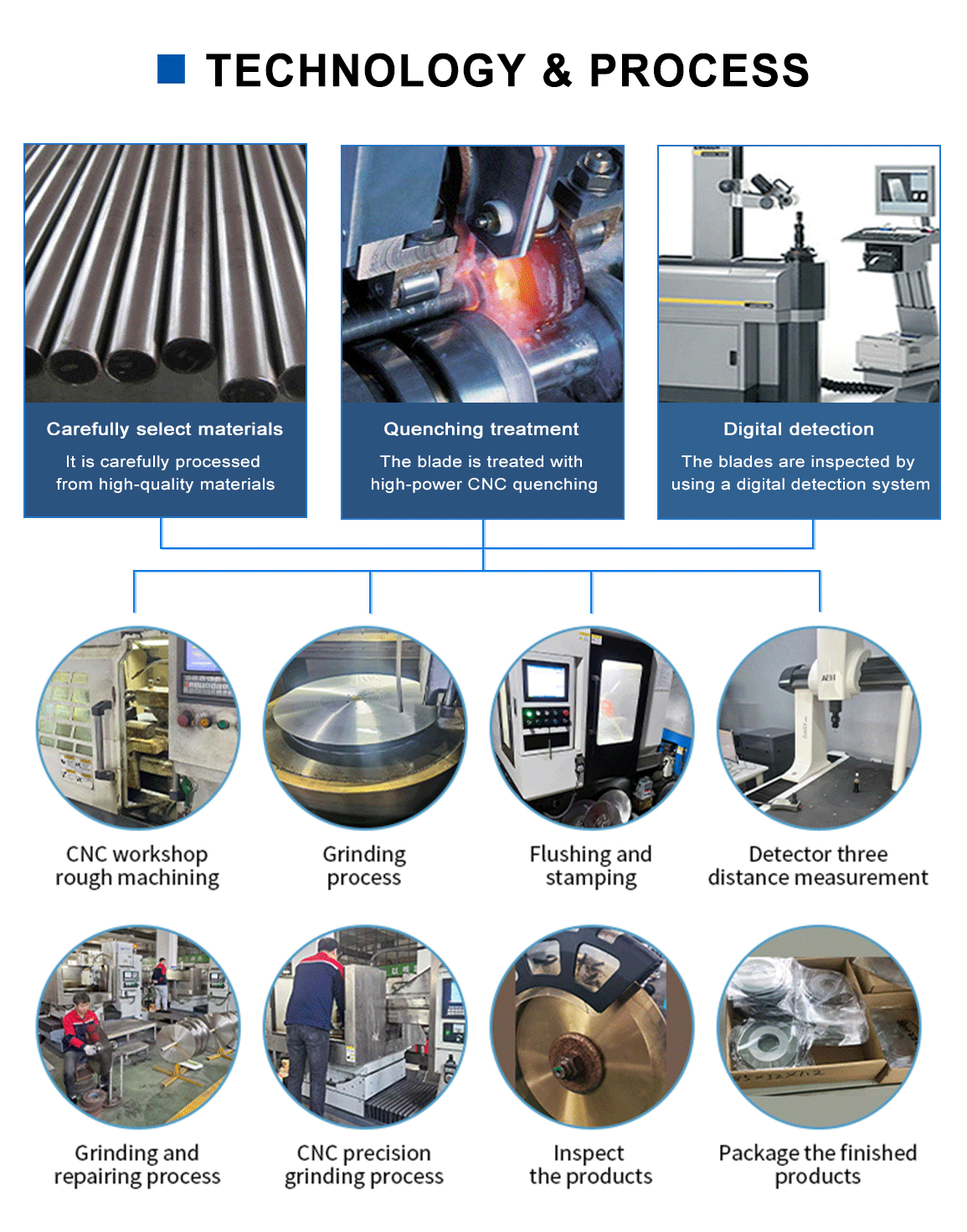
Application Scenario: The toothed blades of the granulator are widely used in the field of plastic granulation to process various plastic raw materials:
- General-purpose plastics: such as PE, PP, PS, ABS, etc.
- Engineering plastics and modified plastics: such as PC, PA, PBT, PET, etc., including plastics that have added reinforcing or filling materials like glass fibers, calcium carbonate, titanium dioxide, etc.
- Other special materials: such as elastomers (TPU), PVC, EVA hot melt adhesives, etc.
Introduction To Other Blade Types:
Underwater granulator cutter blade : The underwater pelletizing machine blade is the core cutting component of the plastic granulation equipment, specifically designed for cutting molten plastic strips in an underwater environment and processing them into uniform particles Its working process consists of three steps: 1. The plastic raw material is heated and melted by the screw extruder, forming a continuous strip through the template holes; 2. Underwater cutting to form particles; 3. Water cooling and shaping: The circulating water system removes heat to prevent particle adhesion.
Materials: High carbon steel, high-speed steel, tool steel, alloy steel, stainless steel, 65MN, 9CRS, CR12MOV, SKD-11, SKH-51, 3CR13, 9CR18, SUs440C, 420J2, W6MO5CR4V2, etc.
Application scope: Designed for use in underwater environments, it requires excellent corrosion resistance and extremely high wear resistance. Its service life is 3 to 5 times that of ordinary steel knives.
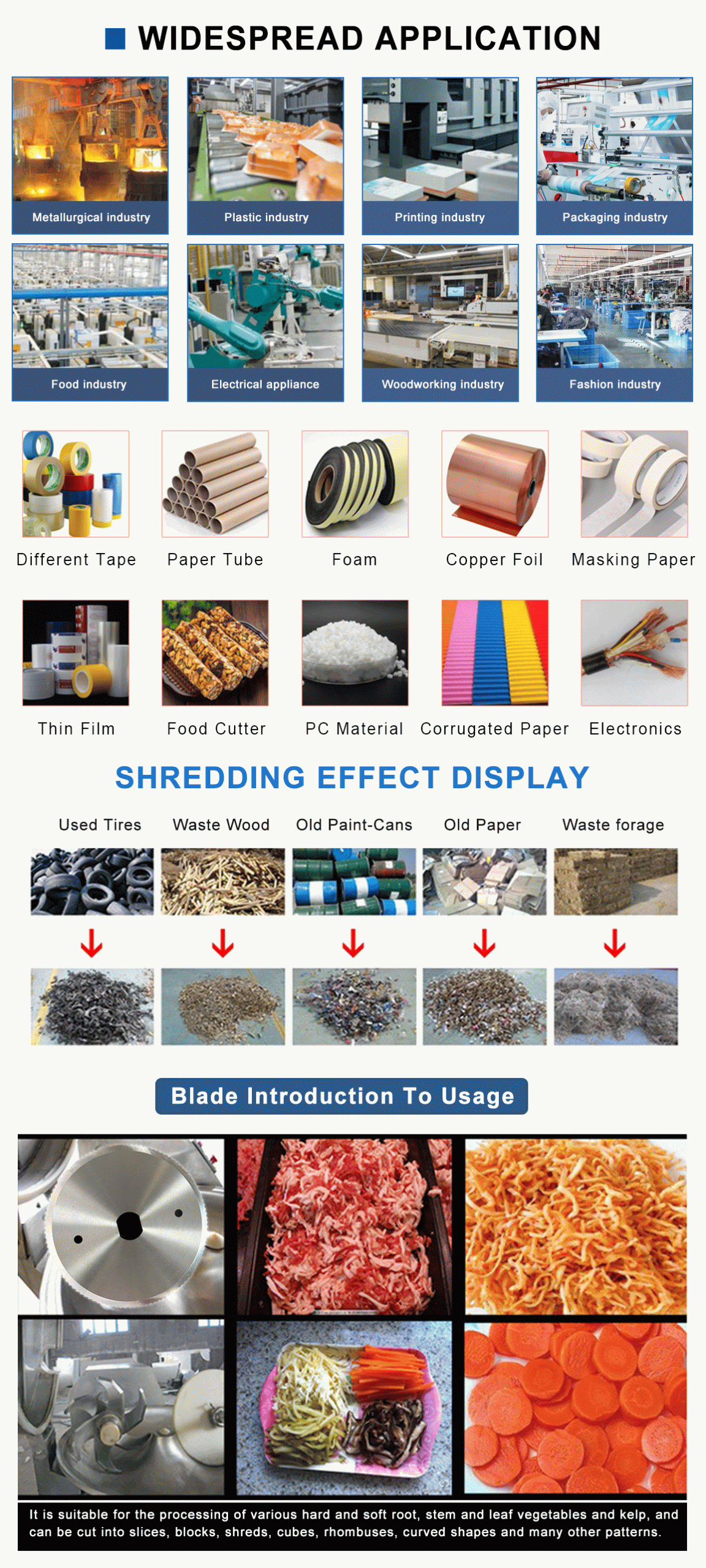
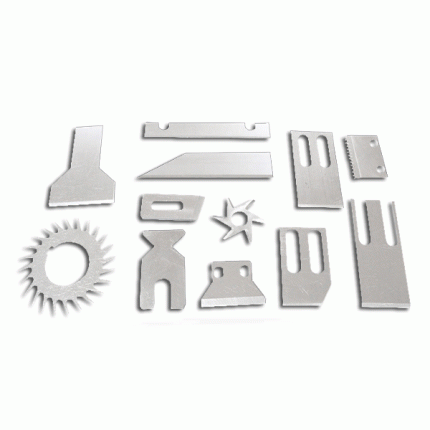
Application scope: Paper manufacturing, paper product prccessing, adhesive tape products, films, wires and cables, rubber, aluminum foil, non-manufacturing fabrics, composite packaging materials, chemical fibers, telecommunications and electrical appliances, cigarettes, leather, printing, food and clothing, etc.

Selection suggestions: • Select based on processing materials: For general-purpose plastics, cost considerations should be taken into account and high-speed steel can be chosen; for hard or highly abrasive materials such as engineering plastics and reinforced plastics, carbide or Samte alloy blades should be given priority; for special corrosive materials, ceramic blades can be considered.
- Confirm specifications and compatibility: Based on the specific model and design requirements of the granulator, determine the size of the blades (outer diameter, inner hole, thickness, etc.) and the type of fixed blades that match them.
- Reference tooth profile design: For plastics with different properties (such as elastomers, brittle materials, and ductile materials), selecting blades with optimized tooth profiles (such as eight-type, two-type, and ten-type blades) can help improve the cutting quality.
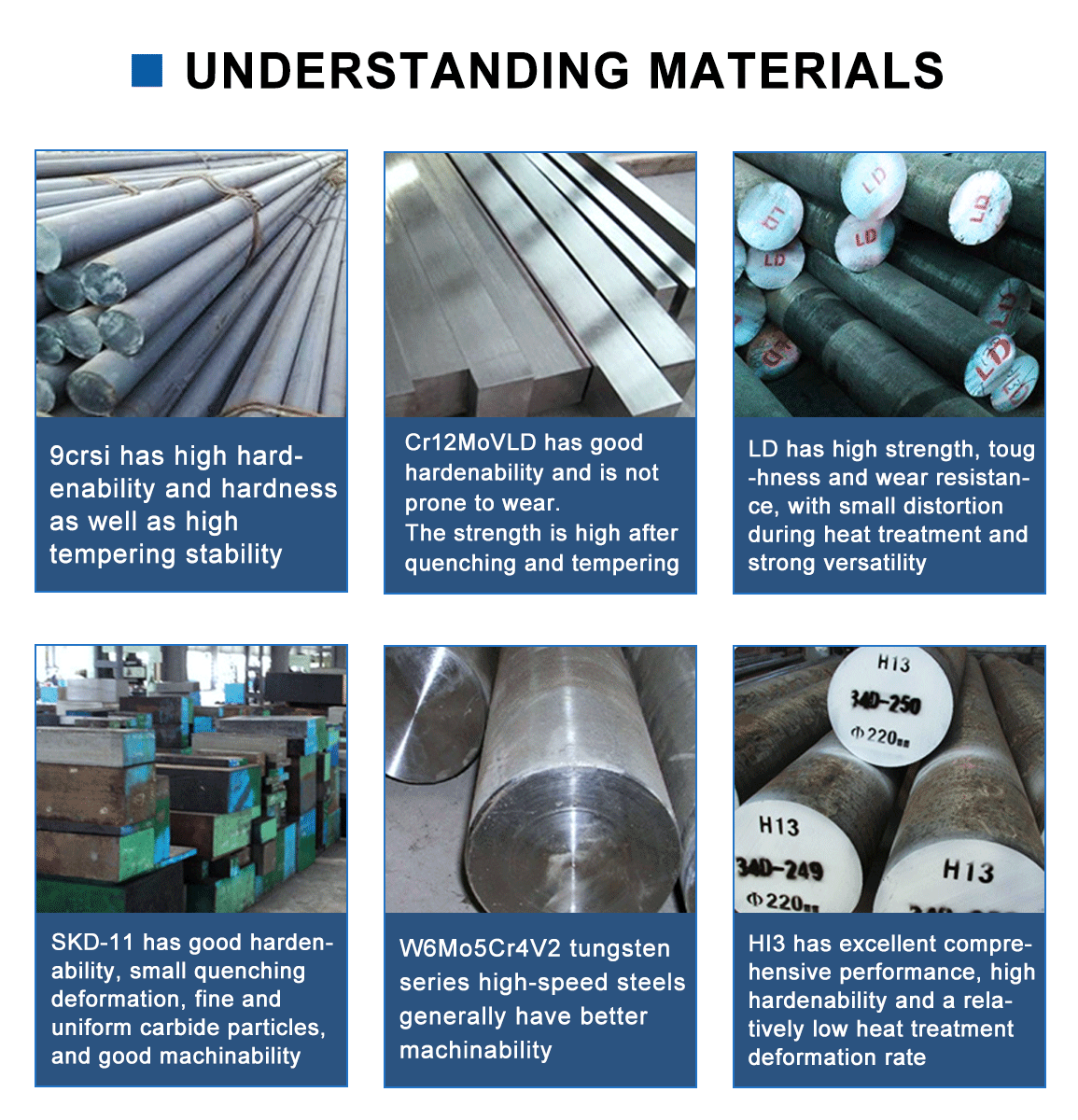
To quickly compare the primary materials we offer, here is a summary table:
| Material Type | Typical Hardness (HRC) | Key Advantages | Limitations | Ideal For |
| High-Speed Steel (HSS) | 60-68 | Excellent toughness, good wear resistance, cost-effective. | Lower wear resistance than carbide, requires more maintenance. | General-purpose metalworking, woodworking, plastic cutting. |
| Tool Steel (e.g., SAE1095) | 58-62 (Hardened) | High strength, excellent wear resistance, good sharpness. | Less resistant to high temperatures than HSS or Carbide. | Springs, hand tools, scrapers, industrial cutters. |
| Carbide / Tungsten Carbide | 60-65 (Blades) | Exceptional hardness & wear resistance, high heat resistance. | Brittle, higher cost, complex manufacturing. | Hard materials, abrasive non-ferrous metals, high-volume production. |
| Stainless Steel | Varies (e.g., 420, 440) | Excellent corrosion resistance, durable, hygienic. | Generally not as hard as tool steels or HSS. | Food processing, medical instruments, wet environments. |
| Ceramic | N/A (Extremely Hard) | Superior edge retention, corrosion resistance, hygienic, lightweight. | Fragile, limited cutting capacity, higher cost. | Precision cutting in specific industries (e.g., textiles, packaging). |
We Are Here to Help: Choosing the right material is complex. As a factory, we have the expertise to guide you. We offer custom blade solutions and can advise on the optimal material, heat treatment, and geometry for your specific application.
Contact us today for a personalized recommendation and quote. Let our manufacturing expertise solve your cutting challenges.
Reviews
There are no reviews yet.