
High-Quality Shredder Blade Alloy Steel Single-Axis Knife Is Used For Plastic Cutting


Products :
The shredder blade is the core cutting component for material crushing on the shredder equipment. Through the shearing and tearing action between the rotating movable blade and the fixed blade, materials such as metal, plastic, wood, and rubber are broken down into small pieces or particles. Its design emphasizes high strength, wear resistance, and impact resistance, and is suitable for waste recycling, resource regeneration, and garbage disposal, etc. It mainly reduces the size of large-volume waste (such as metal, plastic, wood, rubber, etc.) through methods such as shearing, tearing, and squeezing, making it easier for subsequent recycling or processing. The design and quality of the shredder directly affect the processing cycle and efficiency of the machinery for waste materials.
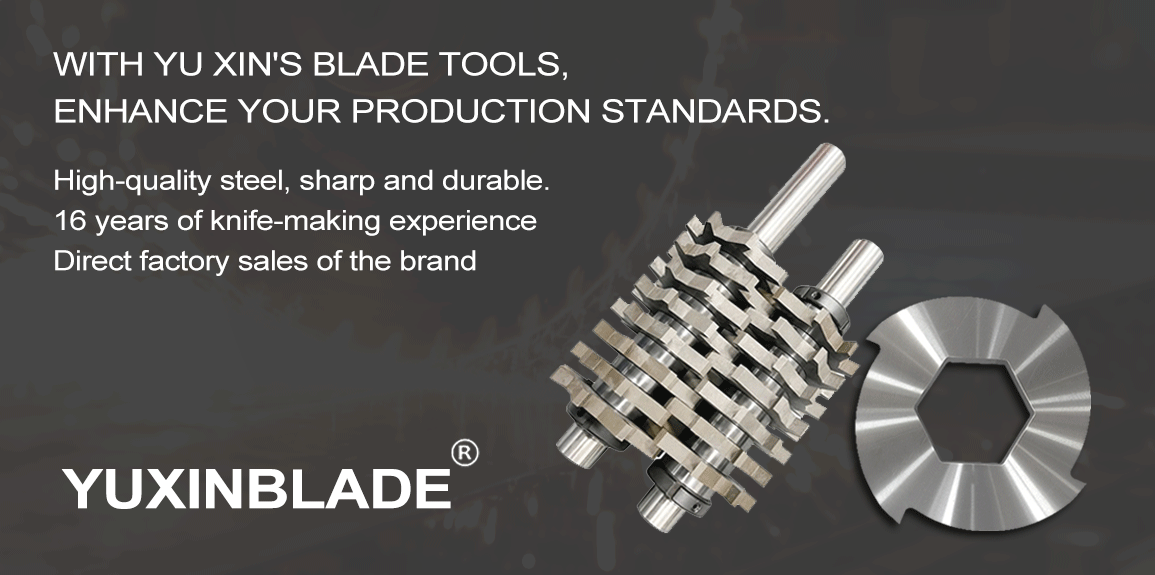
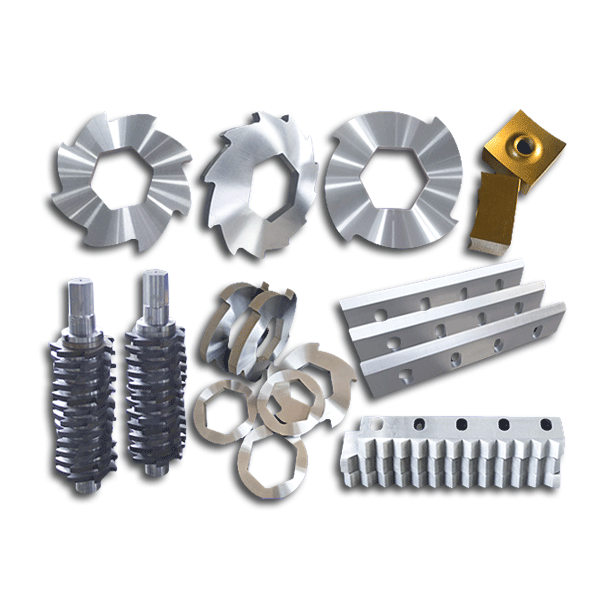
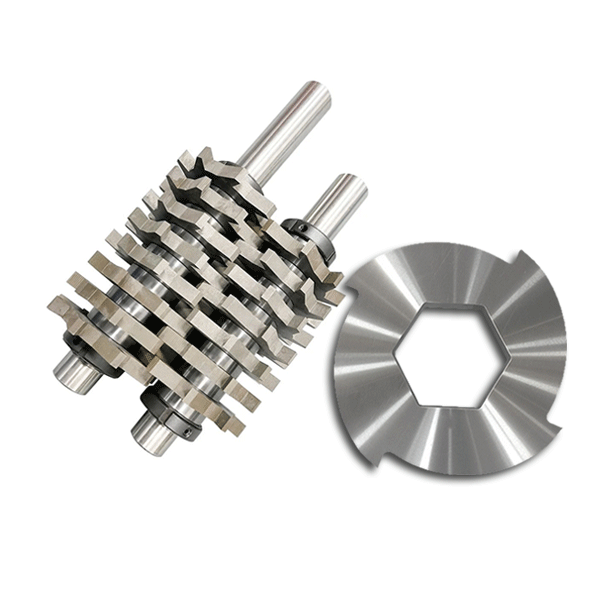
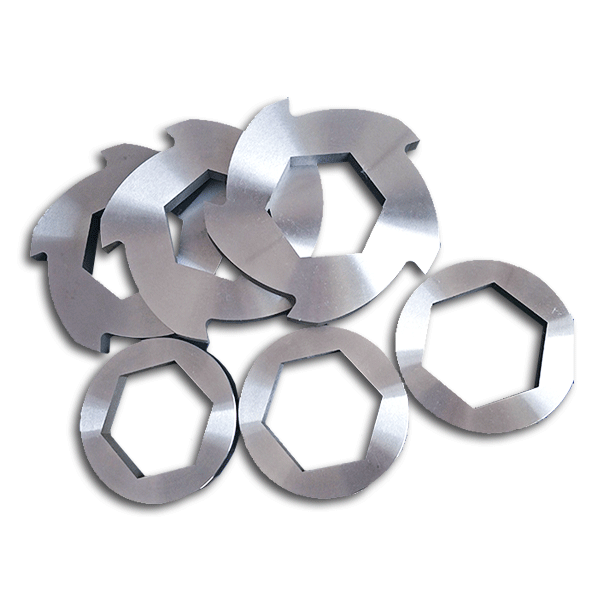
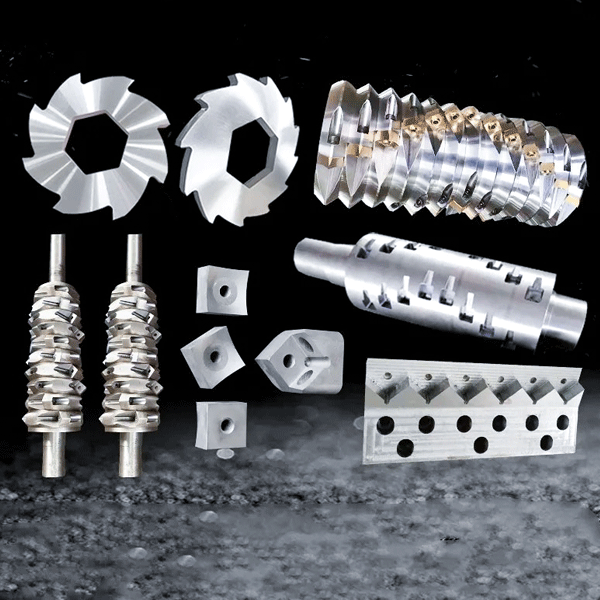
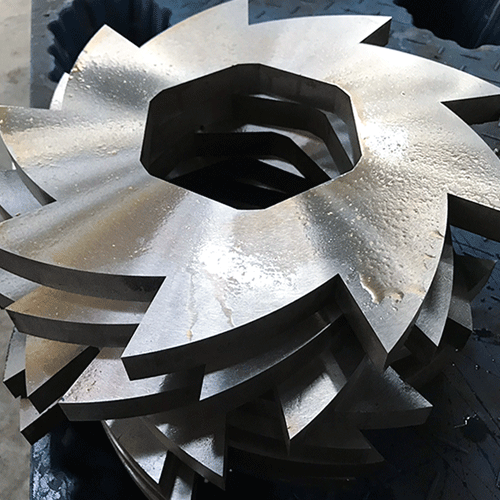
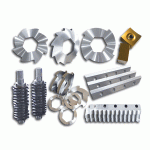
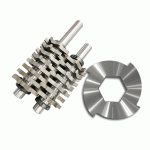
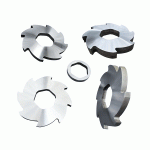
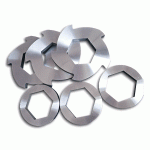
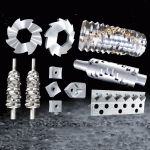
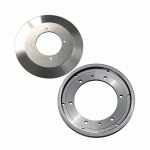
Product Name:Shredder Round Blade / Single-shaft shredder blades / Shaft And Casing
Material:
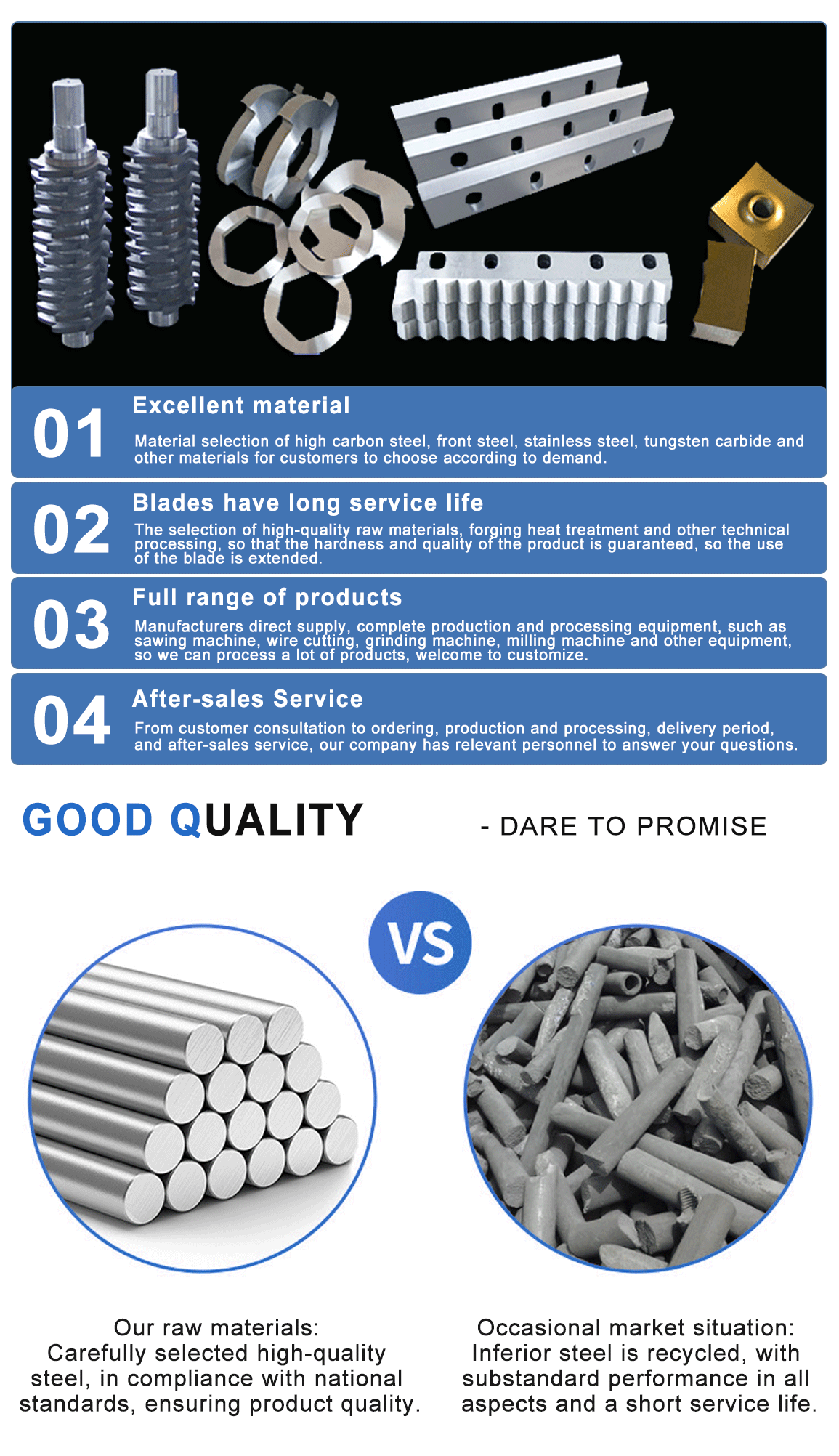
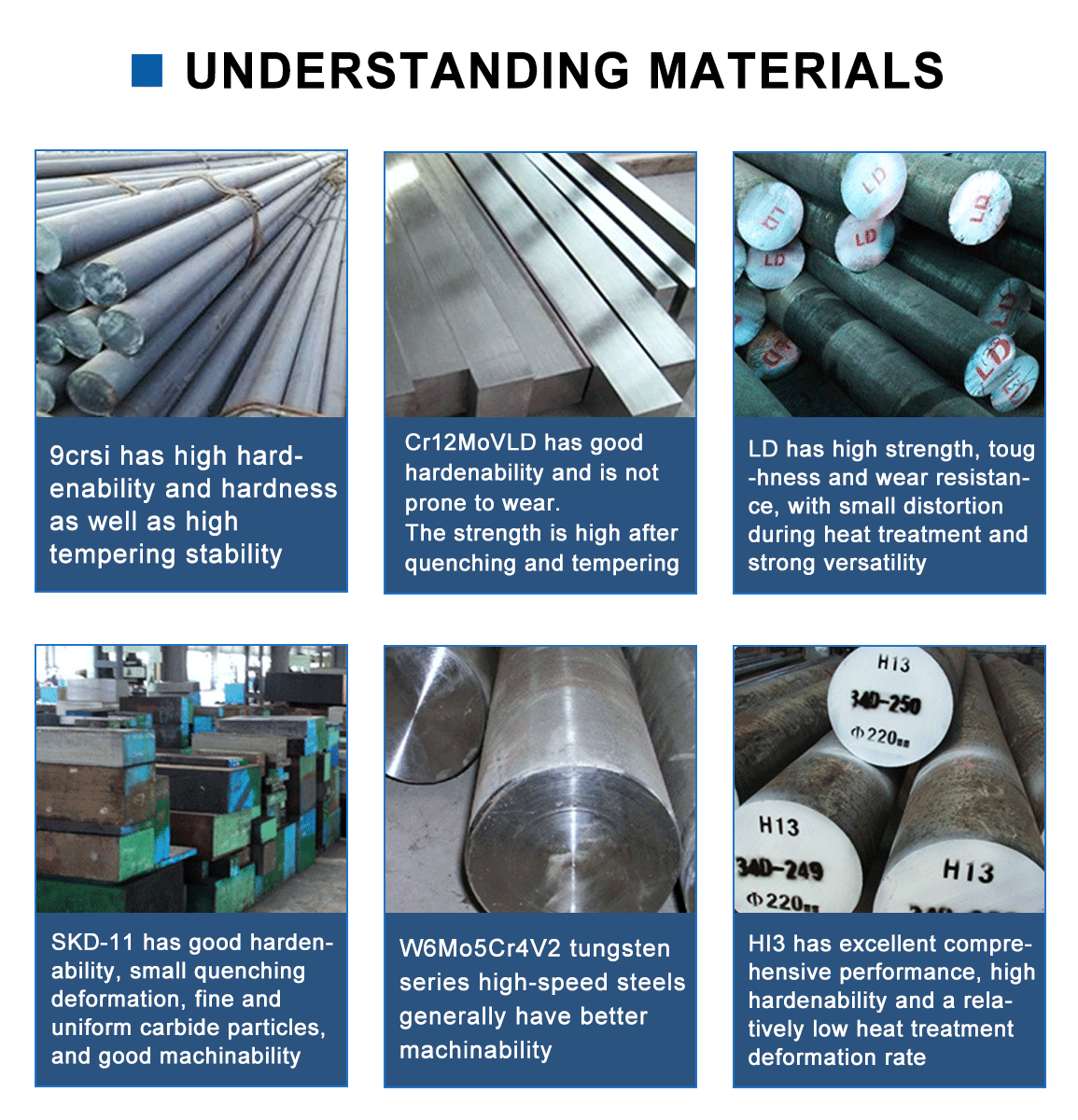
Alloy tool steel: for example, 9CrSi; Cold working die steel: for example, Cr12MoV; High-speed steel (HSS) : for example, W6Mo5Cr4V2 (M2); Hard alloys such as: (YG8/YG15); High-carbon high-chromium steel (D2/Cr12MoV).
Size:
- Diameter: 200 – 800 millimeters (common specifications are 300 millimeters, 500 millimeters, and 600 millimeters); Hole diameter: 50 – 200 millimeters (suitable for different types of tool shafts); Blade height: 5 – 20 millimeters.
- Thickness range: Common blade thicknesses include 15mm, 20mm, 40mm, 50mm, 75mm, 100mm, etc. You can choose according to the particle size required after the object is crushed.
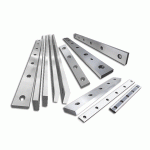
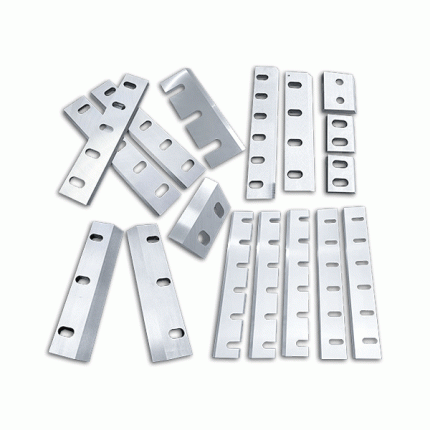
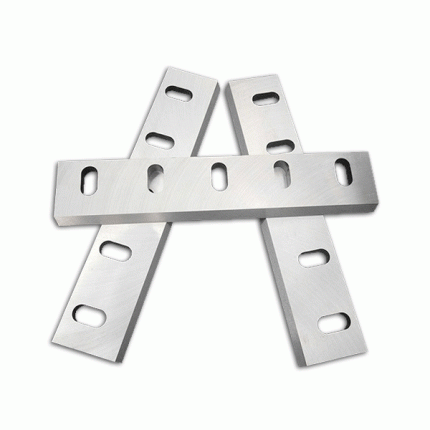
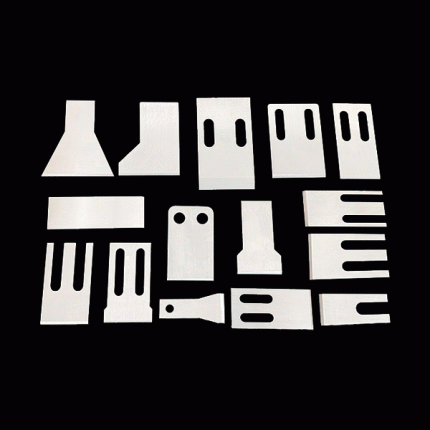
- Other dimensions: The specific dimensions of the blades, such as length, width, and inner hole diameter, may vary depending on the equipment model and manufacturer. Customization to specific drawings or samples is supported.
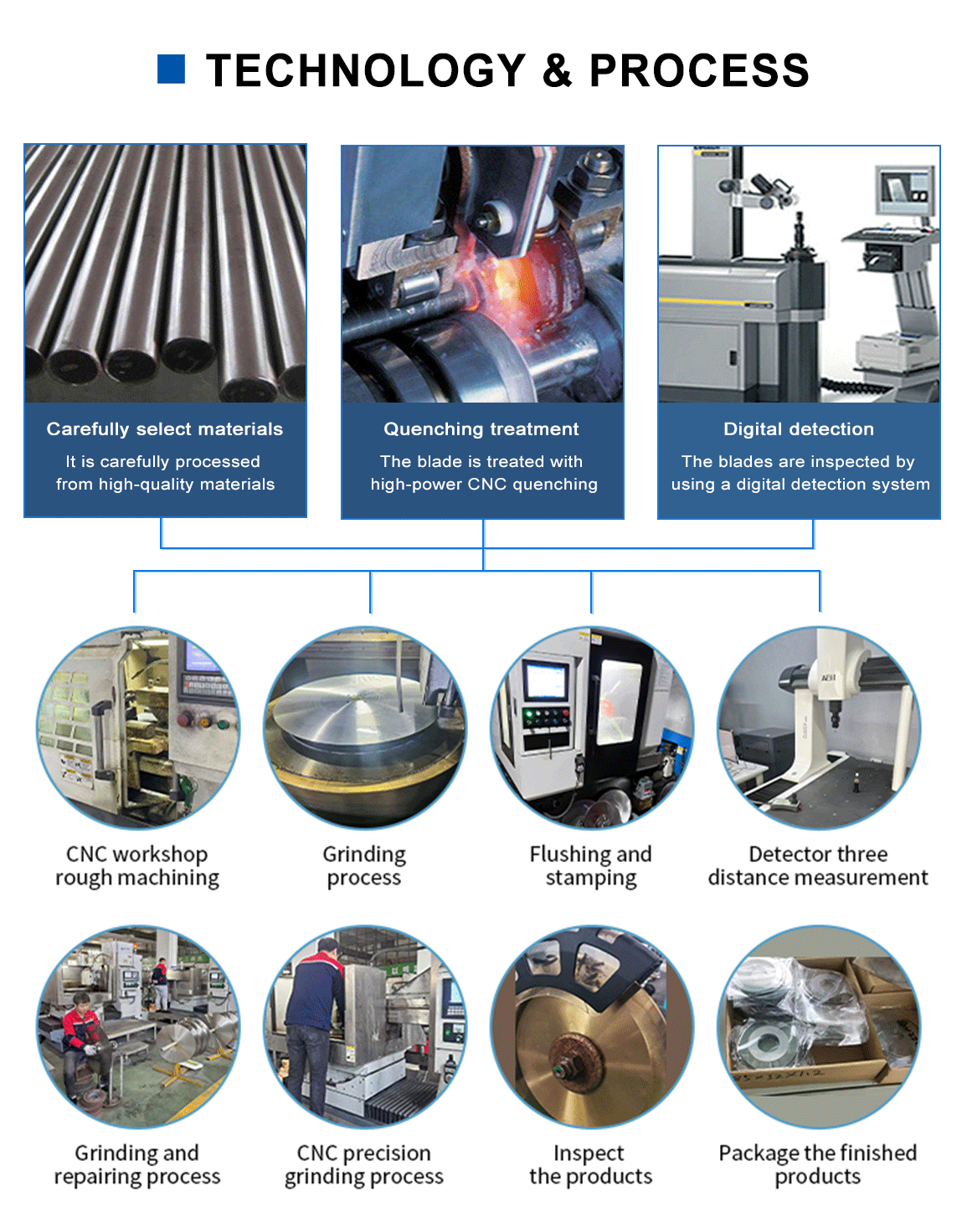
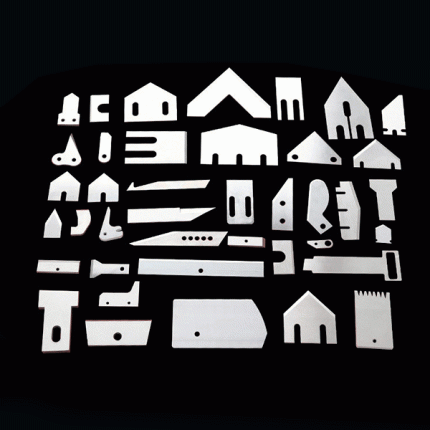
Type: Precision casting, high-temperature quenching treatment, sharp blade, precise processing and grinding, selectable angles and hardness
Features: The blades of the shredder are required to be capable of breaking down various types of waste. They usually possess the following excellent characteristics:
-
- High hardness and wear resistance: Made of high-strength alloy steel (such as Cr12MoV) or hard alloy materials, the blades have high hardness and excellent wear resistance.
- Excellent impact resistance and toughness: The high-quality blade material (such as cold-worked tool steel SKD-11) can withstand repeated impact loads, preventing chipping or fracture. It is particularly suitable for crushing materials with high hardness or those containing unpredictable impurities.
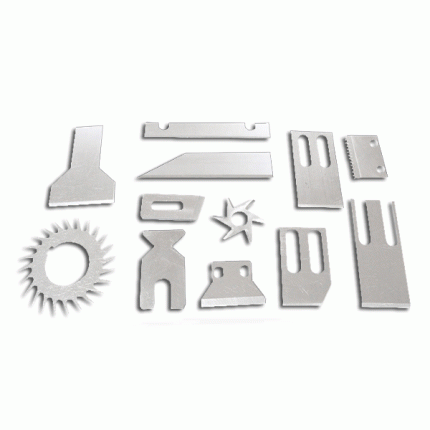
- Precise blade design: For different materials, the blade design varies (such as hook-shaped, flat edge, or serrated), to ensure efficient grasping, cutting or tearing. The blades are precisely ground, and some roughness can be controlled within Ra ≤ 0.4 μm, to maintain sharpness and cutting efficiency.
- Excellent thermal stability: Through appropriate heat treatment processes (such as quenching at 1050℃ and tempering at 450℃), the blade can maintain stable performance even under the heat generated during high-speed crushing.
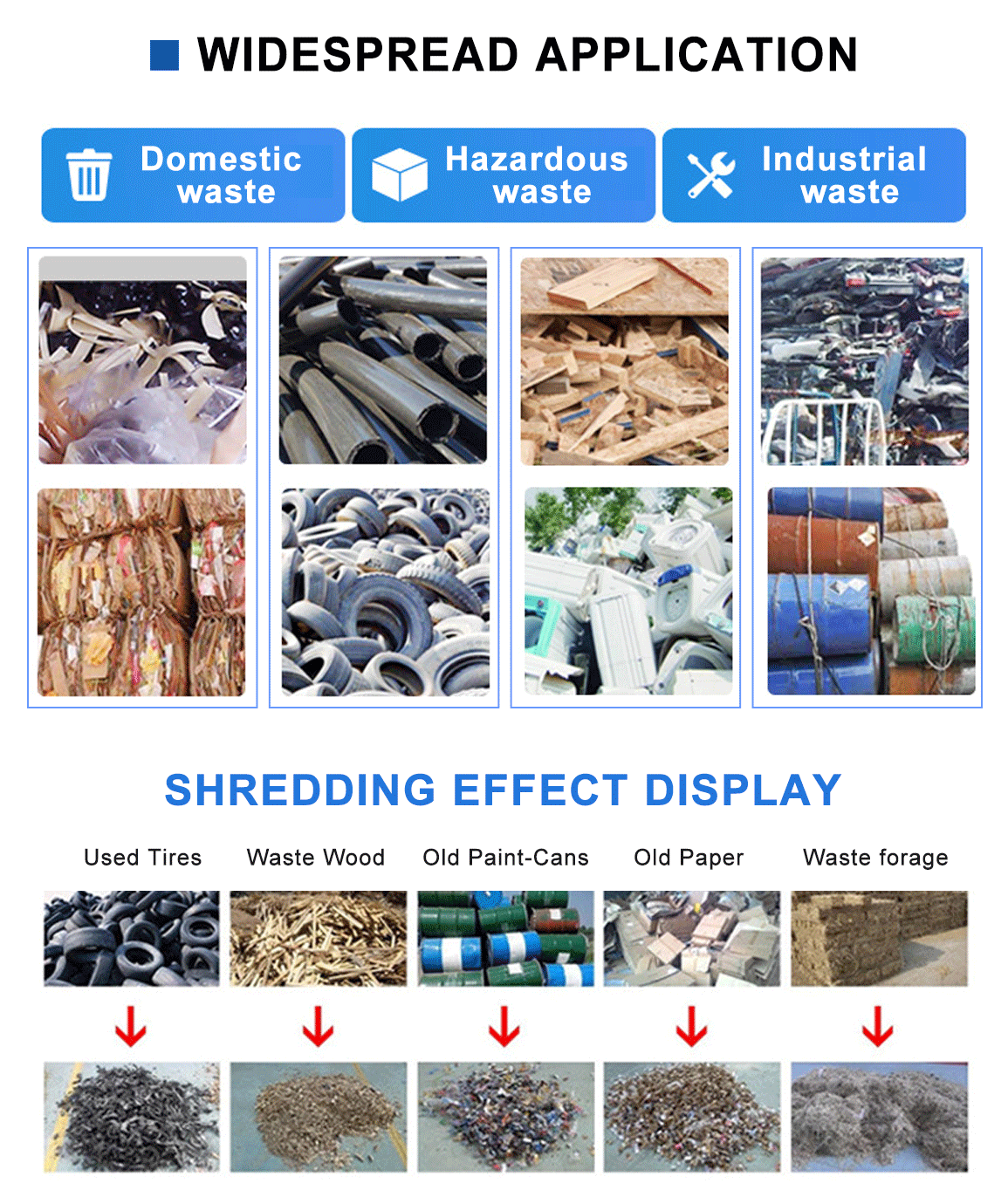
Application Scenario:The application of shredding machine blades is very extensive, covering almost all areas of solid waste that require reduction processing:
- Metal recycling: Crushing car bodies, used household appliances, aluminum cans, paint buckets, scrap steel materials, etc.
- Plastic and rubber processing: Crushing plastic buckets, tires, pipes, roll films, woven bags, etc.
- Wood and paper processing: Broken wooden pallets, tree branches, planks, pulp packages, corrugated paper, etc.
- Waste Disposal: Handling domestic waste, industrial waste, kitchen waste, and even medical waste (which requires special treatment).
- Tire recycling: Crush used tires, separate rubber particles from steel wires, and use them for recycled rubber or road materials.
- Other special materials: such as circuit boards, composite materials, glass fibers, etc.
Introduction To Other Blade Types:
According to the number of main shafts, it can be classified as:
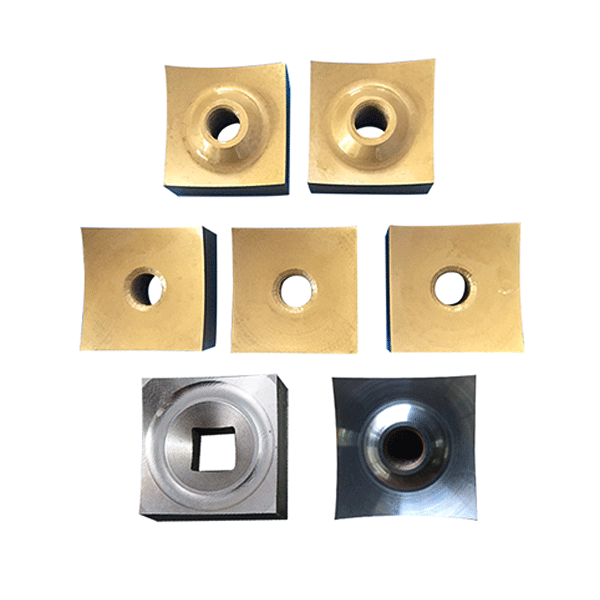
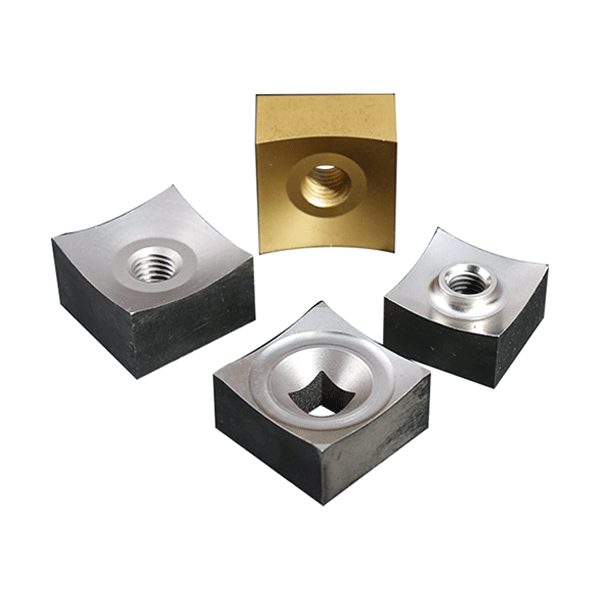
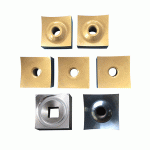
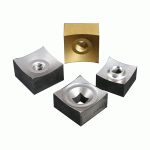
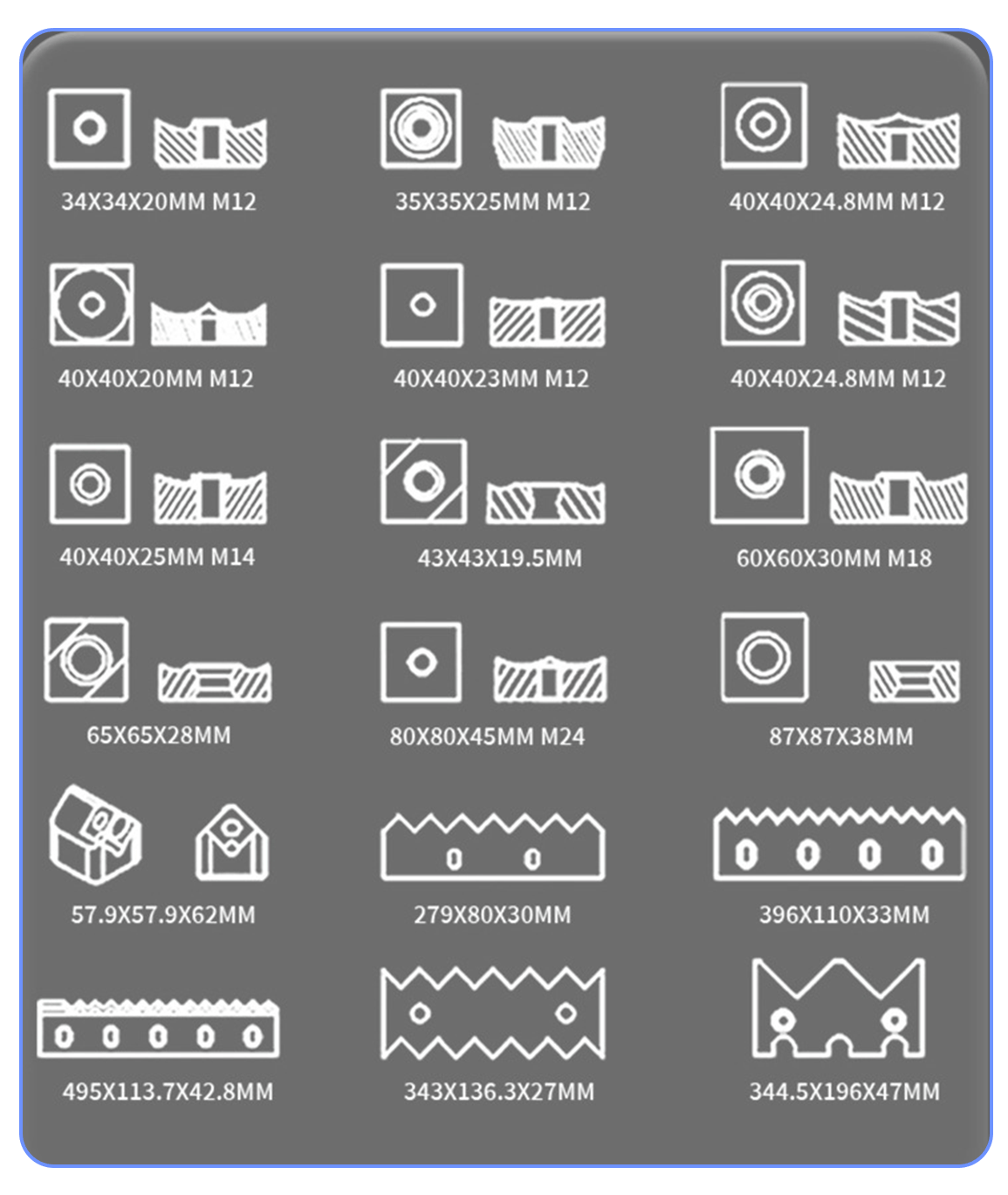
Single-axis shredding machine blades: Usually in the form of a square (square shape), the cutting edges have arcs on all four sides, and there is a tapped hole in the middle, which is called the “moving blade” and needs to be used in conjunction with the “fixed blade” on the blade holder. The blades of the single-axis crusher are installed on the shaft of the single-axis crusher and are called the “moving blades”.
Its shape is a square, and the four sides of the blade edge all have arcs. There is a striking hole in the middle, and the part from the edge of the blade to the middle hole has an inwardly concave shape. It is used in conjunction with the fixed tool on the tool holder. It is used to process waste materials such as wood blocks, used workpieces, rubber and plastic. The single-axis shredding machine blades are cut together with the fixed blade and are suitable for fine crushing of various materials.
Material: 6CRW2SI, 42CRMO, SKD-11, D2, DC53, LD, CR12MOV, H13, 9Crsi, 60Si2Mo, etc.
Size: Common specifications are 60*60*30 and 40*40*25.
Feature:
- The blade is made of cold-formed steel CR12MOV. The main body of the blade has excellent strength and high toughness. Besides being suitable for crushing soft feed materials, it can also be applied when the material contains a small amount of thin and light metals.
- The blades of this grinder have low cost of use, are easy to replace, and are basically available in stock. Maintenance is also very simple.
Application scenarios: It is mainly used for crushing various materials, including household waste, fruit and vegetable products, scrap metal, scrapped vehicles, iron plates, construction site forms, plastic films, etc.
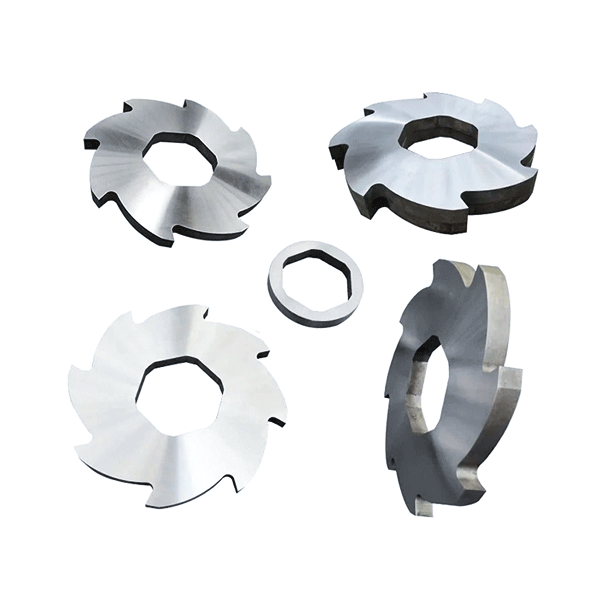
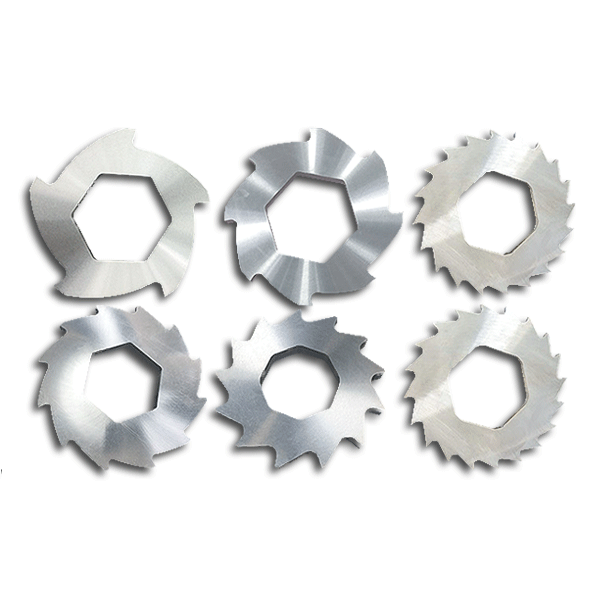
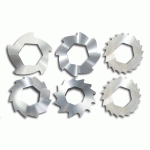
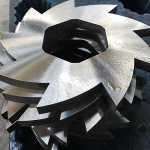
Multi-axis shredding machine blades (including dual-axis and quad-axis): Usually in the form of claw-shaped (round with claws), there are 3-claw, 8-claw, 12-claw, etc. The materials are crushed through the mutual shearing, tearing and squeezing actions of the multi-axis cutting tools.
Application scenarios: Crushing of waste plastics, waste rubber, wood and other large-volume waste materials.
According to the shape of the cutting edge
Hook knife: The blade has a 15° – 25° hooked shape. It uses rotational gripping force to tear apart materials, such as waste textiles and fibrous materials. The single processing capacity is 30% higher than that of a flat knife.
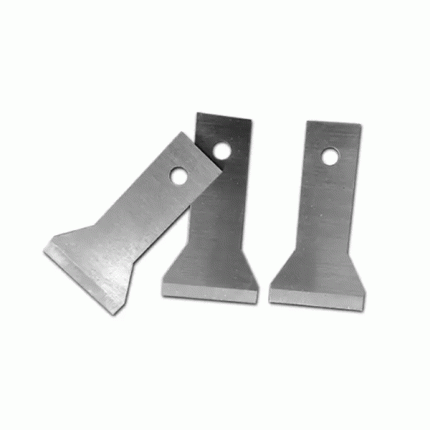
Flat knife: The cutting edge angle is 25° – 35°. It is suitable for continuous cutting of soft materials such as plastic films, and the flatness of the cutting surface can reach ±0.2mm.
Toothed blade: Features a serrated blade design, making it easy to embed into block-like materials and capable of cutting block-shaped materials such as used rubber tires.
Selection criteria:
-
- Select based on material properties: For soft materials (such as rubber and fibers), the 9CrSi material can be considered for the blade; for hard materials (such as wood, hard plastics, and metals), materials with better impact resistance such as Cr12MoV and SKD-11 should be chosen.
- Determine the type of blades: Based on the required output size and crushing efficiency, select single-axis blades or multi-axis toothed blades, along with the appropriate tooth shape.
- Pay attention to manufacturing process and quality: Choose reputable manufacturers and pay attention to their heat treatment processes and machining accuracy. These factors directly affect the service life and performance of the blades. Yuxin Machinery Tool Factory has twenty years of experience in knife manufacturing. We are honest and trustworthy, and are willing to establish long-term cooperation with you.
To quickly compare the primary materials we offer, here is a summary table:
Material Type Typical Hardness (HRC) Key Advantages Limitations Ideal For High-Speed Steel (HSS) 60-68 Excellent toughness, good wear resistance, cost-effective. Lower wear resistance than carbide, requires more maintenance. General-purpose metalworking, woodworking, plastic cutting. Tool Steel (e.g., SAE1095) 58-62 (Hardened) High strength, excellent wear resistance, good sharpness. Less resistant to high temperatures than HSS or Carbide. Springs, hand tools, scrapers, industrial cutters. Carbide / Tungsten Carbide 60-65 (Blades) Exceptional hardness & wear resistance, high heat resistance. Brittle, higher cost, complex manufacturing. Hard materials, abrasive non-ferrous metals, high-volume production. Stainless Steel Varies (e.g., 420, 440) Excellent corrosion resistance, durable, hygienic. Generally not as hard as tool steels or HSS. Food processing, medical instruments, wet environments. Ceramic N/A (Extremely Hard) Superior edge retention, corrosion resistance, hygienic, lightweight. Fragile, limited cutting capacity, higher cost. Precision cutting in specific industries (e.g., textiles, packaging).
We Are Here to Help: Choosing the right material is complex. As a factory, we have the expertise to guide you. We offer custom blade solutions and can advise on the optimal material, heat treatment, and geometry for your specific application.
Contact us today for a personalized recommendation and quote. Let our manufacturing expertise solve your cutting challenges.
Reviews
There are no reviews yet.