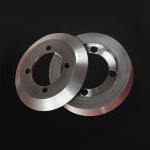
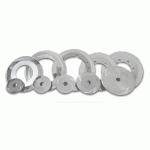
Wear-Resisting Leather Cutting Kinfe Manufacturer Leather Mechanical Slitting Blades


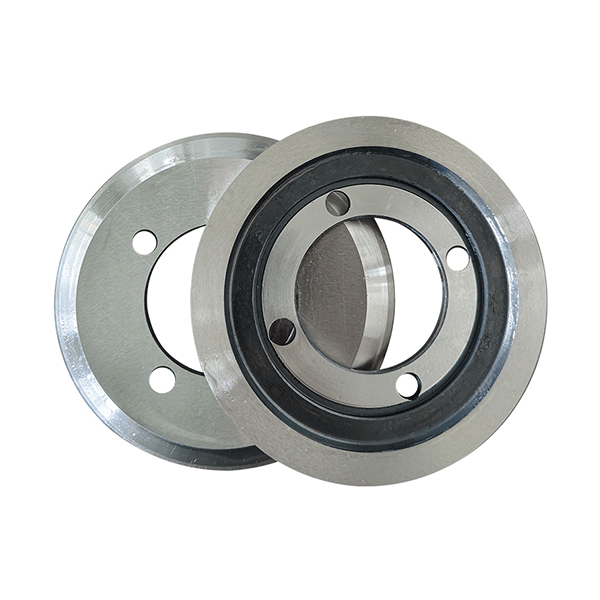
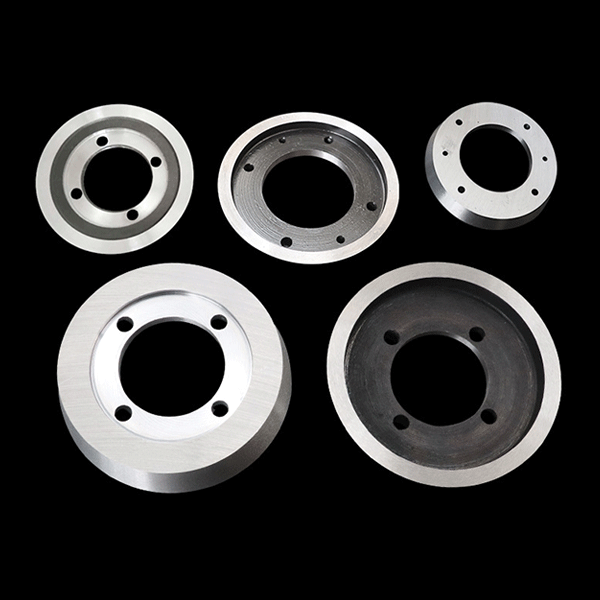
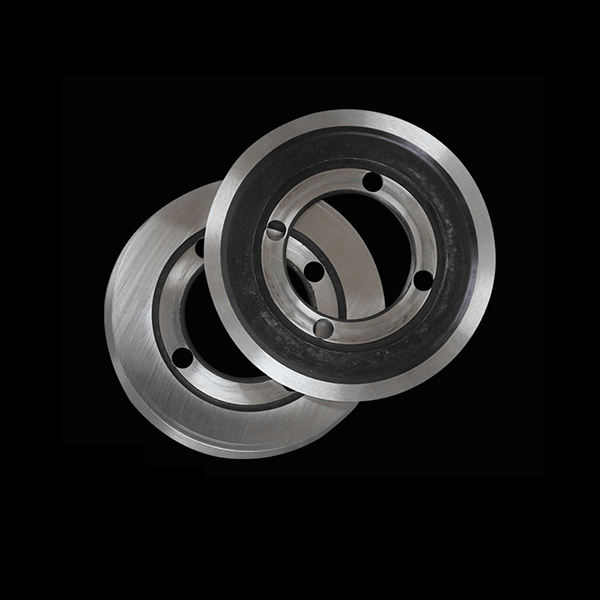
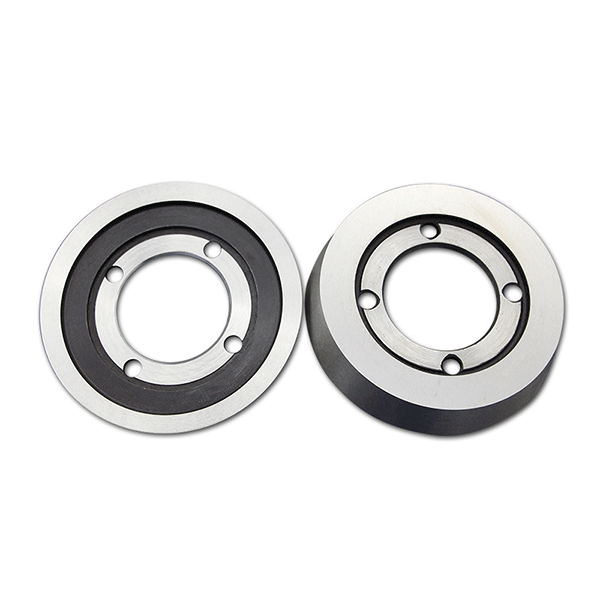
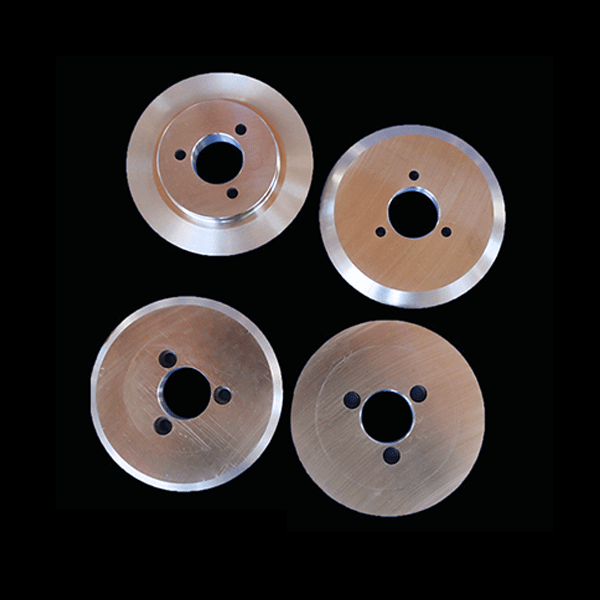
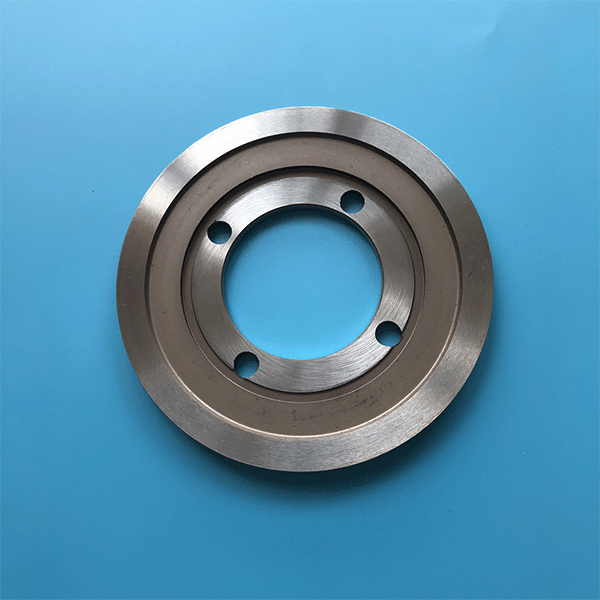
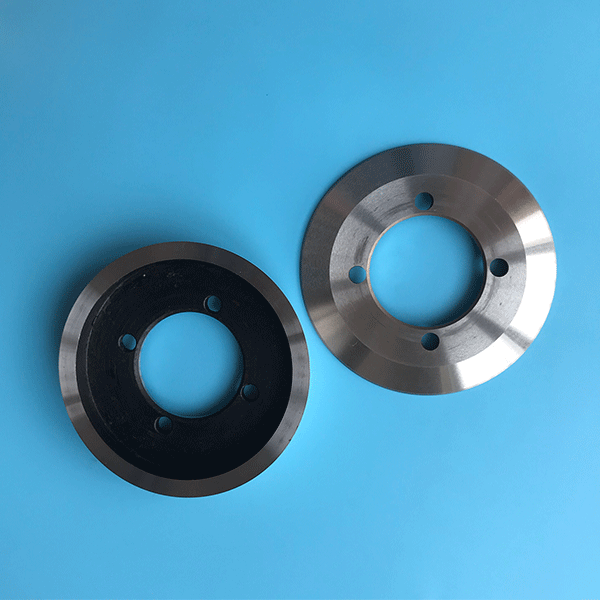
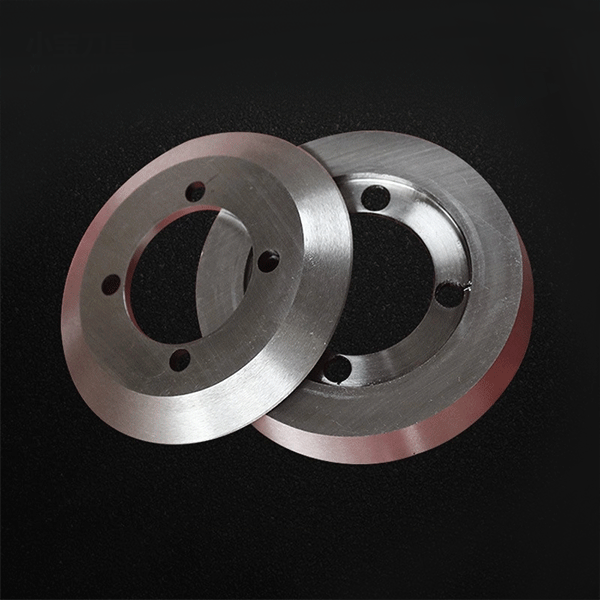
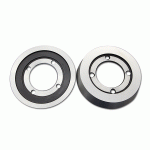
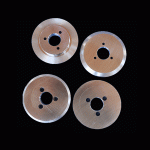
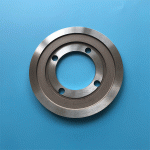
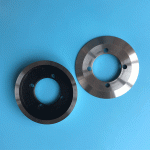
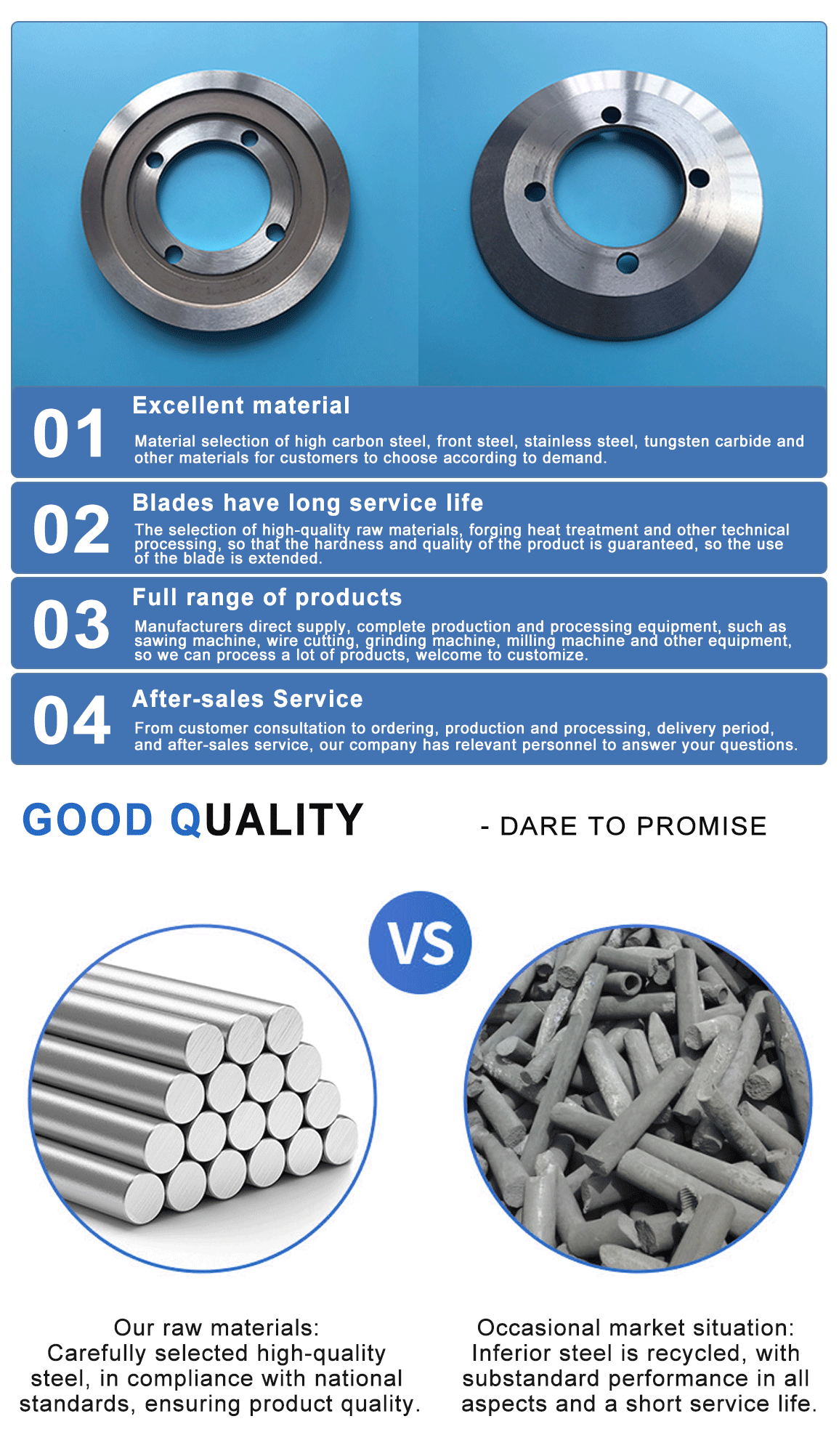
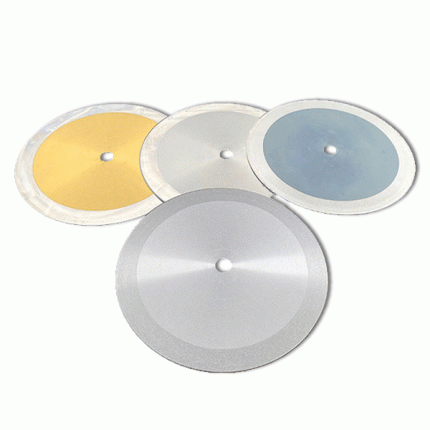
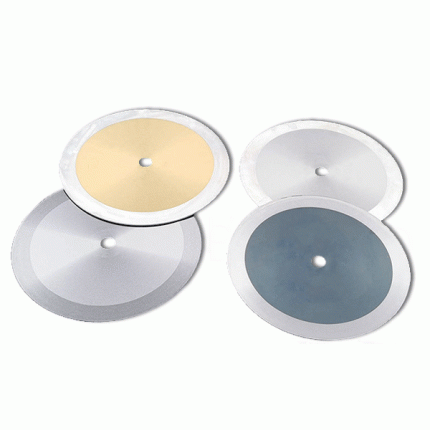
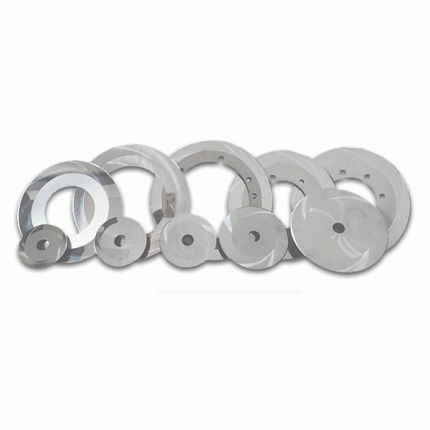
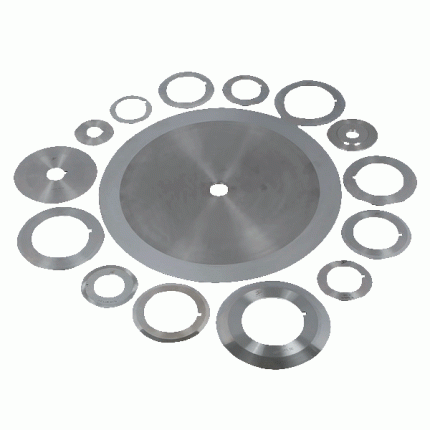
Products :Leather cutting blades, also known as leather cutting discs or leather mechanical blades, are the core components of leather processing equipment. They are usually specialized cutting tools installed on leather processing equipment such as strip machines and cutting machines.
Their main task is to precisely cut, slice, punch holes and engrave various leather materials such as genuine leather, synthetic leather, PU leather and microfiber leather, ensuring that the width of the cut materials is accurate, the edges are smooth and flat without burrs, to meet the quality requirements of subsequent processing. They are widely used in leather cutting and shaping processing in fields such as footwear manufacturing, luggage, furniture interiors and automotive seats.
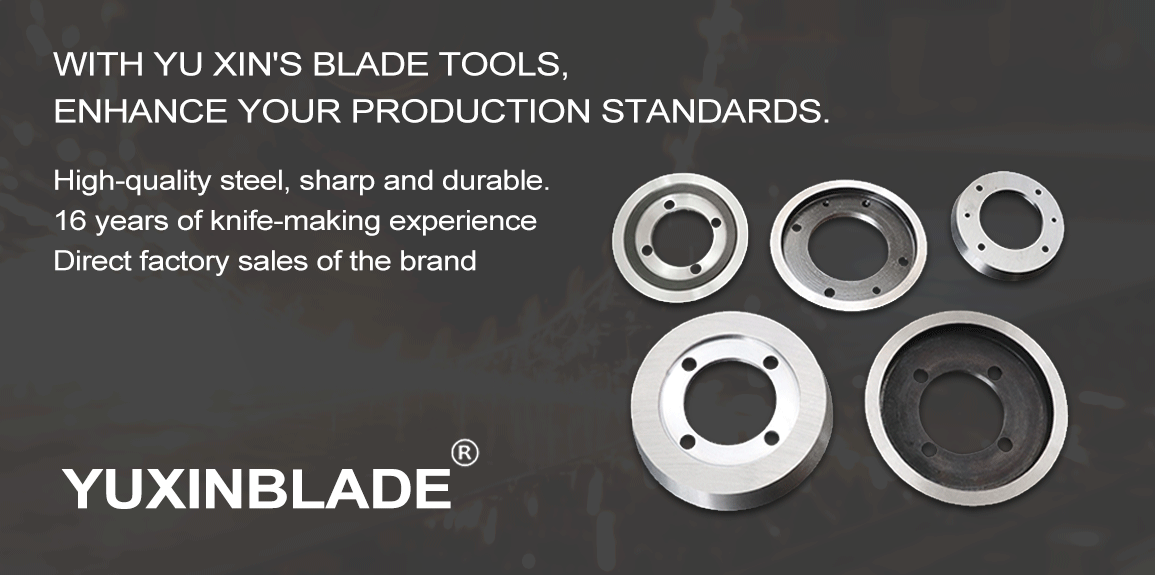
Product Name: Leather cutting blades / Leather mechanical slitting blades
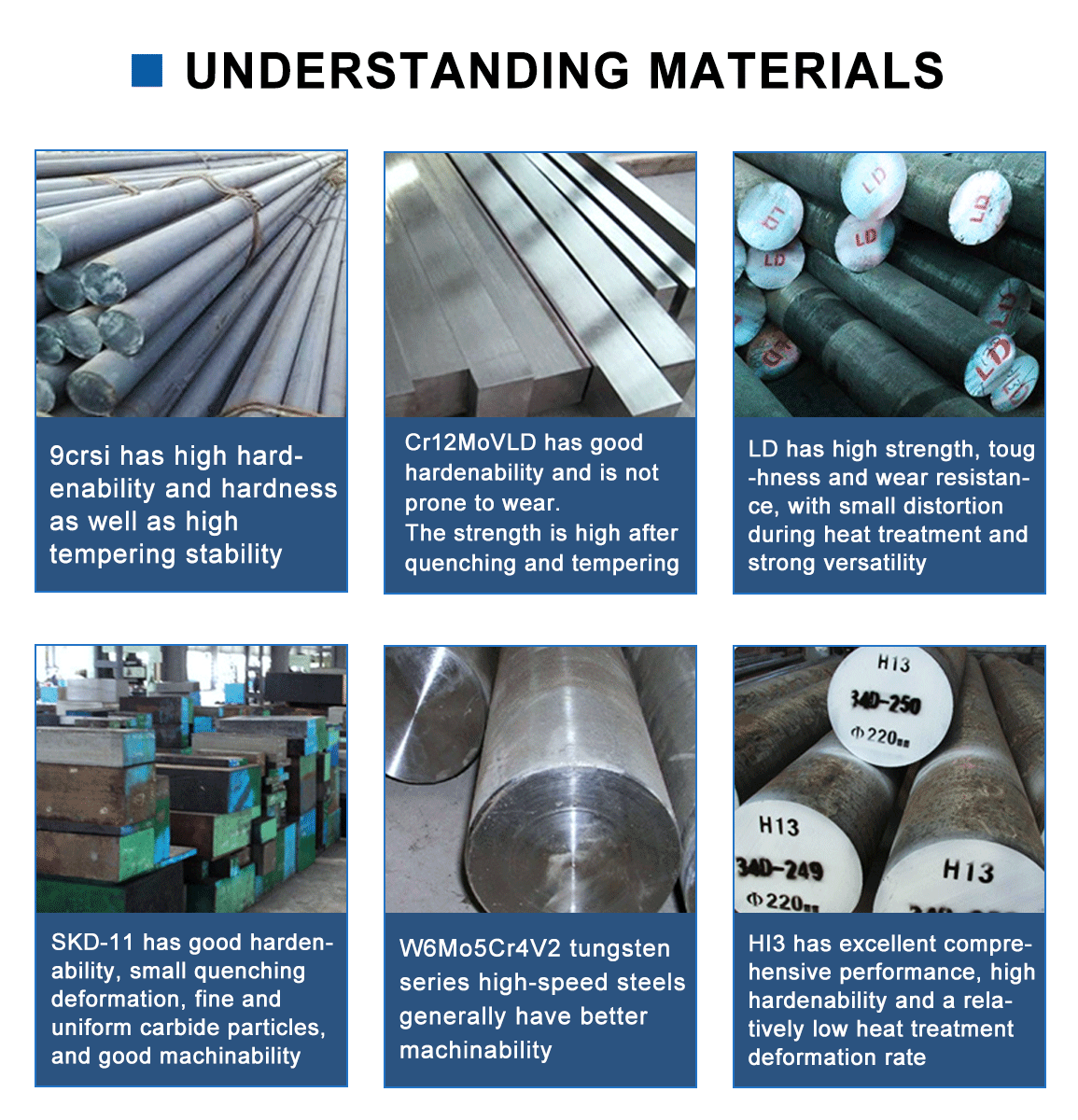
Material:• Alloy tool steel: This is the most commonly used material type for leather cutting blades, and it mainly includes:
- 9CrSi: A common type of alloy tool steel, with good wear resistance and certain toughness.
- Cr12MoV, SKD11/SLD, 20J2/440C: High-carbon high-chromium cold working die steel, with good wear resistance and good toughness. • High-speed steel (HSS): Examples include W6Mo5Cr4V2 (M2), W18Cr4V, which possess higher red hardness and wear resistance, and are suitable for applications with higher requirements.
Size:
- Outer diameter (D) range: Common diameter specifications include ∮80mm, ∮100mm, ∮105mm, ∮108mm, ∮118mm, ∮130mm, ∮140mm, etc.
- Thickness (B) range: The thickness varies significantly, ranging from 1mm, 1.2mm to 8mm, 20mm, and even 25mm.
- Inner hole (d) diameter: Common inner hole diameters include ∮25.4mm (1 inch), ∮40mm, ∮47mm, ∮66mm, ∮70mm, ∮75mm, etc., which are used to fix in conjunction with the equipment shaft.
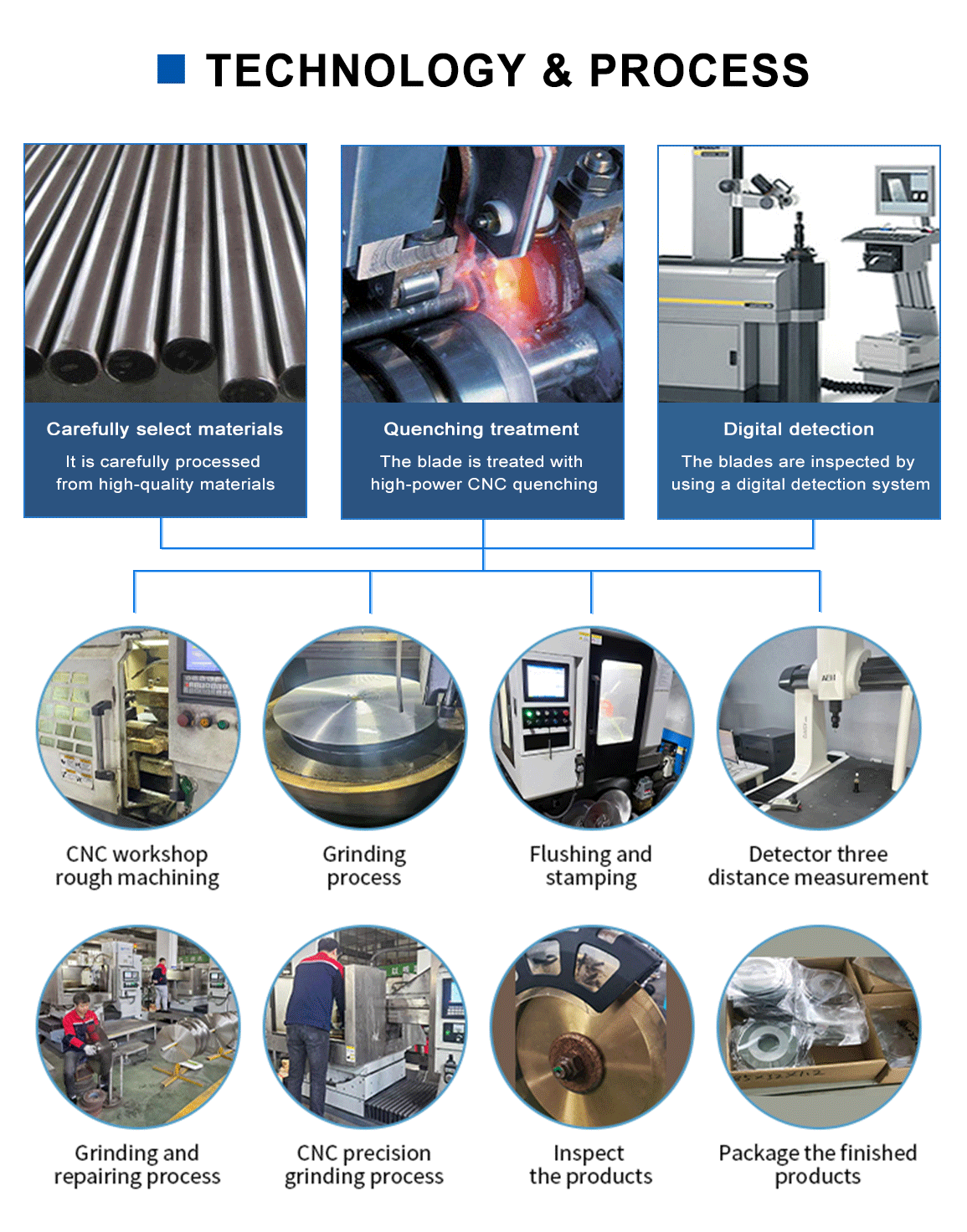
Process: Heat treatment processes such as quenching and tempering ; CNC machining equipment and precision grinding techniques
Features:
- Sharp cutting edge and high wear resistance: Made from high-quality alloy tool steel (such as Cr12MoV), and processed through heat treatment and precise mechanical machining. The blade has high hardness and excellent wear resistance, maintaining a sharp edge for a long time and prolonging the service life.
- Resistance to deformation and high parallelism: The manufacturing process ensures a high degree of parallelism for the blade, allowing it to maintain a stable shape during high-speed or continuous cutting processes and preventing deformation, thereby ensuring the accuracy of the cutting.
- Smooth and clean cuts without burrs: The precise blade ensures smooth cutting, resulting in a flat and smooth cut with no burrs or indentations, meeting the high-quality processing requirements for leather products.
- Excellent toughness: The appropriate selection of materials and processing techniques enable the blade to possess certain impact resistance and toughness, making it suitable for various processing conditions.
Application Scenario: Leather cutting blades are mainly used for:
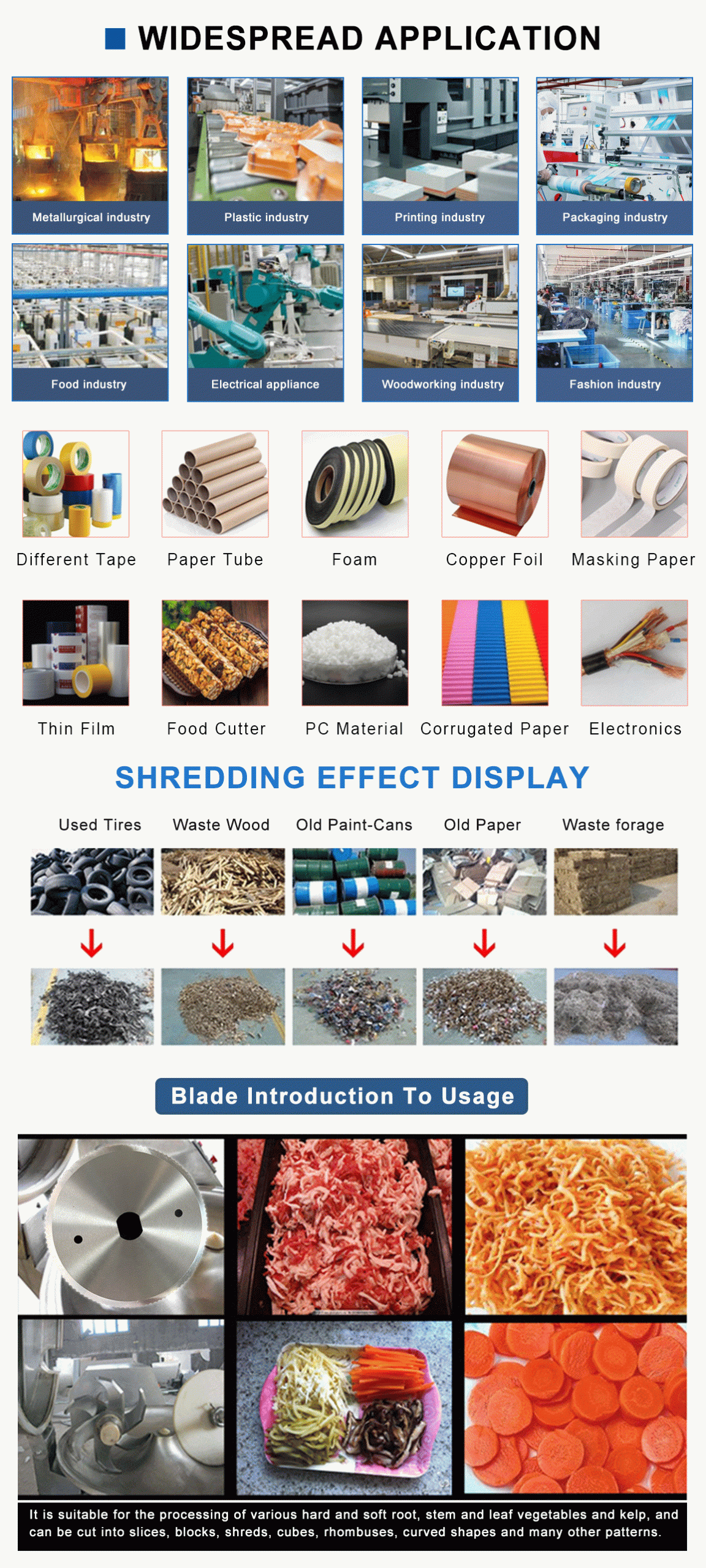
- Leather and leather goods industry: It is used for cutting and slicing various types of genuine leather, microfiber leather and other materials. It is a key supporting tool for striping machines and cutting machines.
- Other material processing: Besides leather, these blades are also commonly used in the cutting operations of sealing tapes, EVA, silicone, rubber, paper products, and other materials.
Selection suggestions: • Based on the processing material: For processing common leather materials, the cost-effective 9CrSi material can be chosen; for processing leather or non-leather materials with high strength and high wear resistance requirements, the Cr12MoV or high-speed steel material blades can be considered.
- Confirm specifications and accuracy: Based on the model of the tape or strip cutting machine used, determine the key specification dimensions such as the outer diameter, inner hole diameter, and thickness of the required blades, as well as the corresponding accuracy level.
- Consider non-standard customization: For special equipment or unique cutting requirements, we offer custom services based on provided drawings and samples.
To quickly compare the primary materials we offer, here is a summary table:
| Material Type | Typical Hardness (HRC) | Key Advantages | Limitations | Ideal For |
| High-Speed Steel (HSS) | 60-68 | Excellent toughness, good wear resistance, cost-effective. | Lower wear resistance than carbide, requires more maintenance. | General-purpose metalworking, woodworking, plastic cutting. |
| Tool Steel (e.g., SAE1095) | 58-62 (Hardened) | High strength, excellent wear resistance, good sharpness. | Less resistant to high temperatures than HSS or Carbide. | Springs, hand tools, scrapers, industrial cutters. |
| Carbide / Tungsten Carbide | 60-65 (Blades) | Exceptional hardness & wear resistance, high heat resistance. | Brittle, higher cost, complex manufacturing. | Hard materials, abrasive non-ferrous metals, high-volume production. |
| Stainless Steel | Varies (e.g., 420, 440) | Excellent corrosion resistance, durable, hygienic. | Generally not as hard as tool steels or HSS. | Food processing, medical instruments, wet environments. |
| Ceramic | N/A (Extremely Hard) | Superior edge retention, corrosion resistance, hygienic, lightweight. | Fragile, limited cutting capacity, higher cost. | Precision cutting in specific industries (e.g., textiles, packaging). |
We Are Here to Help: Choosing the right material is complex. As a factory, we have the expertise to guide you. We offer custom blade solutions and can advise on the optimal material, heat treatment, and geometry for your specific application.
Contact us today for a personalized recommendation and quote. Let our manufacturing expertise solve your cutting challenges.
Reviews
There are no reviews yet.