
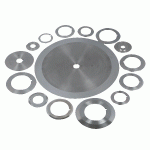
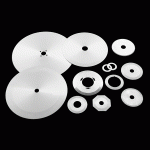
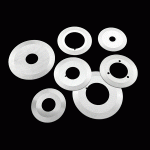
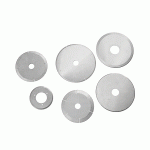
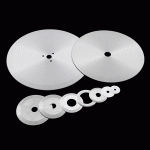
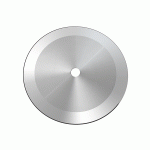

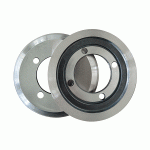
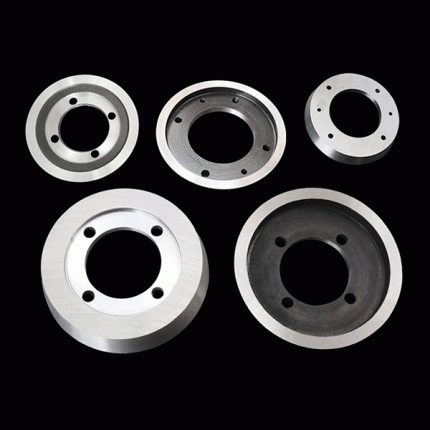
Supplier Price High-Speed Steel Slitting Circular Blades Cutter Textile Machine Knife Custom


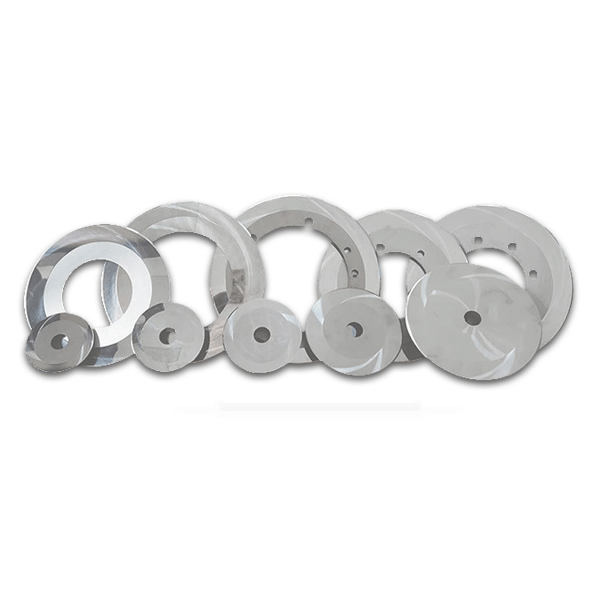
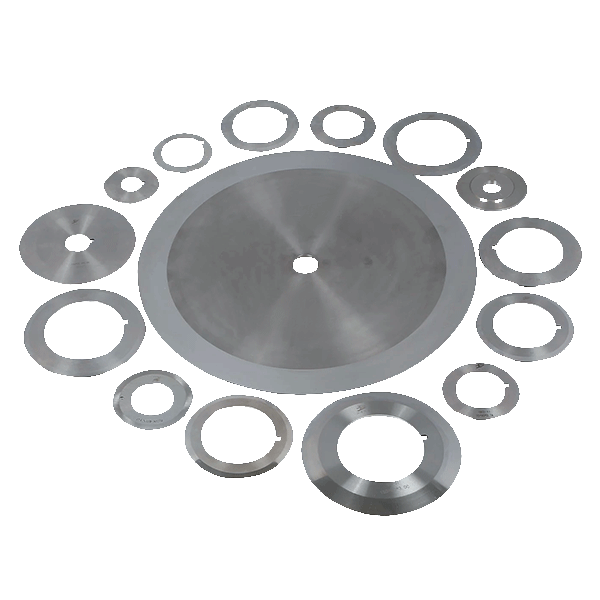
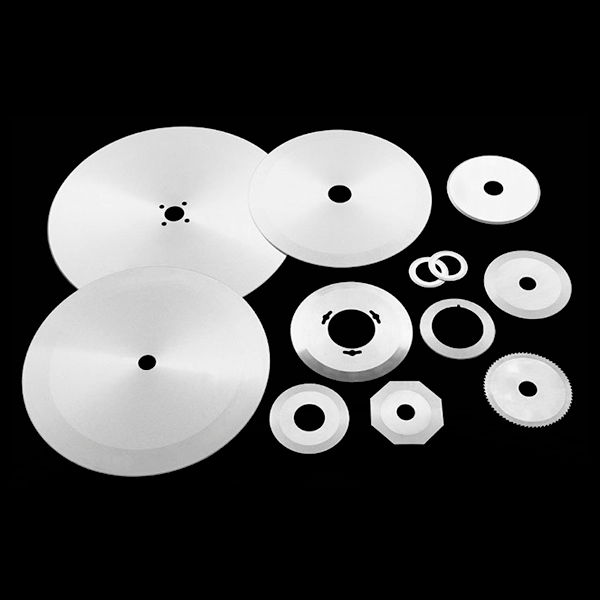
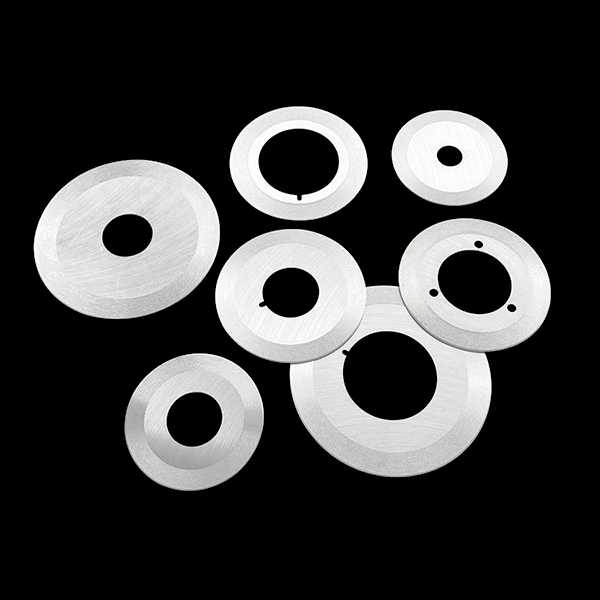
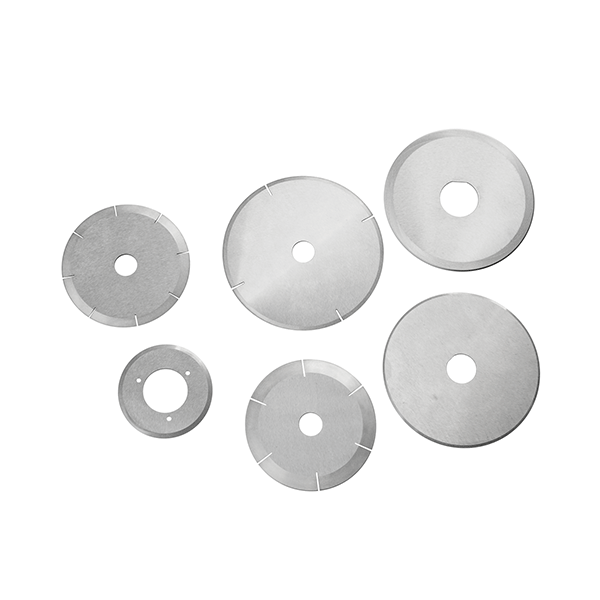
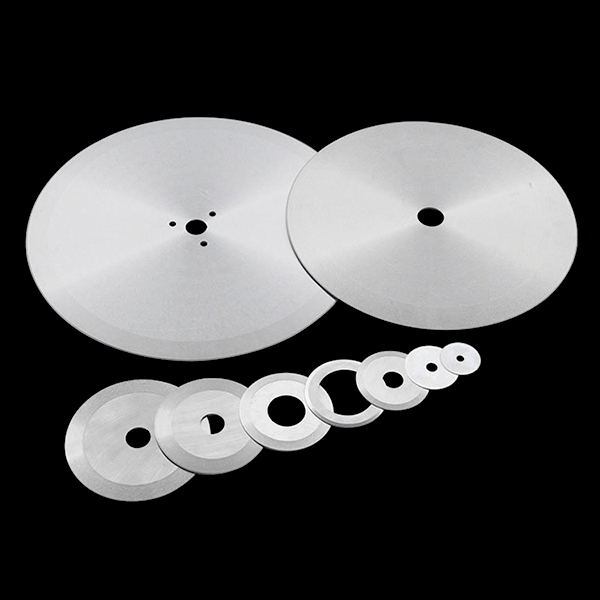
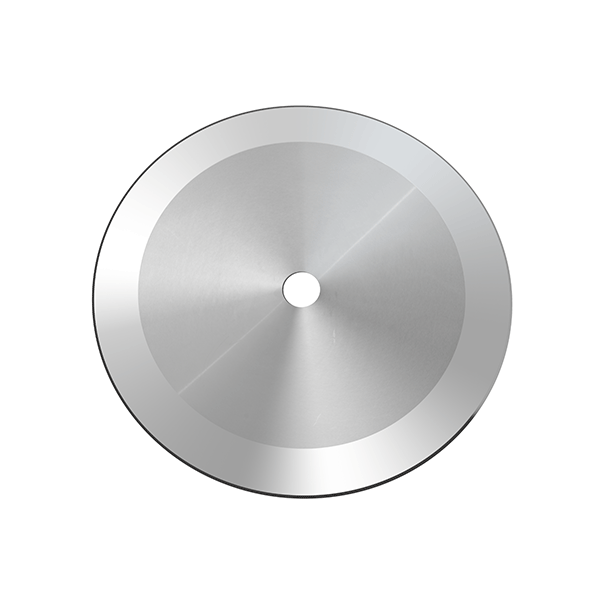
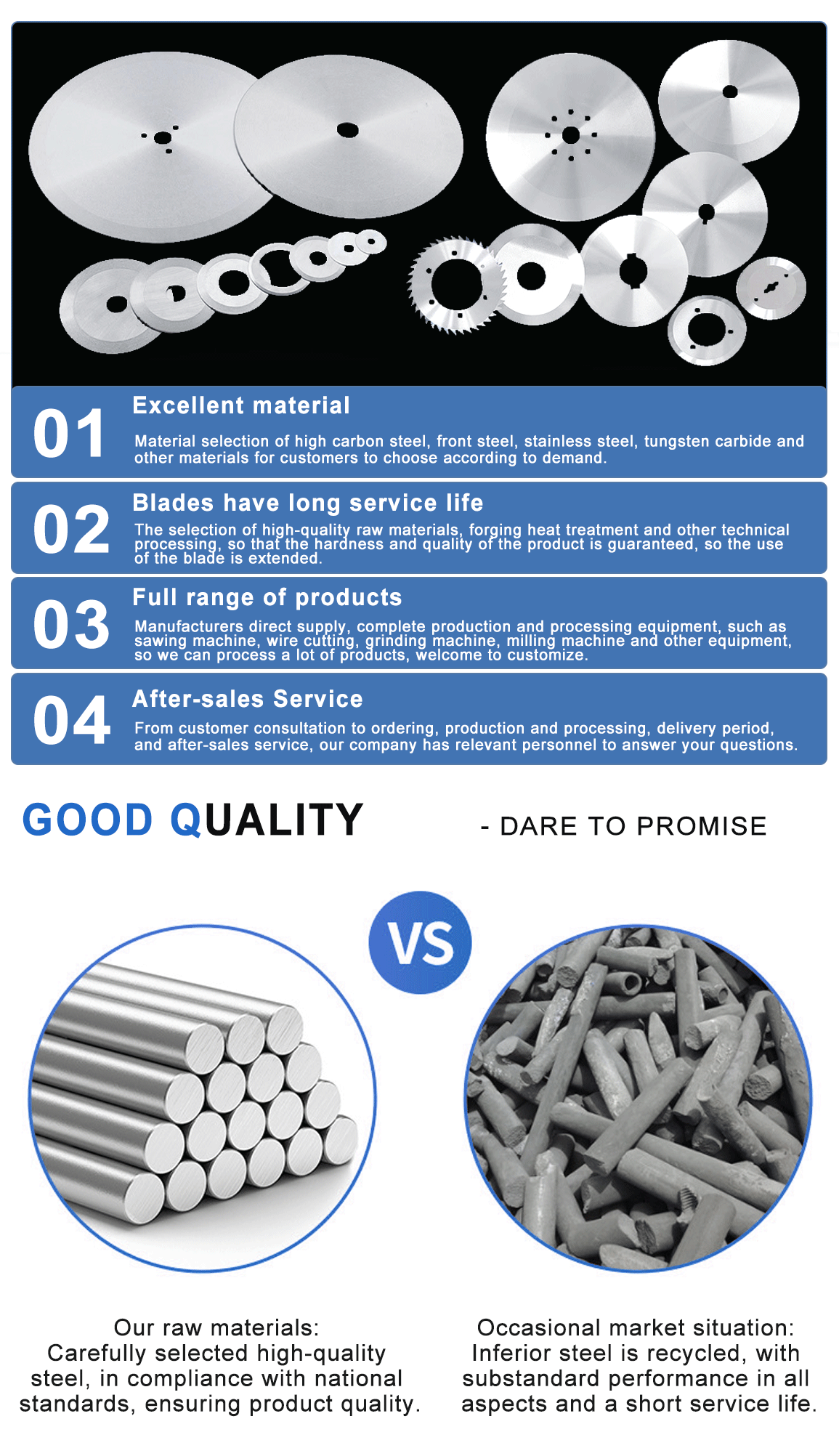
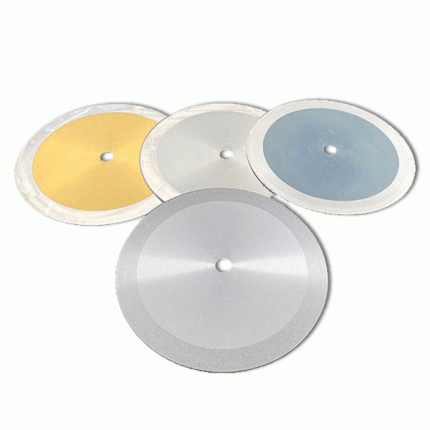
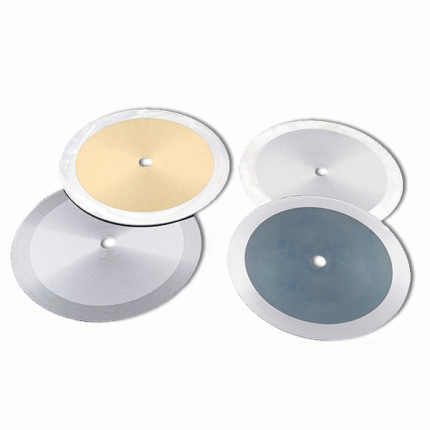
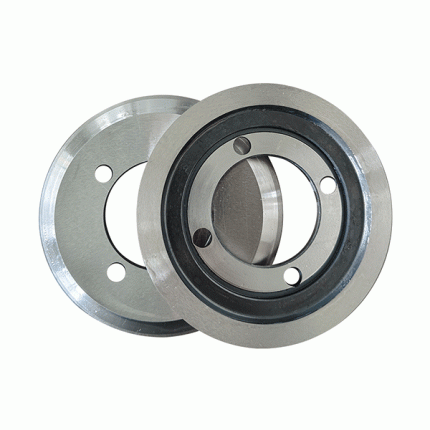
Products :HSS Slitting Circular Blades are precision cutting tools in the form of circular discs, made of High-Speed Steel (HSS). High-speed steel is a type of high-alloy tool steel, renowned for its high hardness, high wear resistance and high red hardness (hot hardness). These types of blades are mainly used for high-speed and precise cutting, trimming or slicing of various roll materials such as paper, film, metal foil, tape, and non-woven fabric. The core task is to ensure that the width of the cut materials is precise, the edges are smooth and free of burrs, so as to meet the quality requirements for subsequent processing or direct use.
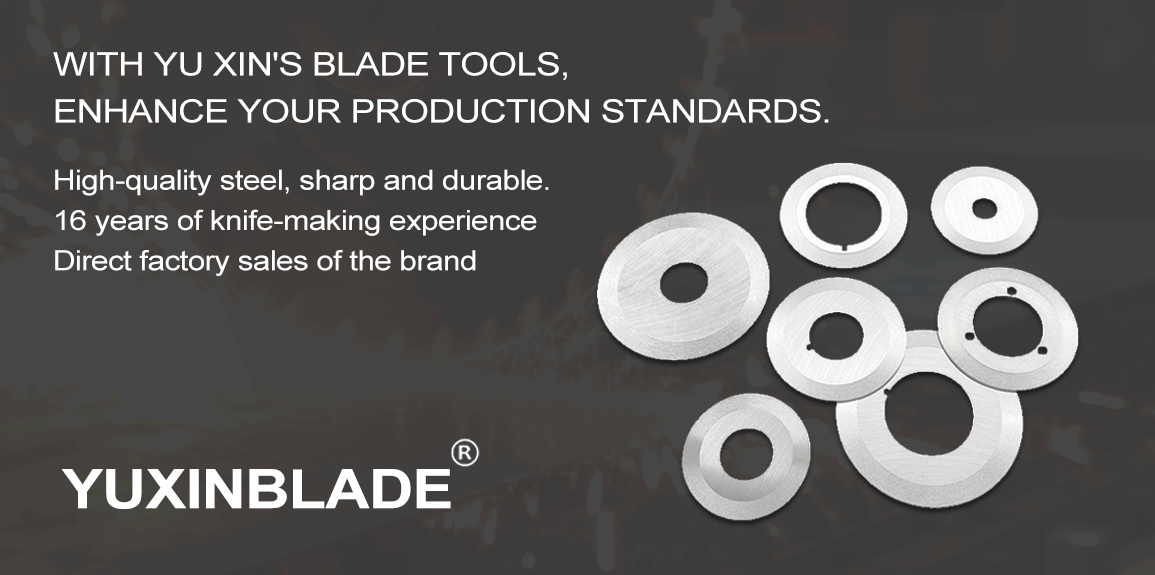
Product Name: High-Speed Steel (HSS ) Slitting Circular Blades
Material:
- High-speed Steel (HSS): This is the core material of such blades. Commonly used grades of high-speed steel include: W6Mo5Cr4V2: This is a tungsten-molybdenum type general-purpose high-speed steel, equivalent to the M2 steel in the United States; W18Cr4V: A tungsten type high-speed steel, equivalent to the T1 steel in the United States.
- Other tool steels: In certain specific applications or due to cost considerations, other types of tool steels may also be used, such as: 9CrSi: alloy tool steel, Cr12MoV: high-carbon high-chromium cold working die steel, SKD-11.
Size:
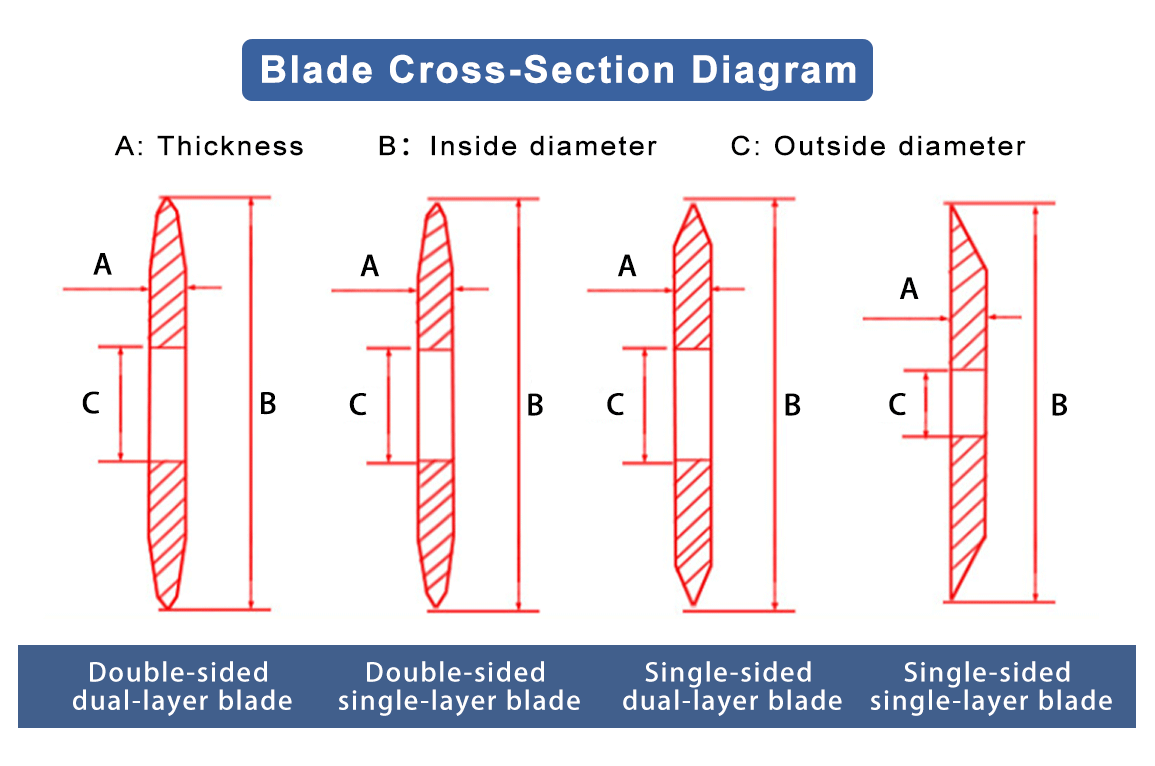
- Outer Diameter (D) Range: The common diameters vary widely. The smaller ones include Φ61mm, Φ68mm, Φ70mm, etc.; the medium-sized ones include Φ100mm, Φ105mm, Φ110mm, etc.; and the larger ones include Φ200mm, Φ300mm, Φ500mm, etc.
- Thickness (B) range: The thickness varies significantly. The thinner ones are 0.5mm, 1mm, 1.2mm, 1.5mm, and 2mm; the thicker ones range from 3mm to 20mm, etc.
- Inner hole (d) diameter: Common inner hole diameters include Φ25.4mm (1 inch), Φ40mm, Φ50mm, Φ60mm, Φ66mm, etc., which are used to be fixed in conjunction with the cutting machine shaft.
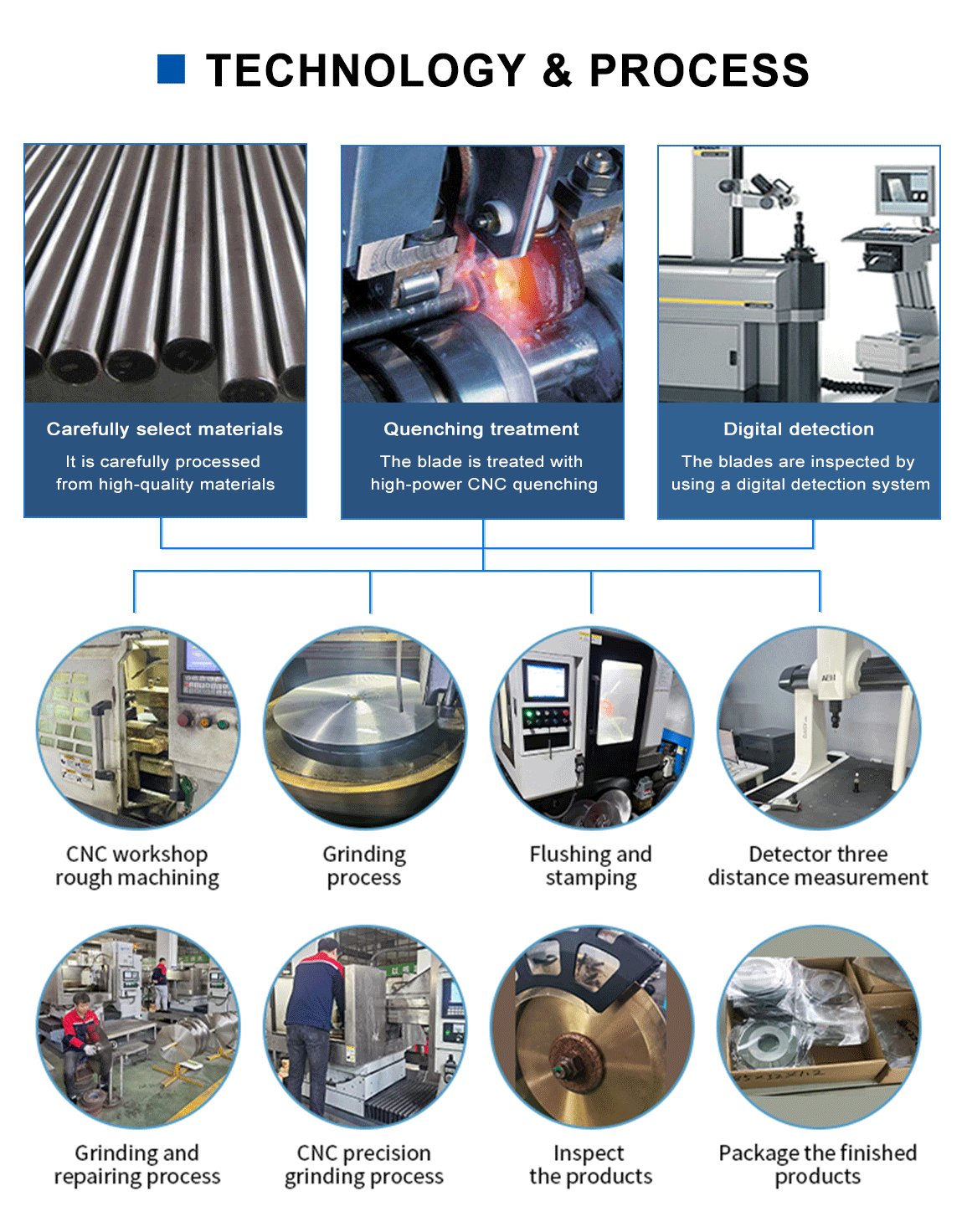
Process: The tool blanks are formed by using precision forging and other technologies; they are quenched and tempered through vacuum heat treatment; and then precision grinding is carried out.
Features:
- High hardness and wear resistance: After undergoing proper heat treatment, the hardness of high-speed steel blades can typically reach HRC 58-65. 。 This enables it to have excellent wear resistance and a long service life, making it particularly suitable for high-speed continuous cutting operations.
- Excellent thermal stability (red hardness): This is one of the most notable features of high-speed steel. Even when the cutting temperature exceeds 600℃, its hardness does not significantly decrease, enabling it to maintain continuous cutting ability and is suitable for the high-temperature environment generated during high-speed slicing.
- Precise cutting capability: The blade edge can be sharpened to an extremely sharp state and achieve high precision (sometimes even requiring micrometer-level precision), ensuring smooth cutting, flat and smooth cuts without burrs, and meeting the requirements for high-precision slicing.
- Excellent toughness: Compared to hard alloys, high-speed steel has better impact resistance and toughness, and is more resistant to blade chipping to a certain extent.
- Higher cost-effectiveness: Although the wear resistance and service life may not be as good as those of carbide blades, the manufacturing cost of high-speed steel blades is relatively lower, offering excellent cost-effectiveness and making it an economical choice for many application scenarios.
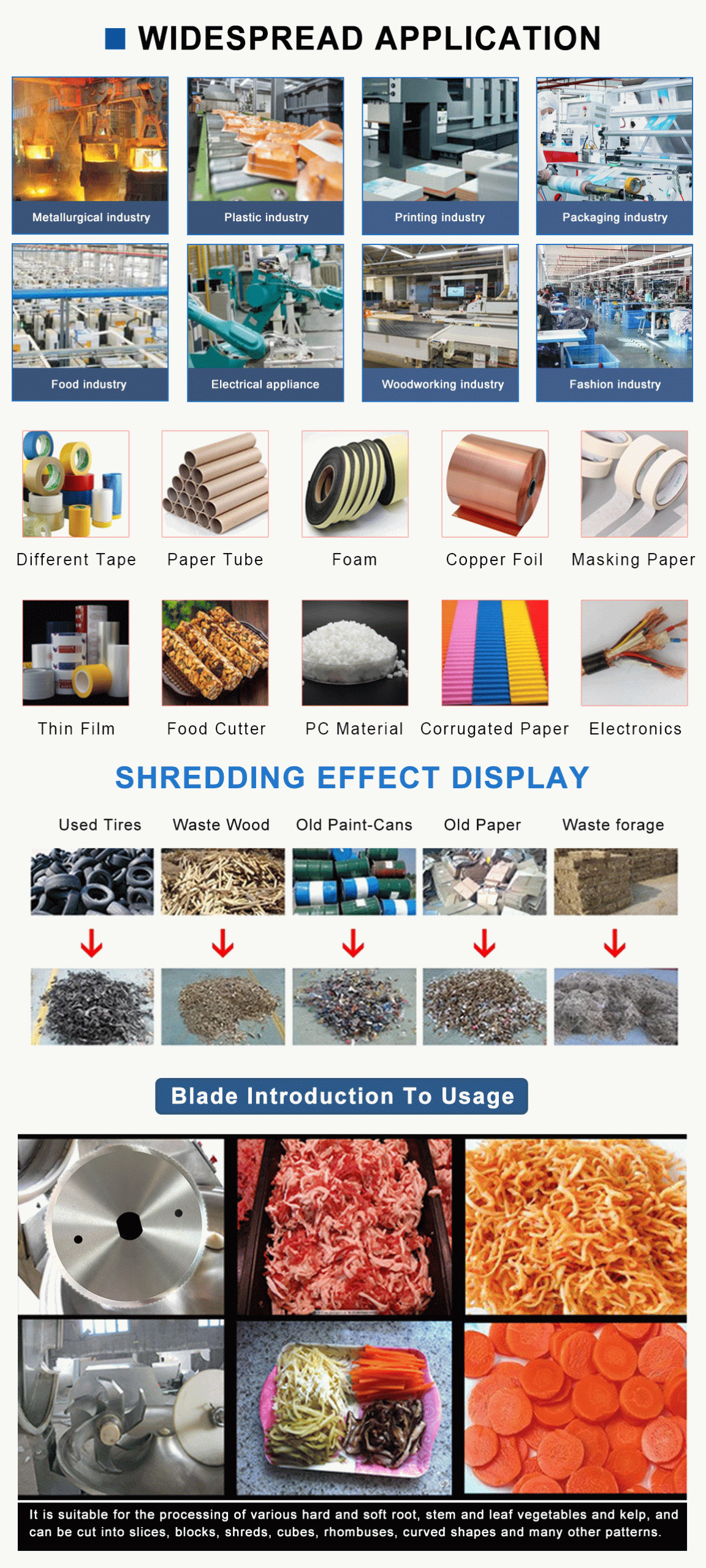
Application Scenario: High-speed steel cutting round blades are widely used and cover numerous industries that require processing of sheet materials:
- Paper and Printing Industry: Slitting newsprint, coated paper, kraft paper, whiteboard paper, cigarette paper, etc.
- Plastic and Film Industry: Cutting various plastic films and composite packaging materials such as BOPP, CPP, PET, and PVC.
- Metal foil processing: Cutting precision metal materials such as gold, silver, copper, and aluminum foil, with high precision and cleanliness requirements.
- Adhesive tape and magnetic tape: Used for the cutting of various adhesive tapes (such as BOPP tapes), magnetic tapes. High precision and quality of the cuts are required.
- Non-woven fabric and textile industry: Cutting non-woven fabrics, fabrics, synthetic fibers, etc.
- Other fields: such as the cutting of electronic materials (such as capacitor films), medical materials, food packaging materials, etc.
Selection suggestions: • Based on the processing material: For cutting ordinary paper and films, common high-speed steel (such as M2) can be selected; for cutting materials with high strength, high abrasion resistance or high precision requirements (such as metal foil, high-strength chemical films), more superior high-speed steel or carbide blades can be considered.
- Confirm specifications and accuracy: Based on the model of the shearing machine and the shearing requirements, determine the key specification dimensions such as the outer diameter, inner hole diameter, and thickness of the required blades, as well as the corresponding accuracy levels (such as thickness tolerance, parallelism).
- Consider non-standard customization: For special materials, unique dimensions or higher performance requirements, we support custom production based on provided drawings and samples.
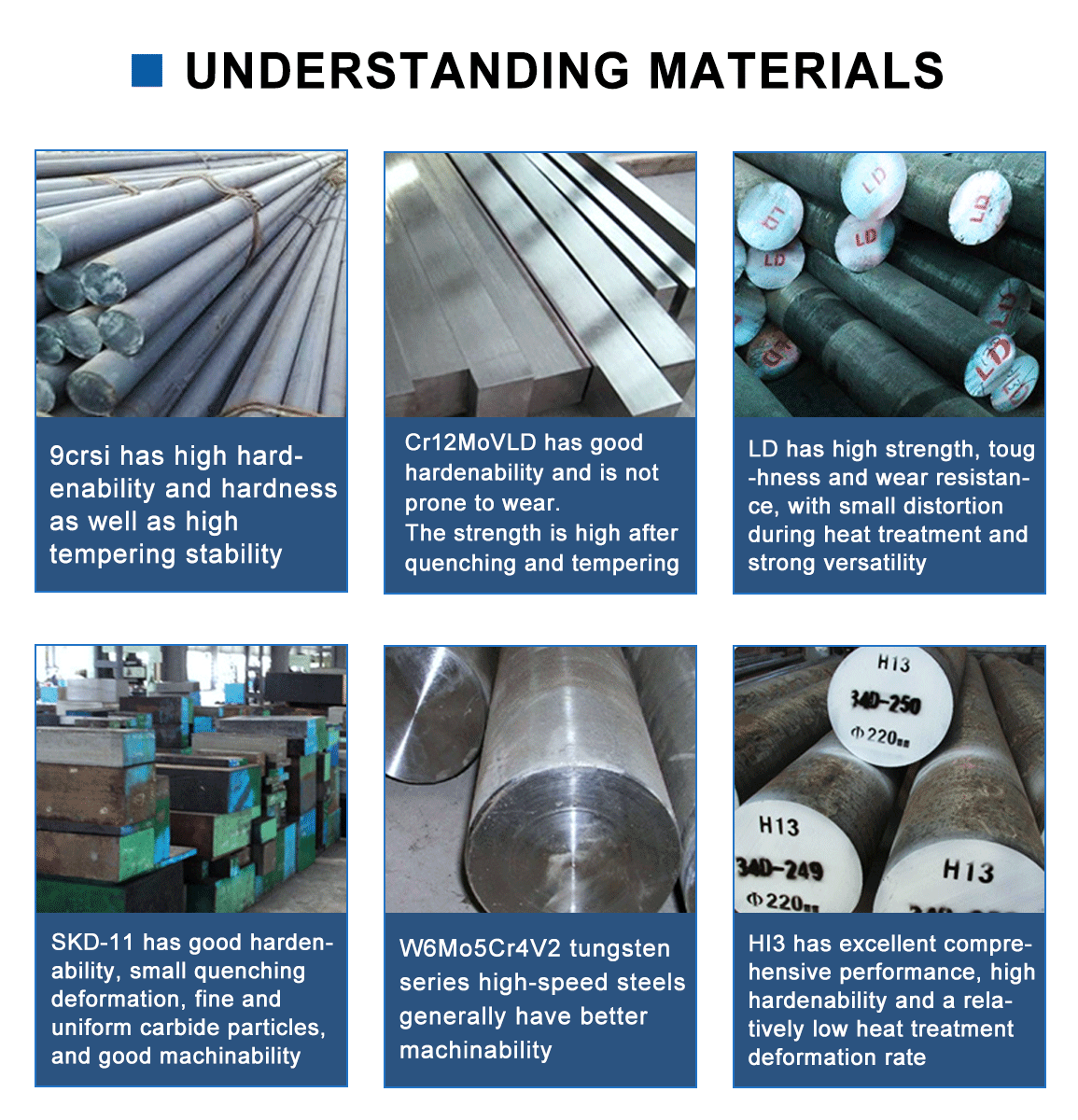
We Are Here to Help: Choosing the right material is complex. As a factory, we have the expertise to guide you. We offer custom blade solutions and can advise on the optimal material, heat treatment, and geometry for your specific application.
Contact us today for a personalized recommendation and quote. Let our manufacturing expertise solve your cutting challenges.
Reviews
There are no reviews yet.