
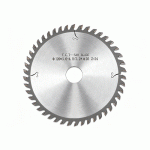
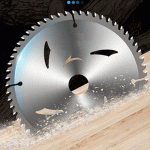
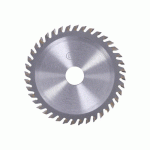
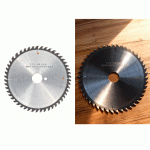
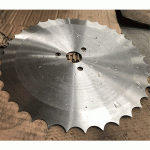
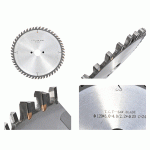

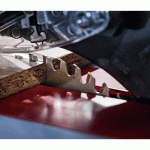
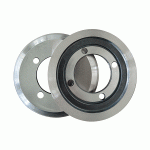
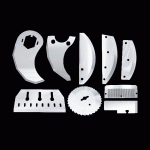
Supplier Woodworking Saw Blade Hard Alloy Industrial Circular Cutting Knife


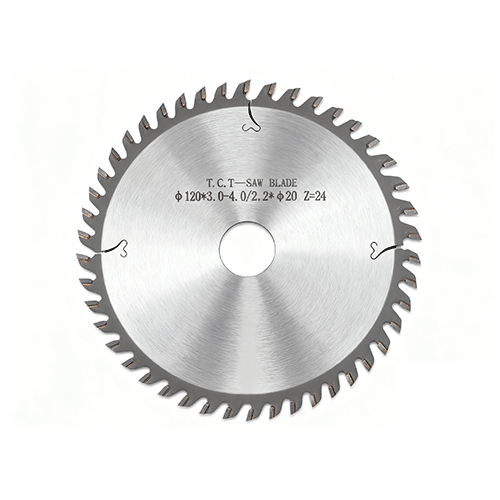
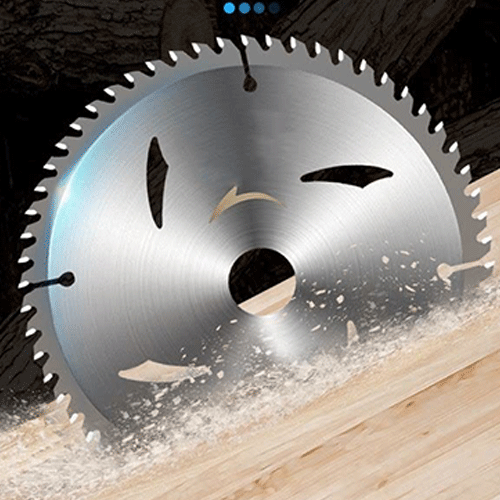
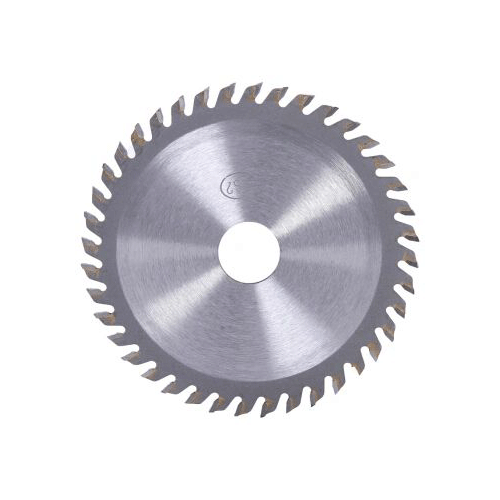
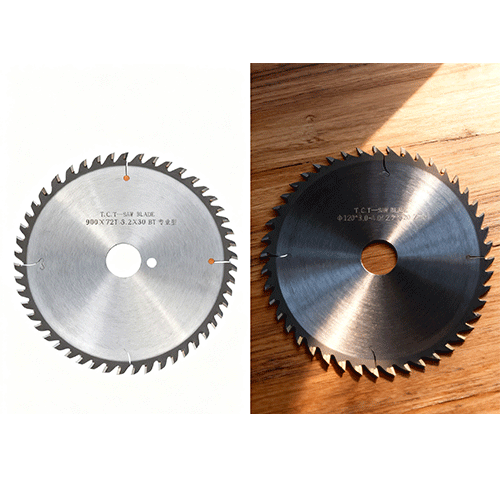
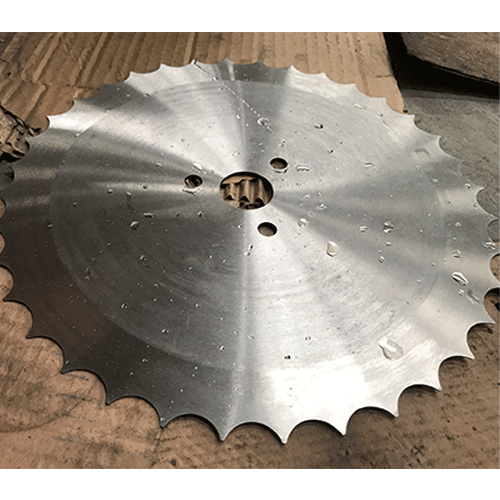
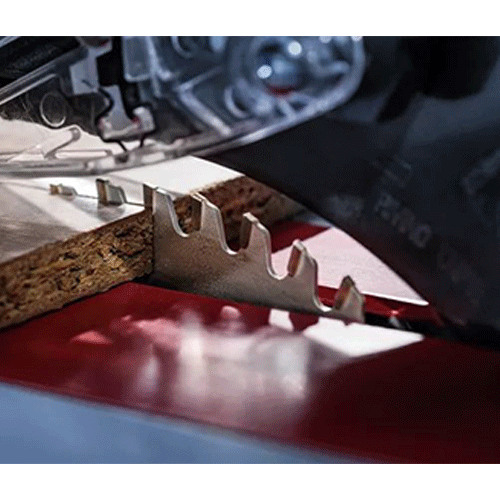
Products :Wood saw blades, also known as woodworking saw blades, are circular cutting tools specifically designed for cutting wood and artificial boards. They are usually installed on power circular saws, table saws, woodworking machinery and other equipment, and perform longitudinal cutting, cross-cutting, slotting and other processing on wood through high-speed rotation. Their performance directly affects cutting efficiency, cut surface quality and processing costs.

Product Name: Woodworking saw blade / circular saw blade for wood
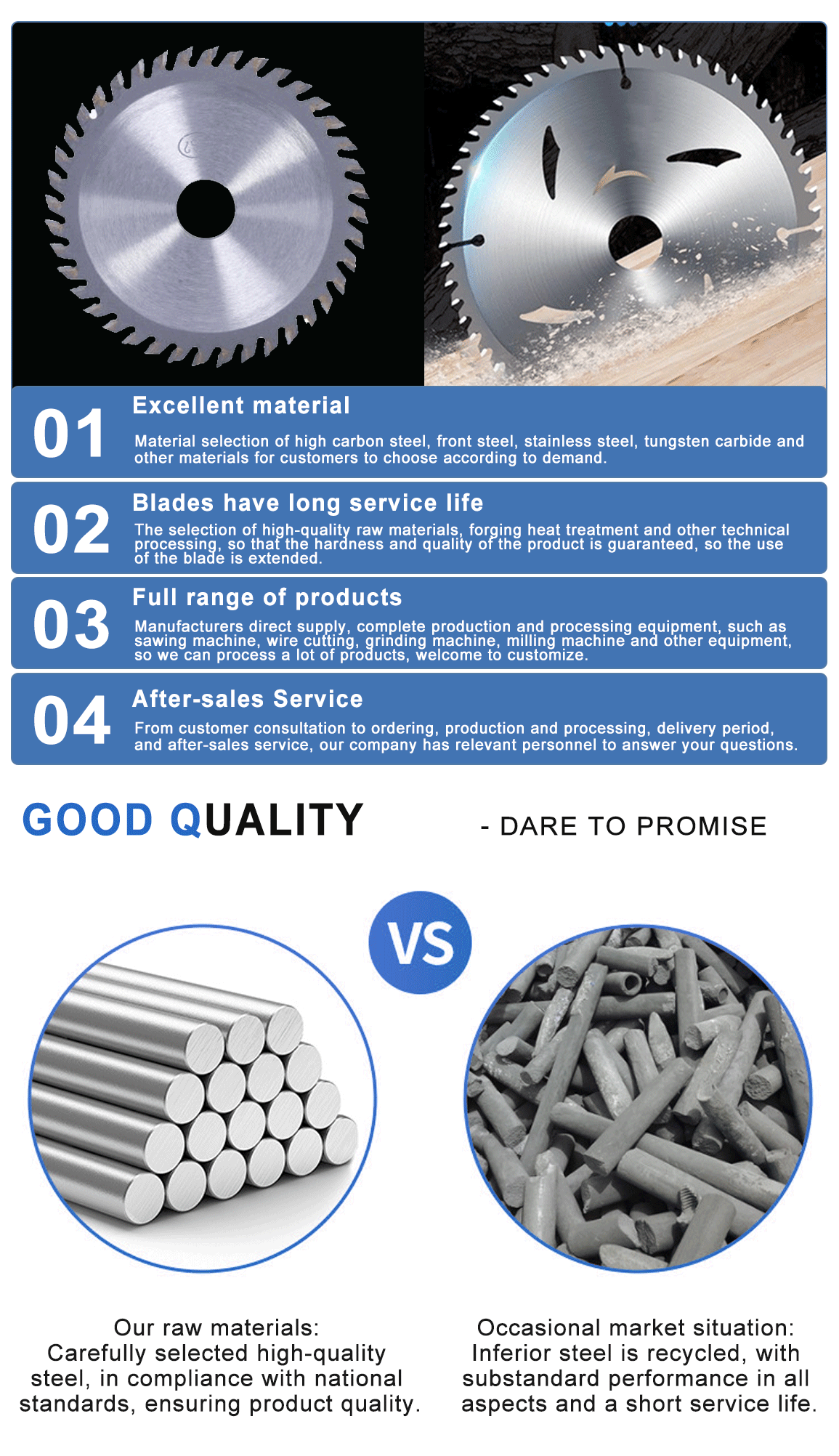
Material: The material of wood saw blades can mainly be divided into the base material and the tooth material. :
- Base material: Typically, carbon tool steel is used, such as T9 and T10 (with carbon contents of 0.9% and 1.0% respectively), to ensure the strength and toughness of the base.
- Toothed material:
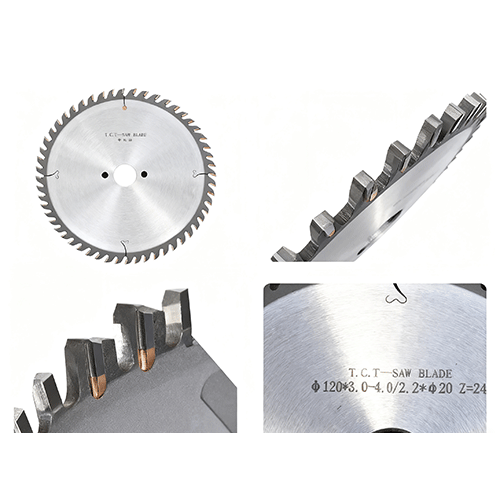
- Cemented carbide: The most common type is tungsten-cobalt (YG type), such as YG8 and YG15. The numbers represent the percentage of cobalt content. The higher the cobalt content, the better the impact resistance, but the hardness and wear resistance slightly decrease. This is currently the mainstream choice for woodworking saw blades, with good wear resistance and long service life.
- High-speed steel (HSS): Used in certain specific situations or for low-load processing.
- Diamond: PCD (Polycrystalline Diamond) cutting discs, suitable for applications demanding high strength and high wear resistance, such as cutting high-density boards and composite boards containing wear-resistant materials, with extremely long service life.
Size: The size parameters of wood saw blades vary. They need to be selected based on the model of the equipment and the processing requirements.
- Outer Diameter (D): Common specifications include 110, 125, 140, 150, 160, 180, 205, 230, 255, 280, 305, 355, 405, 455 (in mm). The larger the outer diameter, the deeper the cutting ability usually is.
- Thickness (B): Commonly ranging from 1.0mm to 5.5mm (such as 1.0, 1.2, 1.6, 1.8, 2.0, 2.2, 2.4, 2.6, 2.8, 3.0, 3.5, 4.0, 4.4, 5.0, 5.5mm). The thickness affects the width of the saw groove and the stability of the saw blade.
- Diameter (d): Common sizes include 25.4mm (1 inch) and 30mm, which are used to fix the aperture in alignment with the main shaft of the device.
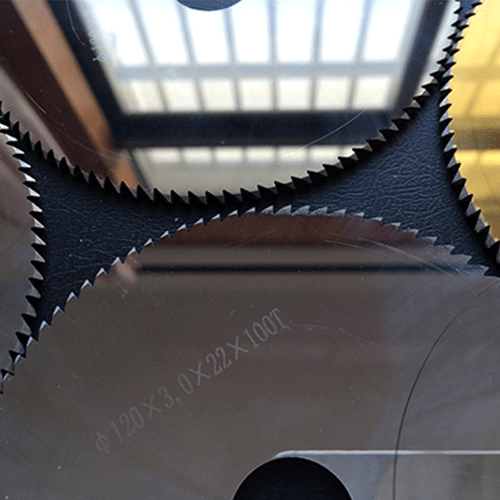
- Number of teeth: Usually ranging from 20 to 120 teeth. Fewer teeth result in faster chip removal and higher efficiency, making them suitable for rough machining; more teeth lead to a smoother surface but slower cutting speed, making them suitable for precision machining.
Features: High sharpness and precise tooth profile: The tooth profile of the saw blade is diverse (such as left-right teeth, flat teeth, and stepped flat teeth), to meet different cutting requirements. The cutting edge is precisely ground to ensure smooth cutting, a smooth surface, and no burrs.
- Excellent wear resistance: The teeth made of hard materials such as tungsten-cobalt (YG8-YG15) have excellent wear resistance and a long service life.
- Rigidity and Stability: The base material is typically manufactured through special processes (such as circular rotating cone roller lathe processing for the weft direction), ensuring uniform stress distribution during high-speed rotation, excellent rigidity, and resistance to deformation, thereby guaranteeing cutting accuracy.
- Targeted Design: For different types of wood (such as solid wood, particle board, and density board) and cutting requirements (such as rough processing and fine processing), there are corresponding designed saw blades. For example, the left and right teeth are suitable for efficient cutting, and the inclined and flat teeth help reduce the cracking of the veneer.

Application Scenario: Wood saw blades are widely used in:
- Wood processing: Cutting various hardwoods and softwoods.
- Processing of artificial boards: Cutting, processing and trimming of particleboard, density board (medium-density board), multi-layer board, plywood, and melamine veneer.
- Specialized field: For example, the multi-piece saw for logs is used to process logs into multiple sheets of boards at one time.
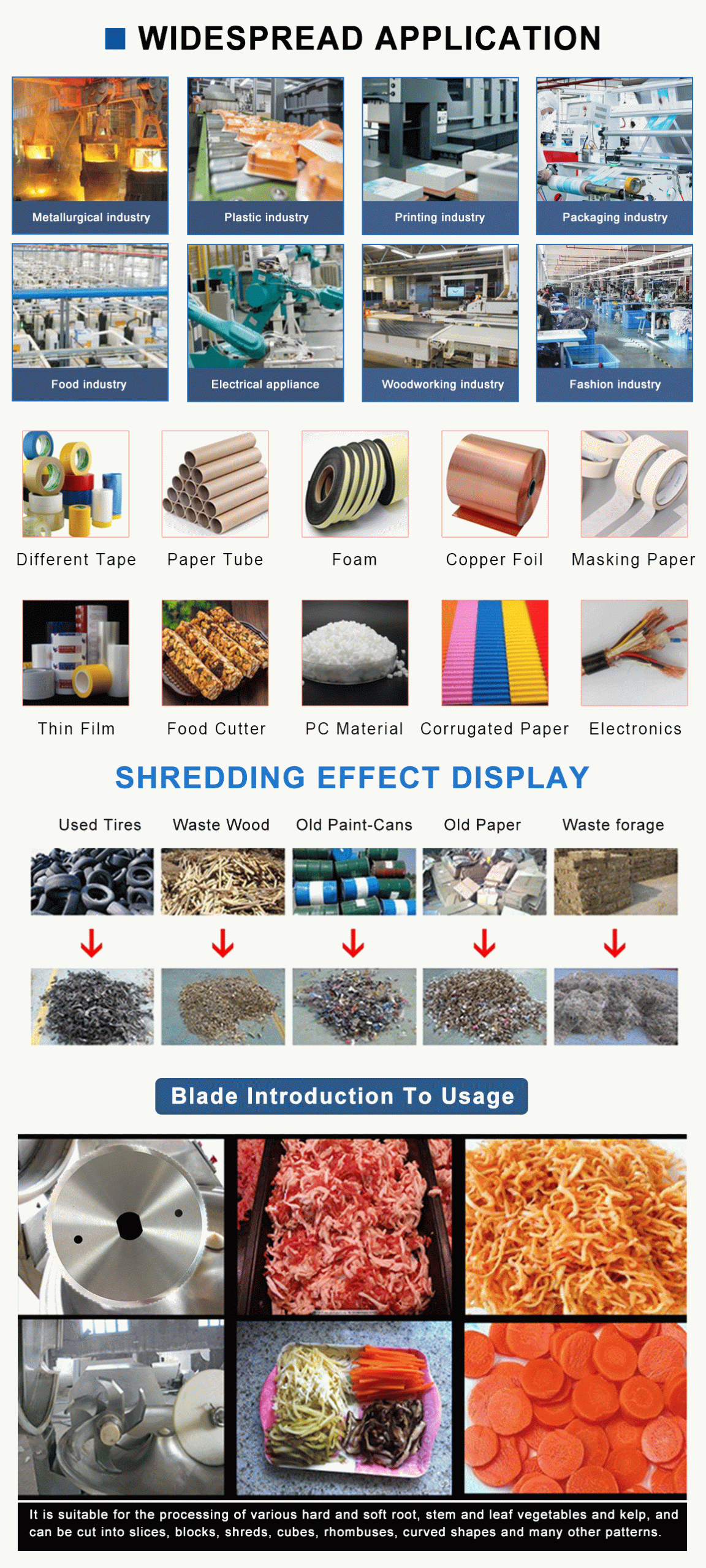
Introduction To Other Blade Types:
Introduction to Stone Saw Blades (Stone Cutting Blades)
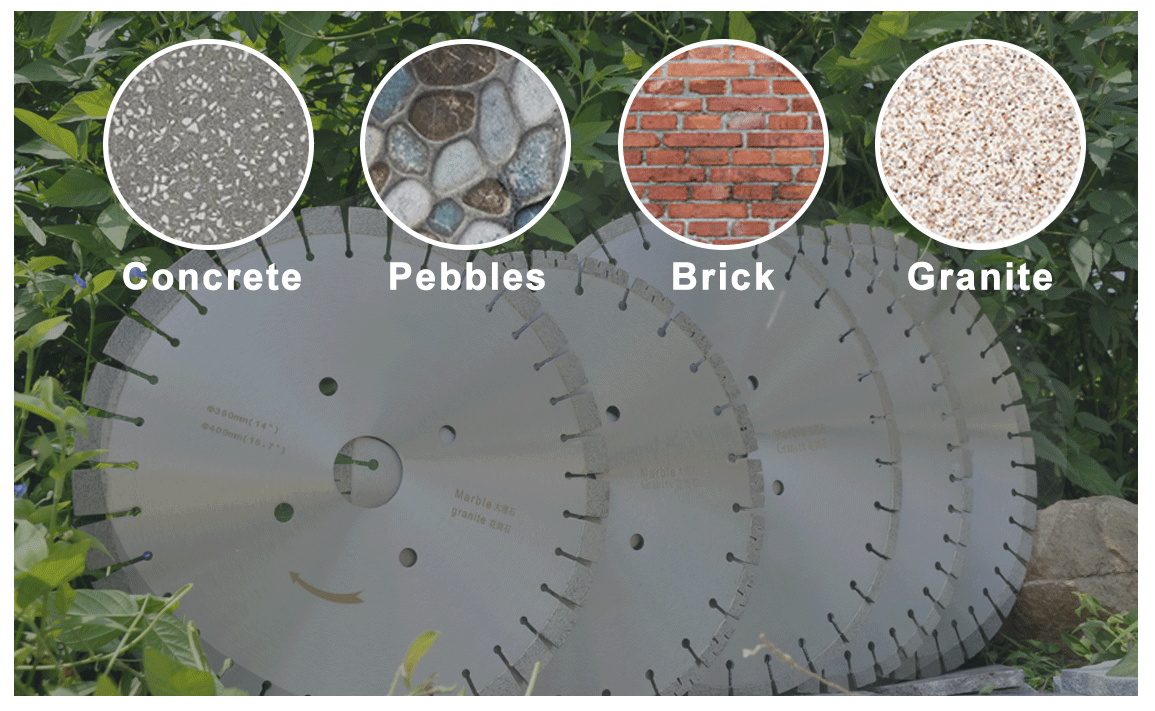
Stone saw blades are specially designed for cutting hard and brittle materials such as stone and concrete. Their design is significantly different from that of wood saw blades.
- Material: The cutting part is mainly made of diamond as the abrasive (hence it is often simply referred to as diamond saw blade). It is fixed onto the alloy steel substrate (commonly using materials such as 50Mn2V, 75Cr1, 65Mn, etc.) through electroplating, sintering or brazing methods. Diamond is currently the hardest known substance, with a Vickers hardness of up to 10,000 HV.
- Characteristics :
Extremely high hardness and wear resistance: Specifically designed for grinding and cutting hard stones.
Requires cooling: During cutting, water cooling is usually necessary to lower the temperature of the saw blade, reduce dust, and extend its lifespan. (Some designs are also available for dry cutting, but this requires strict time control.)
- Tooth Design: Common types include continuous edge teeth (used for tiles and marble), turbine teeth (used for granite and concrete), and segmented teeth (segmented design, facilitating chip removal and cooling, and the most widely used).
- Application: Widely used for cutting, slotting and smoothing of materials such as marble, granite, concrete, asphalt, refractory bricks and tiles.
- Size: The size range of stone saw blades is quite extensive. The outer diameter can vary from a small blade of ∮200mm to a large blade of ∮3500mm or even larger (used for mining and extracting raw materials from mines).
- Purchase Tips :
Select saw blades with different diamond concentrations and binders based on the hardness and abrasiveness of the stone.
Be clear whether it is dry cutting or wet cutting.
Match the power and speed of the saw machine.
Selection suggestions:
Based on the type of material used for processing:
- Solid wood, ordinary engineered wood: Optional universal hard alloy cutting discs (such as YG8).
- Paneling and fireproof board: It is advisable to use serrated teeth or saw blades with a negative rake angle to reduce edge chipping.
- High-strength and highly wear-resistant materials: Consider using diamond saw blades.
- According to the equipment and speed: Ensure that the outer diameter of the saw blade, the hole diameter, and the maximum allowable speed match your equipment.
Number of teeth selection:
- Rough processing, efficient cutting: Select saw blades with fewer teeth (such as 24-60 teeth) to achieve rapid chip removal.
- Fine processing, requiring smooth cutting surface: Select saw blades with a larger number of teeth (such as 80-120 teeth).
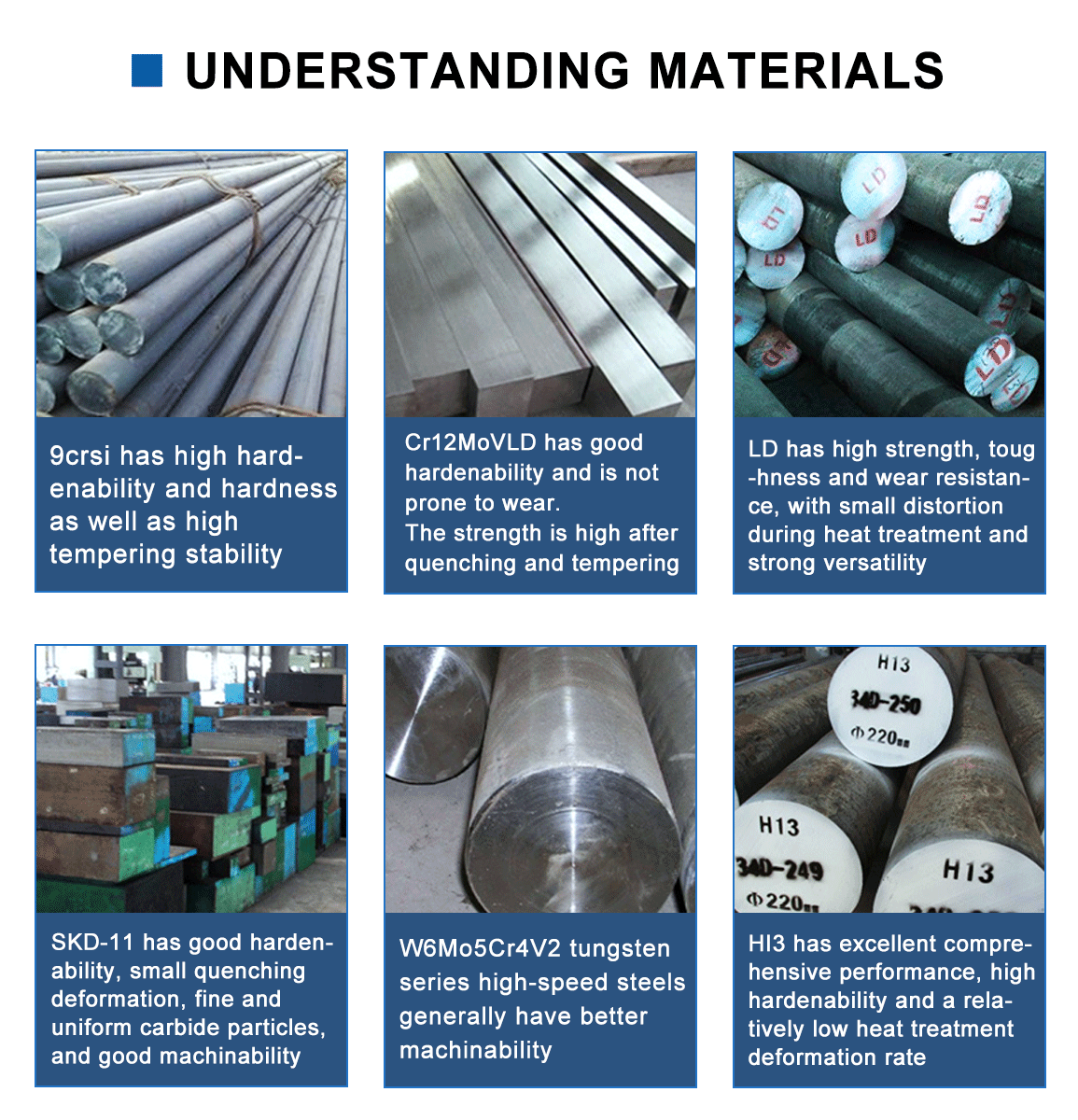
We Are Here to Help: Choosing the right material is complex. As a factory, we have the expertise to guide you. We offer custom blade solutions and can advise on the optimal material, heat treatment, and geometry for your specific application.
Contact us today for a personalized recommendation and quote. Let our manufacturing expertise solve your cutting challenges.
Reviews
There are no reviews yet.