
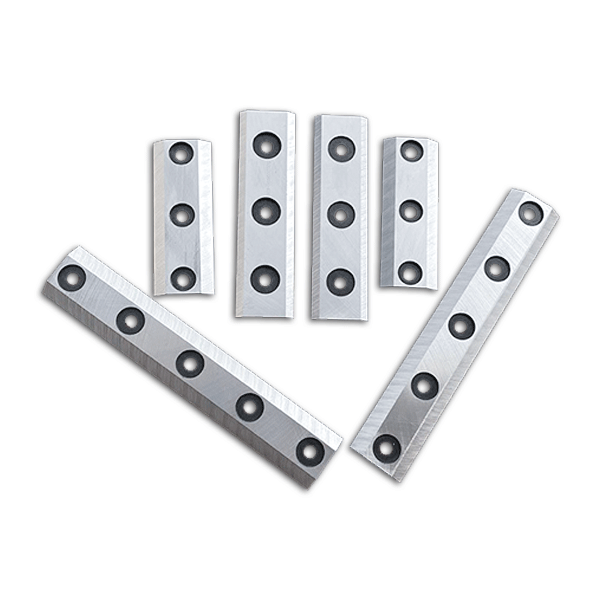
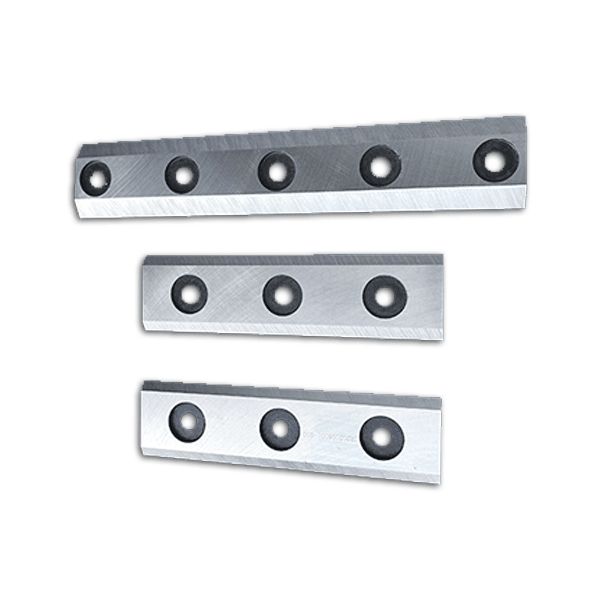
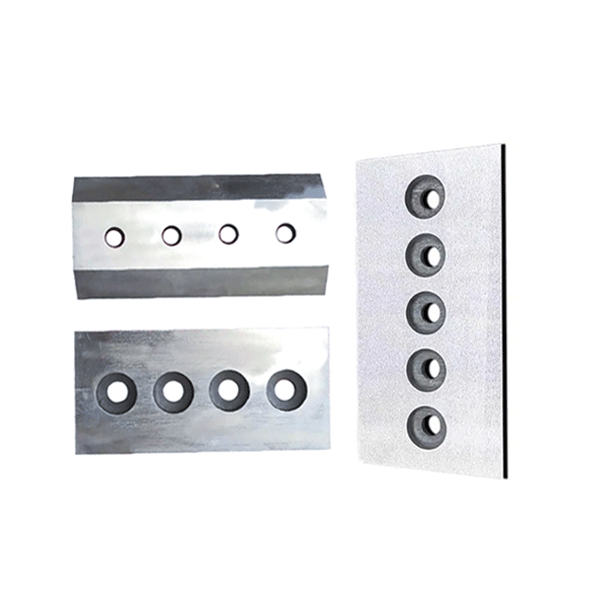
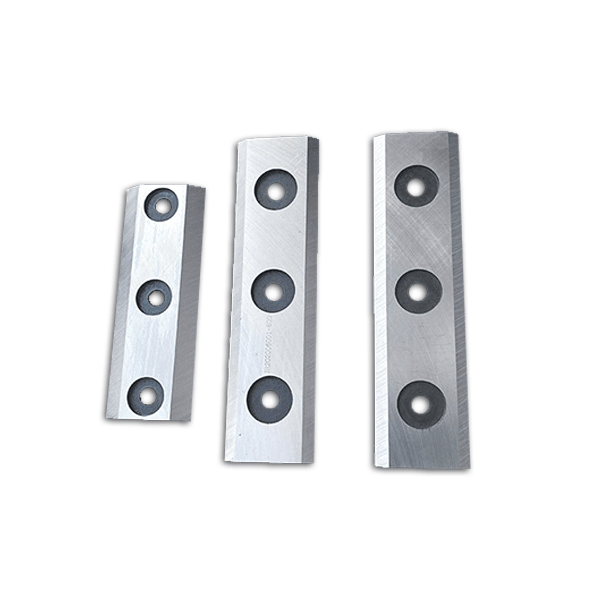
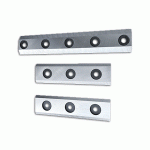
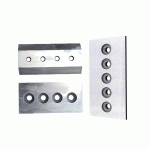
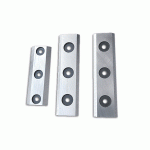
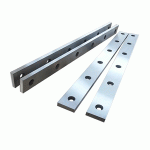
Wood Branch Shredder Blades / Wood Chipper Knife Material


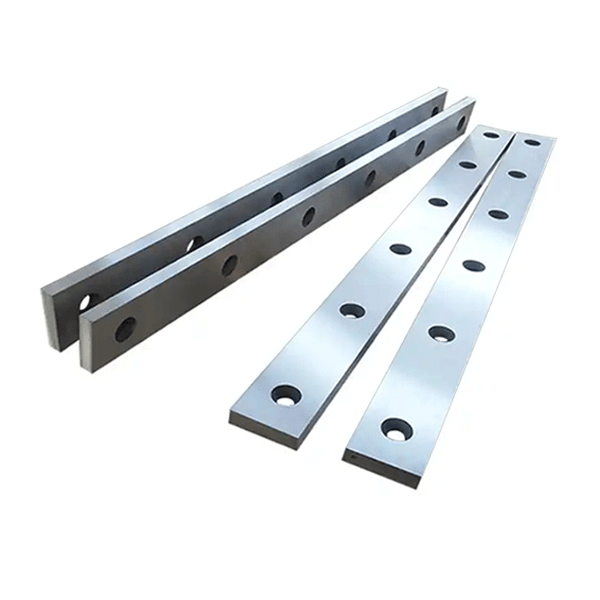
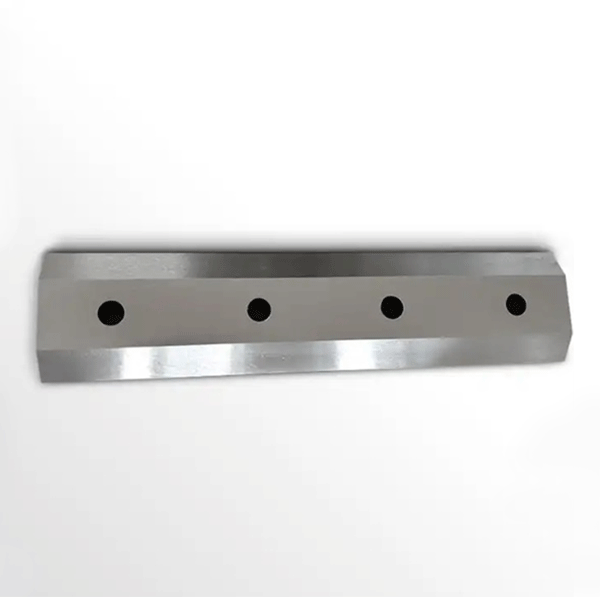
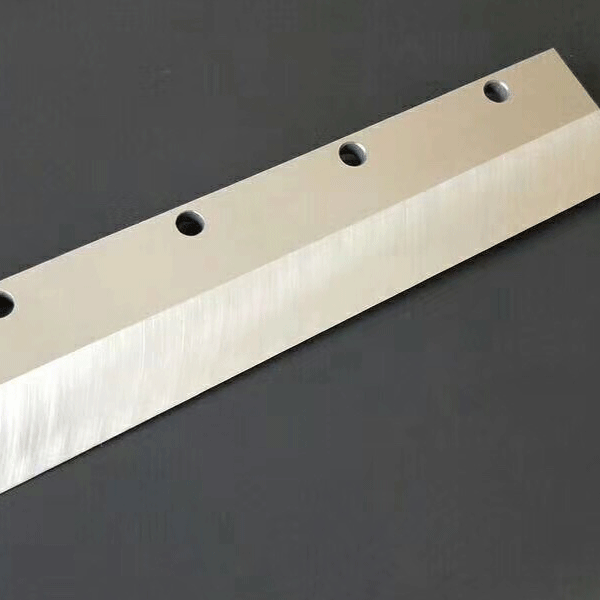
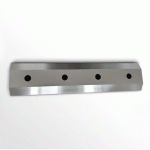
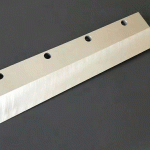
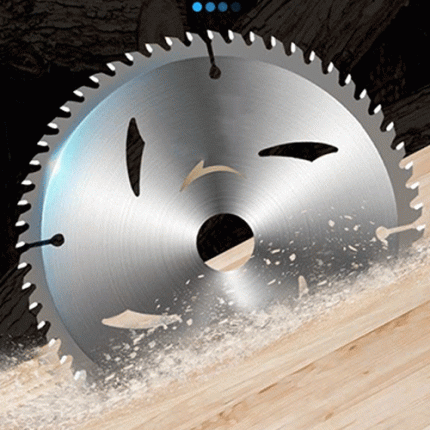
Products :The Wood Branch Shredder Blades is a crucial component in tree chip cutting equipment, responsible for cutting and crushing. It is usually composed of multiple blades, forming a staggered array of blades. Through high-speed rotation, it impacts, cuts, and rubs against materials such as branches and tree trunks, breaking them into fine fragments or wood chips, thereby reducing waste and utilizing resources. The design and manufacturing quality of the blades directly affect the crushing efficiency and output fineness of the chipper, and are widely used in landscaping, forestry management, and agricultural waste treatment fields.
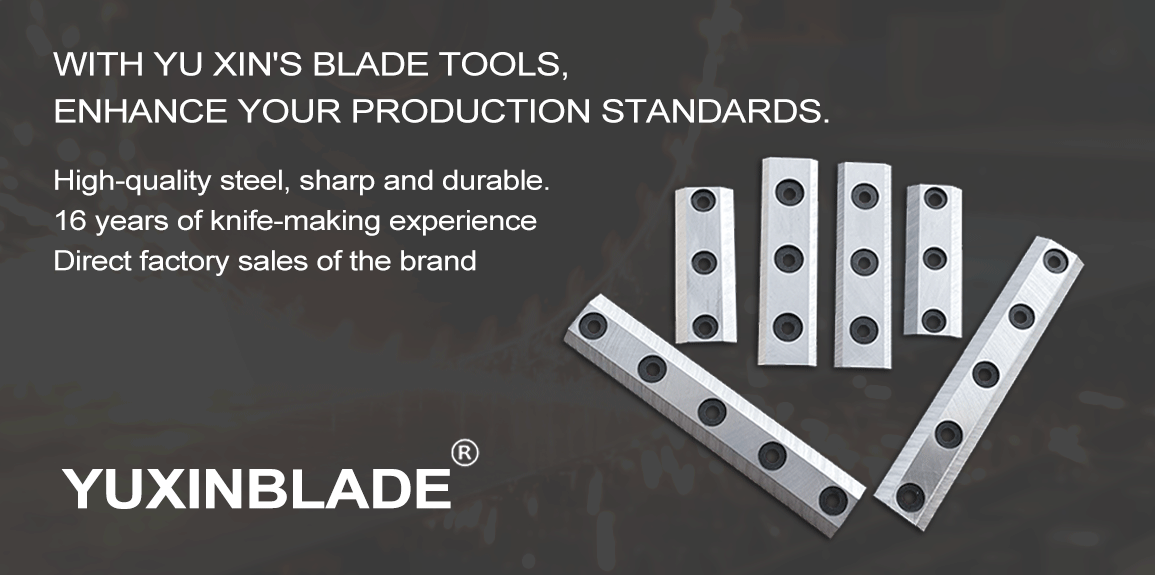
Product Name: Wood Branch Shredder Blades / Wood Chipper Knife Material
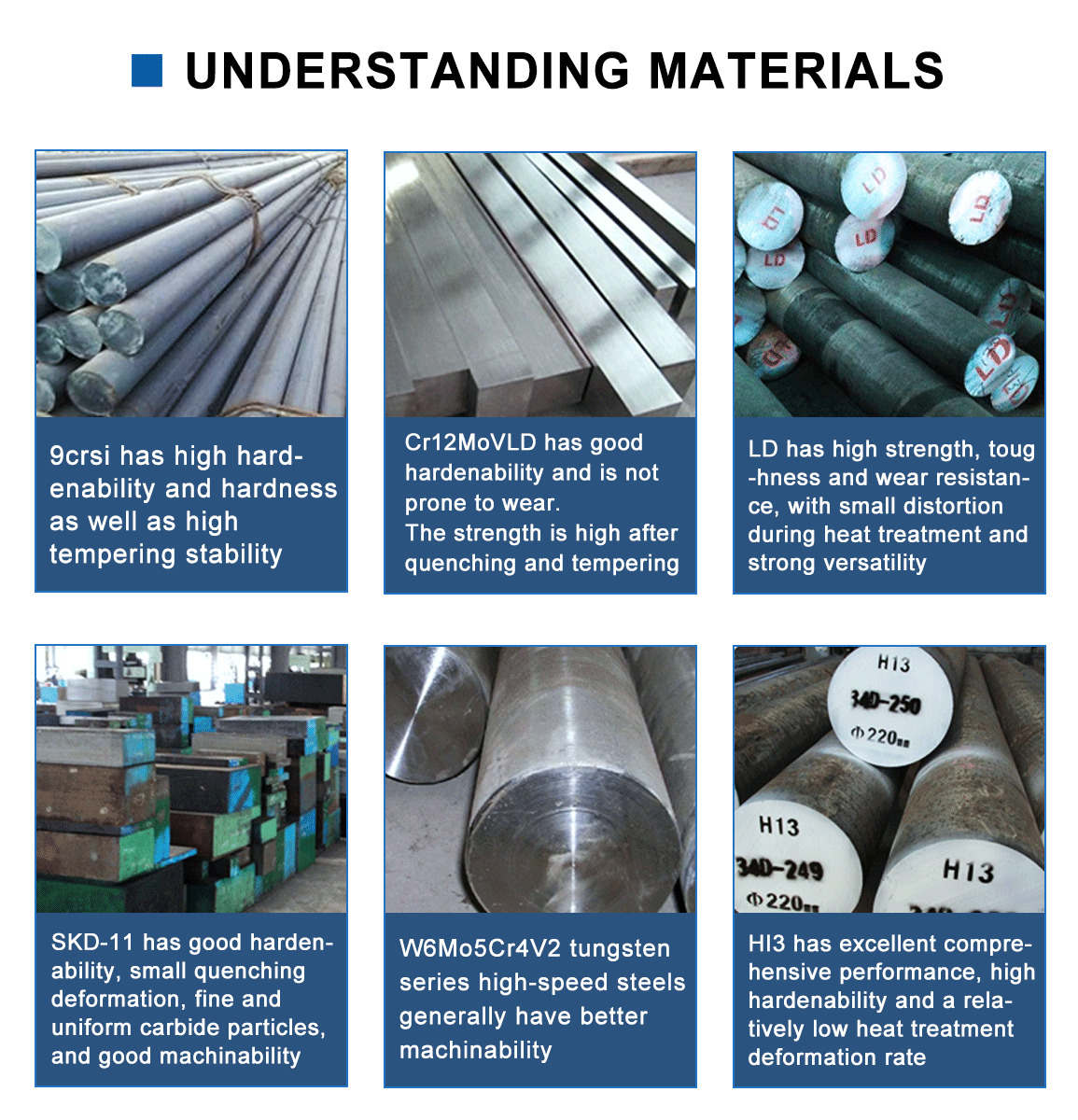
Material: The materials include high hardness alloy steels such as SKD-11, T10, high-speed steel (HSS), 6CRW2SI, CR12MOV, cemented carbides, LD, cast steel, H13, W18CR4V, A8, tungsten steel, etc.
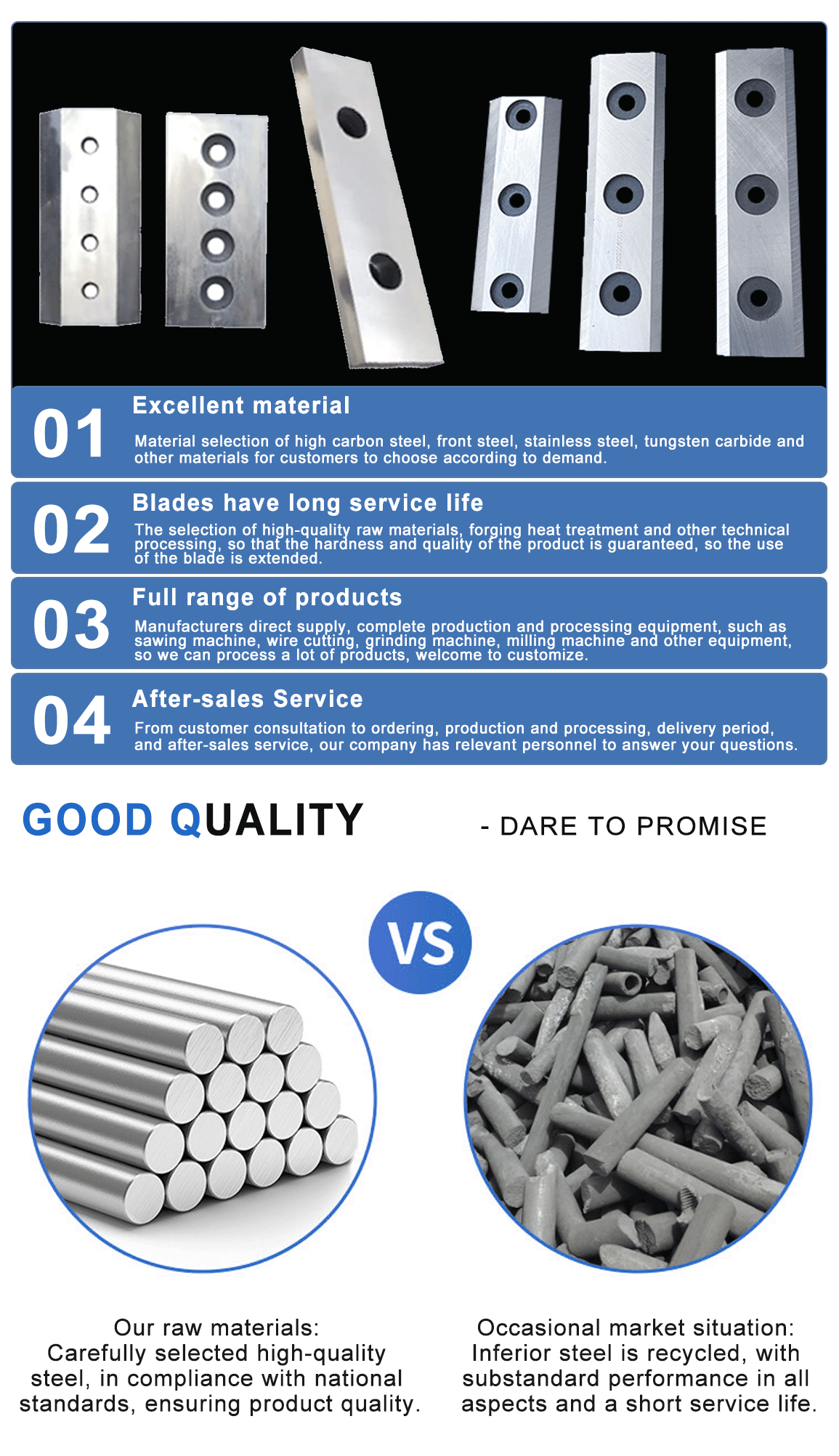
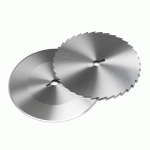
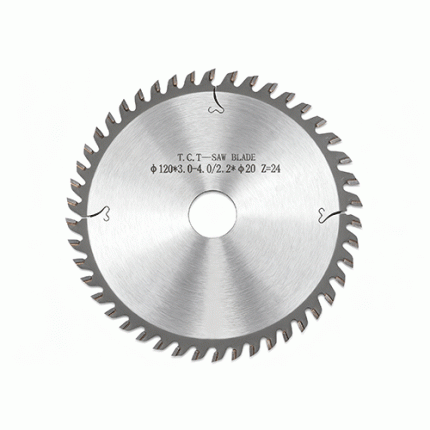
Size: There are two types: serrated teeth and straight teeth.
- For household/light use: The thickness of the blade is usually 2 – 3 millimeters, and the length is usually 300 – 400 millimeters;
- For industrial grade: The thickness of the blade is usually 4 millimeters, and the length is between 800 – 1200 millimeters, or even longer.
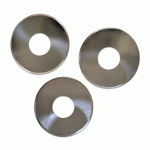
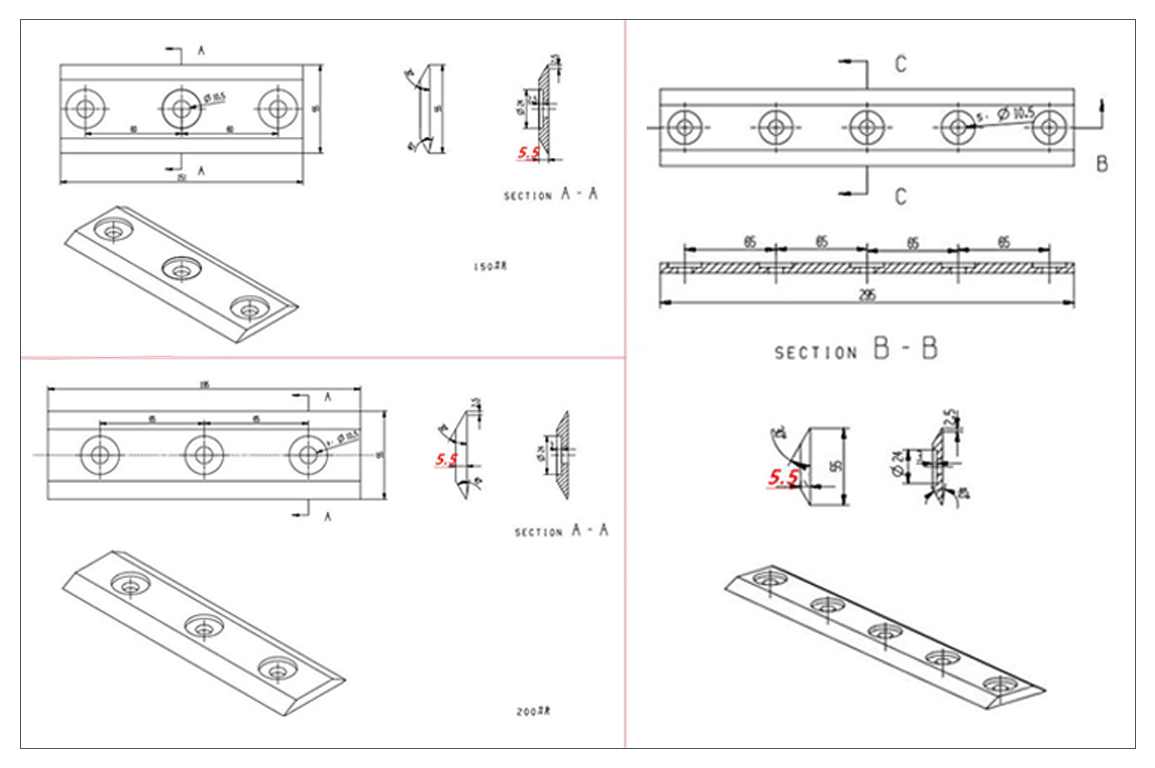
Common size parameters should include the diameter of the blade disc, the length of the blade, the thickness of the blade, and the number of blades. Customization by drawing is also available for non-standard sizes.
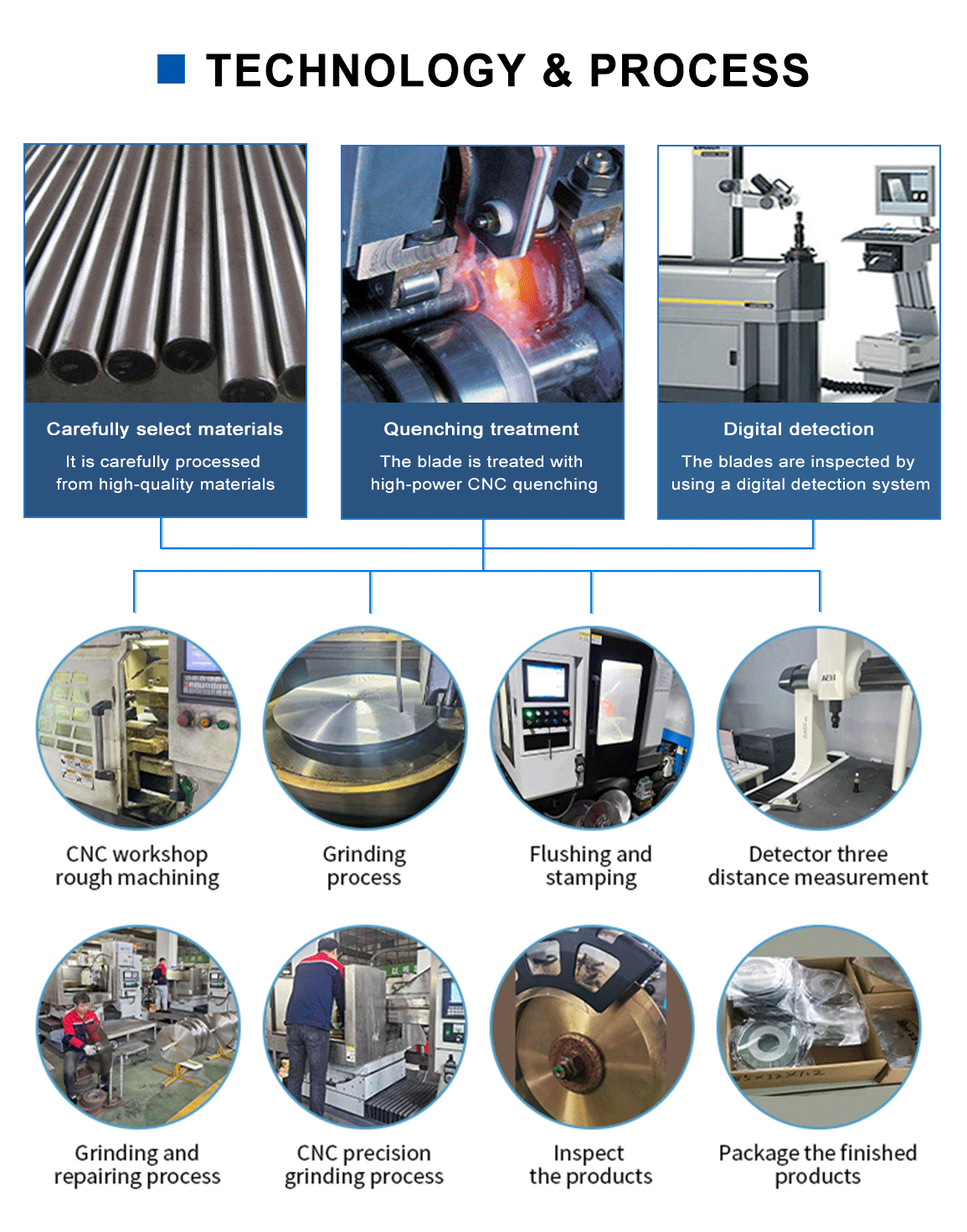
Process: High-quality heat treatment (vacuum quenching and multiple tempering) significantly enhances the overall performance of the blades.
Features: High-quality tree chopper blades usually have the following characteristics:
- High hardness and wear resistance: Made by forging with high-hardness alloy steel and other materials, and undergoing special heat treatment on the surface, it possesses extremely high hardness and wear resistance. It can effectively resist the wear and impact from branches and other materials, thereby extending the service life.
- Excellent impact resistance and toughness: Good blade materials (such as alloy steel, high-speed steel) not only have high hardness but also possess good toughness. They can withstand the impact and pressure that may occur during the crushing process, preventing blade chipping or fracture.
- Reasonable structural design: The blades are composed of multiple pieces in a specific arrangement, which helps to enhance the crushing efficiency and ensure that the materials are thoroughly crushed.
- Easy installation and replacement: The design takes into account the convenience of maintenance. The blades are easy to install and can be replaced according to actual wear and tear, ensuring that the tree chopper always operates efficiently and stably.
Application Scenario:
- Forest waste disposal: This method is used to handle the branches, tree trunks, etc. that result from pruning, logging or natural disasters in forest areas. After being crushed, these wastes can be used to produce artificial boards and biomass fuels, among other things.
- Landscape maintenance: When garden workers are pruning trees and green belts, they generate a large amount of branches and leaves. The shredder blades can quickly break down these waste materials, making them easier to transport and for resource utilization (such as composting, organic mulching).
- Agricultural straw processing: It is used for crushing various types of agricultural straws such as corn stalks, cotton stalks, and sorghum stalks. The crushed materials can be used for returning to the soil, producing feed, or as biomass energy.
- Urban greening and sanitation: Manage the waste from the pruning of trees and plants in public areas such as parks, streets and squares, maintain environmental cleanliness, and promote waste reduction.
- Biomass energy production: Wood, branches and other biomass materials are crushed into particles or chips of a certain size, which are used as raw materials for power generation or the production of shaped fuels.
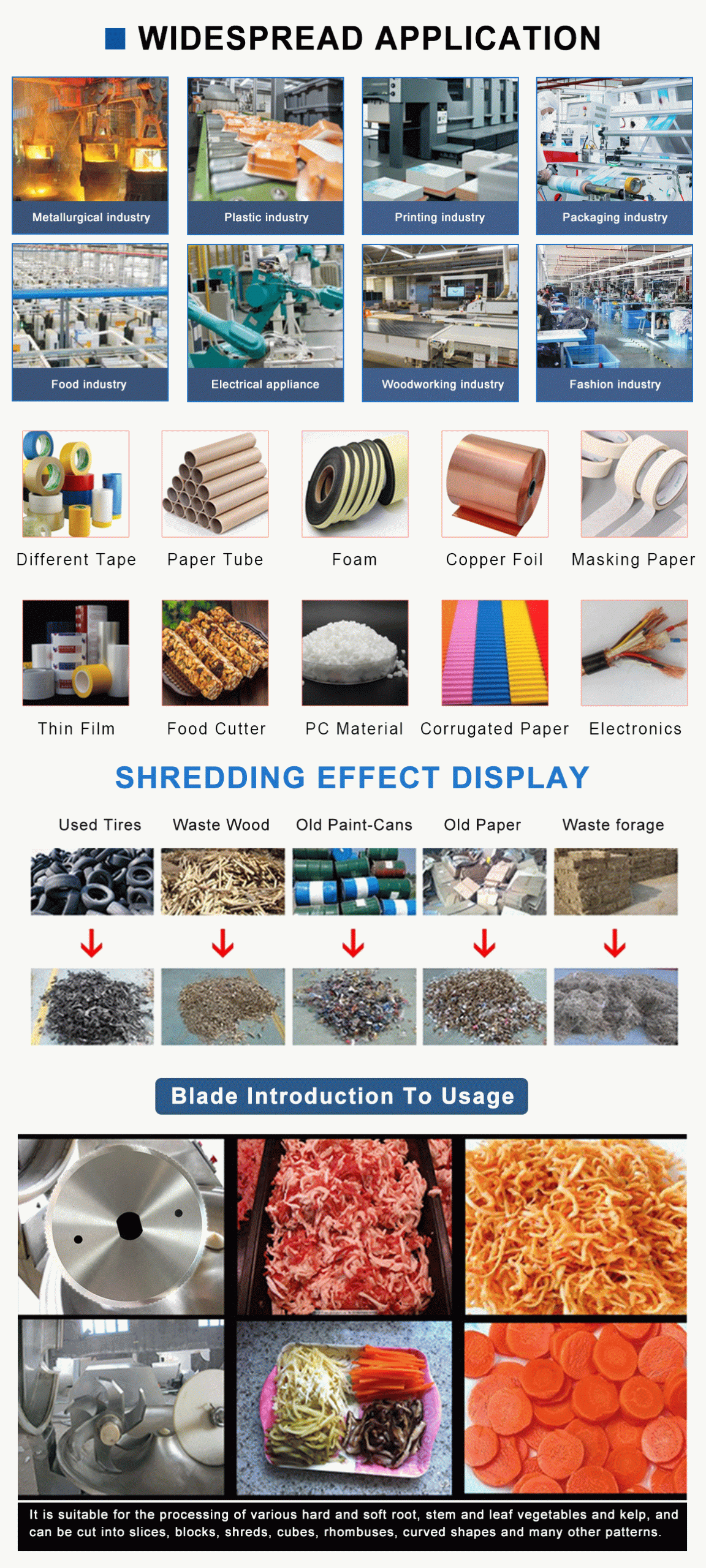
Selection suggestions: • Select based on material properties: For processing ordinary branches and straw, high-hardness alloy steel or high-speed steel can be chosen; for handling extremely hard or highly abrasive materials (such as hard wood, branches containing sand), hard alloy blades can be considered.
- Equipment compatibility is crucial: Make sure that the blades are fully compatible with your tree chopper brand and model, including the installation method, size (blade disc diameter, inner hole, blade length, etc.).
- Pay attention to heat treatment process: High-quality heat treatment can significantly enhance the overall performance of the blade. When purchasing, you can consult with the manufacturer.
- Consider customized services: For special equipment or unique processing requirements, Yuxin offers custom services based on provided drawings and samples.
To quickly compare the primary materials we offer, here is a summary table:
| Material Type | Typical Hardness (HRC) | Key Advantages | Limitations | Ideal For |
| High-Speed Steel (HSS) | 60-68 | Excellent toughness, good wear resistance, cost-effective. | Lower wear resistance than carbide, requires more maintenance. | General-purpose metalworking, woodworking, plastic cutting. |
| Tool Steel (e.g., SAE1095) | 58-62 (Hardened) | High strength, excellent wear resistance, good sharpness. | Less resistant to high temperatures than HSS or Carbide. | Springs, hand tools, scrapers, industrial cutters. |
| Carbide / Tungsten Carbide | 60-65 (Blades) | Exceptional hardness & wear resistance, high heat resistance. | Brittle, higher cost, complex manufacturing. | Hard materials, abrasive non-ferrous metals, high-volume production. |
| Stainless Steel | Varies (e.g., 420, 440) | Excellent corrosion resistance, durable, hygienic. | Generally not as hard as tool steels or HSS. | Food processing, medical instruments, wet environments. |
| Ceramic | N/A (Extremely Hard) | Superior edge retention, corrosion resistance, hygienic, lightweight. | Fragile, limited cutting capacity, higher cost. | Precision cutting in specific industries (e.g., textiles, packaging). |
We Are Here to Help: Choosing the right material is complex. As a factory, we have the expertise to guide you. We offer custom blade solutions and can advise on the optimal material, heat treatment, and geometry for your specific application.
Contact us today for a personalized recommendation and quote. Let our manufacturing expertise solve your cutting challenges.
Reviews
There are no reviews yet.