
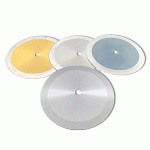
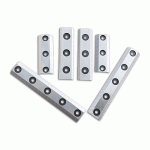
Stainless Steel Food-Grade Round Blades


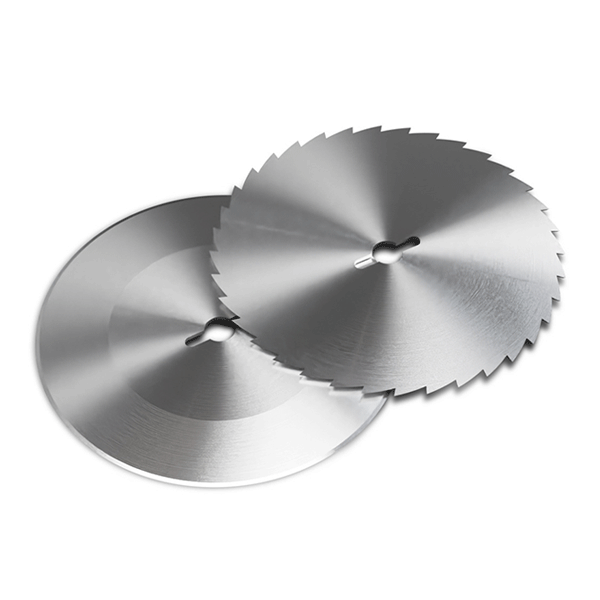
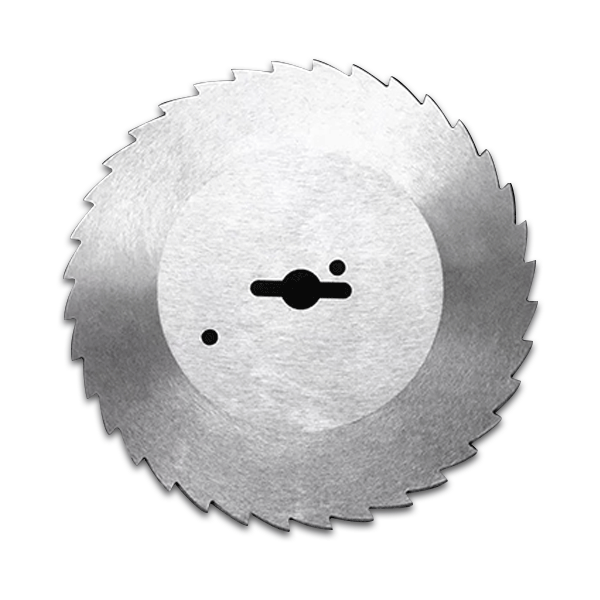
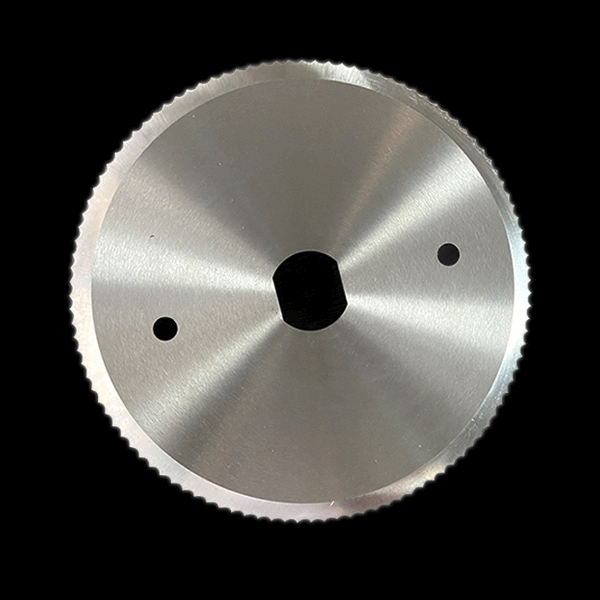
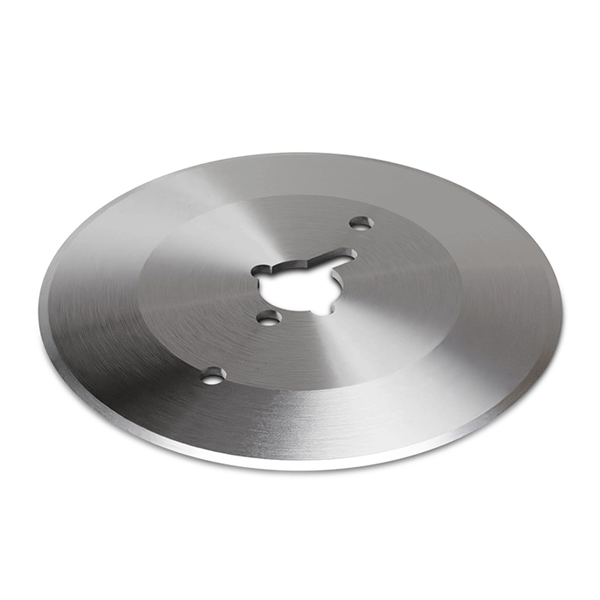
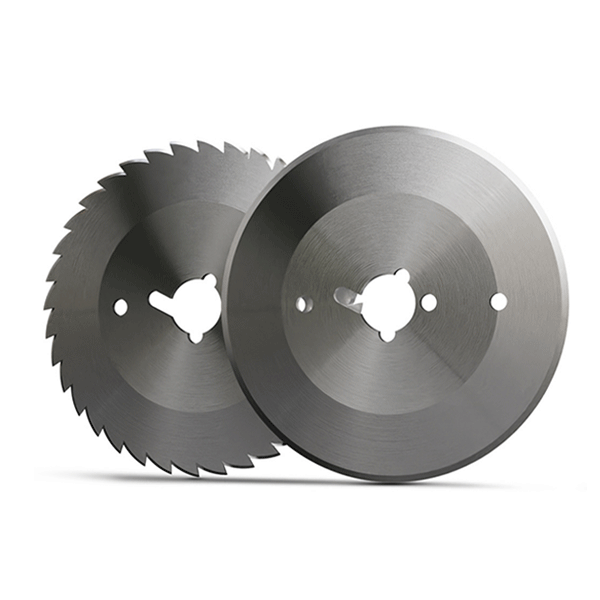
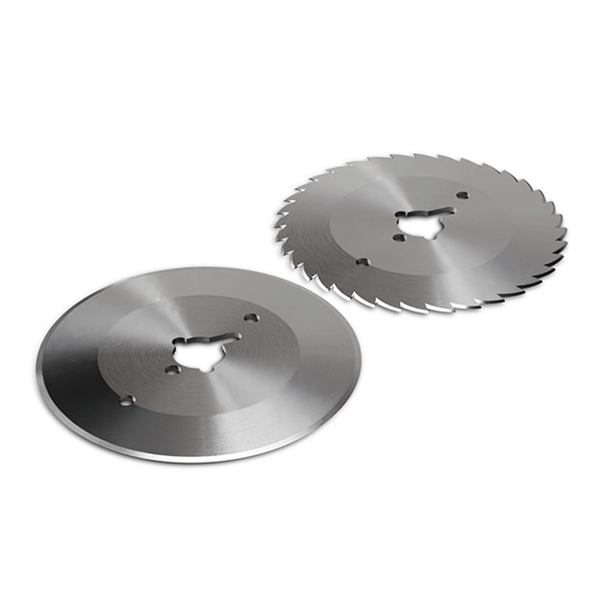
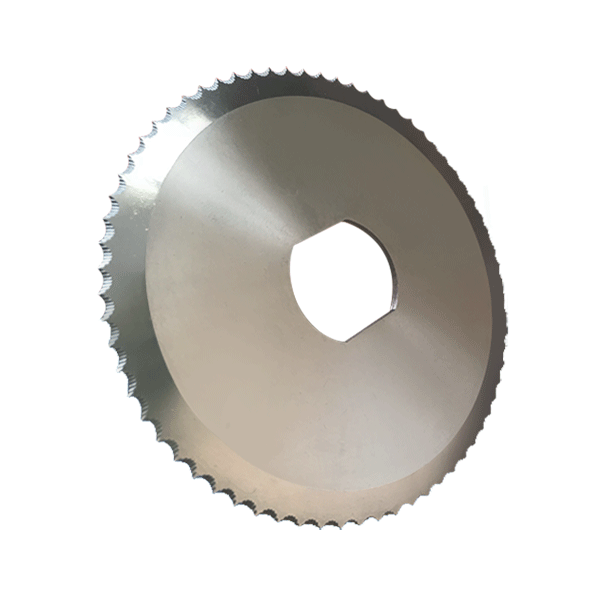
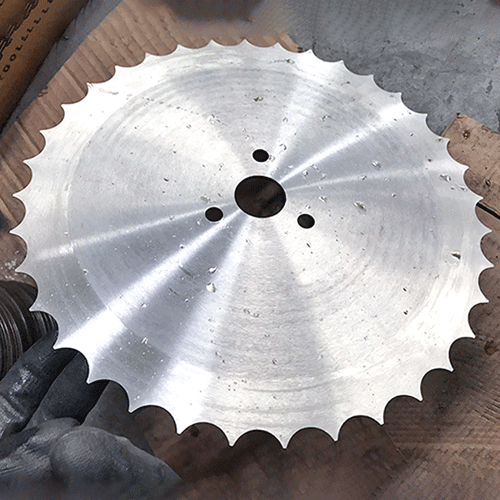
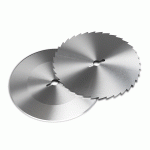
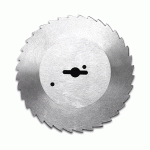
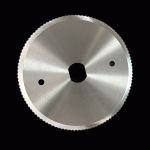
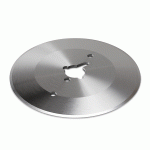
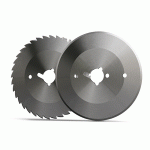
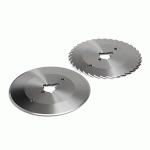
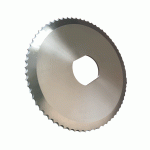
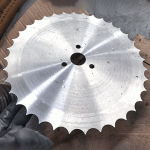
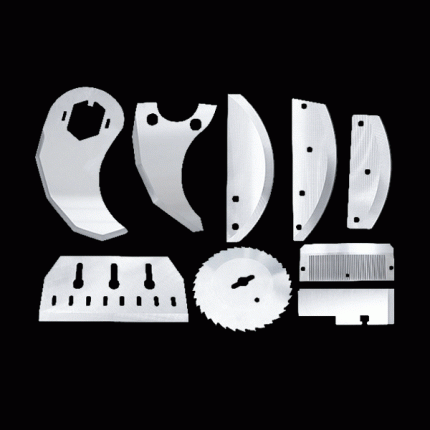
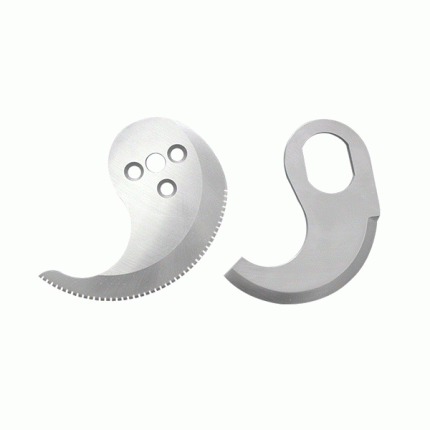
Products :Stainless steel food-grade round blades are the core components in food processing equipment (such as slicers, dicing machines, and strimmer machines) that directly come into contact with food and perform cutting operations. They are usually designed in a disc shape, with an installation hole in the center. Through rotational movement, they efficiently and precisely slice, dice, or trim various ingredients such as meat, vegetables, fruits, pastries, and cheese. It is manufactured with high-quality stainless steel, ensuring that this tool is durable, hygienic and in line with food processing standards. Its core value lies in being able to ensure that the incision is smooth and uniform in size, while also meeting the highest requirements for food safety and hygiene, and avoiding any contamination of the food.
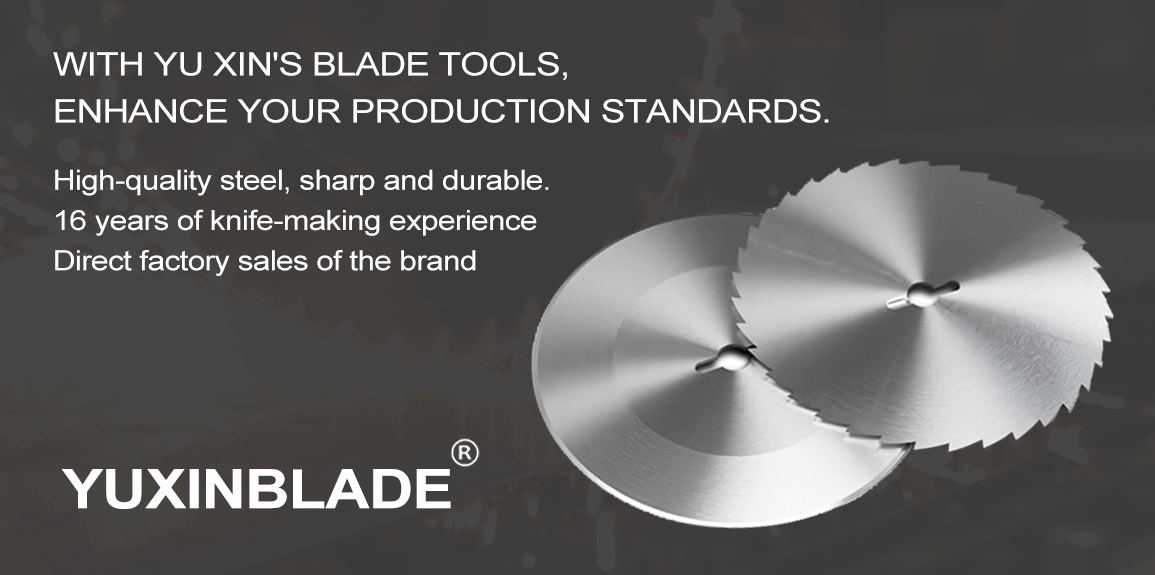
Product Name: Stainless Steel Food-Grade Round Blades
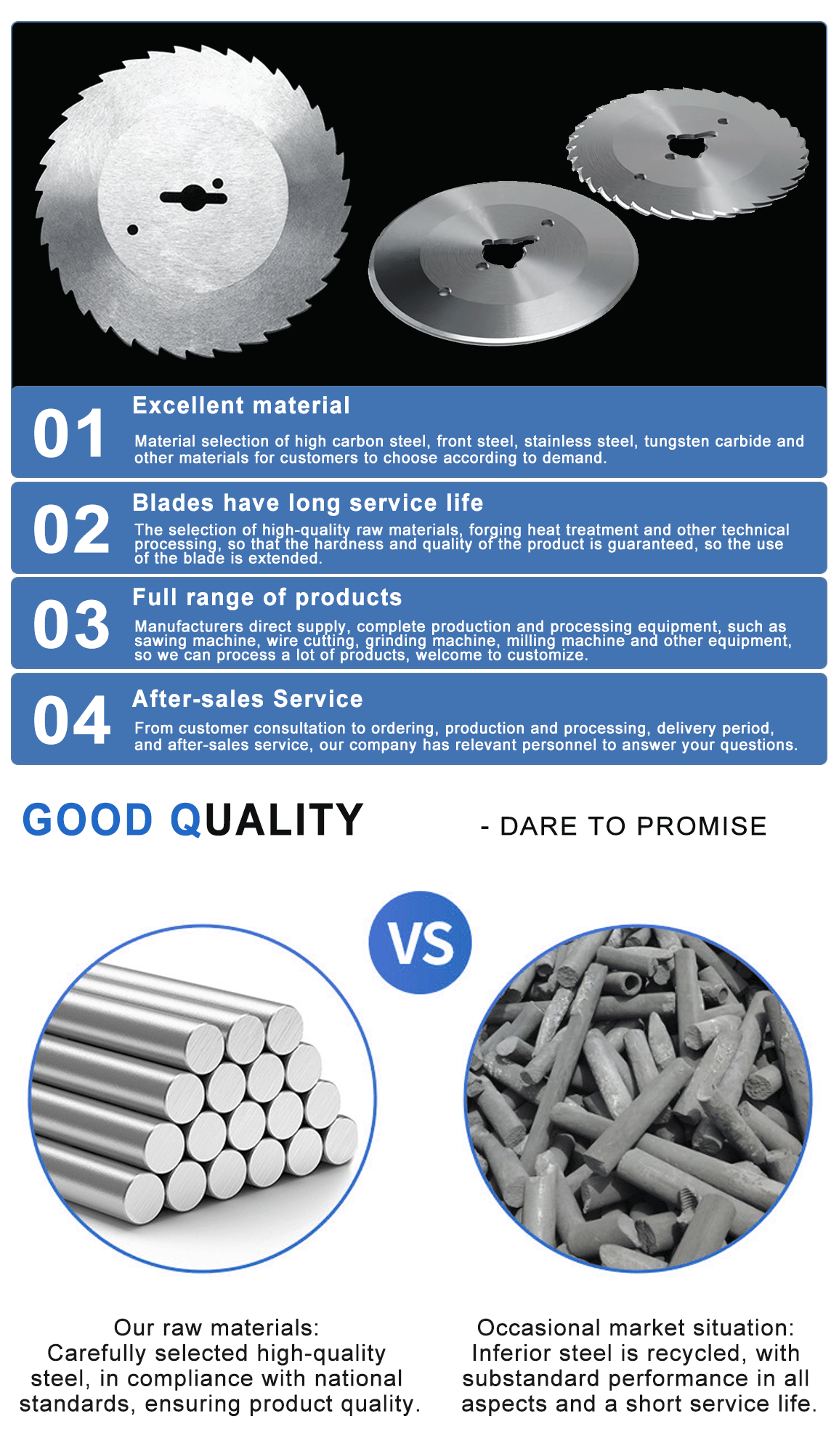
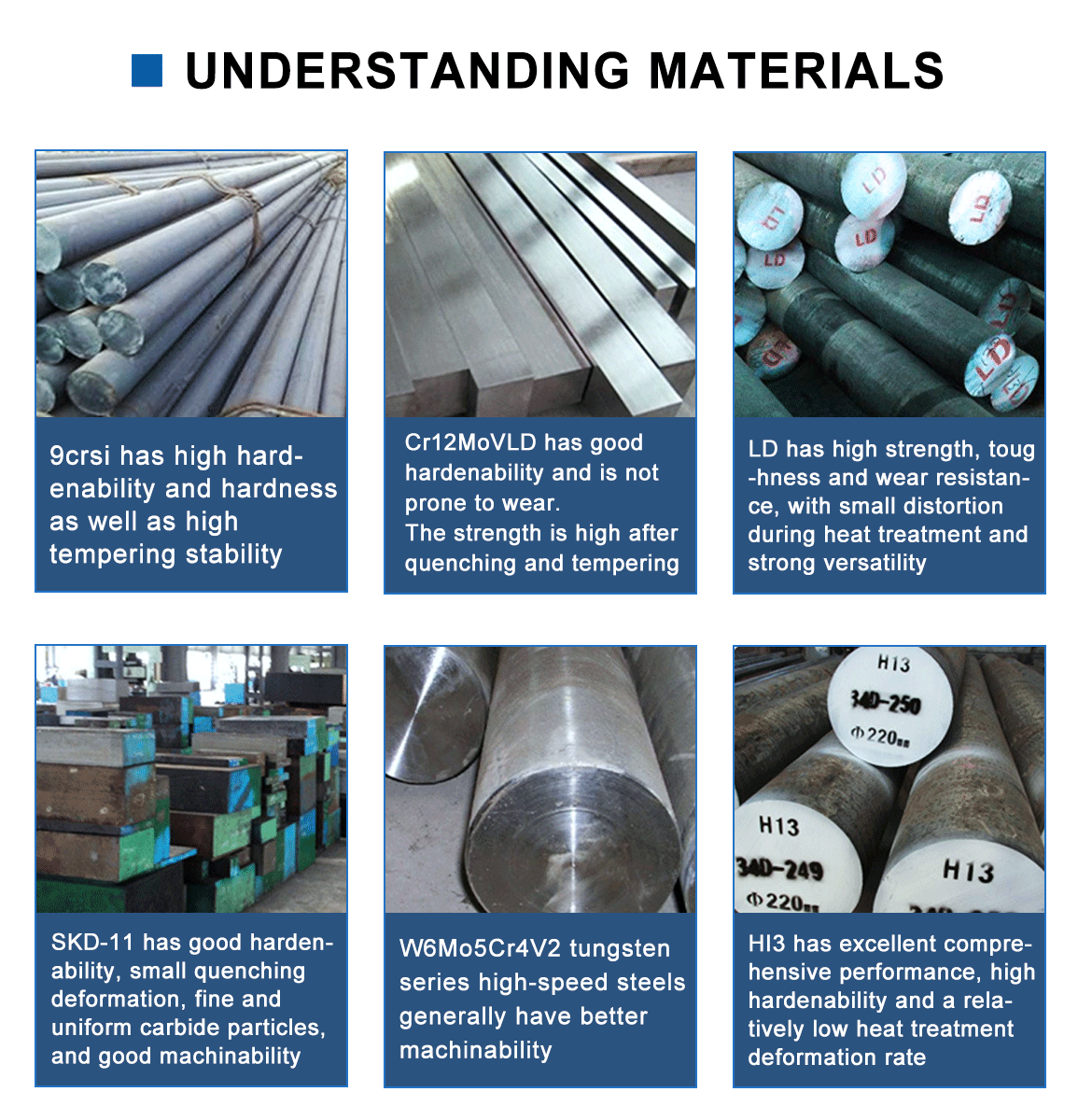
Material: 420 stainless steel: A martensitic stainless steel, it has excellent corrosion resistance and certain wear resistance. After heat treatment, it can achieve a higher hardness (HRC 50-55), making it a common material for food-grade knife blades. It is widely used in slicing and dividing various foods, such as meat and fruits and vegetables.
440C Stainless Steel: A high-carbon, high-chromium martensitic stainless steel with a carbon content of approximately 1.2% and a chromium content of 16-18%. After heat treatment, its hardness can reach over HRC 58, which is extremely wear-resistant and has excellent corrosion resistance. It is suitable for applications requiring high strength and high wear resistance, such as cutting frozen food and hard ingredients.
304 stainless steel: An austenitic stainless steel with excellent corrosion resistance, easy to clean, but with relatively lower hardness and poorer wear resistance compared to 420 and 440C. It is more suitable for applications with strict corrosion resistance and hygiene requirements, and may require more frequent grinding of the cutting edge.
Other alloy tool steels such as 9CrSi and Cr12MoV (equivalent to Japanese SKD-11). These materials have high hardness and good wear resistance, but they must undergo appropriate surface treatment to meet the safety requirements for food contact.
Size: Common size parameters include: Outer Diameter (D): Common specifications are 76.2mm, 80mm, 100mm, 110mm, 120mm, 125mm, 140mm, 150mm, 160mm ; There are also larger-sized blades, with an outer diameter of up to 2000mm.
Thickness (B): Ranges from extremely thin 0.25mm, 0.5mm, 1mm, 1.2mm to thicker ones such as 2mm, 3mm, 4mm, and even thicker like 6mm.
Inner hole diameter (d): The most common size is 25.4mm (1 inch); in addition, there are also 40mm, 50mm, 55mm, 60mm, etc.
The blade size must be compatible with the model of your food processing equipment. When purchasing, make sure to confirm this and consider custom options.
Process: The cutting and processing are carried out using precise equipment, and processes such as vacuum quenching are also employed.
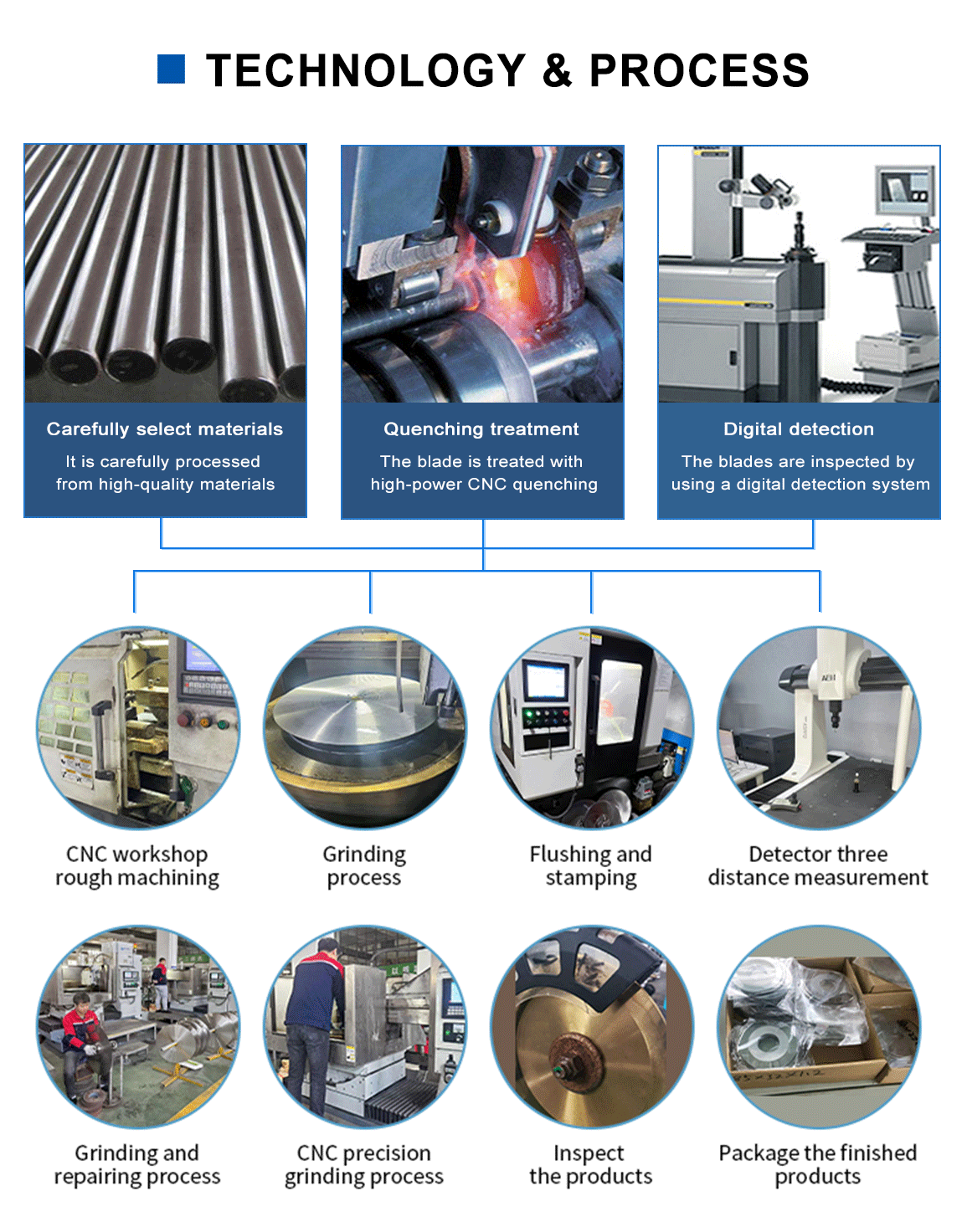
Features: • Food-grade safety and corrosion resistance: Made of food-grade stainless steel (such as 420, 440C, 304), it has excellent corrosion resistance and can resist the erosion of water, salt, acid, grease, etc., ensuring that it will not rust or release harmful substances during long-term use and meeting food safety standards.
- High hardness and wear resistance: Through appropriate heat treatment processes, the hardness of the blade can typically reach HRC 52-58 (for example, the hardness is relatively high after heat treatment of 440C stainless steel), with excellent wear resistance, long service life, and the ability to maintain a persistent sharpness.
- Sharpness and smoothness of the cutting edge: The cutting edge has been precisely ground and polished, making it extremely sharp. This ensures smooth cutting, resulting in flat, smooth cuts without any burrs, reducing the loss of food juices and effectively lowering the risk of bacterial residue.
- Easy to clean and maintain: The surface is smooth, making it less likely to adhere to food residues. It is convenient for thorough cleaning and disinfection, meeting the strict hygiene requirements of the food industry.
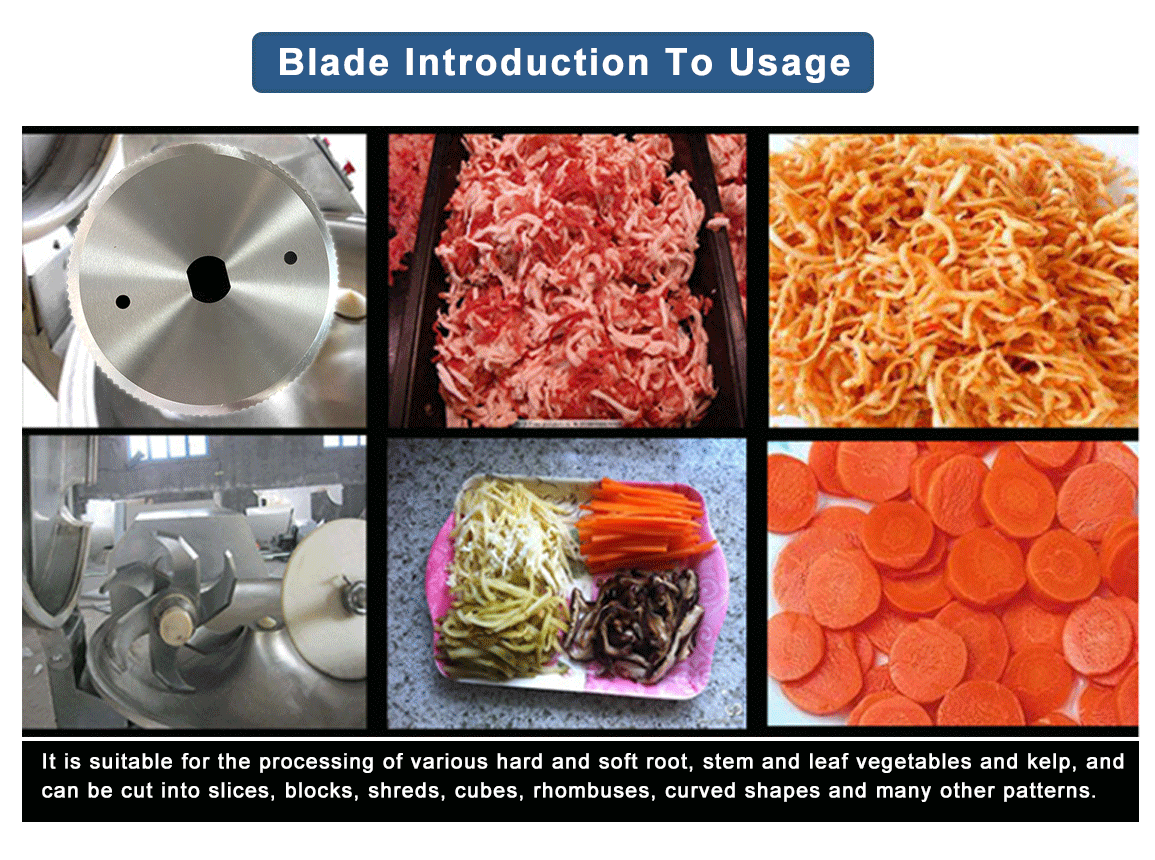
Application Scenario: It is widely used in the food processing industry, such as cutting of meat and aquatic products (such as whole pieces of meat or fish, shrimp and shellfish), cutting of vegetable slices or filaments, cutting of baked pastries, cutting of dairy products and cheese, cutting of nuts and jelly for snacks, and cutting of frozen foods, etc. We also provide consultation and customization services for sending pictures or samples.
Selection suggestions: • Confirm that the blade is fully compatible with your food processing equipment brand and model, including installation method, size (outer diameter, inner hole, thickness), rotational speed, etc.
- Select based on ingredient properties: For processing common fruits and vegetables, or ordinary meats, 420 stainless steel can be chosen; for handling high-strength, highly abrasive or frozen ingredients, 440C stainless steel or alloy tool steel with surface treatment can be considered; for extreme requirements of corrosion resistance, 304 stainless steel can be chosen.
- Pay attention to the cutting edge and surface treatment: Select blades that have undergone precise grinding of the cutting edge and have been polished or chrome-plated to ensure cutting quality and hygiene safety.
To quickly compare the primary materials we offer, here is a summary table:
| Material Type | Typical Hardness (HRC) | Key Advantages | Limitations | Ideal For |
| High-Speed Steel (HSS) | 60-68 | Excellent toughness, good wear resistance, cost-effective. | Lower wear resistance than carbide, requires more maintenance. | General-purpose metalworking, woodworking, plastic cutting. |
| Tool Steel (e.g., SAE1095) | 58-62 (Hardened) | High strength, excellent wear resistance, good sharpness. | Less resistant to high temperatures than HSS or Carbide. | Springs, hand tools, scrapers, industrial cutters. |
| Carbide / Tungsten Carbide | 60-65 (Blades) | Exceptional hardness & wear resistance, high heat resistance. | Brittle, higher cost, complex manufacturing. | Hard materials, abrasive non-ferrous metals, high-volume production. |
| Stainless Steel | Varies (e.g., 420, 440) | Excellent corrosion resistance, durable, hygienic. | Generally not as hard as tool steels or HSS. | Food processing, medical instruments, wet environments. |
| Ceramic | N/A (Extremely Hard) | Superior edge retention, corrosion resistance, hygienic, lightweight. | Fragile, limited cutting capacity, higher cost. | Precision cutting in specific industries (e.g., textiles, packaging). |
We Are Here to Help: Choosing the right material is complex. As a factory, we have the expertise to guide you. We offer custom blade solutions and can advise on the optimal material, heat treatment, and geometry for your specific application.
Contact us today for a personalized recommendation and quote. Let our manufacturing expertise solve your cutting challenges.
Reviews
There are no reviews yet.