
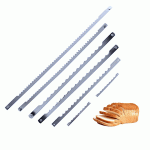
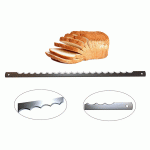
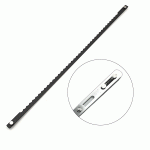
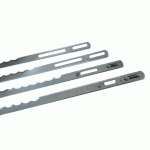
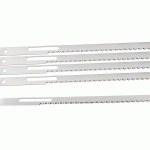
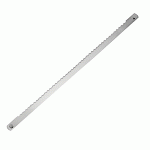
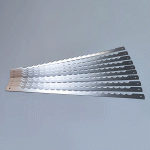
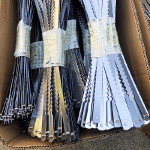
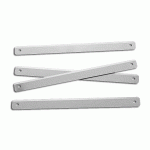
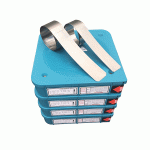
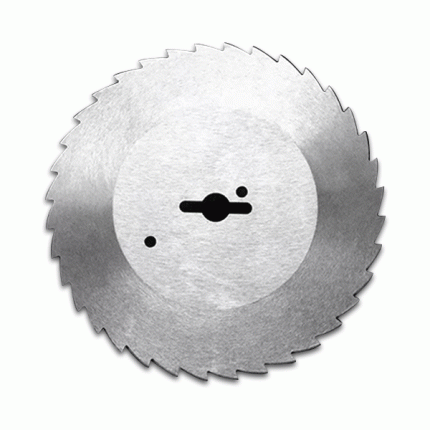
Stainless Steel Bread Machine Blade Strips Commercial & Household For Slicing Knife Food-Grade


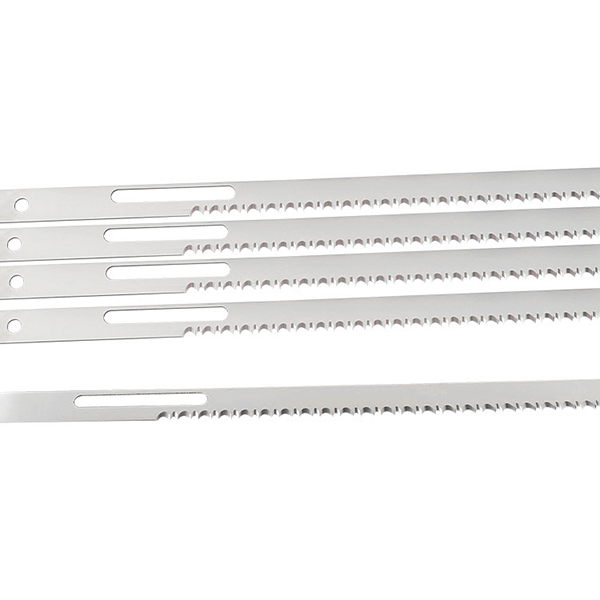
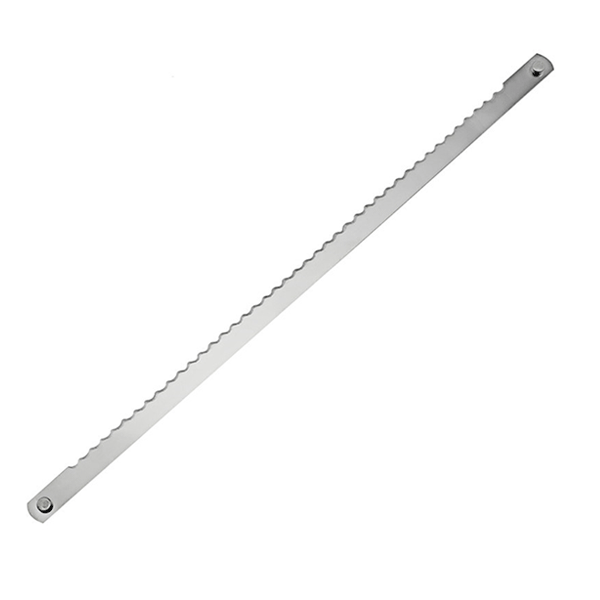
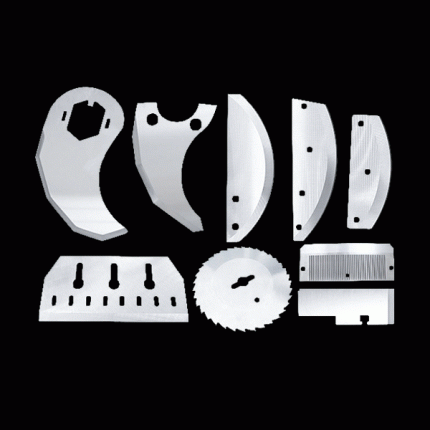
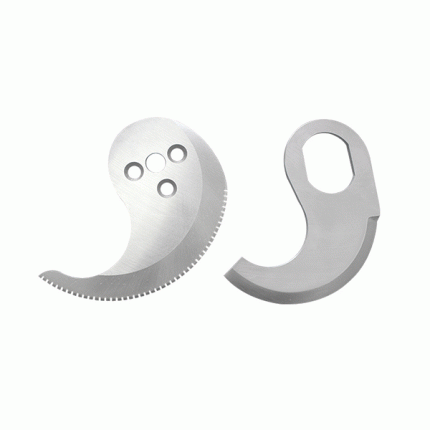
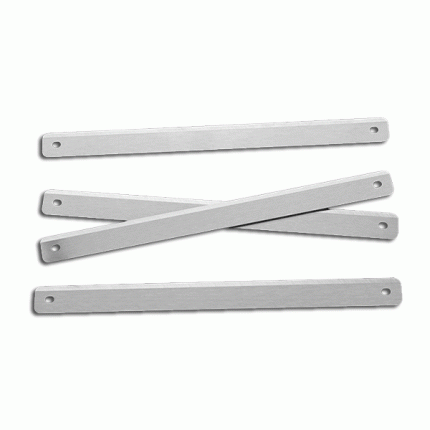
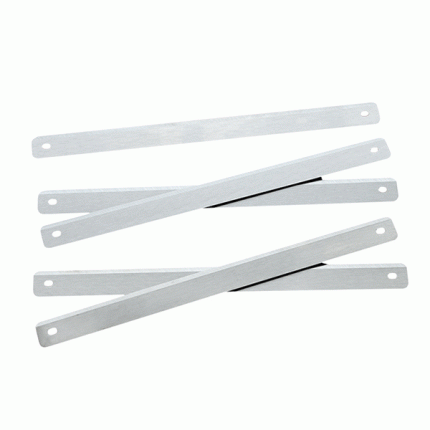
Products :The Bread Slicer Blades, often referred to as the bread machine mixer paddle or dough kneading blade, is a crucial component inside the bread machine. It is directly installed at the center of the bottom of the bread machine mixing bowl (inner container), and is connected to the drive shaft of the motor through a bottom snap ring or key slot. They are composed of multiple parallelly arranged serrated blades to form a blade group. Through high-speed reciprocating motion, it cuts the entire loaf of bread into uniformly thick slices.
When the bread machine is operating, the motor drives the blade to rotate, thereby mixing, blending and kneading the ingredients such as flour, water, yeast, and butter placed in the bowl. Its core function is to quickly mix the dry and wet ingredients evenly, and in the continuous rotation and kneading process, it prompts the proteins in the flour to form a network of gluten, which is crucial for the successful fermentation and good texture of the bread.
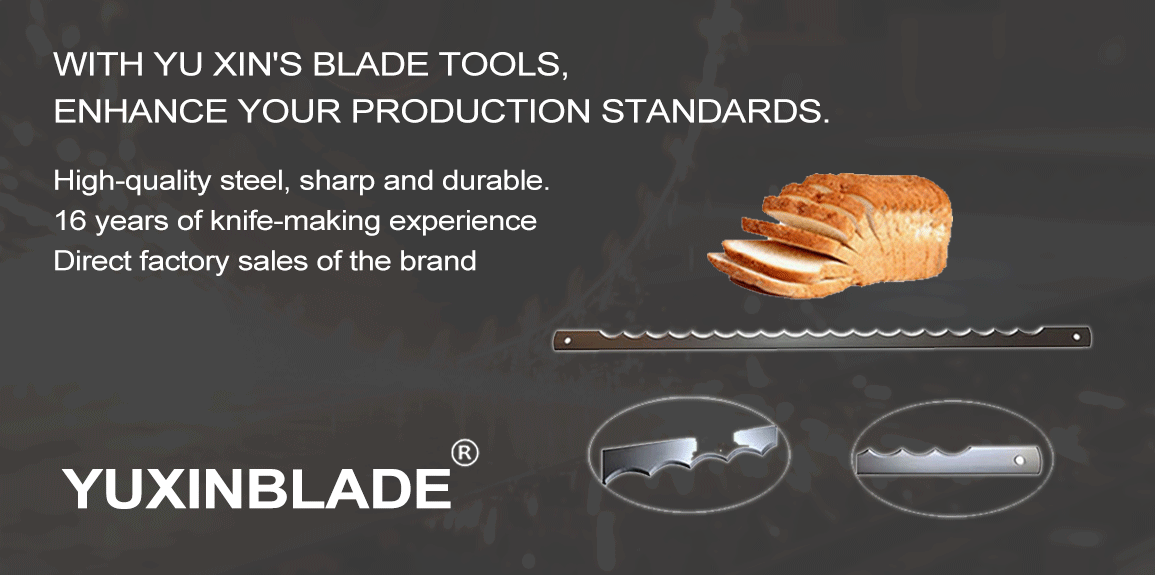
Product Name: Food Grade Bread Slicer Blades
Material: The choice of material for the bread machine blades is of vital importance, directly affecting food safety and durability:
- Food-grade stainless steel: The absolute mainstream and the best choice.
- 304 Stainless Steel: A very common type of food-grade stainless steel, it possesses excellent corrosion resistance and mechanical properties.
- 420 stainless steel: Compared to 304, it has higher hardness and greater wear resistance, and is also commonly used in the blade components of food processing machinery.
- (Important Note) Materials to be avoided: Do not use ordinary non-food-grade steel or materials prone to rusting. This could contaminate the food and pose safety risks.
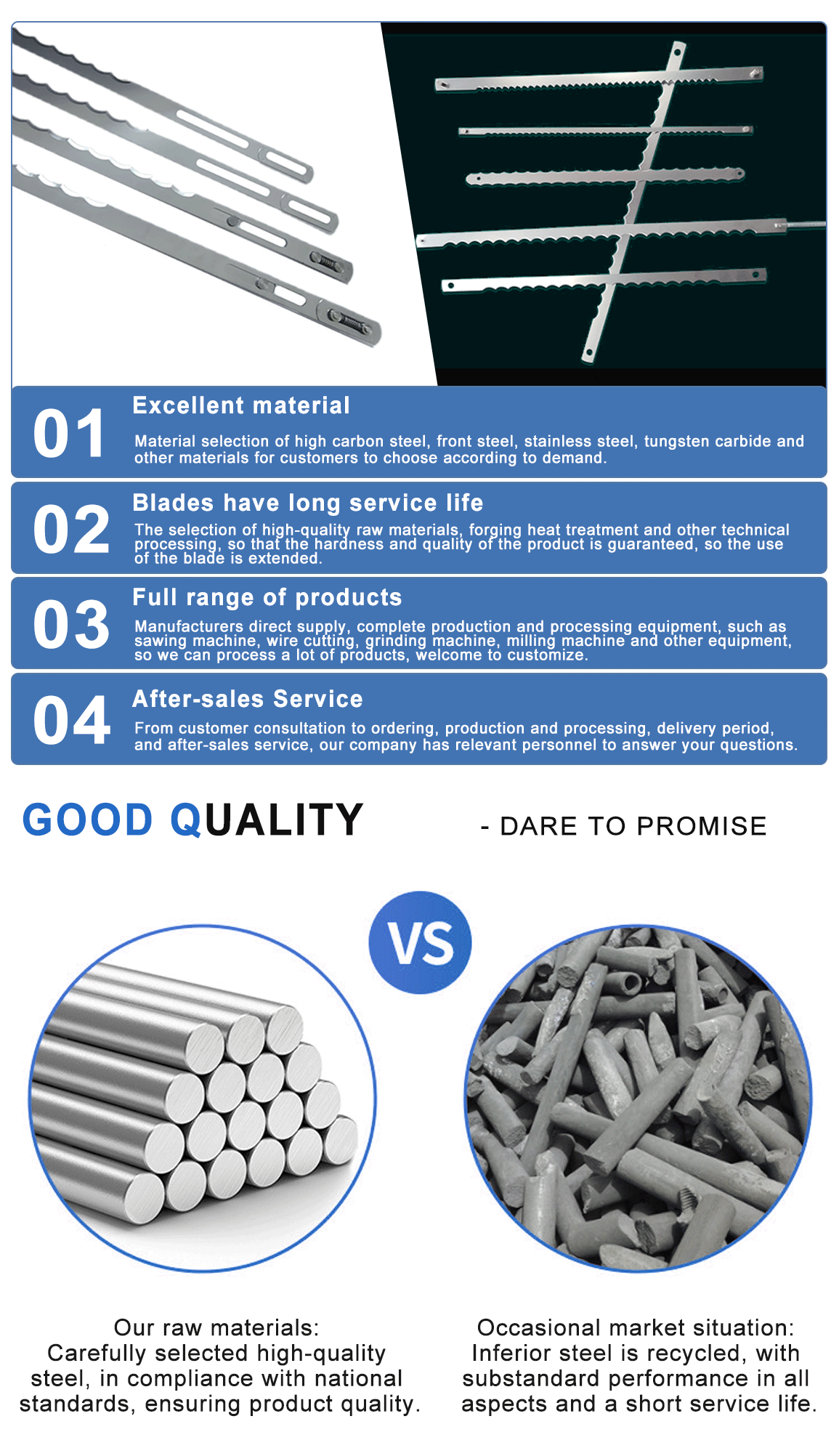
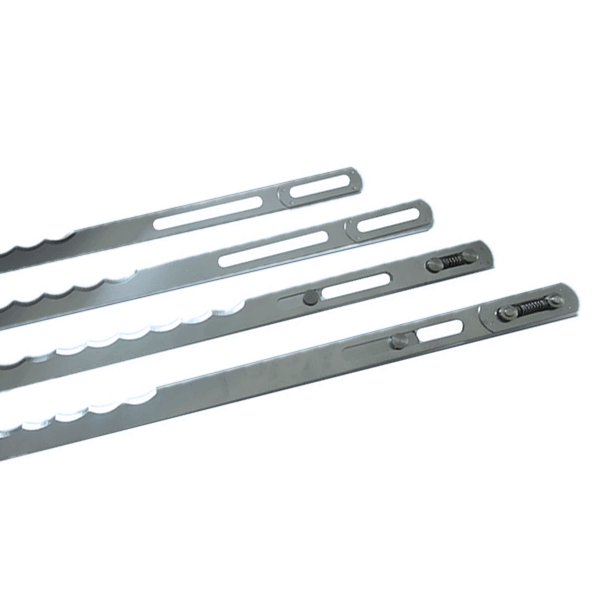
Size: The Bread Slicer Blades does not have a completely uniform standard size. Its size and shape are mainly determined by the model, brand of the bread machine, and the capacity of the mixing bowl. The most accurate way is to refer to the instruction manual of your bread machine or contact the manufacturer. For customization, please contact us to send us your specifications or drawings.
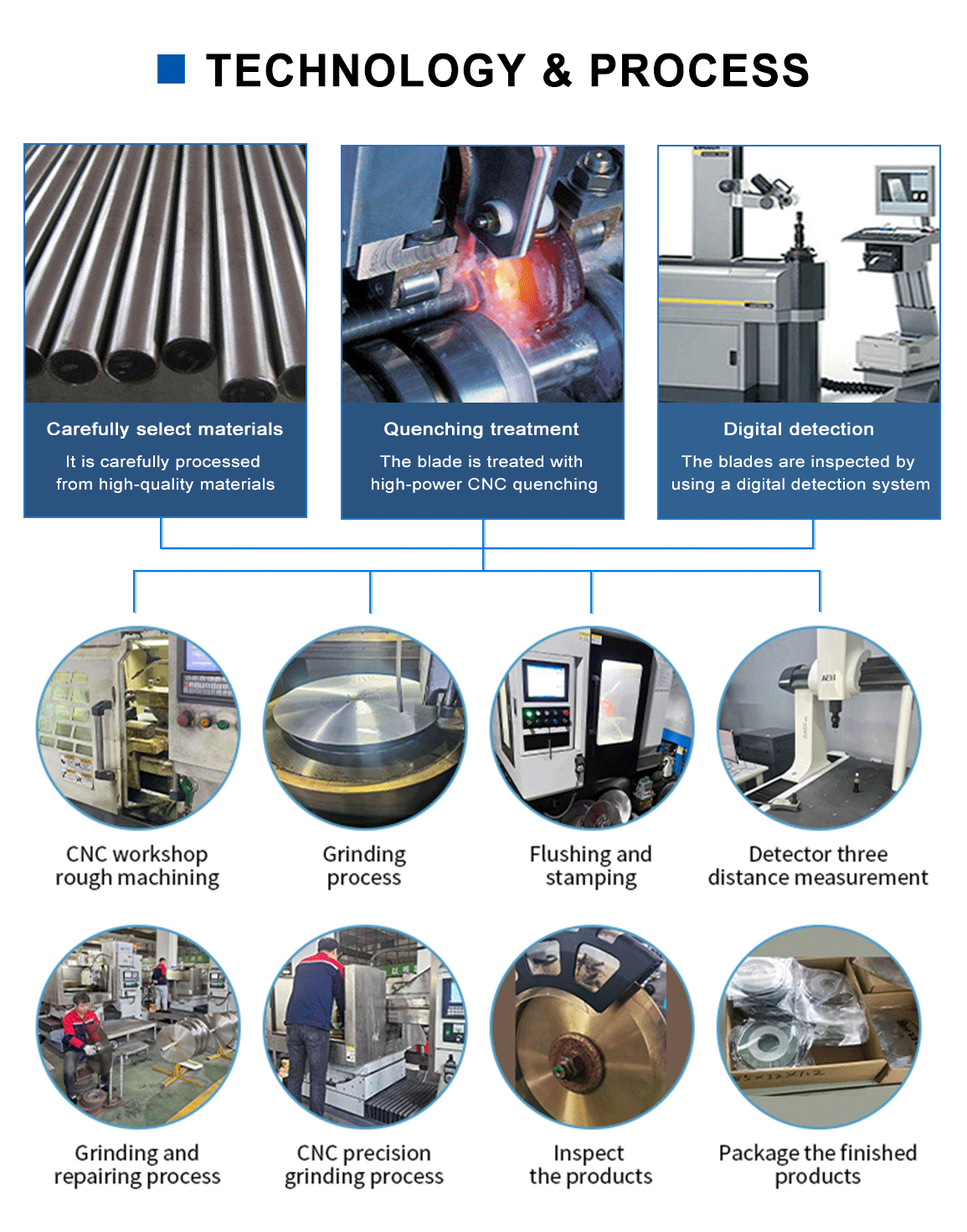
Process: Precision wire cutting, vacuum heat treatment, dynamic tension calibration
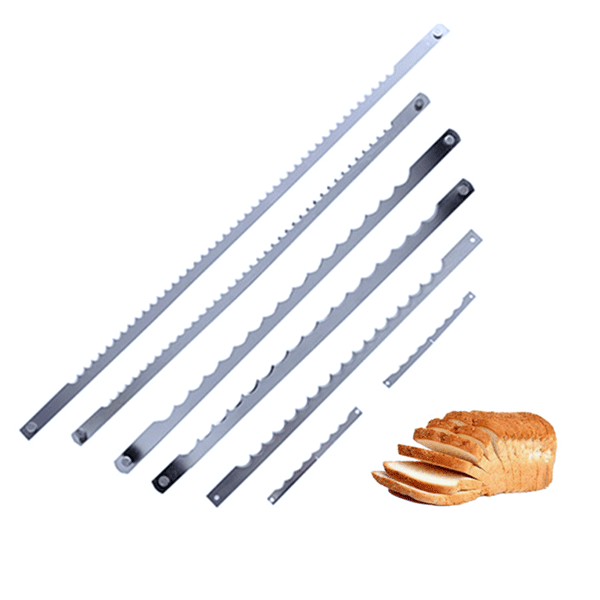
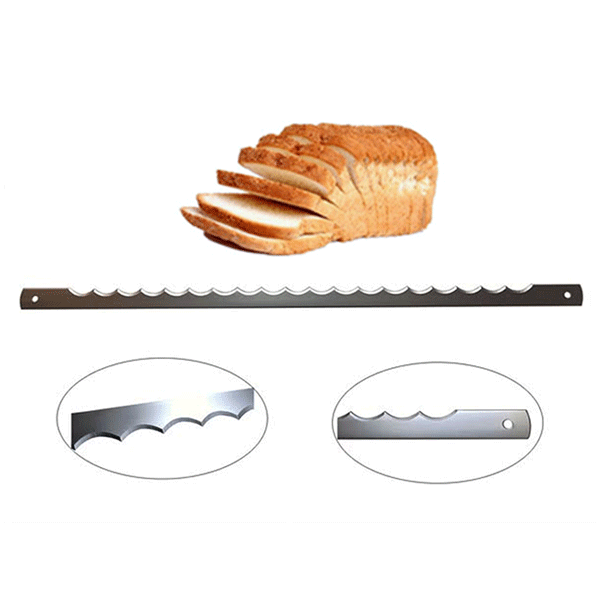
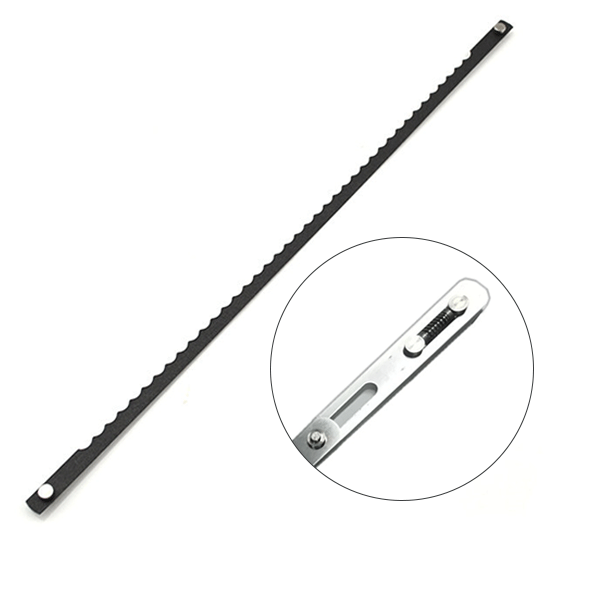
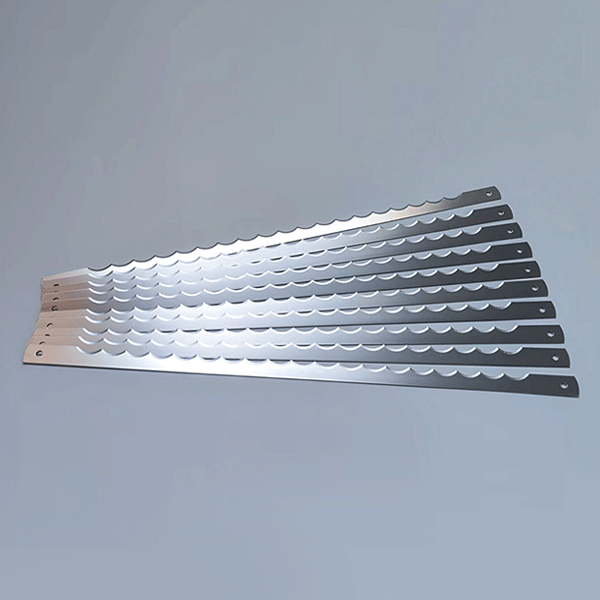
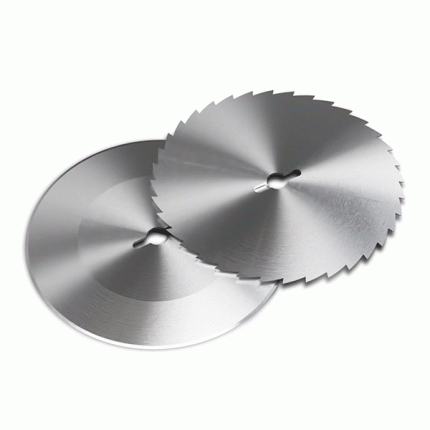
Features: 1. Precise serrated design: Flat teeth, wavy teeth and adjustable tooth pitch support thickness adjustment ranging from 3 to 20 millimeters, suitable for different types of bread.
- Food-grade safe materials: Firstly, it complies with the US Food and Drug Administration/European Commission 1935 standard. The blade comes into direct contact with food raw materials, so materials that meet food safety standards (such as food-grade stainless steel) must be used to ensure no harmful substances are released.
- Excellent wear resistance: After high-frequency quenching treatment, the hardness of the blade can reach HRC 55 – 60, and the service life can reach 100,000 cuts.
- Excellent corrosion resistance: Due to contact with water, salt, butter and other raw materials, the material needs to have good corrosion resistance to prevent rusting and extend service life.
- Smooth surface anti-stick coating: Teflon or nano-ceramic coating is used to reduce the adhesion of sugar/oil dough. The surface should be smooth and flat, not easily adhering to dough, and easy to clean.
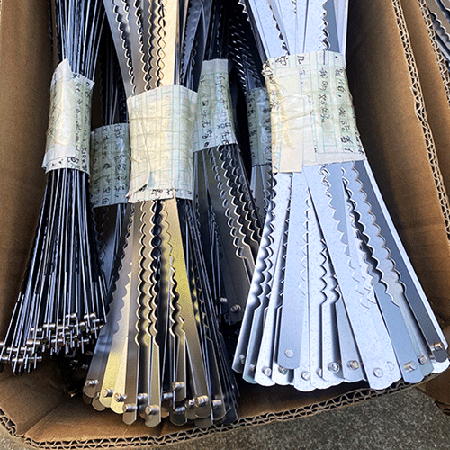
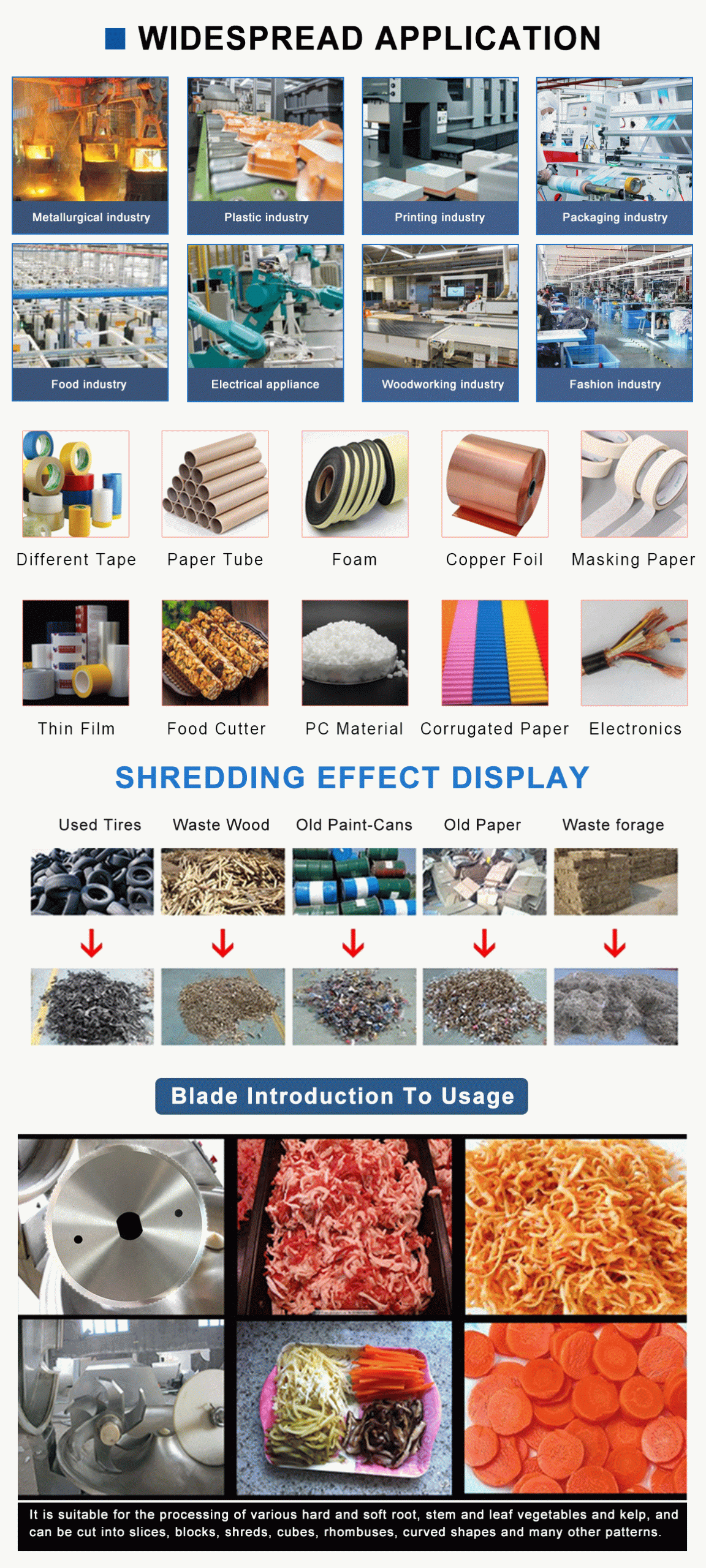
Application Scenario: Suitable for fresh cutting in bakeries, pre-cutting and packaging in supermarkets, production lines in food factories, custom knife sets (length 1-2 meters), and cutting of frozen bread. In addition, household bread machines are used for making various types of bread; commercial small-scale dough-making equipment and mixing equipment are used for preparing dough and other pastry production.
Selection suggestions: Model compatibility is crucial: When purchasing replacement blades, make sure they are fully compatible with your brand and model of bread machine. Therefore, it is particularly important to check the shape and size of the connection holes.
Material confirmation: Select products clearly labeled as food-grade stainless steel (such as 304, 420)
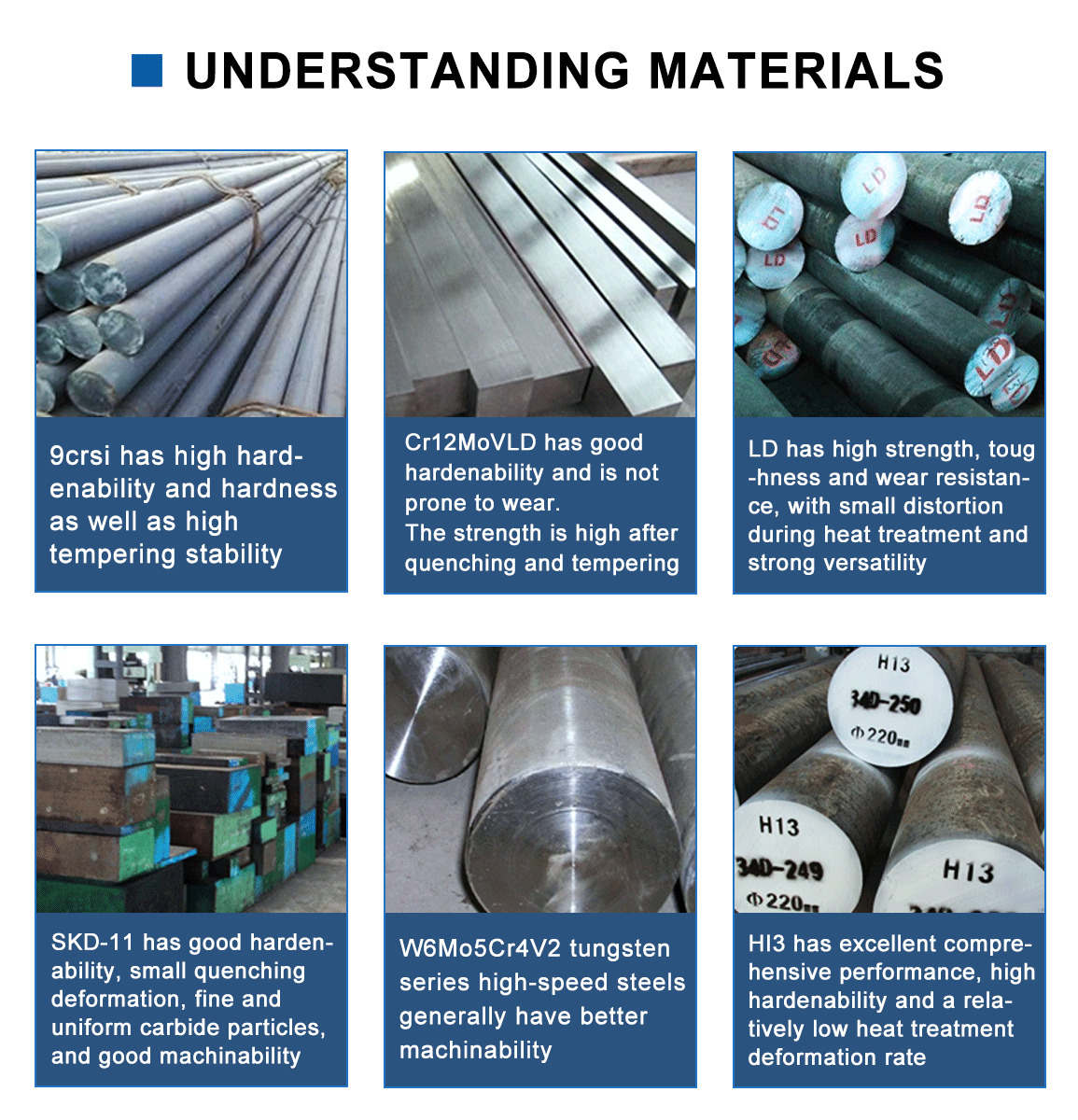
To quickly compare the primary materials we offer, here is a summary table:
| Material Type | Typical Hardness (HRC) | Key Advantages | Limitations | Ideal For |
| High-Speed Steel (HSS) | 60-68 | Excellent toughness, good wear resistance, cost-effective. | Lower wear resistance than carbide, requires more maintenance. | General-purpose metalworking, woodworking, plastic cutting. |
| Tool Steel (e.g., SAE1095) | 58-62 (Hardened) | High strength, excellent wear resistance, good sharpness. | Less resistant to high temperatures than HSS or Carbide. | Springs, hand tools, scrapers, industrial cutters. |
| Carbide / Tungsten Carbide | 60-65 (Blades) | Exceptional hardness & wear resistance, high heat resistance. | Brittle, higher cost, complex manufacturing. | Hard materials, abrasive non-ferrous metals, high-volume production. |
| Stainless Steel | Varies (e.g., 420, 440) | Excellent corrosion resistance, durable, hygienic. | Generally not as hard as tool steels or HSS. | Food processing, medical instruments, wet environments. |
| Ceramic | N/A (Extremely Hard) | Superior edge retention, corrosion resistance, hygienic, lightweight. | Fragile, limited cutting capacity, higher cost. | Precision cutting in specific industries (e.g., textiles, packaging). |
We Are Here to Help: Choosing the right material is complex. As a factory, we have the expertise to guide you. We offer custom blade solutions and can advise on the optimal material, heat treatment, and geometry for your specific application.
Contact us today for a personalized recommendation and quote. Let our manufacturing expertise solve your cutting challenges.
Reviews
There are no reviews yet.