
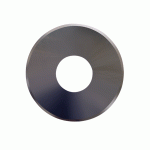
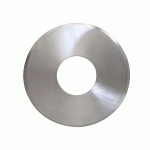
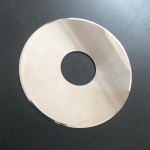
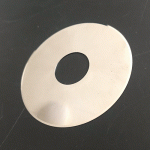
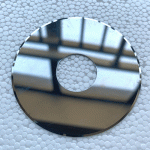
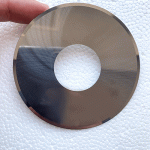
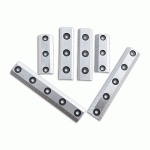
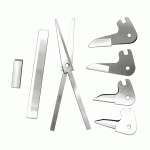
Metal Foil Cutting Blade For Copper Aluminum


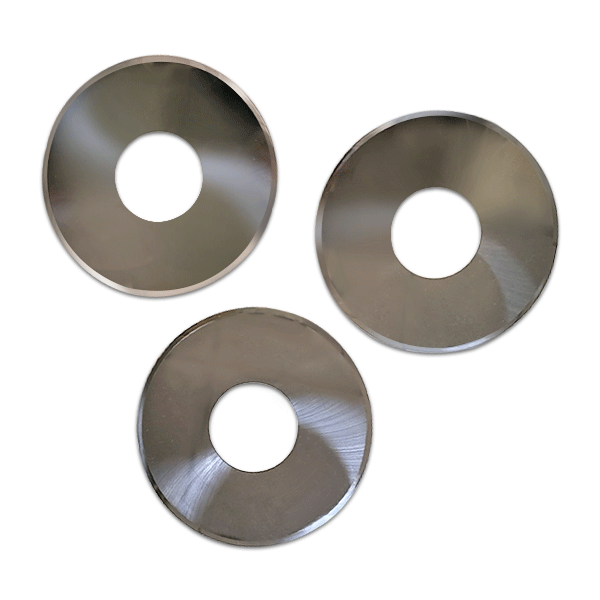
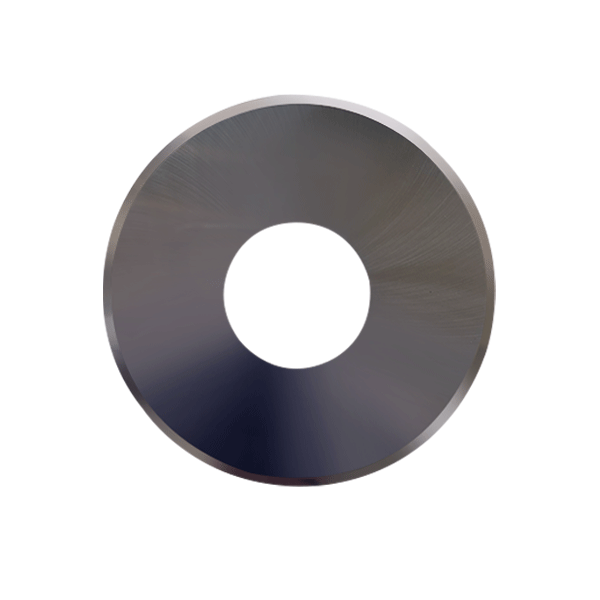
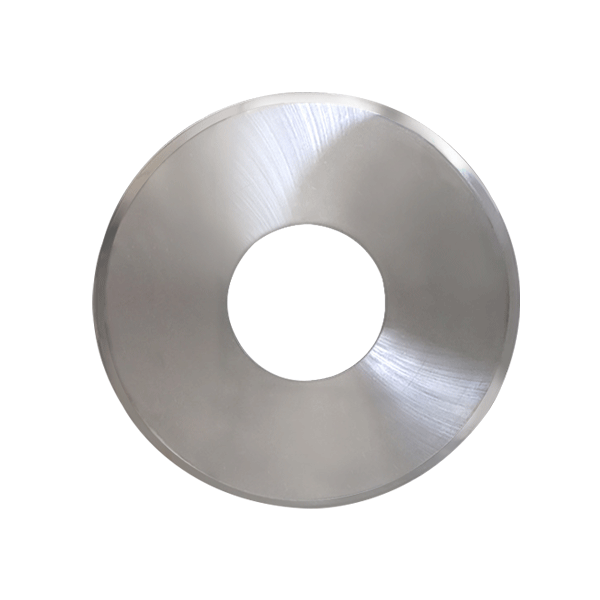
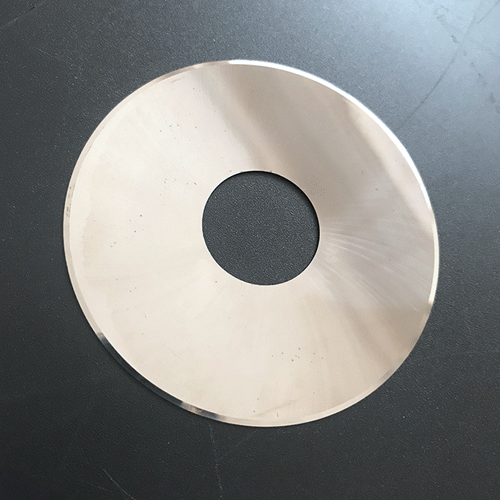
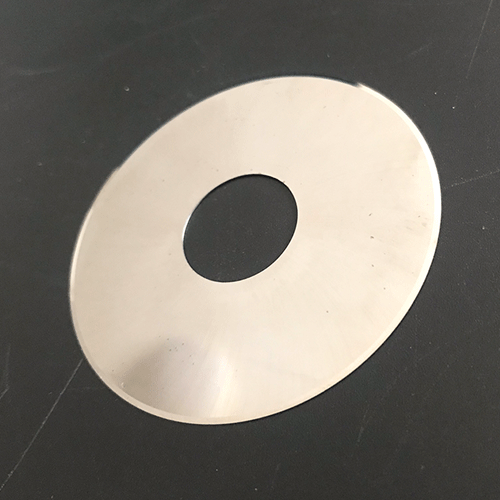
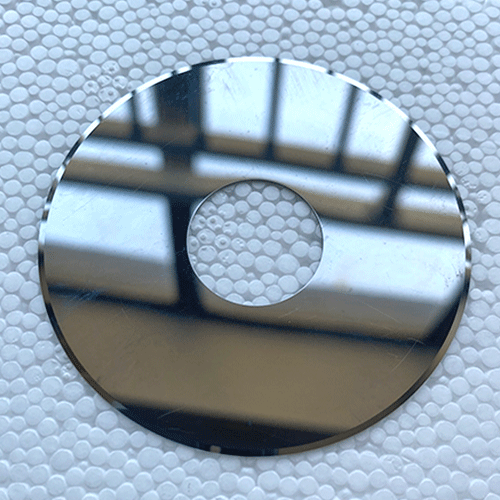
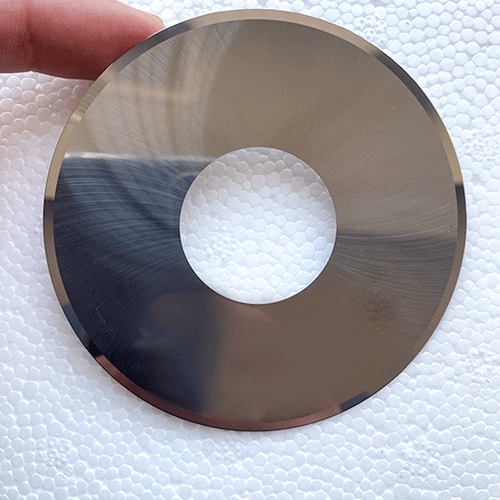
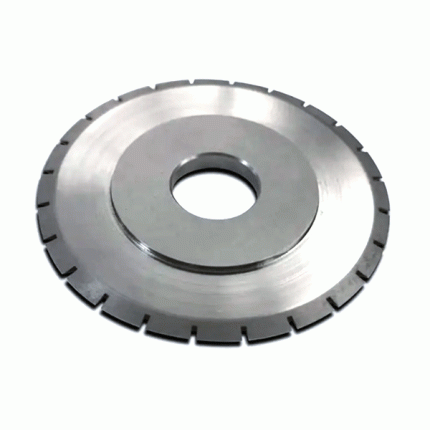
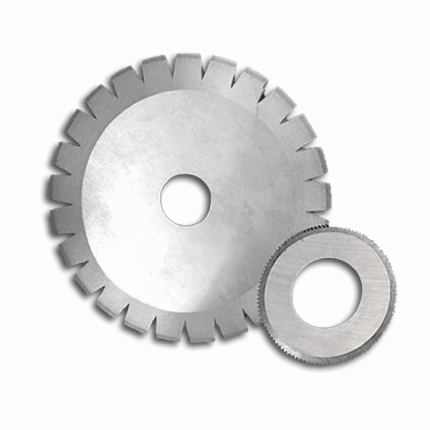
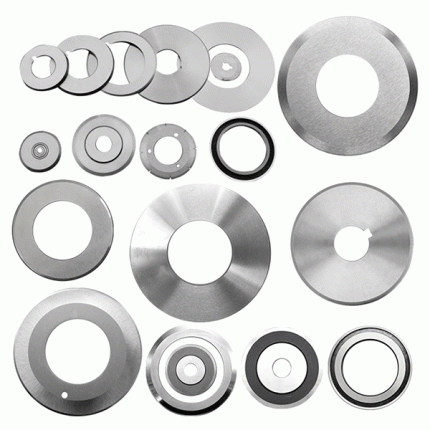
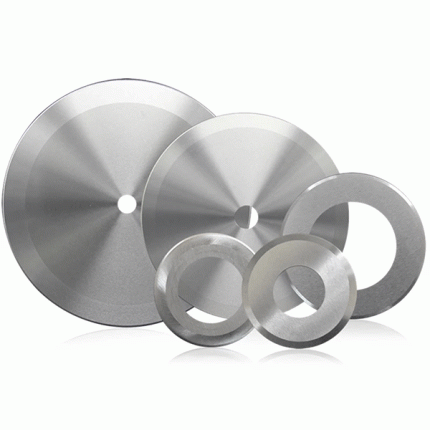
Products :Metal foil (copper foil, aluminum foil) cutting blades, also known as metal foil slicing circular blades, are specially designed circular cutting tools specifically used for precise longitudinal cutting of extremely thin gold, silver, copper, aluminum, titanium alloy foil and other materials.
These blades are usually installed on high-speed slicing machines. Through the precise cooperation of the upper and lower blades (the upper blade is a circular blade and the lower blade is a bottom blade), ultra-narrow width, high speed, and smooth, edge-free, no burrs slicing operations can be achieved. Their core value lies in being able to ensure that the width of the sliced foil strips is precisely consistent, the edges are smooth and flat without burrs, no warping, and no scratches, meeting the high precision requirements of materials for industries such as electronics and new energy.
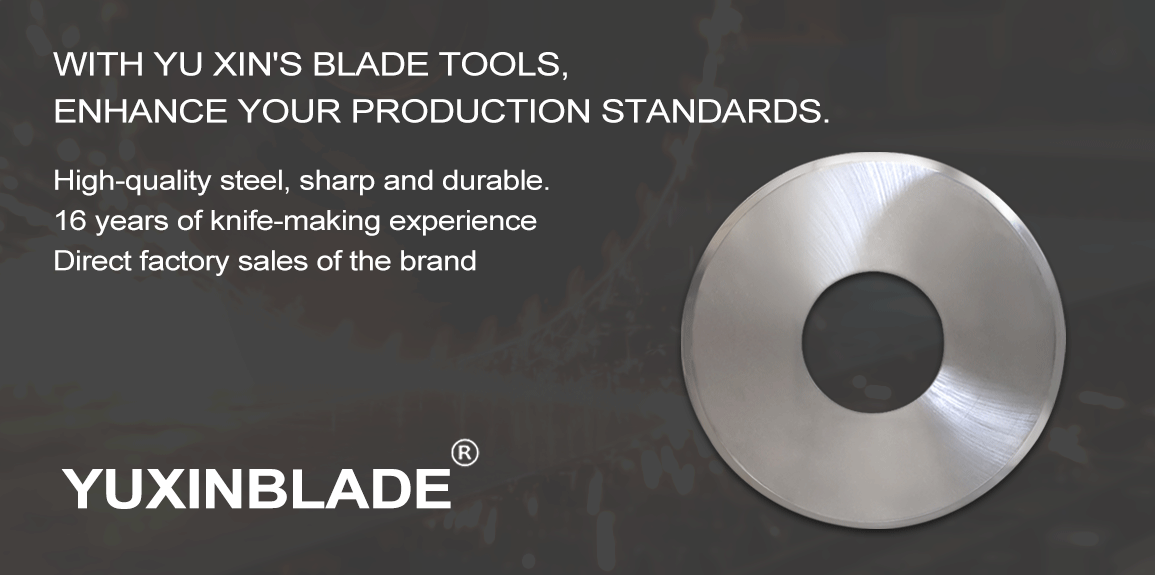
Product Name: Metal Foil Cutting Blade For Copper Aluminum
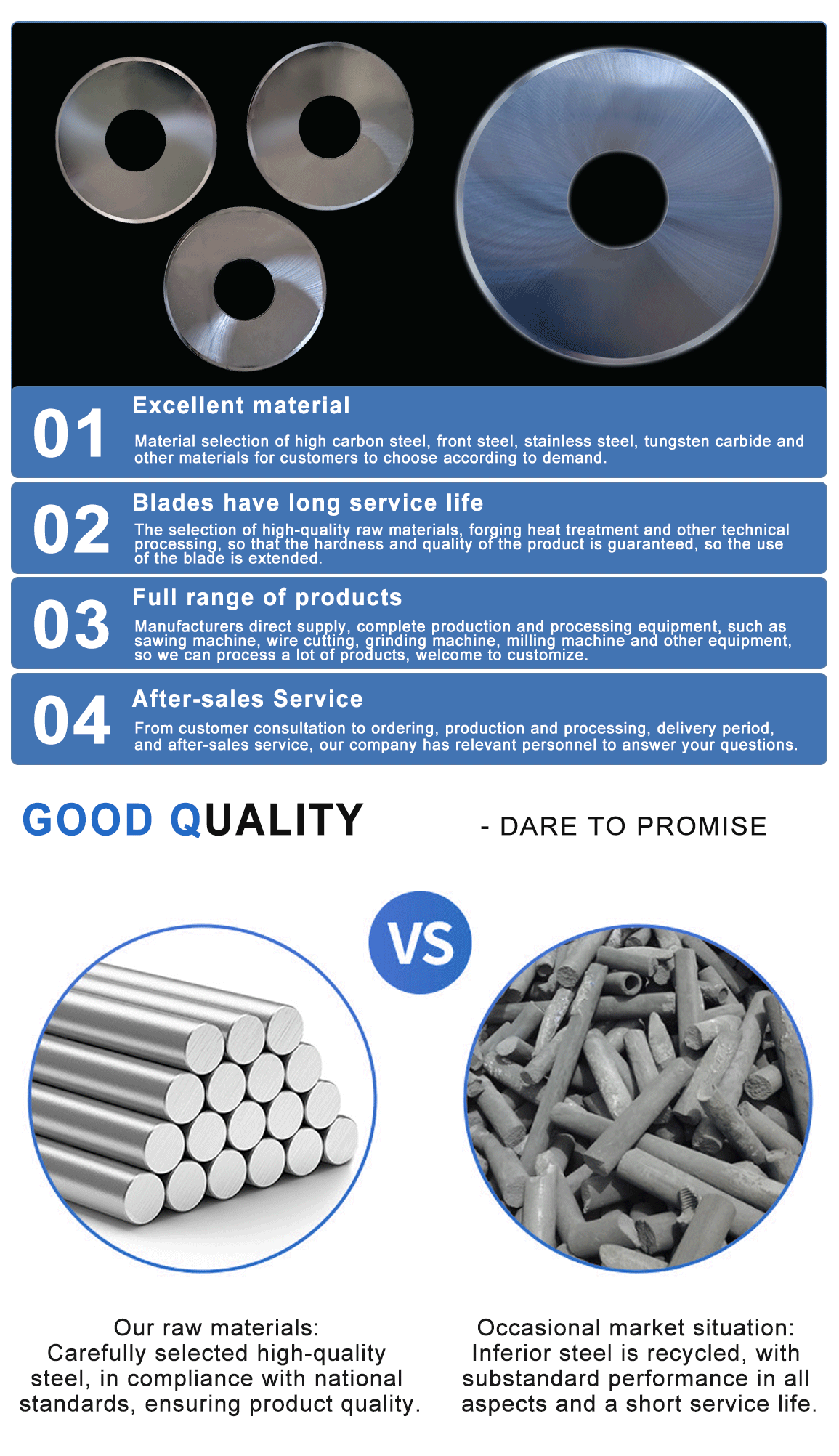
Material: High carbon steel, high-speed steel (HSS), tool steel, alloy tool steel (such as Cr12MoV, SKD-11), hard alloy (such as YG8), stainless steel, 65Mn 9CrSi, SKH-51, 3Cr13, 9Cr18, SUS440C, 420J2, W6Mo5Cr4V2, etc. (customizable according to customer requirements)
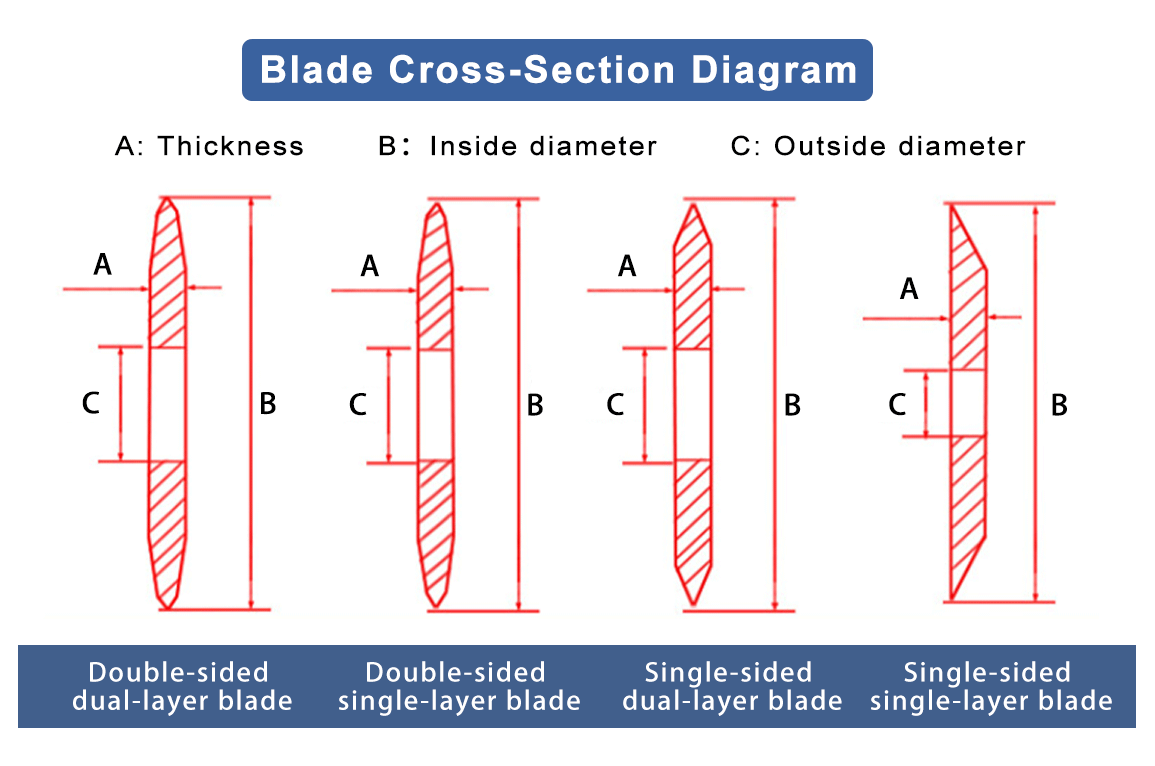
Size: Usually, the dimensions need to be provided as outer diameter x inner hole diameter x thickness, such as 80*30*0.3, 80*30*0.5 (For the complete version of common specifications, please contact us. Customization is also available.)
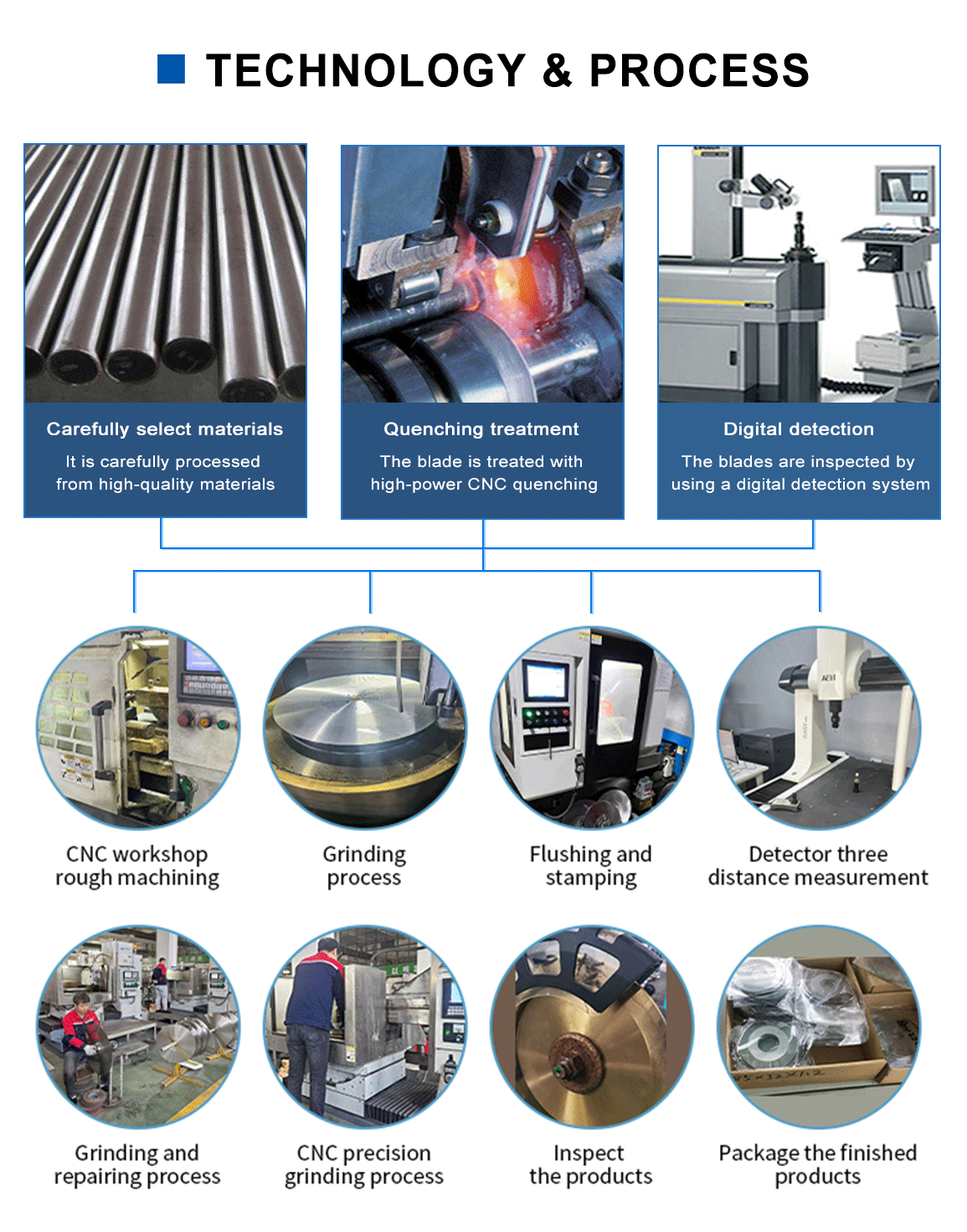
Type: The cutting and processing are carried out using precise equipment. High-precision grinding and polishing are applied to achieve smooth surface finish. Vacuum quenching and other processes are also employed.
Features:
- Ultra-high cutting accuracy and smoothness: The cutting edge must undergo mirror-like precision grinding, with an extremely low roughness. It can achieve cutting accuracy of micrometers (μm), ensuring that the cut surface is smooth without burrs, and preventing metal chips from contaminating the foil or affecting subsequent processes.
- Extremely high hardness and wear resistance: Using high-quality materials such as cemented carbide or high-speed steel, and through vacuum heat treatment, the hardness can reach HRC 58-65. The wear resistance is excellent, allowing for prolonged sharpness, reducing the frequency of tool changes, and improving production efficiency.
- Excellent anti-adhesion and corrosion resistance: Some blades will be coated with Teflon (PTFE) or plated with chromium, reducing the adhesion of the foil material during cutting and enhancing corrosion resistance, making them suitable for possible coolant or environmental corrosion.
- Special blade design: Considering the characteristics of foil materials, a large blade edge (with a large slope) is often adopted. This design reduces the cutting resistance, makes the cutting edge smoother and free of burrs, and is particularly suitable for splitting ultra-thin and high-quality materials.
Application Scenario:
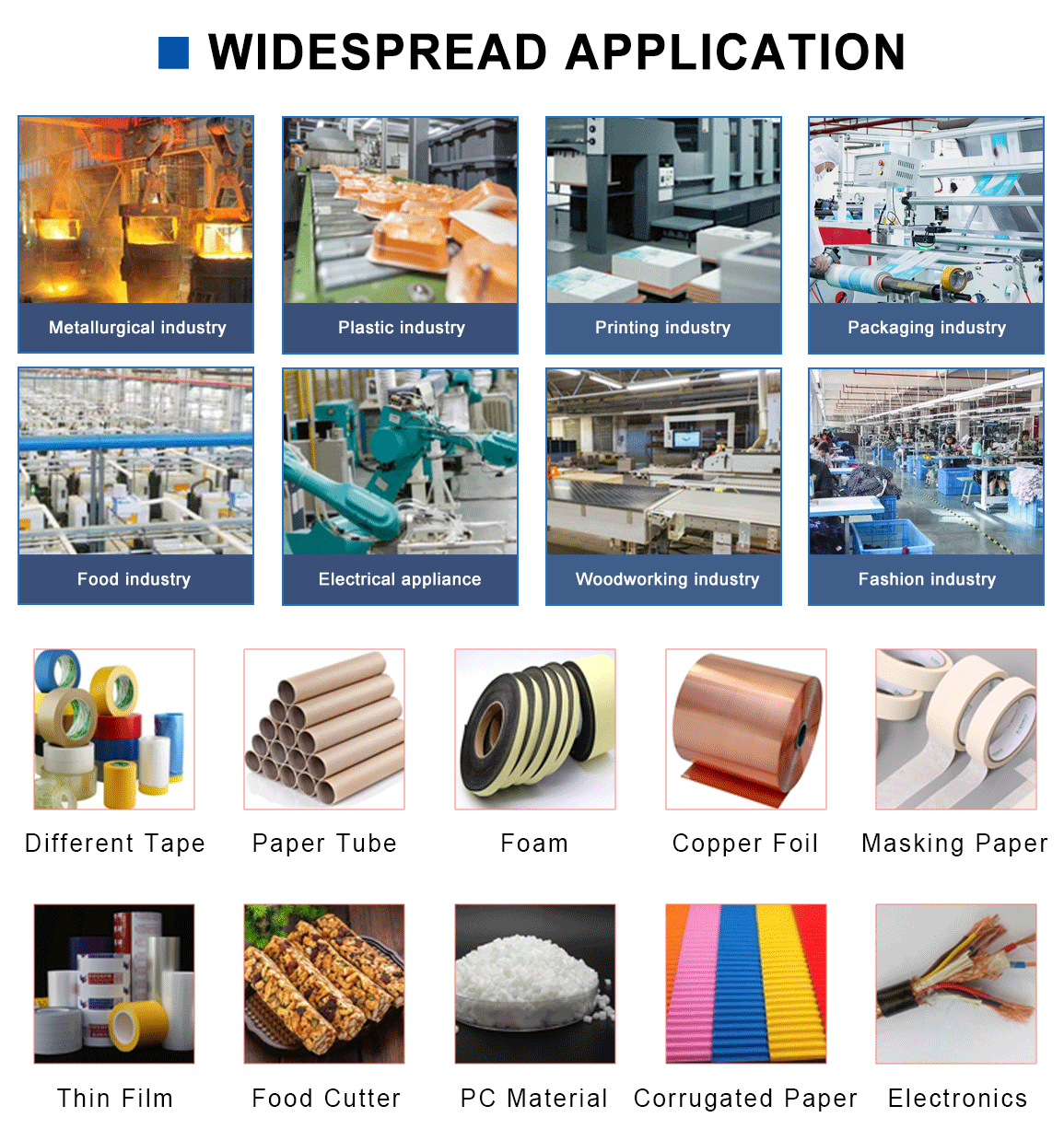
① Films: Soft polyvinyl chloride, hard polyvinyl chloride, polypropylene, polyethylene, polystyrene, polyethylene terephthalate, biaxially oriented polypropylene film, adhesive tape, etc.
② Paper: Kraft paper, anti-stick paper, wallpaper, pattern paper, adhesive paper, thick cardboard, etc.
③ Fabrics: Non-woven fabric, synthetic fibers, natural cotton, trademark fabric, etc.
In addition, it can also be used in the manufacturing of new energy batteries for the cutting of copper foil and aluminum foil, the cutting of electrode foils for power capacitors, the cutting of circuit boards for the electronics industry, the cutting of metal foils for packaging materials, and the cutting of metal foils in decoration and construction materials.
Selection criteria:
- Material selection should prioritize hard alloys: For the cutting of copper foil and aluminum foil, especially in high-performance applications, hard alloy (such as YG8) blades are the preferred choice. This is because they can significantly reduce burrs and warping issues, have a long lifespan, and offer high overall benefits.
- Blade edge design selection: For ultra-thin or highly demanding foil materials, a blade with a large edge (large slope) design can be given priority to achieve a smoother cut.
- Accuracy and size matching: Make sure that the inner diameter, outer diameter and thickness of the blade are perfectly matched with your cutting machine. The higher the accuracy requirement, the better (such as at the micron level).
- Consult with professional manufacturers: Due to the highly specialized nature of metal foil cutting, it is strongly recommended to have in-depth communication with reliable blade manufacturers or suppliers, providing them with your specific materials, equipment models and quality requirements.
We welcome your inquiries. Yuxin can offer the most suitable selection suggestions and even customized solutions.
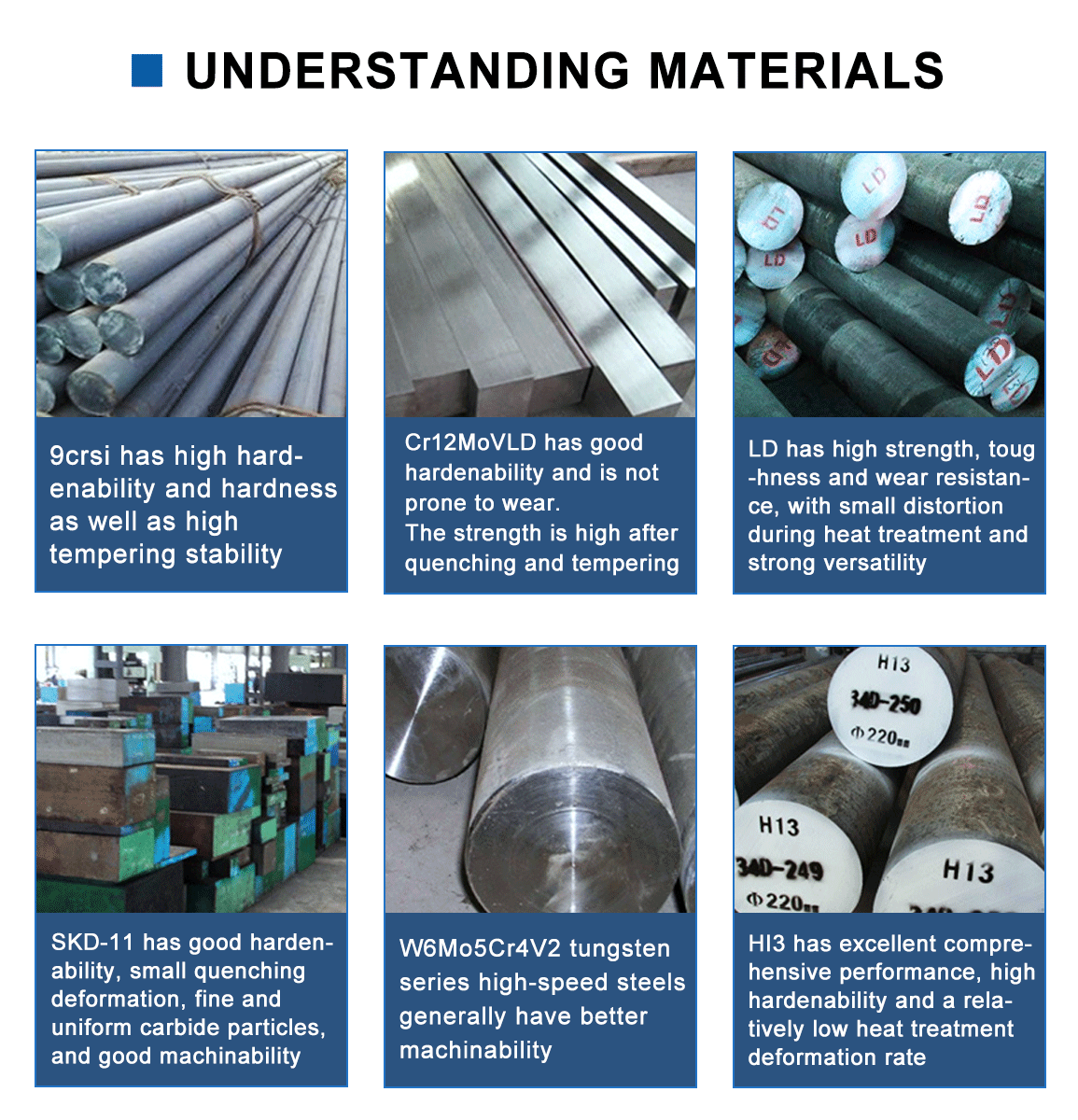
To quickly compare the primary materials we offer, here is a summary table:
| Material Type | Typical Hardness (HRC) | Key Advantages | Limitations | Ideal For |
| High-Speed Steel (HSS) | 60-68 | Excellent toughness, good wear resistance, cost-effective. | Lower wear resistance than carbide, requires more maintenance. | General-purpose metalworking, woodworking, plastic cutting. |
| Tool Steel (e.g., SAE1095) | 58-62 (Hardened) | High strength, excellent wear resistance, good sharpness. | Less resistant to high temperatures than HSS or Carbide. | Springs, hand tools, scrapers, industrial cutters. |
| Carbide / Tungsten Carbide | 60-65 (Blades) | Exceptional hardness & wear resistance, high heat resistance. | Brittle, higher cost, complex manufacturing. | Hard materials, abrasive non-ferrous metals, high-volume production. |
| Stainless Steel | Varies (e.g., 420, 440) | Excellent corrosion resistance, durable, hygienic. | Generally not as hard as tool steels or HSS. | Food processing, medical instruments, wet environments. |
| Ceramic | N/A (Extremely Hard) | Superior edge retention, corrosion resistance, hygienic, lightweight. | Fragile, limited cutting capacity, higher cost. | Precision cutting in specific industries (e.g., textiles, packaging). |
We Are Here to Help: Choosing the right material is complex. As a factory, we have the expertise to guide you. We offer custom blade solutions and can advise on the optimal material, heat treatment, and geometry for your specific application.
Contact us today for a personalized recommendation and quote. Let our manufacturing expertise solve your cutting challenges.
Reviews
There are no reviews yet.