


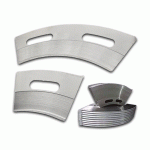
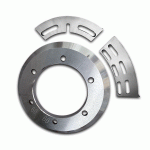

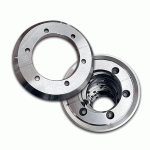
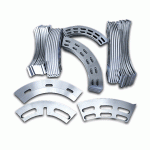

Sharp Arc-shaped Carbide V-Grooving Blades Custom For Papermaking and Packaging industry


Products:The blade of the carton slitting and paper separation machine is a core component in corrugated cardboard processing equipment. It is mainly used for operations such as slitting, slitting, and creasing of cardboard to ensure the dimensional accuracy and forming effect of the finished carton. This type of blade is usually installed on a paper slitting and slotting machine. It cuts cardboard through high-speed rotation or reciprocating motion and is widely used in industries such as carton manufacturing and packaging printing.
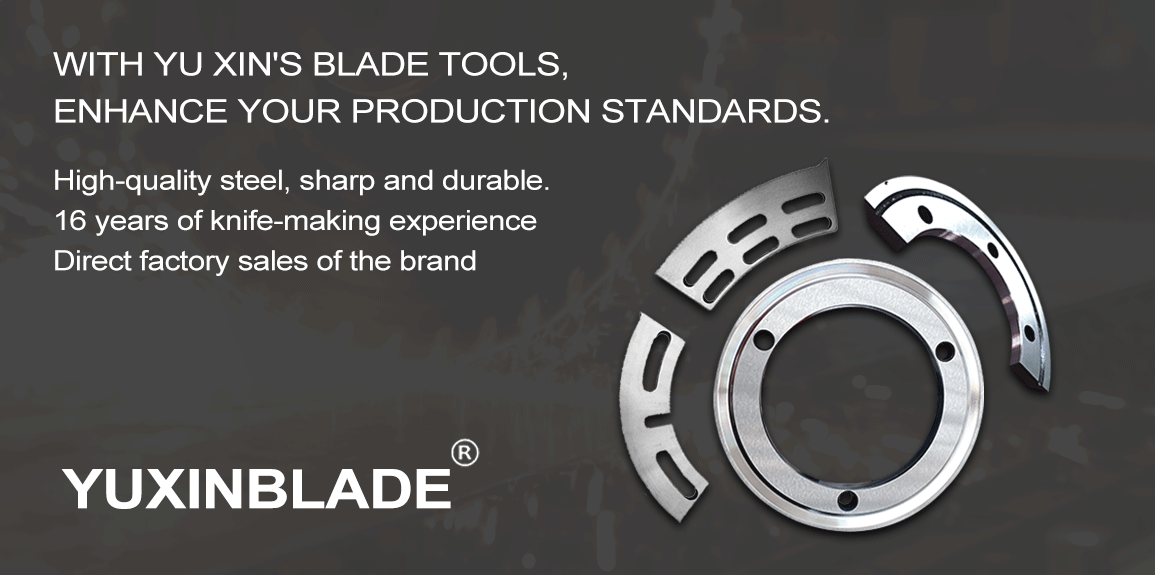
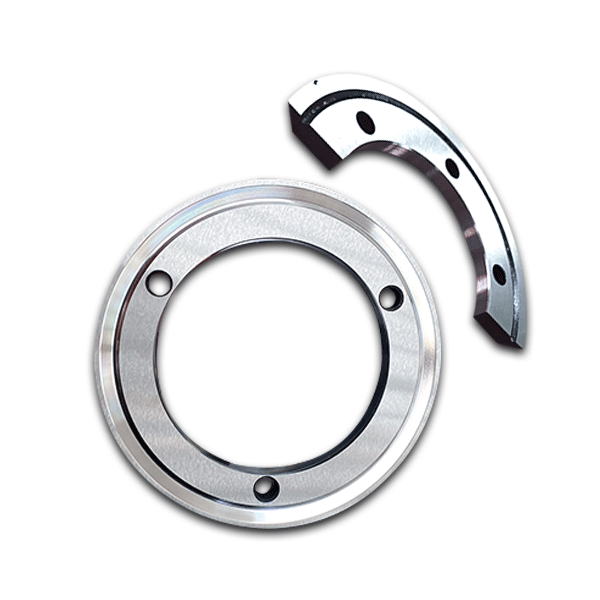
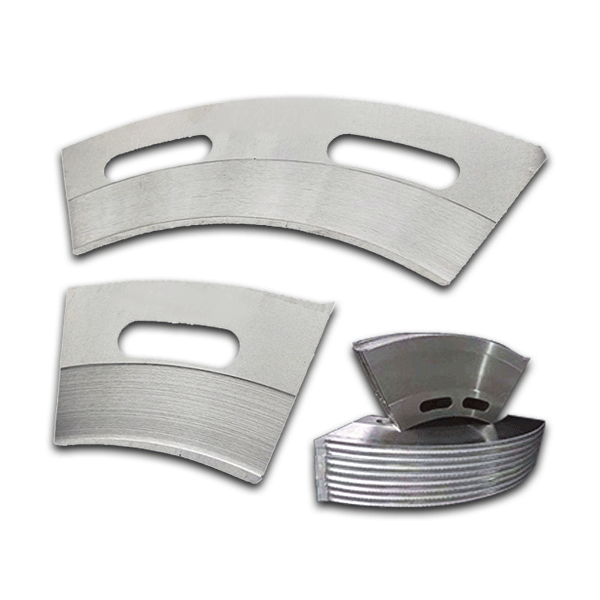
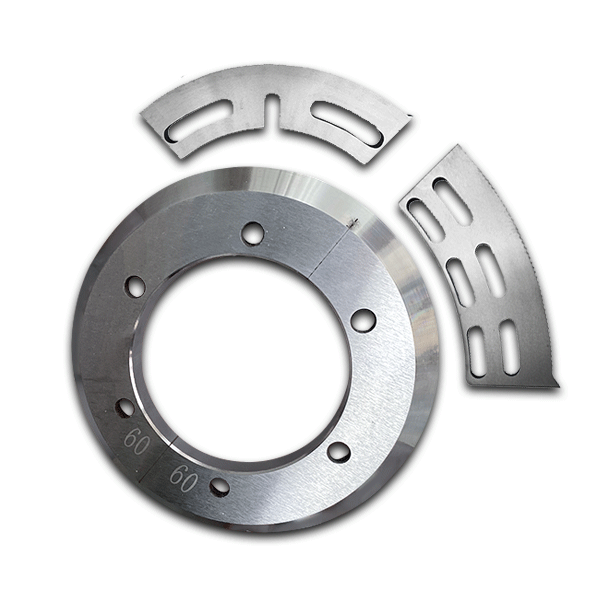
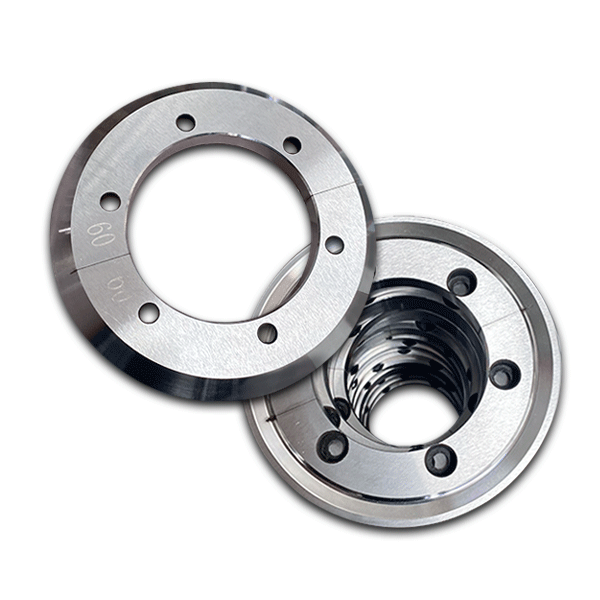
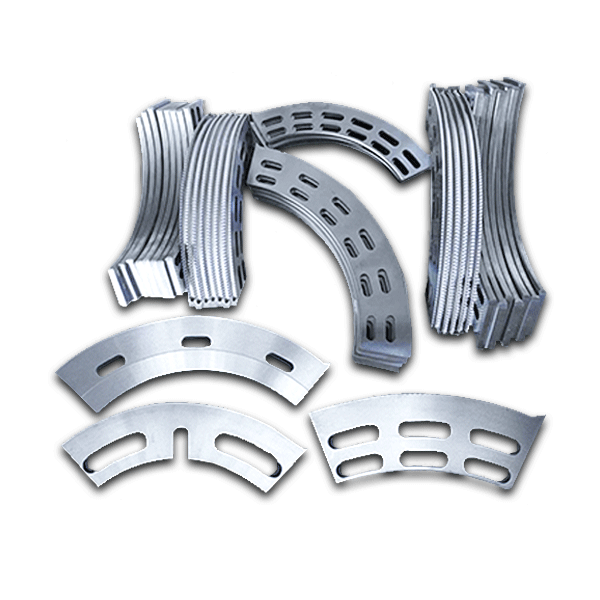
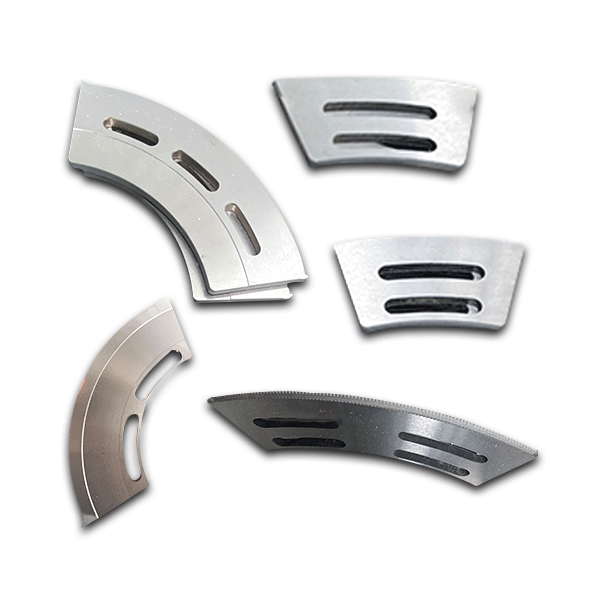
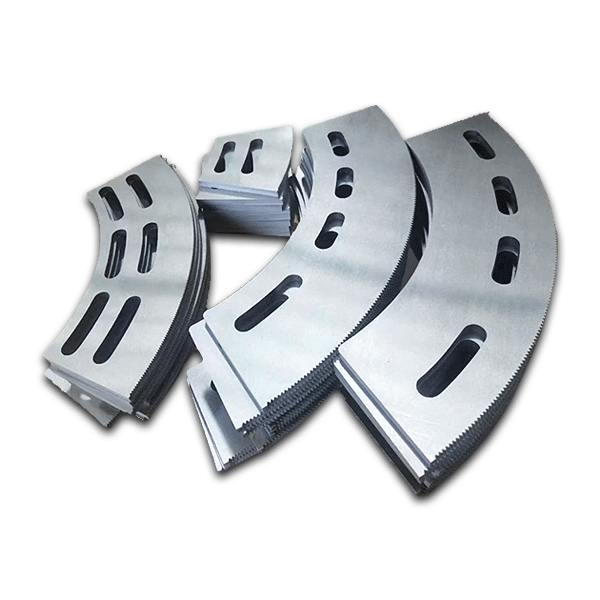
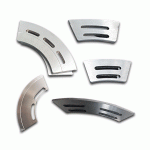
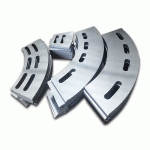
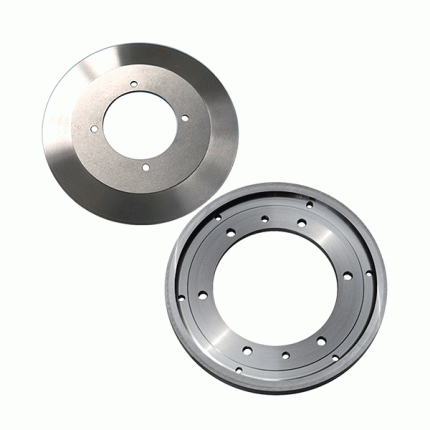
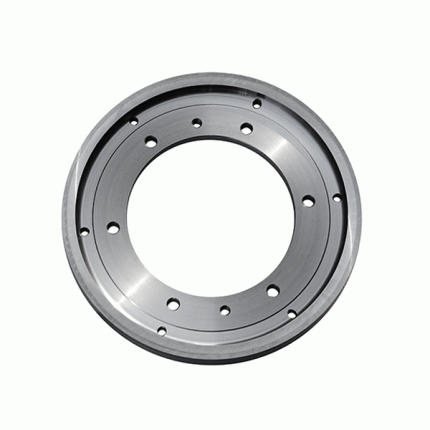
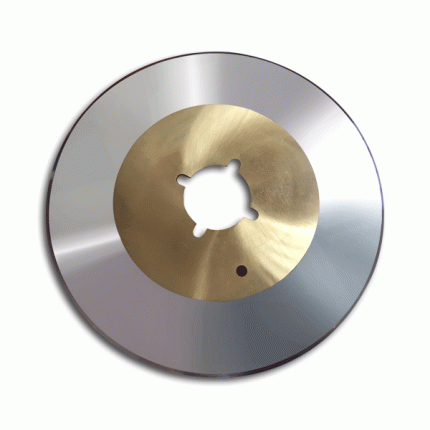
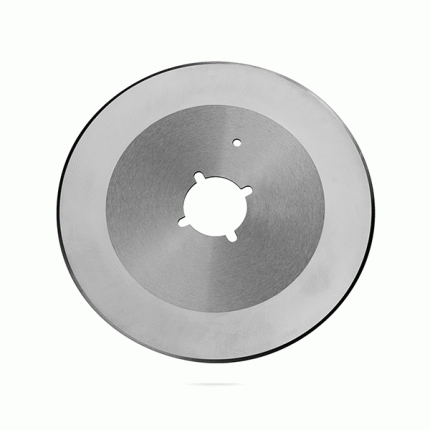
Product Name: Arc-shaped Carbide blade / V Corrugated Paper Slotting Knife / V-Grooving Blades
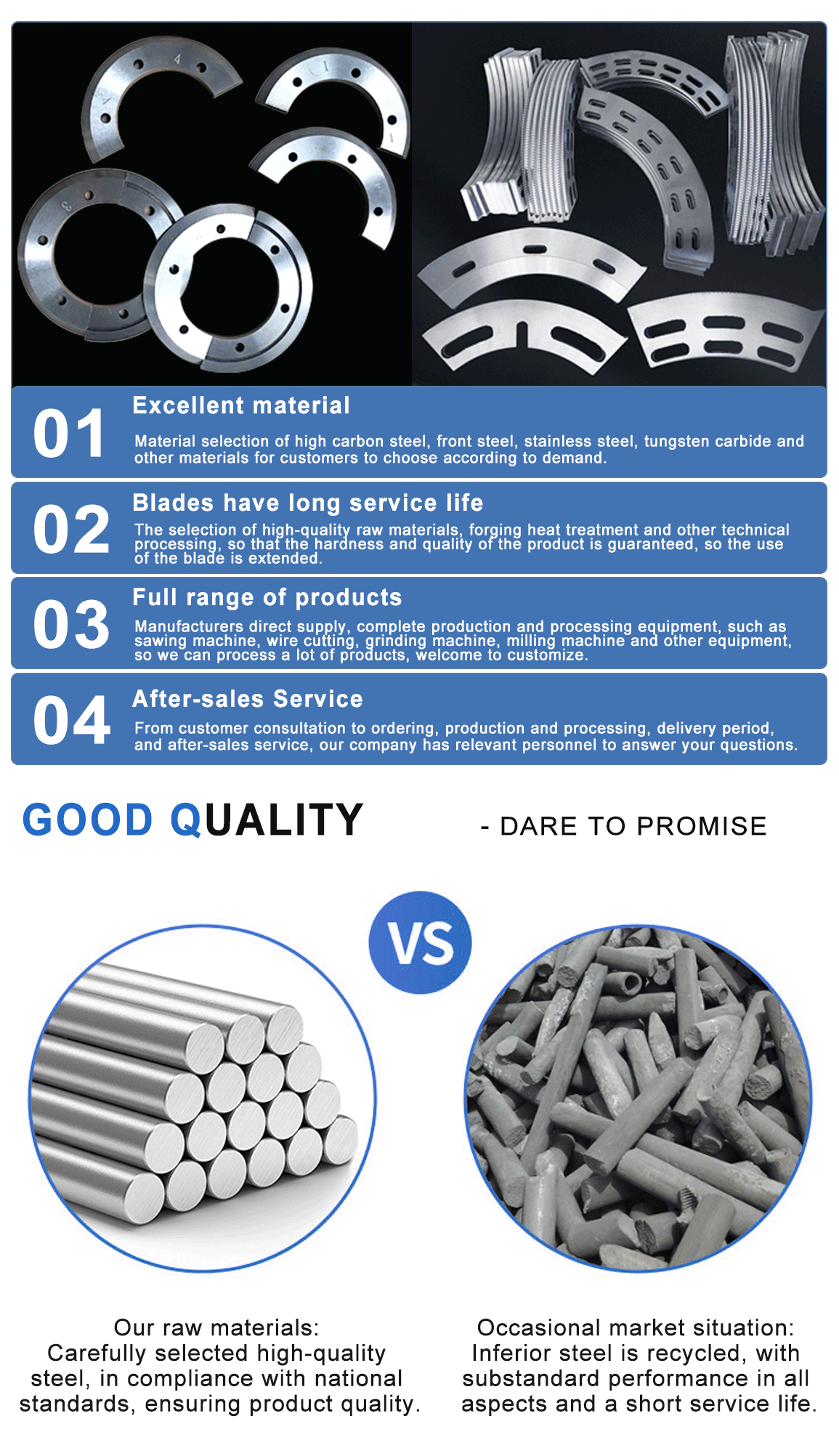
Material:High-speed steel (HSS), cemented carbide (tungsten steel), ceramic blades, coated blades
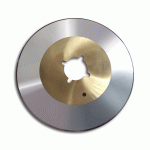
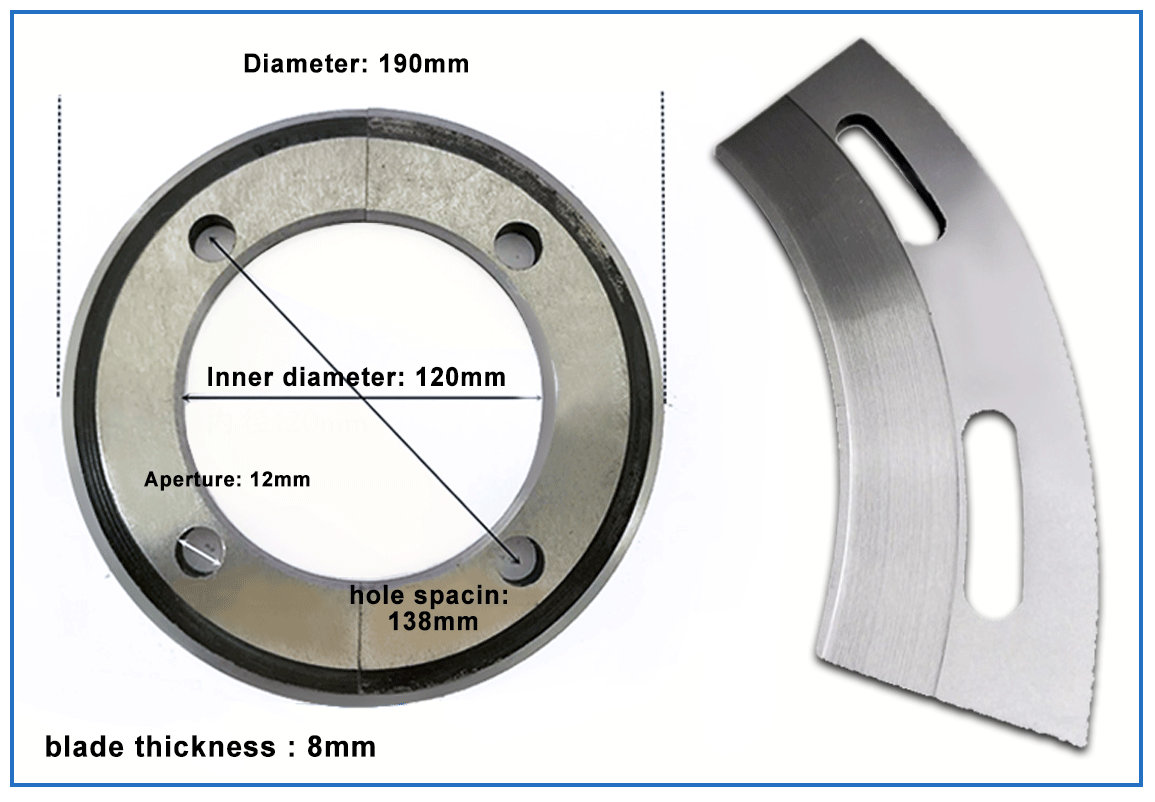
Size: Outer diameter: 165-190 mm, hole spacing: 115-140mm, inner diameter: 95-120mm, four holes
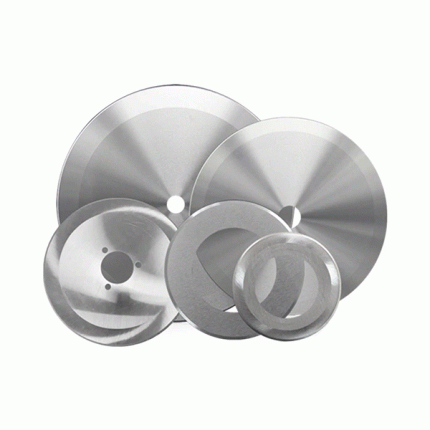
Type: Carton machinery slitting knives, arc-shaped slotting knives, and non -standard tulwaur products at discounted prices are available for customization
Features:
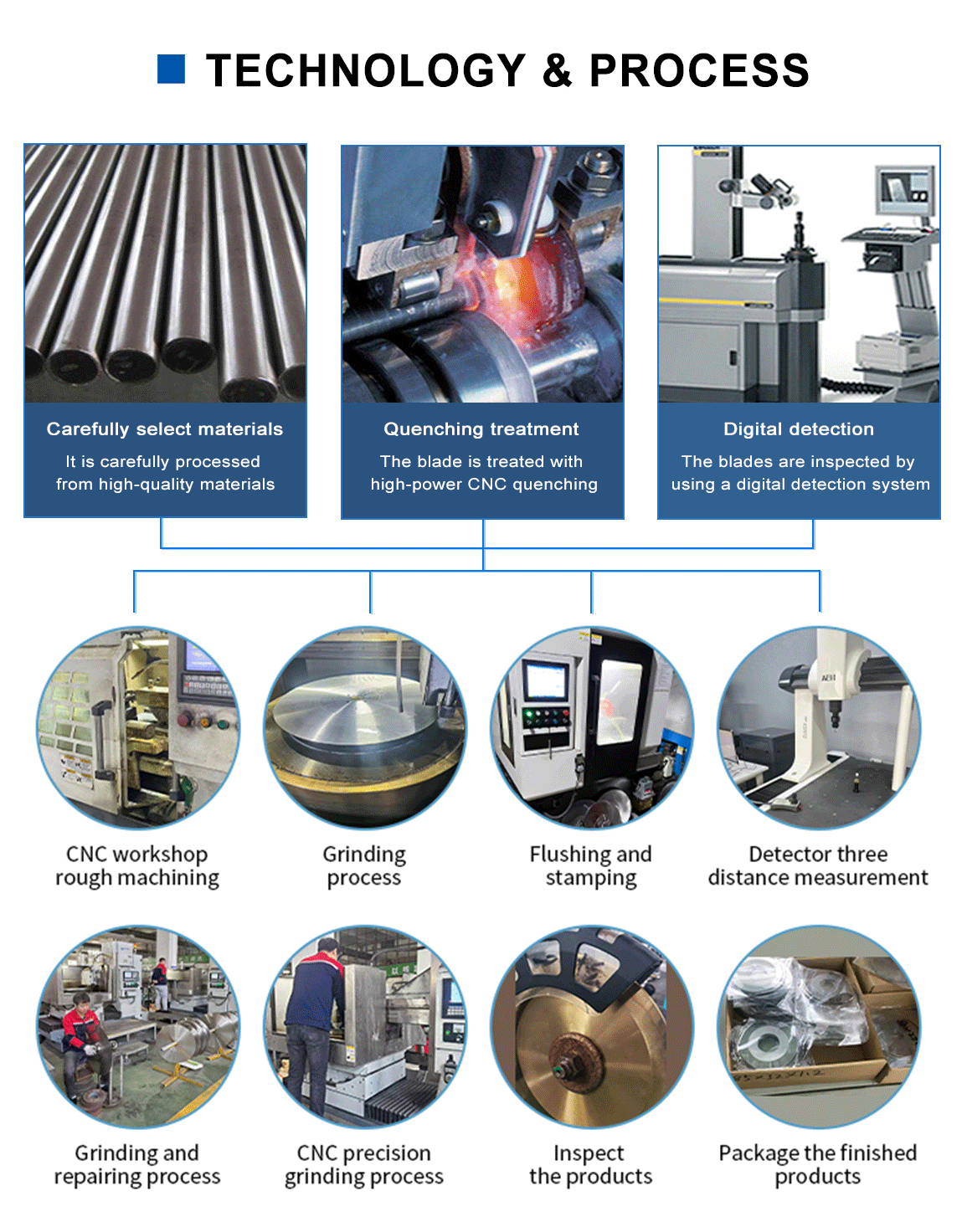
- High hardness and wear resistance: The blade must have high hardness (typically HRC 60 or above) to resist the wear caused by impurities in the paperboard (such as sand particles, glue), thereby extending its service life.
- Sharpness and cutting accuracy: The cutting edge must be precisely ground to ensure a smooth and clean cutting edge without burrs, preventing the paperboard from splitting or tearing, and meeting the requirements of high-speed production.
- Corrosion resistance: Some of the blades need surface treatment (such as chrome plating or nitriding) to prevent rust caused by moisture in the paperboard or glue.
- Stability and impact resistance: During high-speed cutting, it is necessary to maintain rigidity to prevent deformation or chipping due to vibration.
- Repairability: Some blades are designed to allow multiple grinding sessions, thereby reducing the cost of replacement.
Application Scenario:
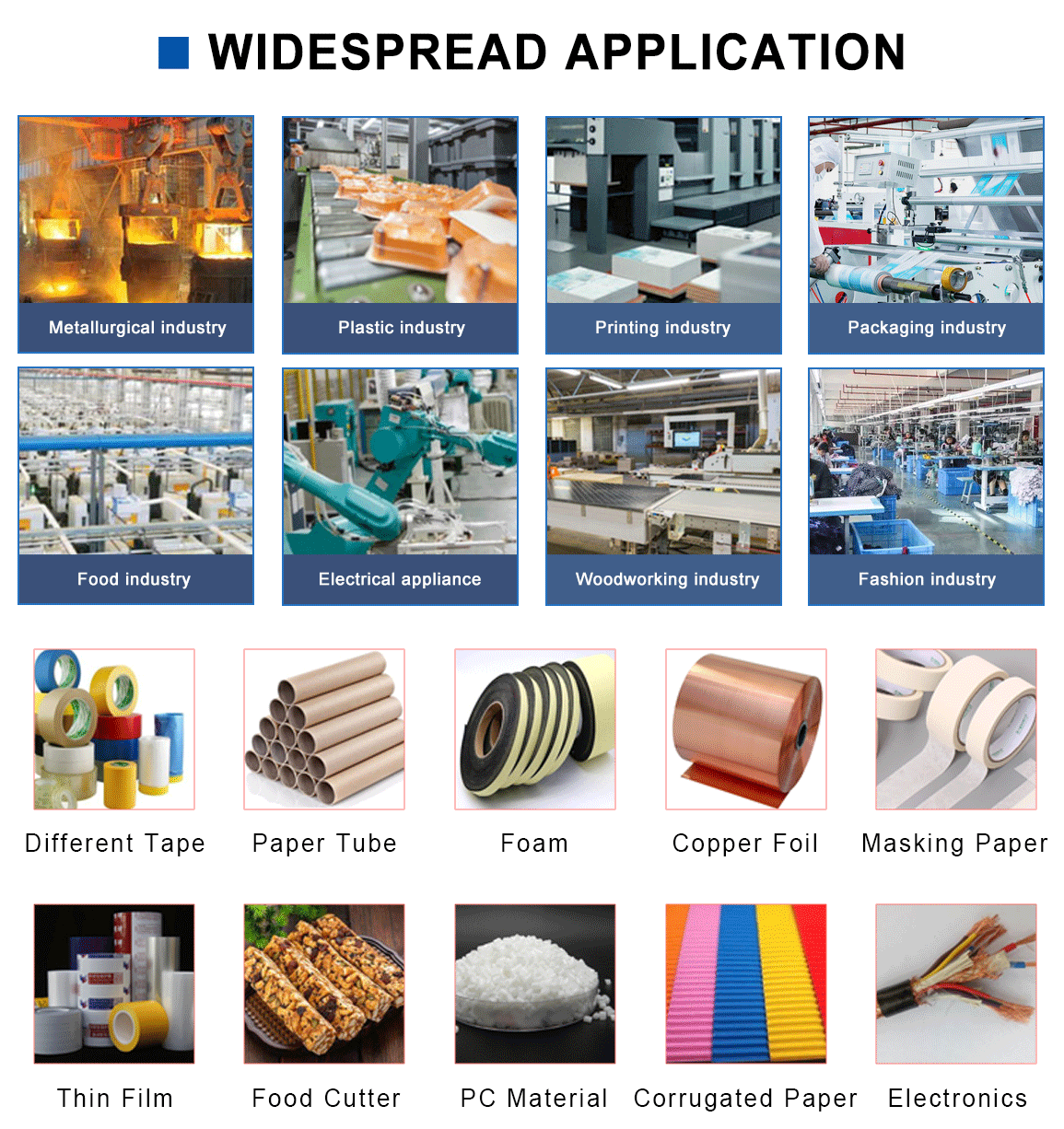
- Carton forming: It is used for slitting the edges of corrugated cardboard, slotting (to form folding grooves for the carton), and creasing (to facilitate folding and forming).
- Packaging industry: It is suitable for the processing of packaging cartons for food, electronic products, home appliances, etc., especially with a high demand for precise slitting of irregular-shaped cartons (such as display boxes).
- Post-printing process: On die-cutting machines or integrated production lines, precise slitting is carried out in coordination with the printed patterns.
Introduction To Other Blade Types:
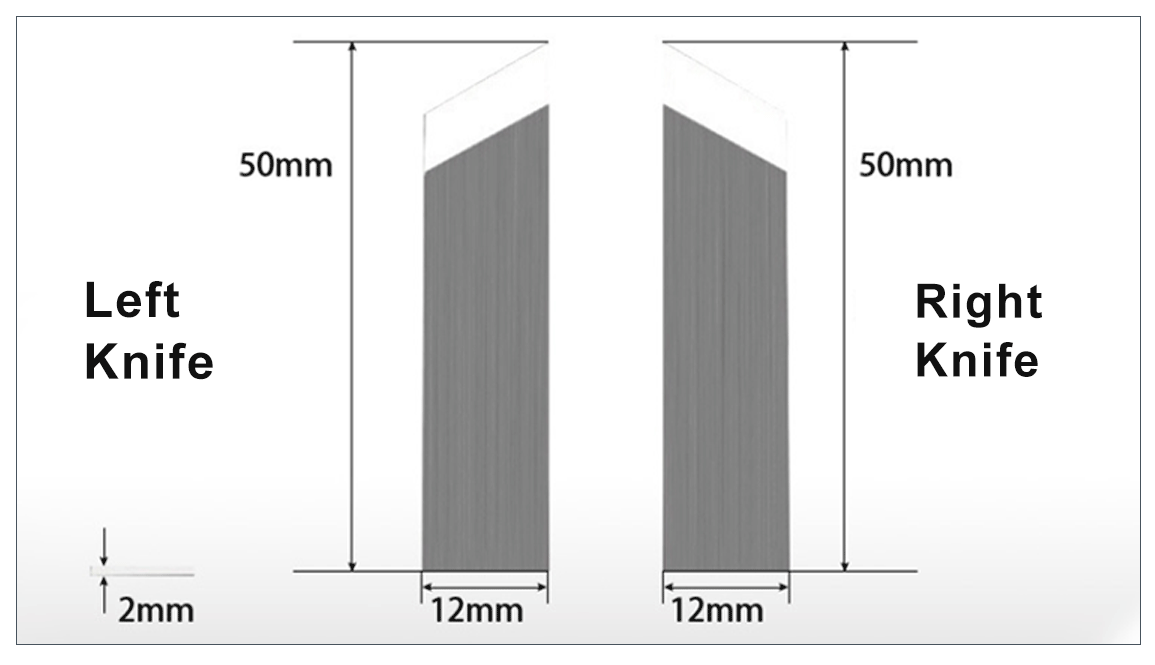
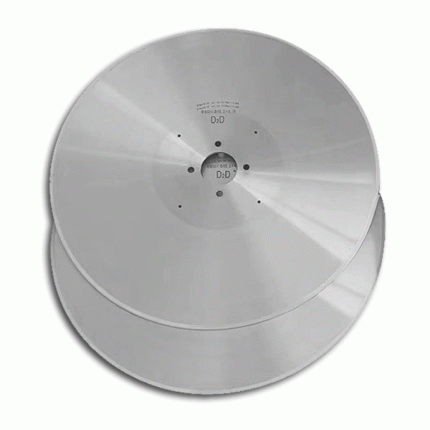
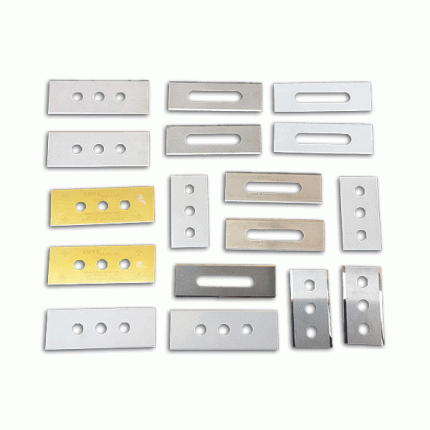
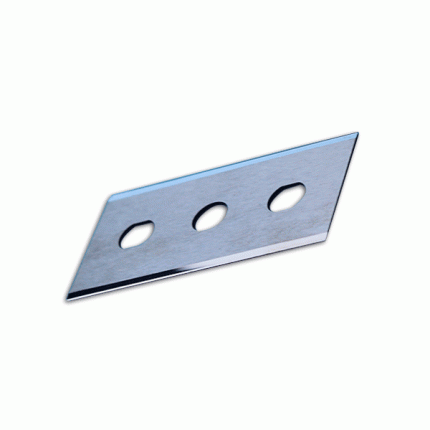
Tungsten steel slotting blade: It is usually designed with two pieces on both the left and right sides to form a pair, ensuring the symmetry and accuracy of the slotting. It has high hardness, good wear resistance, and a mirror-polished sharp edge. It is mainly used in the packaging industry (such as gift boxes, paper box slotting), the printing industry (such as hardcover book covers), and the woodworking industry (such as density board, ash board slotting), etc.
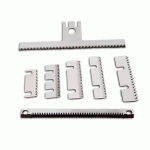
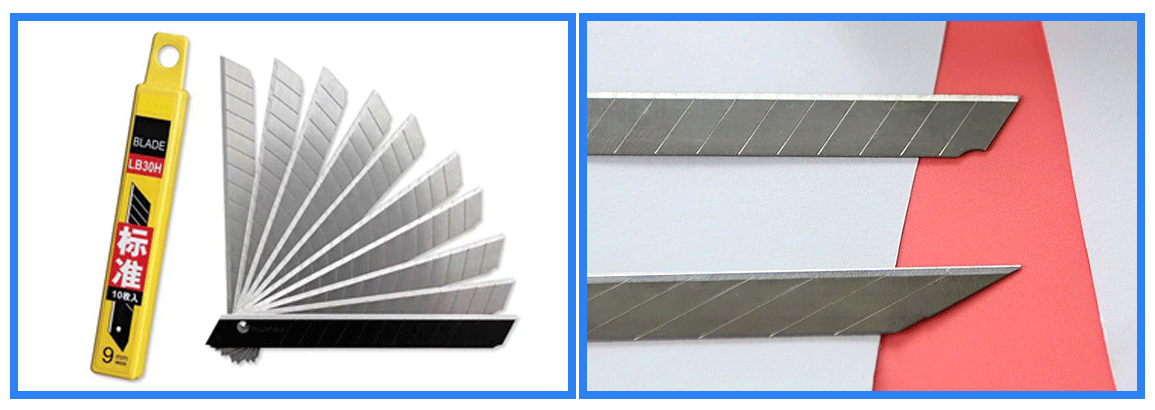
Tungsten steel V-CUT blade: Specifically designed for cutting V-shaped grooves on PCBs (printed circuit boards). It has a large number of teeth, ensuring precise processing, high surface finish, and no deformation. This blade is ideal for processing V-shaped grooves on PCBs, facilitating the subsequent breaking and separation of the boards.
Selection criteria:
- Choose the material based on the thickness of the cardboard and the production speed (hard alloy is suitable for high-speed and high-load operations).
- The depth and shape of the slots determine the blade structure (such as straight blades, round blades or combined blade molds).
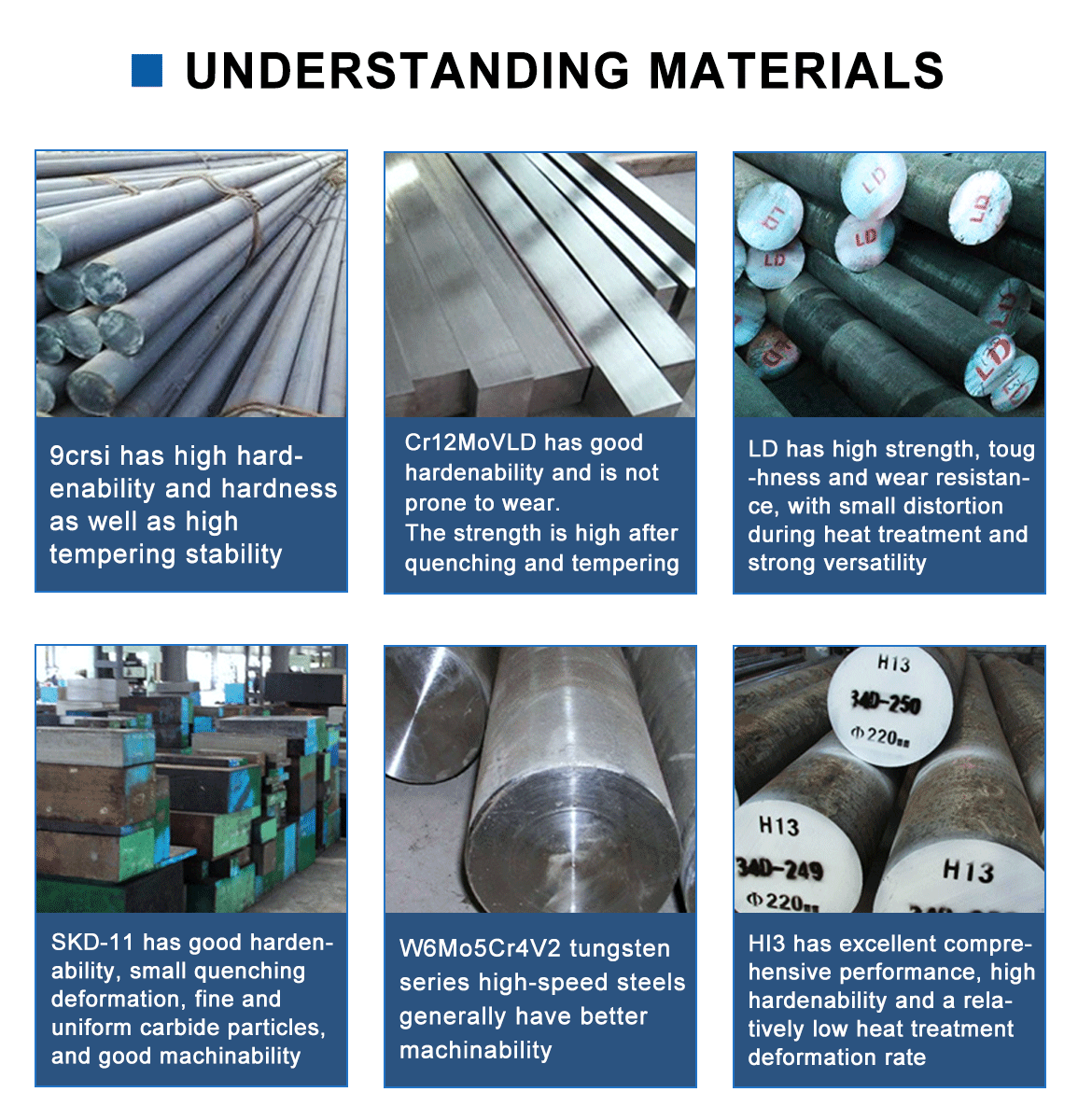
To quickly compare the primary materials we offer, here is a summary table:
| Material Type | Typical Hardness (HRC) | Key Advantages | Limitations | Ideal For |
| High-Speed Steel (HSS) | 60-68 | Excellent toughness, good wear resistance, cost-effective. | Lower wear resistance than carbide, requires more maintenance. | General-purpose metalworking, woodworking, plastic cutting. |
| Tool Steel (e.g., SAE1095) | 58-62 (Hardened) | High strength, excellent wear resistance, good sharpness. | Less resistant to high temperatures than HSS or Carbide. | Springs, hand tools, scrapers, industrial cutters. |
| Carbide / Tungsten Carbide | 60-65 (Blades) | Exceptional hardness & wear resistance, high heat resistance. | Brittle, higher cost, complex manufacturing. | Hard materials, abrasive non-ferrous metals, high-volume production. |
| Stainless Steel | Varies (e.g., 420, 440) | Excellent corrosion resistance, durable, hygienic. | Generally not as hard as tool steels or HSS. | Food processing, medical instruments, wet environments. |
| Ceramic | N/A (Extremely Hard) | Superior edge retention, corrosion resistance, hygienic, lightweight. | Fragile, limited cutting capacity, higher cost. | Precision cutting in specific industries (e.g., textiles, packaging). |
We Are Here to Help: Choosing the right material is complex. As a factory, we have the expertise to guide you. We offer custom blade solutions and can advise on the optimal material, heat treatment, and geometry for your specific application.
Contact us today for a personalized recommendation and quote. Let our manufacturing expertise solve your cutting challenges.
Reviews
There are no reviews yet.