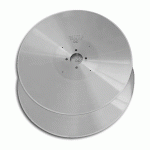
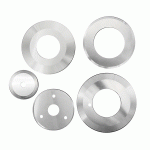
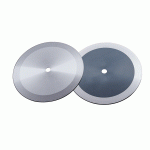
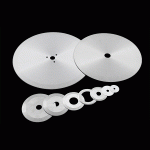
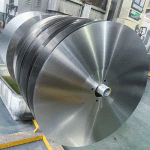
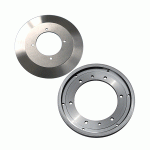
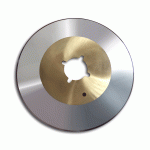
Professional Slitting Circular Blade Manufacturer -610 Large Knife Suitable For Paper Packaging Industry


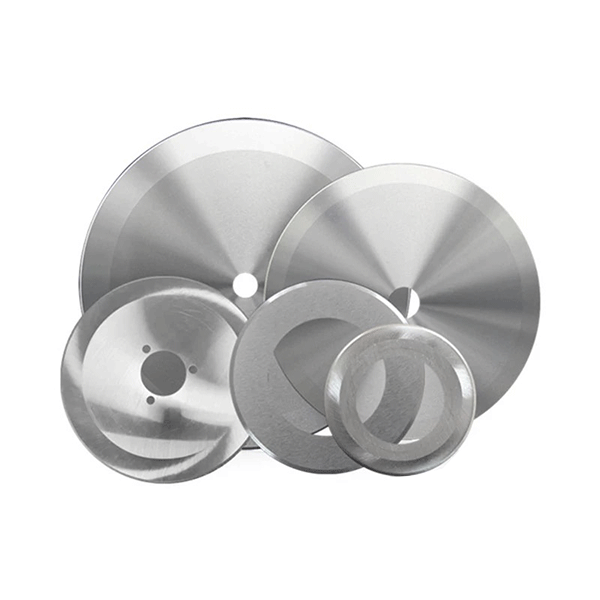
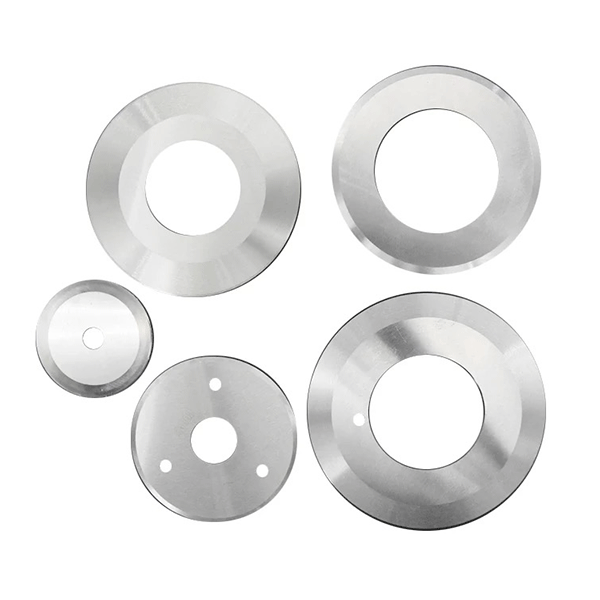
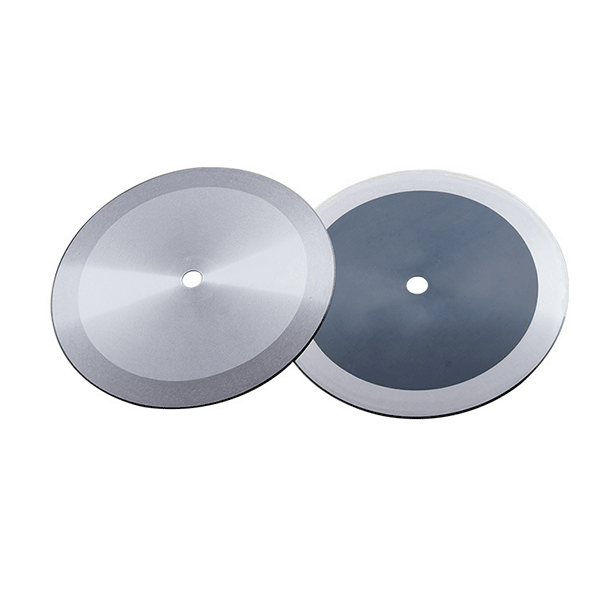
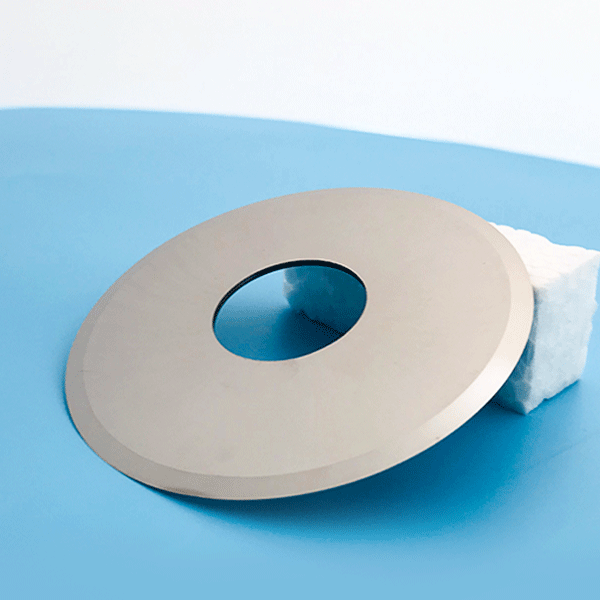
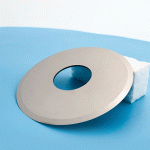
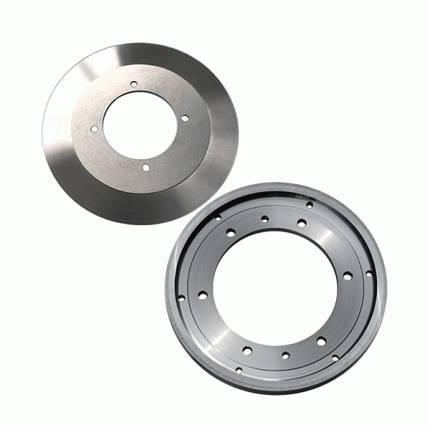
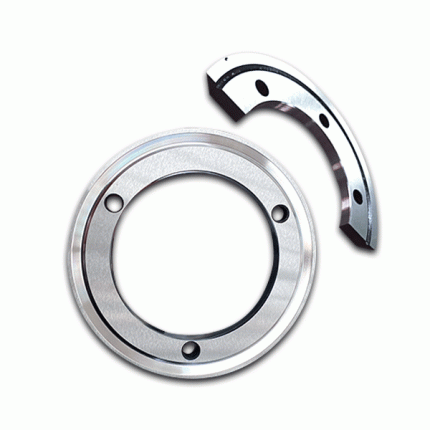
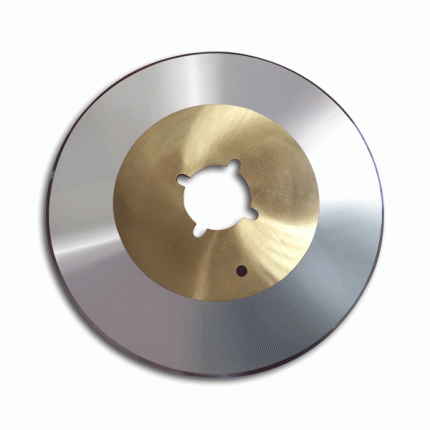
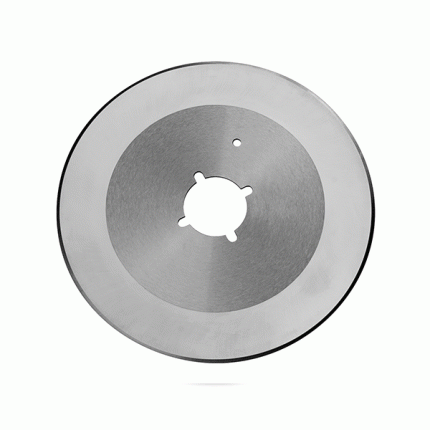
Products :The Slitting circular blade is a circular-shaped high-precision cutting tool with a central hole for easy installation and fixation. It mainly achieves efficient cutting of roll materials such as paper, film, metal foil, and tape through two methods: the up-and-down circular disc shearing and the circular blade extrusion cutting.
The manufacturing accuracy for this product is extremely high. Some even need to reach the micron level to ensure that the edges of the cut products are neat and free of burrs, meeting the quality requirements for subsequent processing. These types of blades are widely used in various industries such as papermaking, packaging, printing, electronics, and metallurgy.
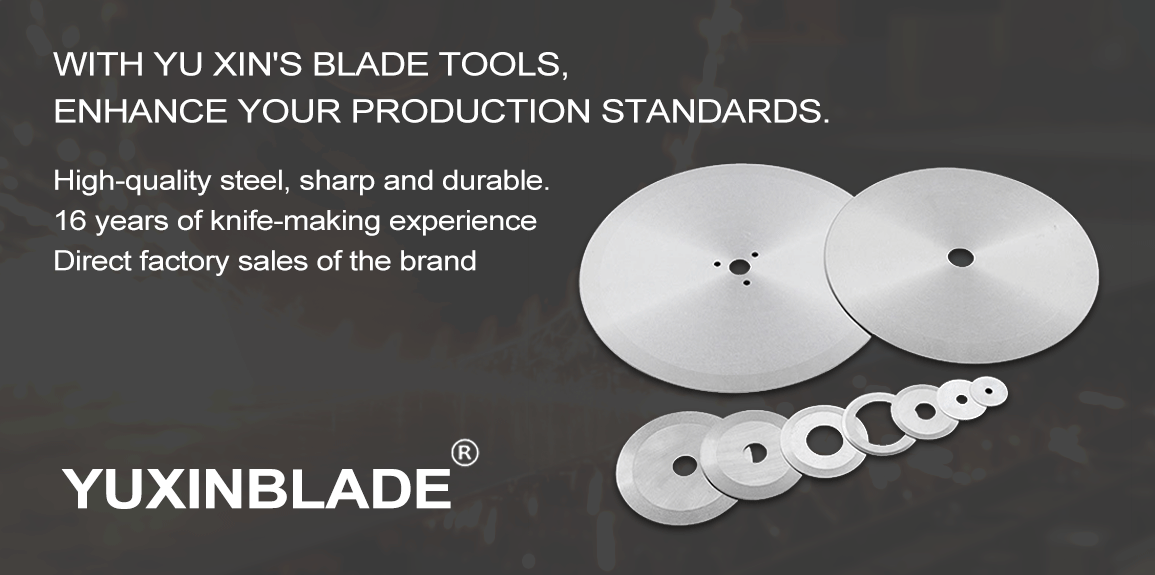
Product Name: Slitting machine round blade / Slitter blades
Material: High carbon steel, high-speed steel, tool steel, hard alloys such as tungsten steel, stainless steel, 65Mn, 9CrSi, Cr12Mov, SKD-11, SKH-51, 3Cr13, 9Cr18, SUS440C, 420J2, W6Mo5Cr4V2, etc. (Can be customized according to customer requirements).
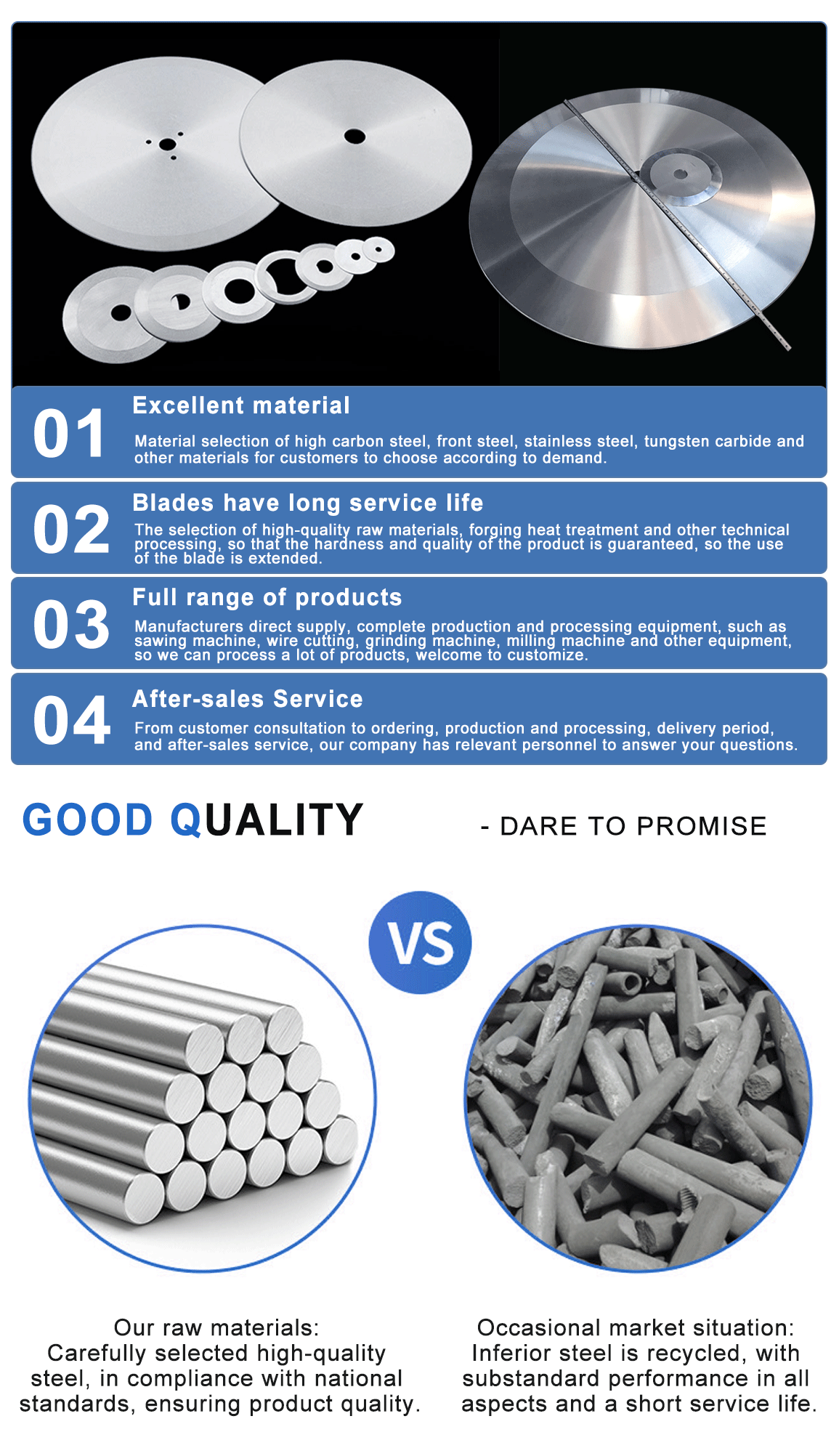
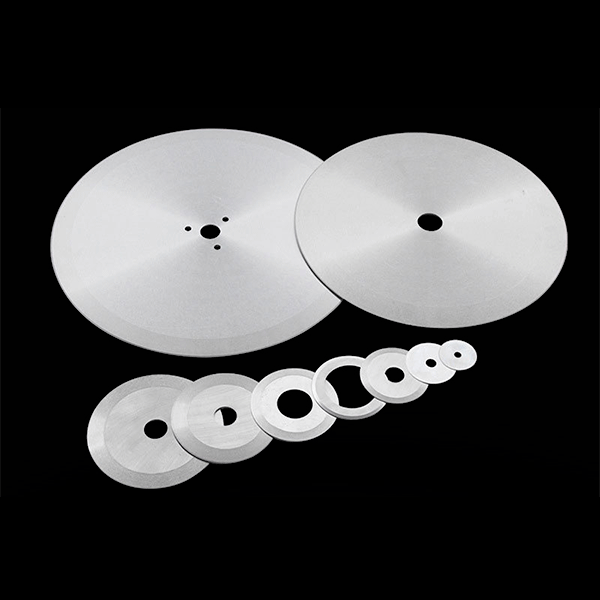
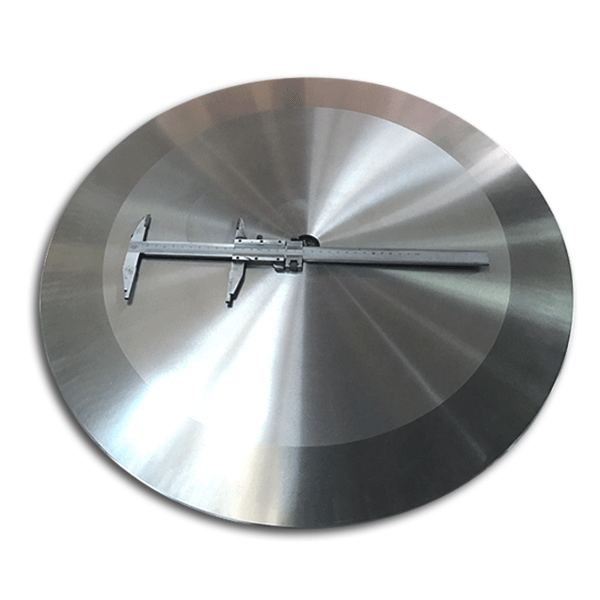
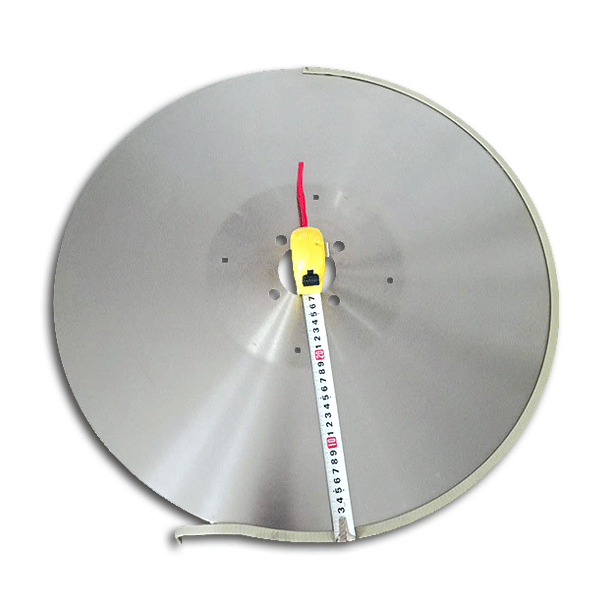
Size: Outer diameter: 28 – 610 millimeters (can be customized according to centimeter specifications) Thickness: 0.3 – 80 millimeters (can be customized according to customer requirements), multiple sizes are available for selection, and customization is also possible.
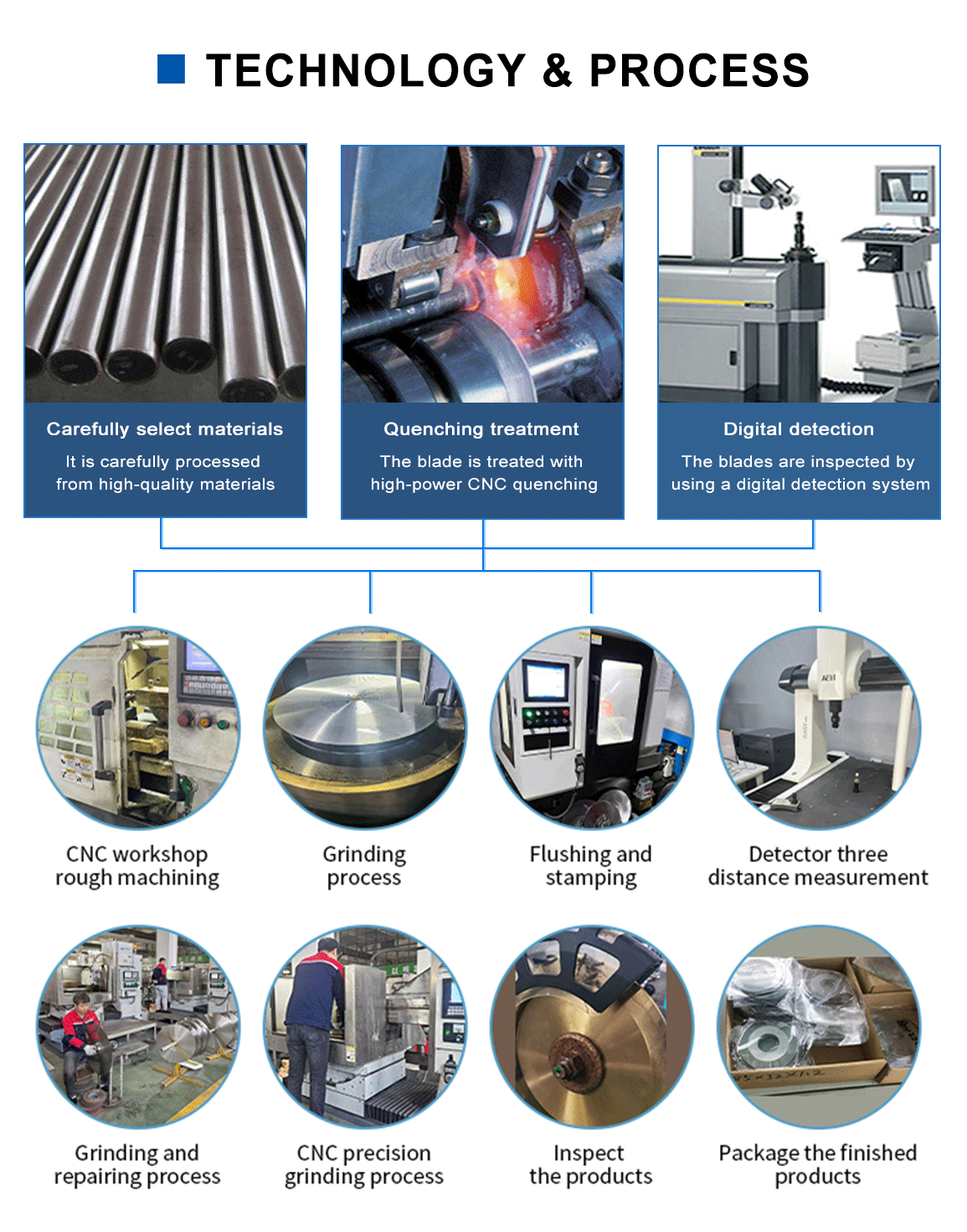
Type: Powder metallurgy involves steps such as mixing, pressing, and sintering; precision grinding for polishing; vacuum heat treatment; and PVD coating (such as TiN, TiAlN) treatment.
Blade characteristics:
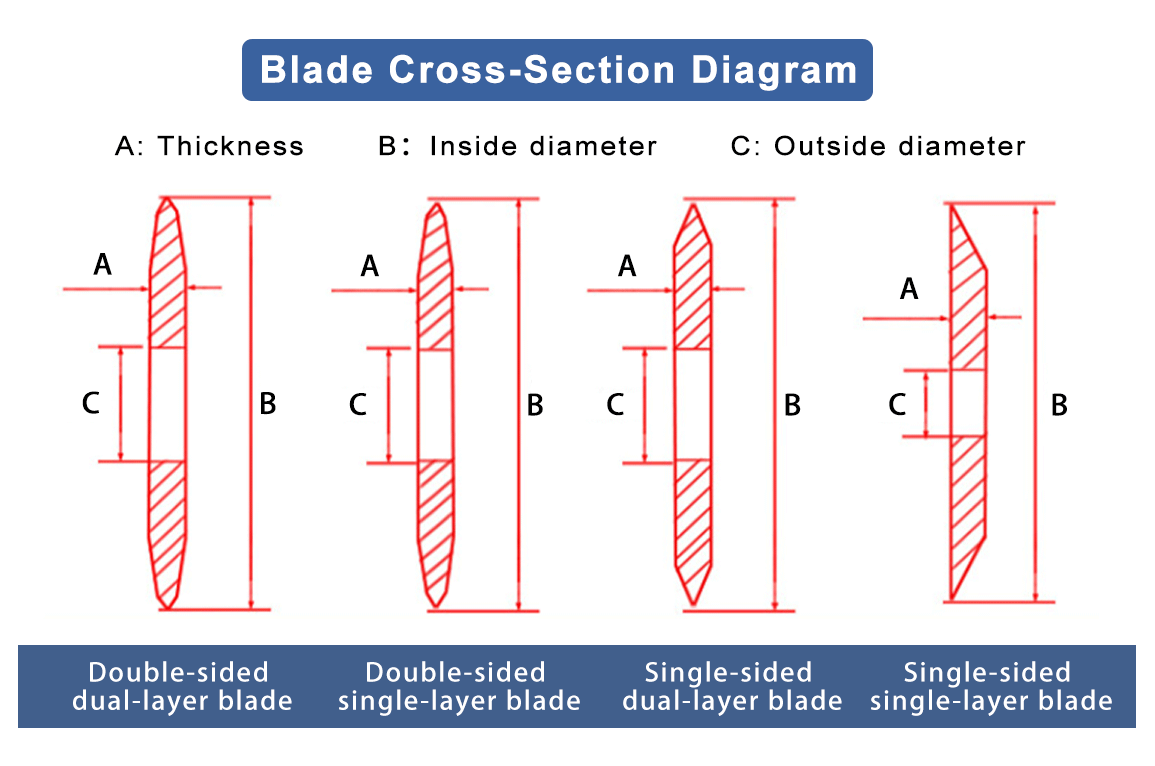
① Single-layer knife blade: This type is currently widely used. It is mainly used for cutting relatively hard or relatively thick materials. For example: self-adhesive materials, paper, leather, plastic, etc.
② Double-layer large knife blade: Due to the larger inclined surface of the blade, the cutting resistance is smaller and the cutting edge is smooth. It is mainly used for cutting materials with higher requirements and thinner thickness, such as films, thin plastics, etc.
Features:
- High hardness and wear resistance: Using high-quality alloy materials (such as hard alloy), the blade has high hardness and excellent wear resistance, which can effectively extend the service life and reduce the frequency of replacement. For example, the service life of a hard alloy blade can be more than 10 times that of a high-speed steel blade.
- Precise cutting capability: The blade edge has been precisely ground (with some surfaces achieving a mirror-like finish with an Ra value of 0.012), making it extremely sharp. This ensures smooth cutting, resulting in flat, smooth cuts without any burrs, meeting the requirements for high-precision slicing.
- High-temperature resistance: High-quality blade materials (such as high-speed steel, cemented carbide) possess excellent red hardness, maintaining hardness and performance stability even under the heat generated during high-speed cutting.
- Corrosion resistance and anti-sticking properties: Some blades will be made of stainless steel or coated with Teflon or other anti-sticking materials to adapt to humid environments or prevent certain materials (such as those containing sugar, oil, or sticky polymers) from adhering.
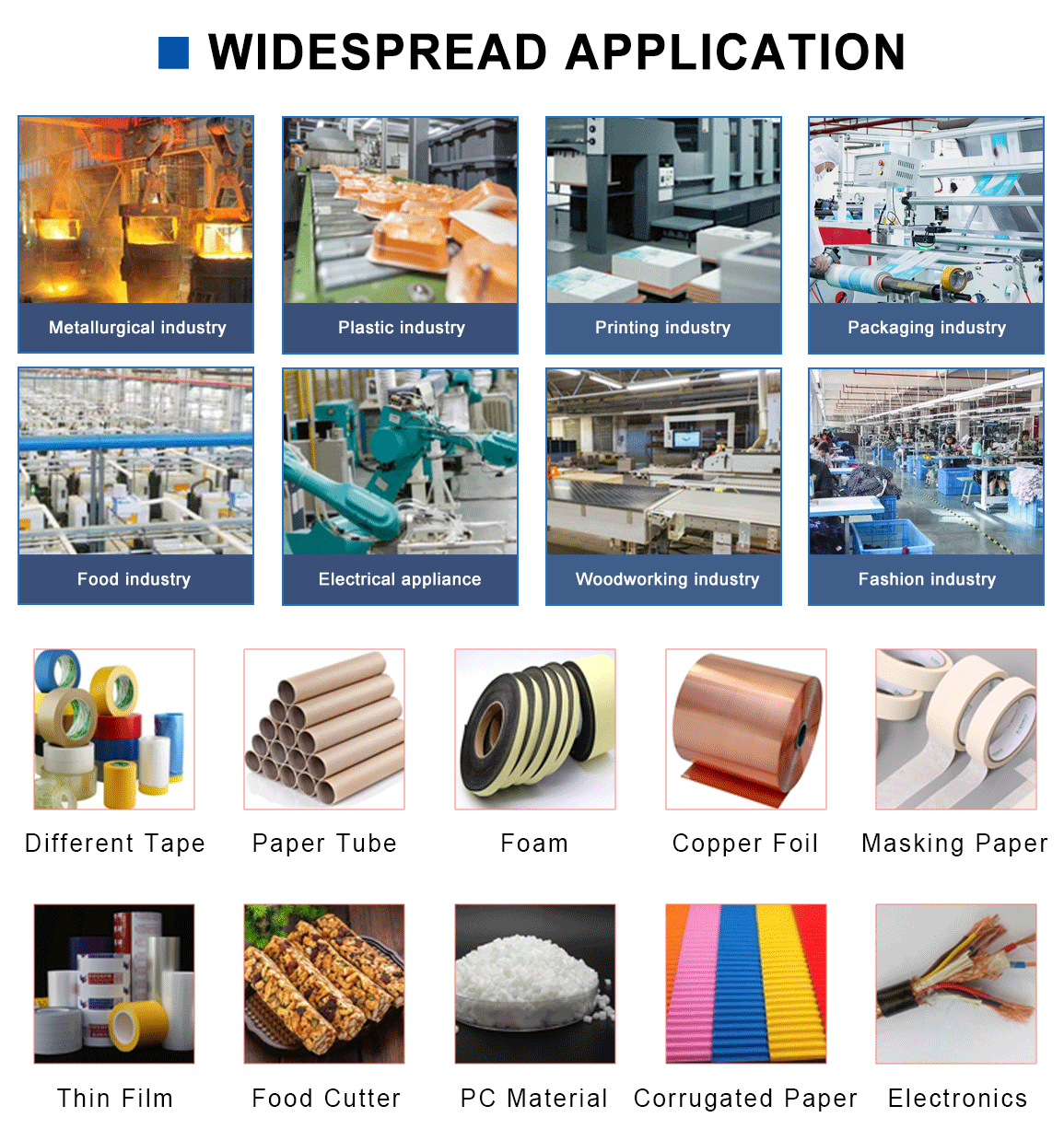
Application Scenario: The application of segmented circular blades is very extensive, covering almost all industries that need to handle rolled materials:
- Paper and Printing Industry: Slitting newsprint, coated paper, kraft paper, whiteboard paper, cigarette paper, anti-stick paper, wallpaper, pattern paper, adhesive paper, thick board, etc.
- Plastic and Film Industry: Cutting various plastic films and packaging materials such as BOPP, CPP, PET, soft PVC, hard PVC, PP, PE, PS, PET, BOPP, adhesive tape, etc.
- Metal foil processing: Cutting precision metal materials such as gold, silver, copper, and aluminum foil, with high precision and cleanliness requirements.
- Tape and magnetic tape: Used for cutting various tapes and magnetic tapes.
- Non-woven fabric and textile industry: Cutting non-woven fabric, fabrics, synthetic fabrics, natural cotton, trademark fabrics, and other synthetic fibers, etc.
- Other fields: Cutting and processing of rubber products, leather, composite materials, food packaging materials, etc.
Introduction To Other Blade Types:
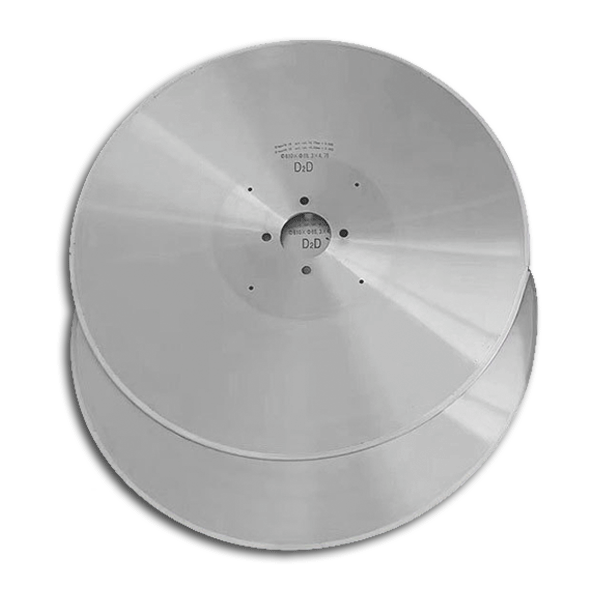
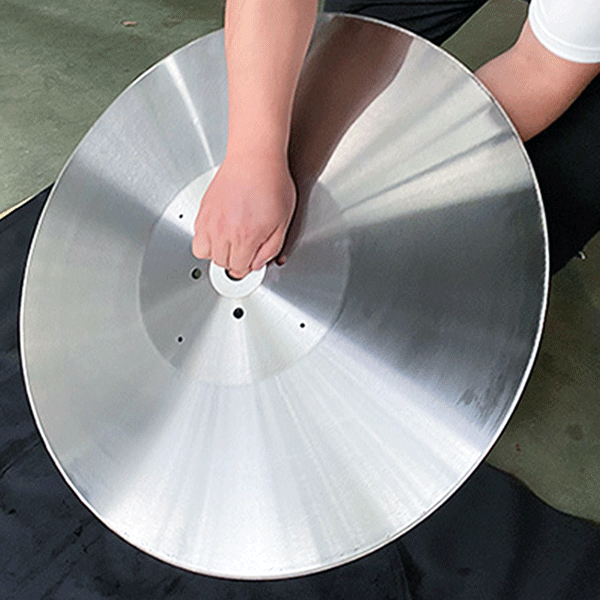
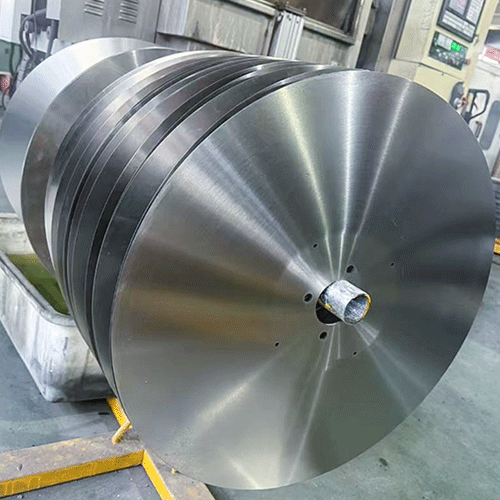
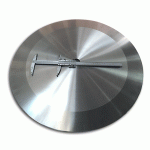
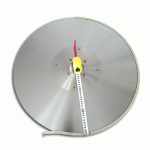
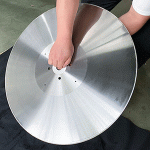
610 Large Round Blade: A large round blade with a diameter of 610mm. It is usually made of alloy tool steels such as D2, featuring high wear resistance, good toughness, and excellent impact resistance. It is mainly used for large-radius cutting and truncation of household paper products like toilet paper and napkins.
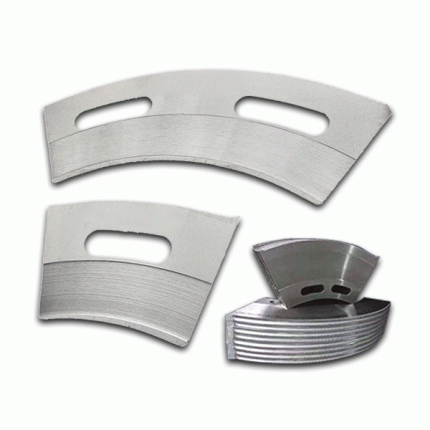
Paper tube cutting blade: Specifically designed for the cutting of various industrial paper tubes, chemical fiber paper tubes, tower paper tubes, etc. The material can be 9CrSi, Cr12MoV, high-speed steel or tungsten steel, and is mainly used in paper tube cutting machinery.
Hard alloy slicing paper blades: Made of hard alloy (such as K10), they have high hardness, sharp cutting edges, good wear resistance, long service life, and are resistant to acid and alkali corrosion. Suitable for applications such as corrugated paper slicing, PCB board cutting knives, and electronic circuit board cutting feet, where high requirements for wear resistance and precision are present.
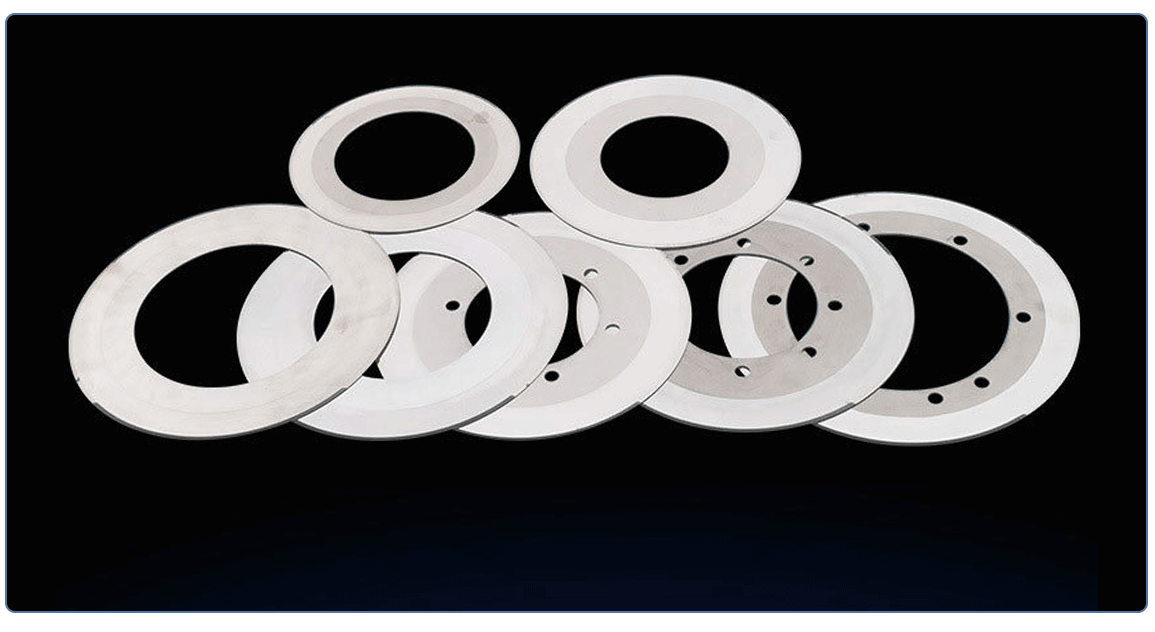
Corrugated paper cutting blade: Made of hard alloy material, specially designed for cutting corrugated paper. It has excellent wear resistance and can remain sharp for a long time. Mainly used for the cutting processing of corrugated paperboard.
Selection criteria:
- Select based on material properties: For cutting ordinary paper and films, cost-effective alloy tool steel can be chosen; for cutting high-strength or abrasive material rolls (such as glass fibers, metal foils), high-speed steel or carbide blades can be considered.
- Confirm specifications and accuracy: Based on the model of the shearing machine and the shearing requirements, determine the diameter, thickness, inner hole, etc. of the required blades, as well as the corresponding accuracy level.
- Consider non-standard customization: For special materials or unique cutting requirements, many manufacturers offer non-standard customization services.
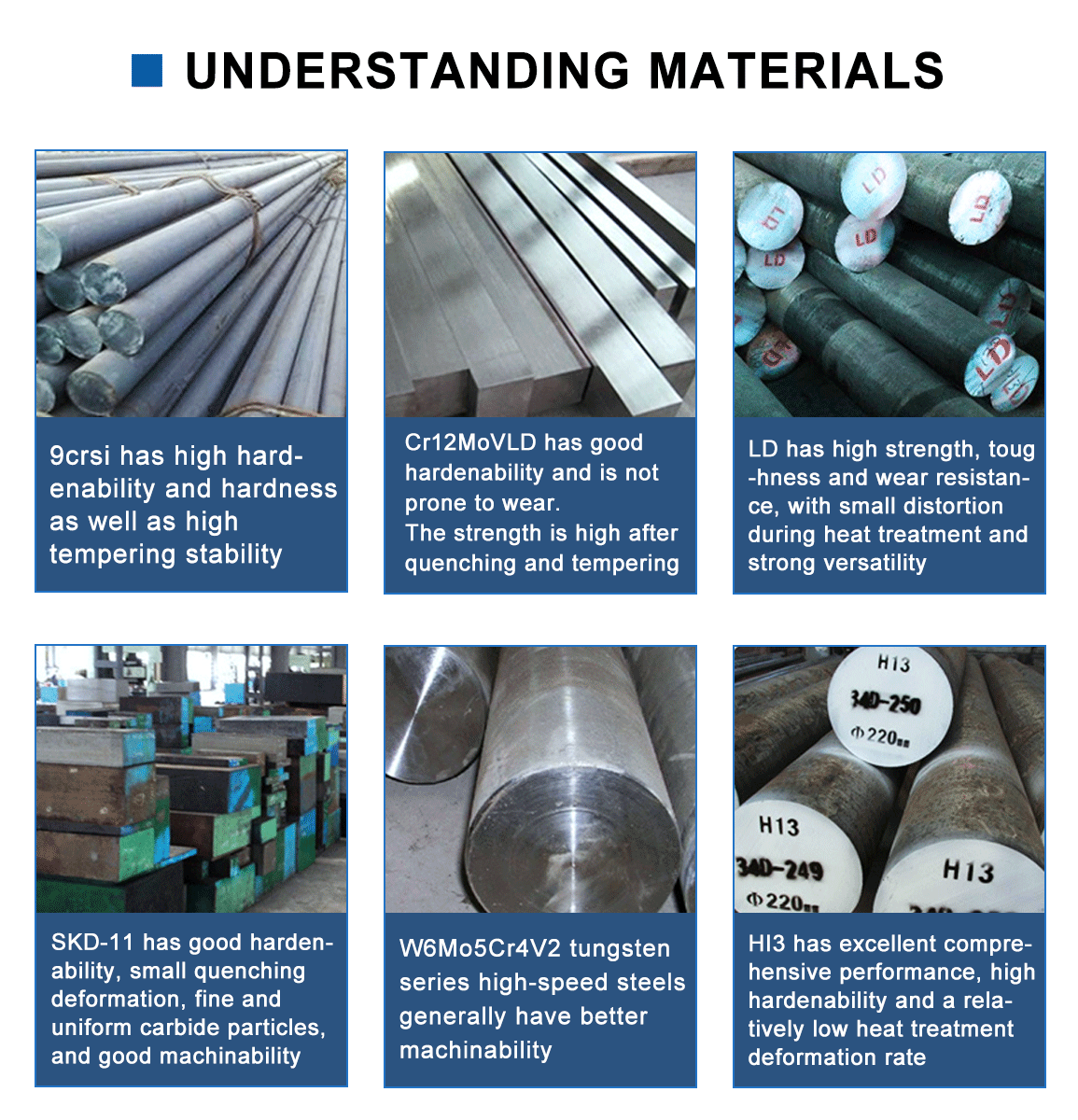
To quickly compare the primary materials we offer, here is a summary table:
| Material Type | Typical Hardness (HRC) | Key Advantages | Limitations | Ideal For |
| High-Speed Steel (HSS) | 60-68 | Excellent toughness, good wear resistance, cost-effective. | Lower wear resistance than carbide, requires more maintenance. | General-purpose metalworking, woodworking, plastic cutting. |
| Tool Steel (e.g., SAE1095) | 58-62 (Hardened) | High strength, excellent wear resistance, good sharpness. | Less resistant to high temperatures than HSS or Carbide. | Springs, hand tools, scrapers, industrial cutters. |
| Carbide / Tungsten Carbide | 60-65 (Blades) | Exceptional hardness & wear resistance, high heat resistance. | Brittle, higher cost, complex manufacturing. | Hard materials, abrasive non-ferrous metals, high-volume production. |
| Stainless Steel | Varies (e.g., 420, 440) | Excellent corrosion resistance, durable, hygienic. | Generally not as hard as tool steels or HSS. | Food processing, medical instruments, wet environments. |
| Ceramic | N/A (Extremely Hard) | Superior edge retention, corrosion resistance, hygienic, lightweight. | Fragile, limited cutting capacity, higher cost. | Precision cutting in specific industries (e.g., textiles, packaging). |
We Are Here to Help: Choosing the right material is complex. As a factory, we have the expertise to guide you. We offer custom blade solutions and can advise on the optimal material, heat treatment, and geometry for your specific application.
Contact us today for a personalized recommendation and quote. Let our manufacturing expertise solve your cutting challenges.
Reviews
There are no reviews yet.