
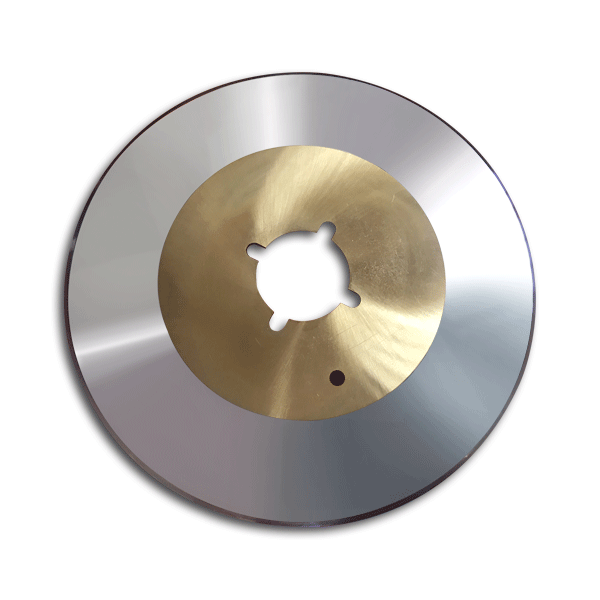
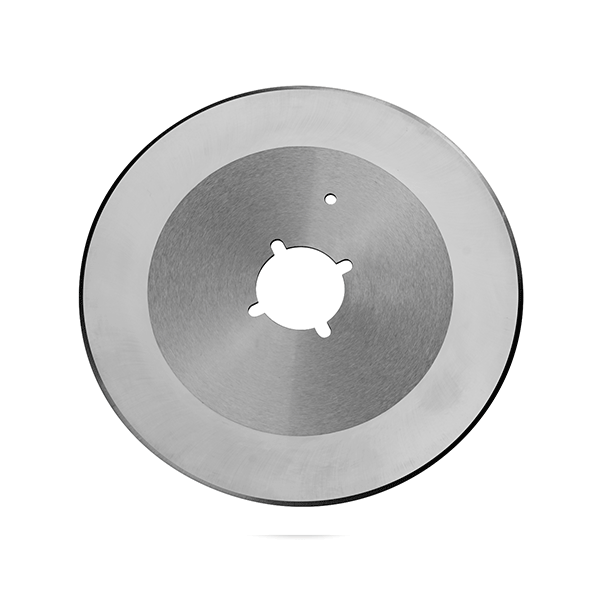
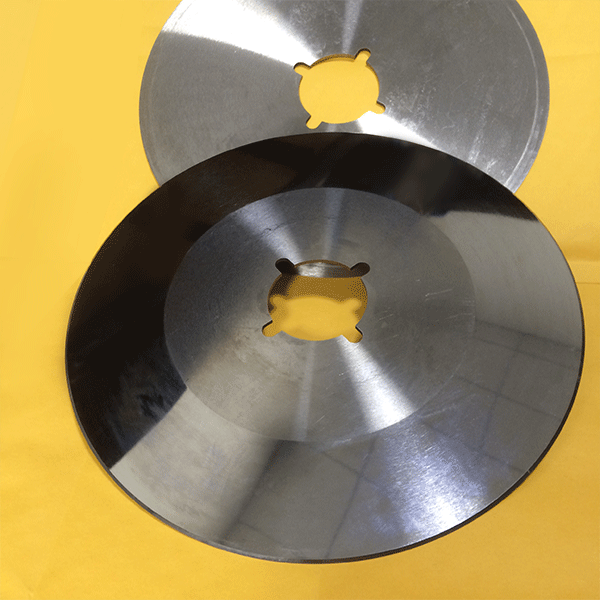
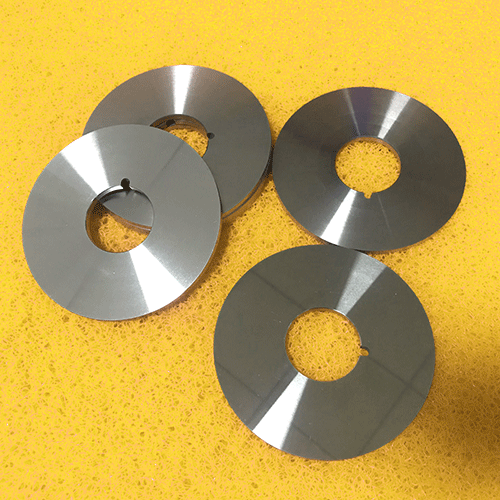
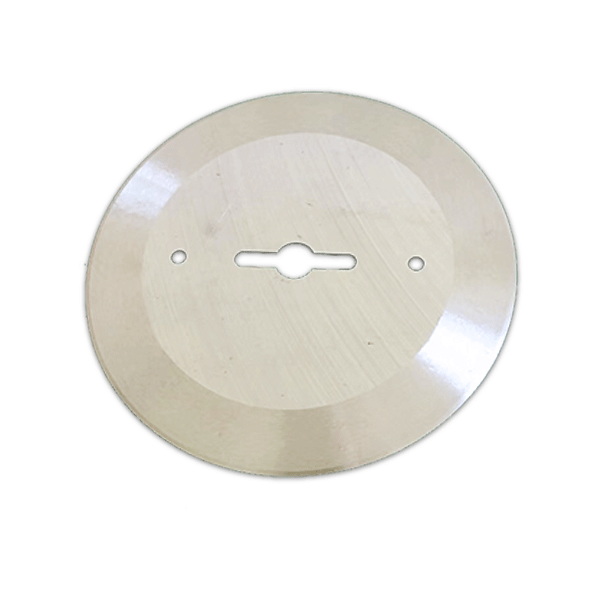
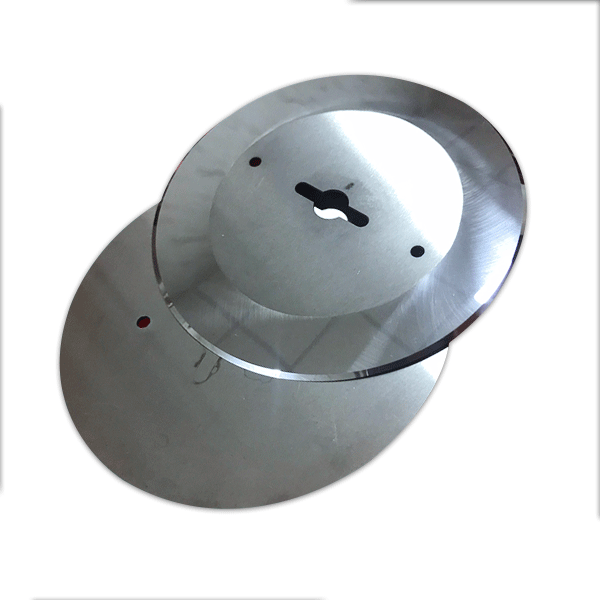
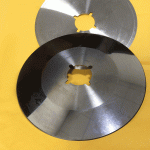
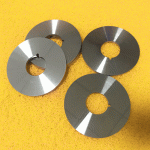
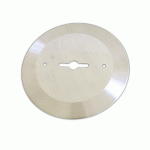
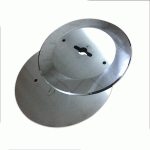
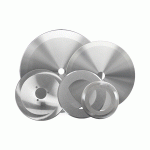

Super-Hard Cutting Trimming Machine Dividing Blade For Paper Product Processing


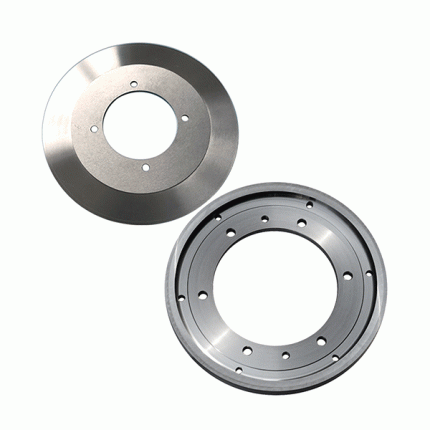
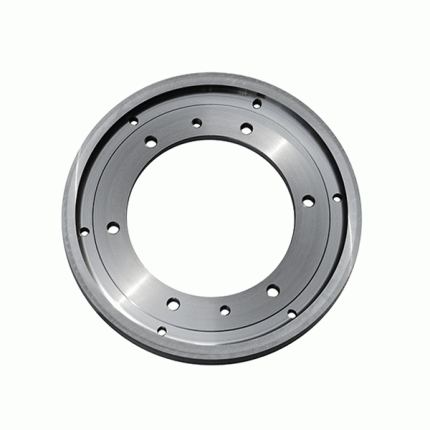
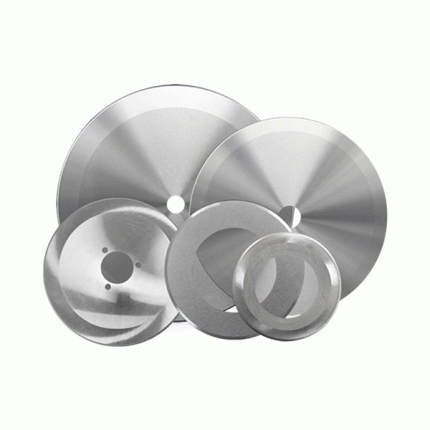
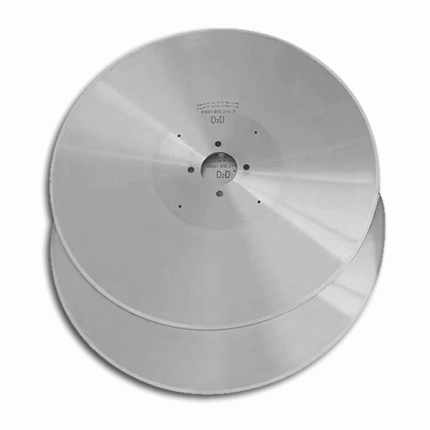
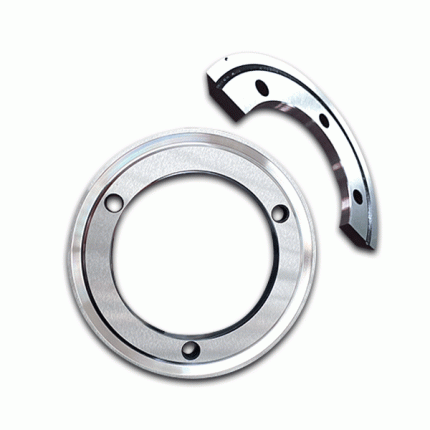
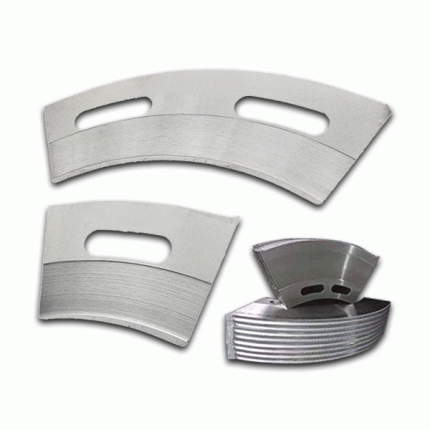
Products :The trimming and dividing blade for the wide-format printer is a crucial component in devices such as wide-format printers, edge trimmers, and paper dividers. It is mainly used for the continuous longitudinal cutting and striping of paper, cardboard, and other materials, as well as for edge trimming. Its core function is to ensure that the width of the cut materials is precise, the edges are smooth and flat without burrs, meeting the quality requirements for subsequent processing (such as printing, box making). These blades usually need to be used in pairs (upper and lower blades) or in combination with specific blade holders, working continuously and stably at high speeds.
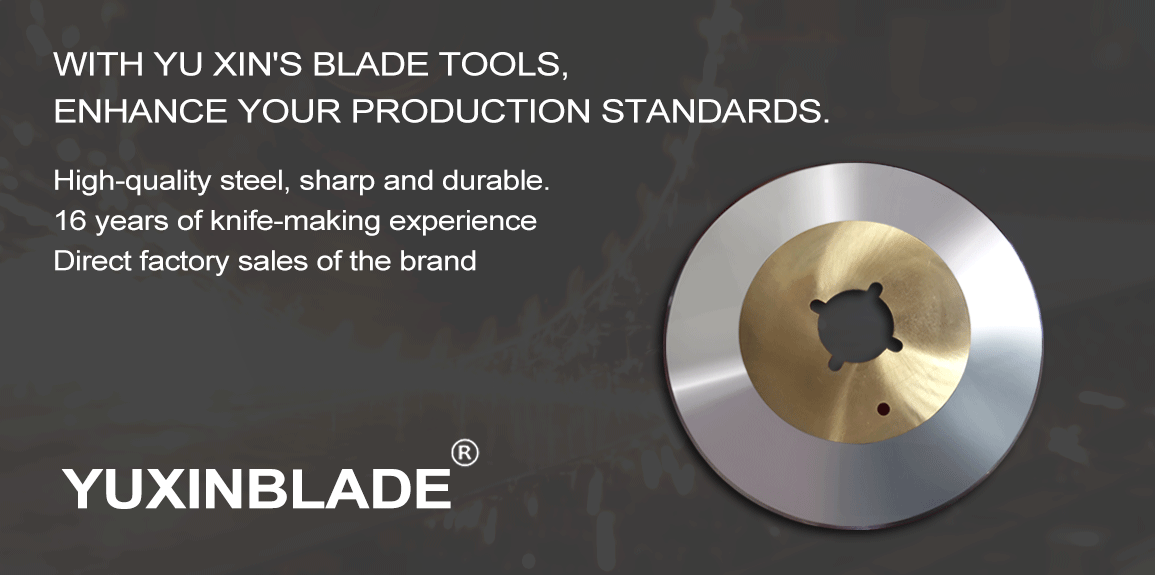
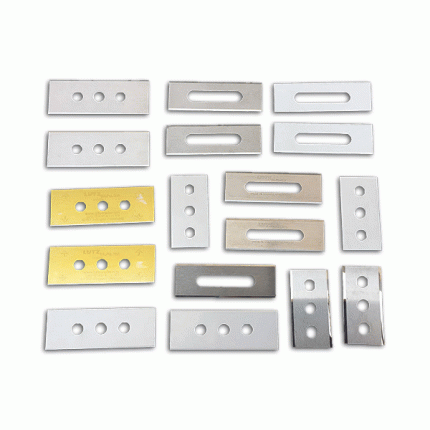
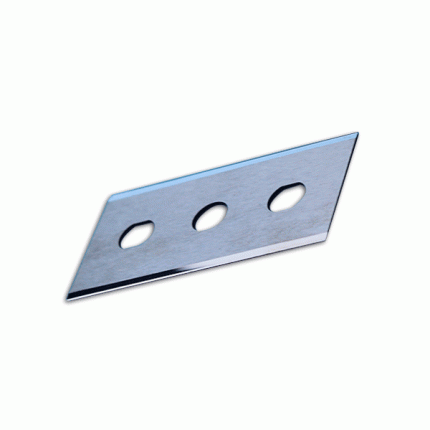
Product Name: Trimming And Dividing Blade / Trimmer Blades for Paper
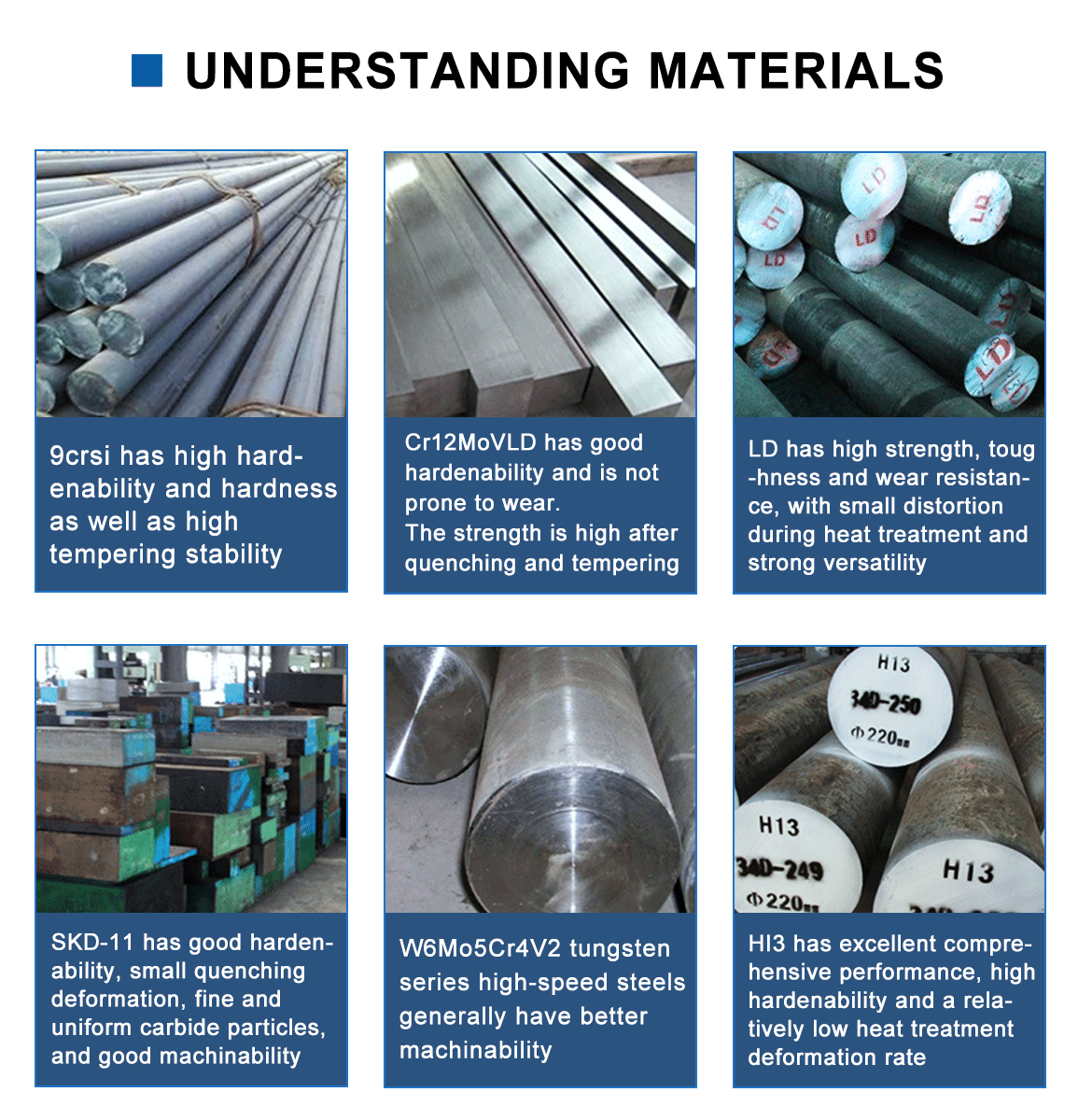
Material: 65Mn spring steel; carbon tool steel: such as T8A, T10A; low alloy tool steel: such as 9CrSi; high alloy tool steel: such as Cr12MoV; high-speed steel (HSS): such as W6Mo5Cr4V2 (M2), W18Cr4V .
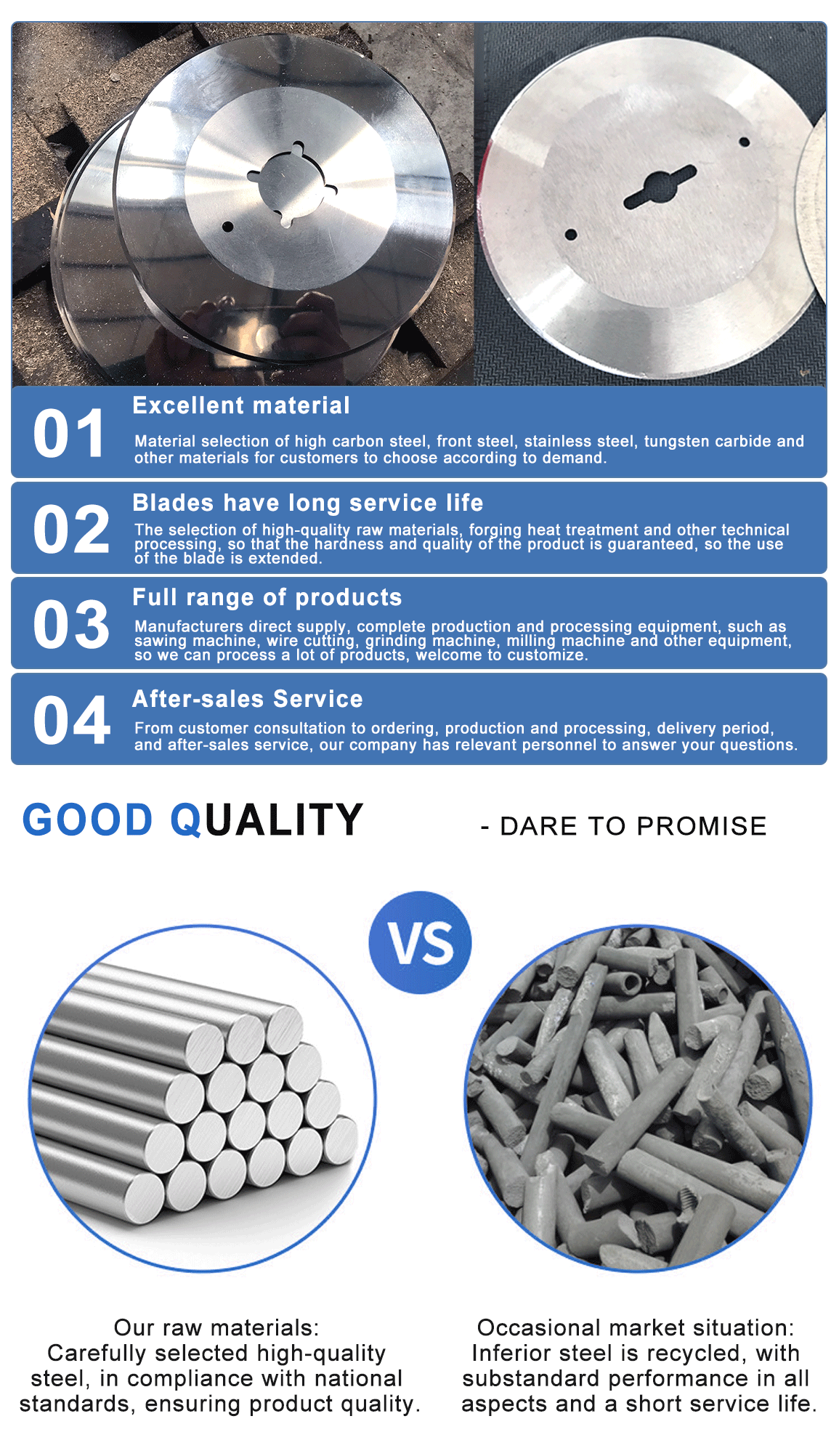
Size: Based on the characteristics of the processing materials (hardness, thickness), the requirements for cutting accuracy, and the production efficiency (speed, lifespan), the material and specifications are selected. Customized non-standard blades are available.
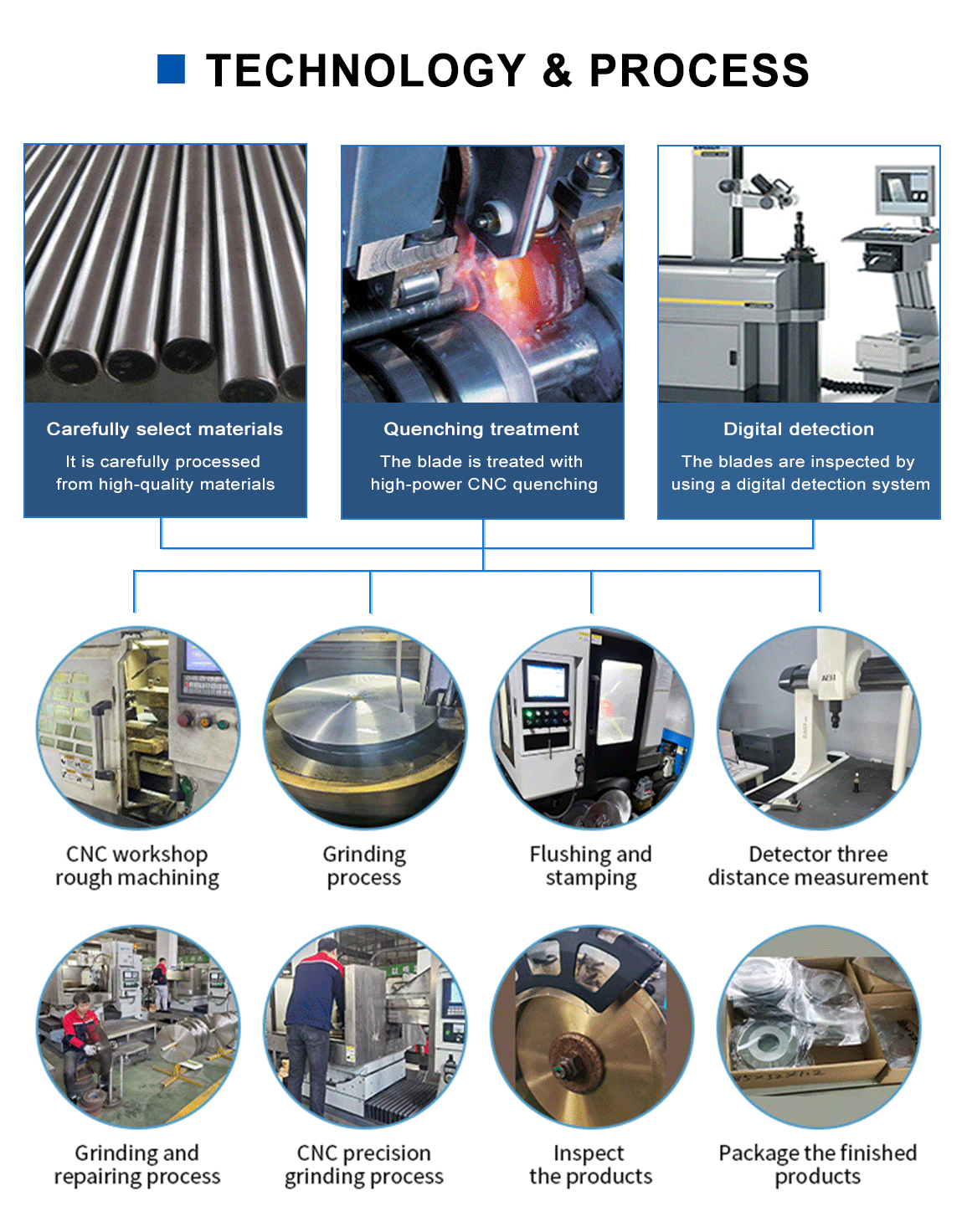
Type: Heat treatment such as quenching + tempering processes, precision machining and grinding, as well as surface treatment to enhance rust resistance capabilities.
Blade Characteristics:
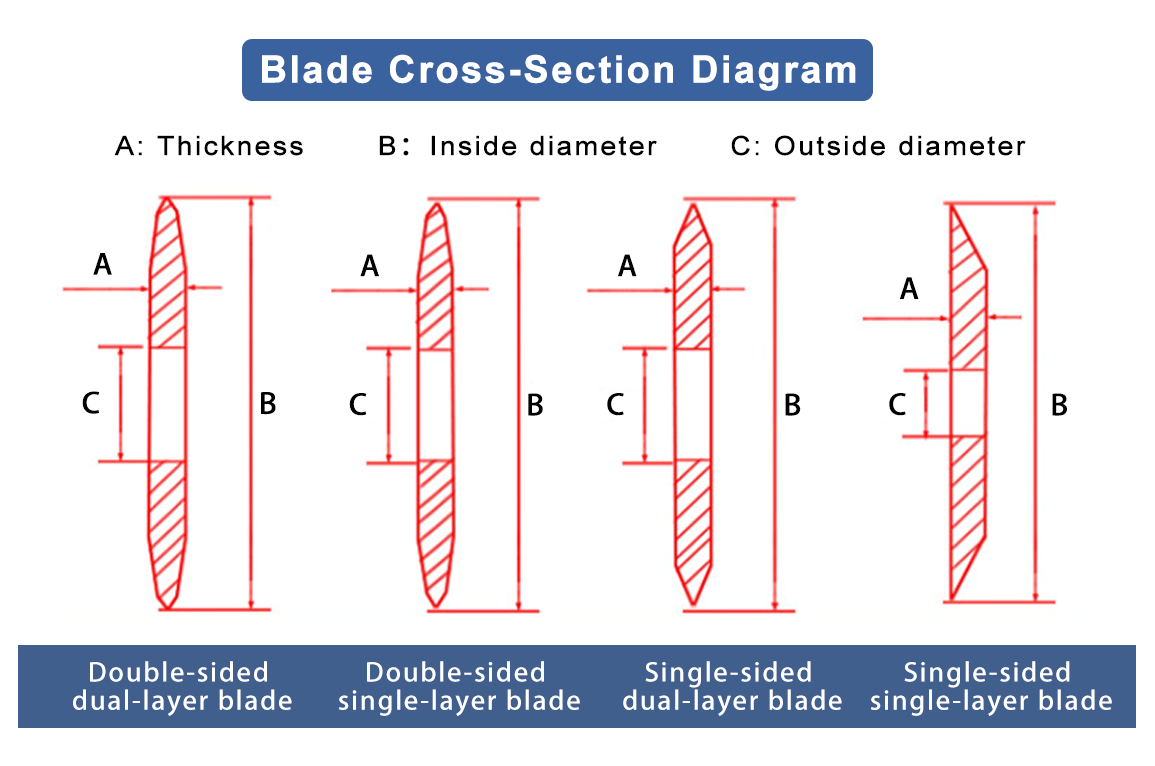
① Single-layer small cutting edge: Currently the most commonly used. It is mainly used for cutting relatively hard or relatively thick materials. For example: self-adhesive materials, paper, leather, plastic, etc.;
② Double-layer large cutting edge: Due to the larger bevel angle of the blade, the cutting effect is better and the cutting edge is smooth. It is mainly used for cutting materials with higher requirements and thinner thickness, such as films, thin plastics, etc.
Features:
- High hardness and wear resistance: The blade material must have a relatively high hardness (for example, a hardness between HRC 40-48 or higher) to ensure its wear resistance, thereby extending the service life and reducing the frequency of replacement.
- Precise cutting ability: The cutting edge needs to be sharp and precisely processed to ensure smooth cutting, flat, smooth, without burrs or flattening, which is crucial for the quality of the subsequent printing process.
- Corrosion resistance: In some working environments or for certain paper products, the blade may require certain anti-rust and corrosion-resistant capabilities.
- Good toughness: Under high-speed operation and impact loads, the blade must have a certain degree of toughness to prevent chipping or breaking.
Application Scenario:
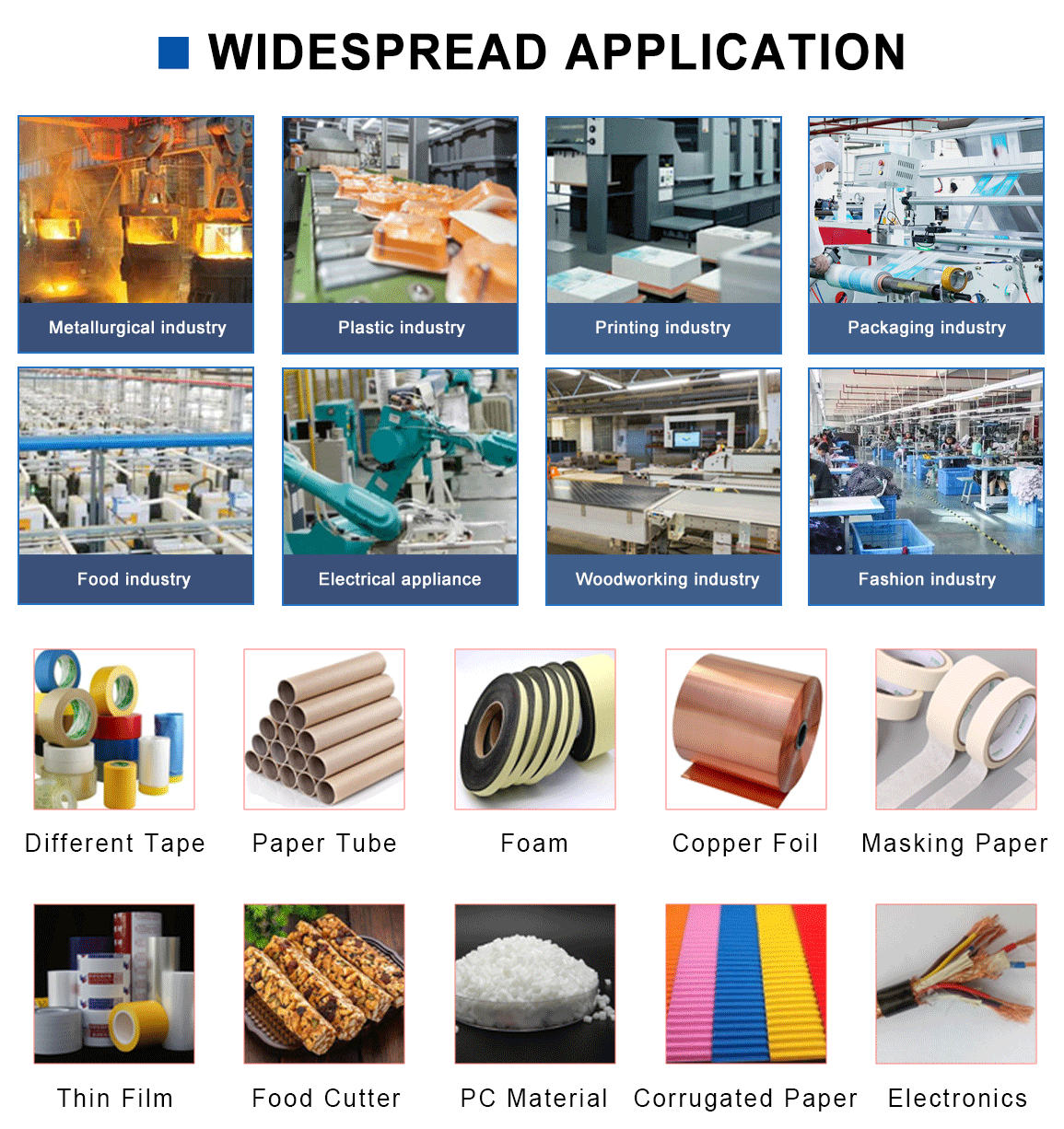
- Paper industry: Used for the cutting and trimming of various types of paper such as newsprint, coated paper, kraft paper, and whiteboard paper.
- Paperboard and carton processing: Especially for the trimming and cutting of corrugated paperboard, requiring the blades to cut out paperboard with smooth and clean edges, improving the overall quality and appearance of the paperboard. Including various trimming and cutting knives, slit knives, etc.
- Textile industry: Cutting of clothing fabrics (cotton, polyester fibers, blends), removing the initial edges during weaving.
- Plastic processing: Trimming of film (polyethylene, polypropylene) and packaging bags to prevent the edges from curling after cutting.
- Composite materials: Cutting of carbon fiber prepregs, glass fiber cloth. Pay attention to avoiding loose fibers.
- Other roll material cutting: Sometimes it can also be used for the cutting of rolls with similar properties such as printing and packaging, non-woven fabrics, plastic films, etc.
Selection criteria:
- Based on the processing material: For cutting ordinary paper or in low-speed applications, you can consider using 65Mn, T8A, etc.; for cutting high-strength corrugated cardboard or in situations with higher requirements, you can choose 9CrSi, Cr12MoV or even high-speed steel blades.
- Confirm specification dimensions: Based on the model of the equipment and processing requirements, determine the key dimensions such as the length, width, thickness, and inner hole diameter of the blade.
- Customization: We offer customized services based on provided drawings or samples. This is particularly important for users with specific requirements.
To quickly compare the primary materials we offer, here is a summary table:
| Material Type | Typical Hardness (HRC) | Key Advantages | Limitations | Ideal For |
| High-Speed Steel (HSS) | 60-68 | Excellent toughness, good wear resistance, cost-effective. | Lower wear resistance than carbide, requires more maintenance. | General-purpose metalworking, woodworking, plastic cutting. |
| Tool Steel (e.g., SAE1095) | 58-62 (Hardened) | High strength, excellent wear resistance, good sharpness. | Less resistant to high temperatures than HSS or Carbide. | Springs, hand tools, scrapers, industrial cutters. |
| Carbide / Tungsten Carbide | 60-65 (Blades) | Exceptional hardness & wear resistance, high heat resistance. | Brittle, higher cost, complex manufacturing. | Hard materials, abrasive non-ferrous metals, high-volume production. |
| Stainless Steel | Varies (e.g., 420, 440) | Excellent corrosion resistance, durable, hygienic. | Generally not as hard as tool steels or HSS. | Food processing, medical instruments, wet environments. |
| Ceramic | N/A (Extremely Hard) | Superior edge retention, corrosion resistance, hygienic, lightweight. | Fragile, limited cutting capacity, higher cost. | Precision cutting in specific industries (e.g., textiles, packaging). |
We Are Here to Help: Choosing the right material is complex. As a factory, we have the expertise to guide you. We offer custom blade solutions and can advise on the optimal material, heat treatment, and geometry for your specific application.
Contact us today for a personalized recommendation and quote. Let our manufacturing expertise solve your cutting challenges.
Reviews
There are no reviews yet.