
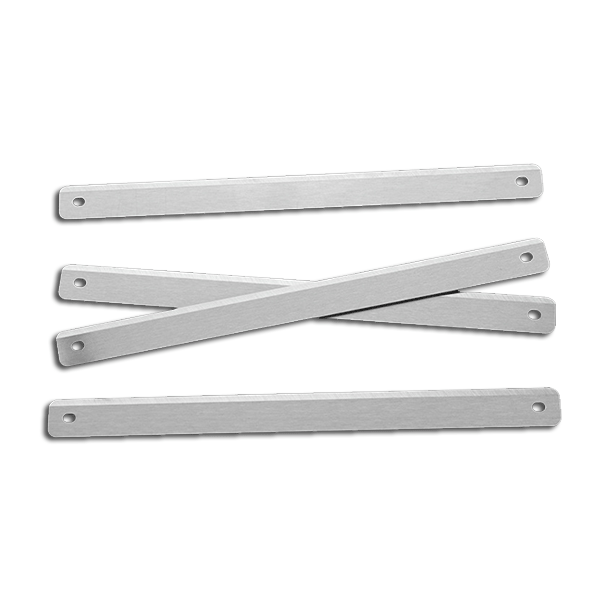
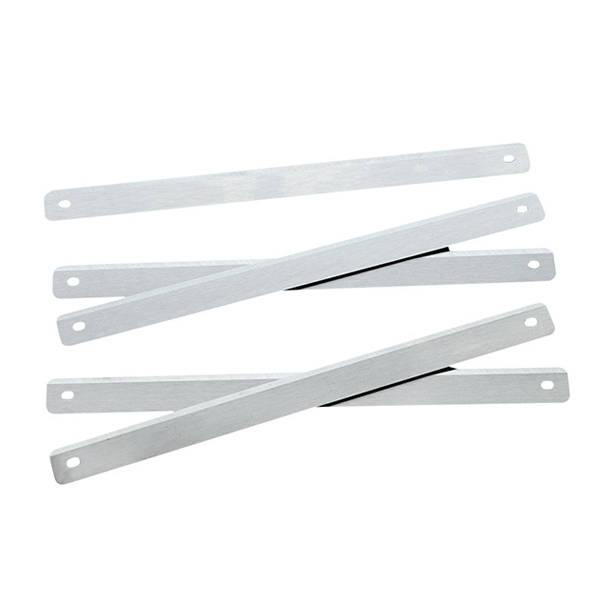
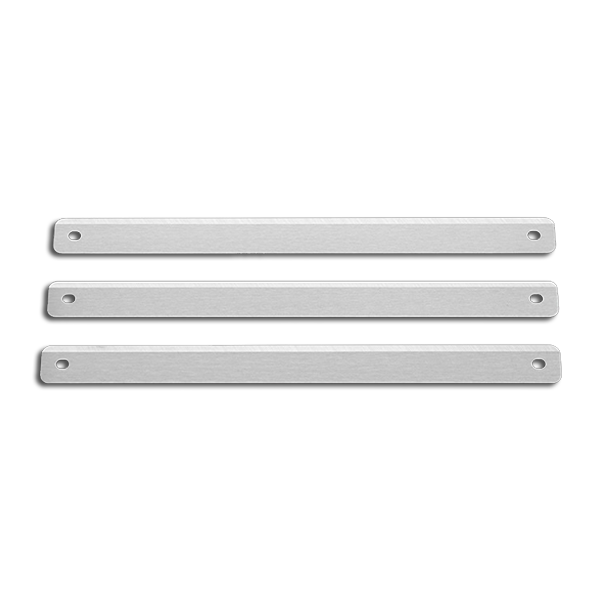
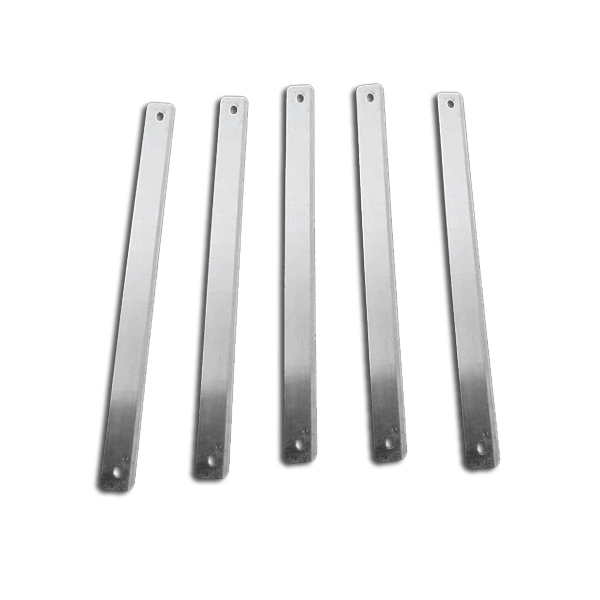
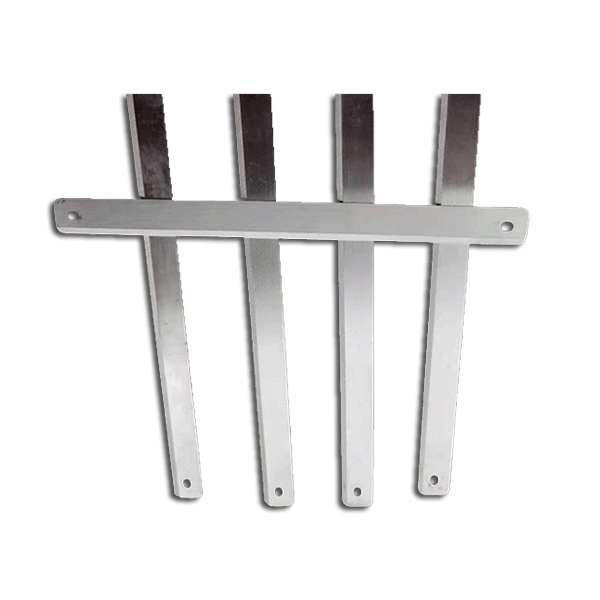
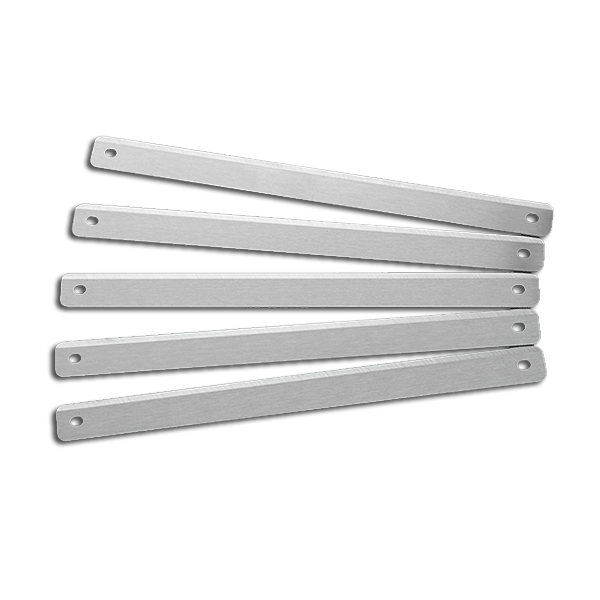
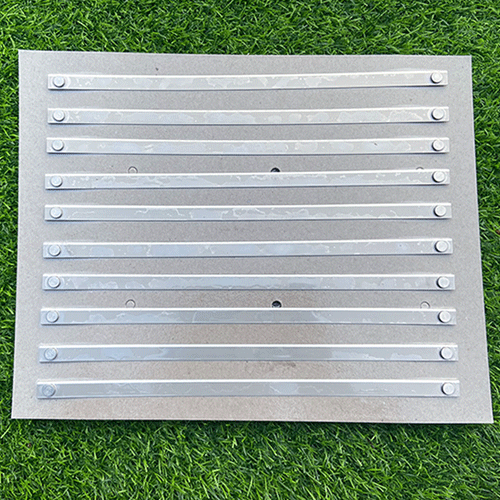
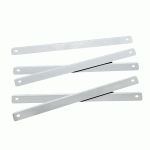
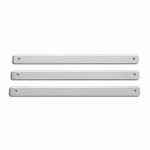
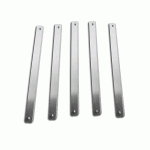
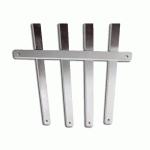
Precision Dicing Machine Blades For Meat Cubers Food-Grade Material 304 Stainless Steel 440C


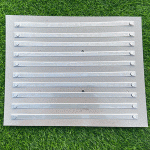
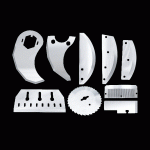
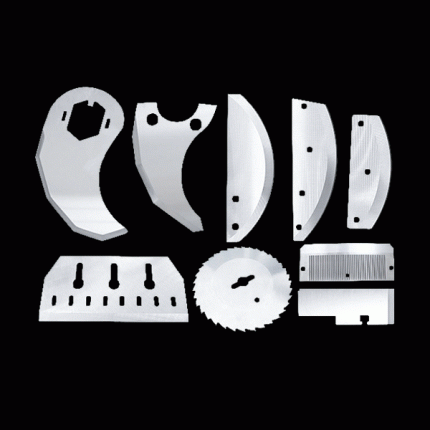
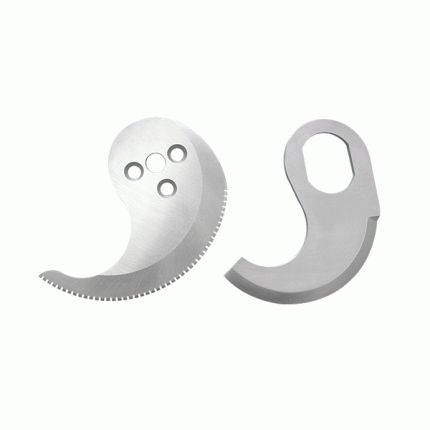
Products :The Dicing Machine blade is the core cutting component of the chopper. Through the precise arrangement of the blade grid structure, it efficiently cuts meat, vegetables, fruits and other ingredients into cubic or rectangular cubes.
Its working principle is that the ingredients are driven to rotate at high speed by the feeding and guiding disc, then they are cut into thin slices by the slicing blade (vertical blade), cut into strips by the disc slicing blade, and divided into pieces by the transverse cutting blade, achieving three levels of precise cutting. The blade of this knife can be disassembled and replaced. The size of the diced pieces can be controlled by adjusting the gap between the blades (usually 4-30mm), and it can be adapted to different requirements such as meat cubes and vegetable cubes.
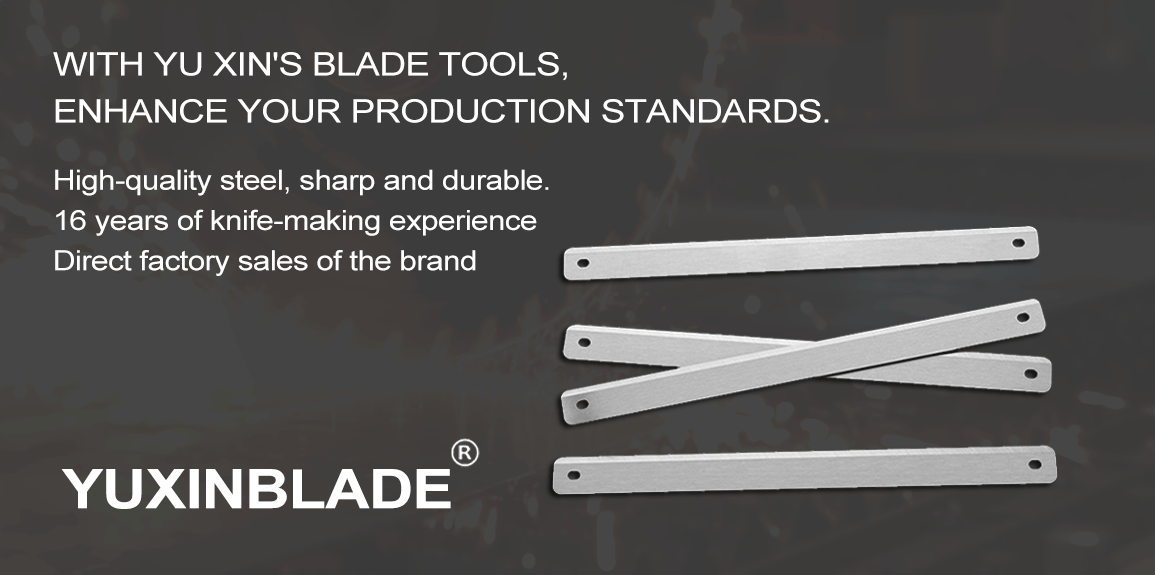
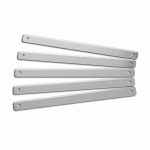
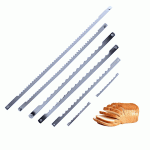
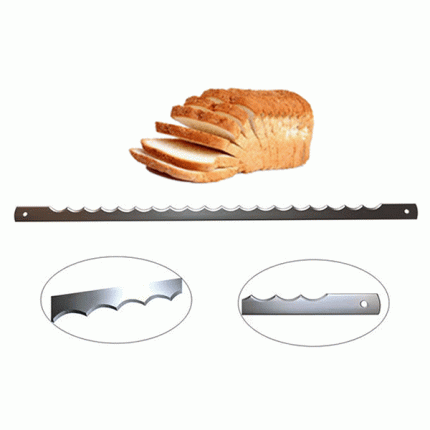
Product Name: Food Grade Dicing Machine Long Blade
Material: Food-grade stainless steel: 420J2 stainless steel, HRC 56-58, with strong corrosion resistance and high cost-effectiveness; 440C stainless steel, HRC 58, with high wear resistance; SK5 carbon tool steel, HRC 57, with excellent toughness and low cost; Hard alloy insert cutting edge, tungsten steel edge (HRA 90), with a 3-fold increase in tool life.
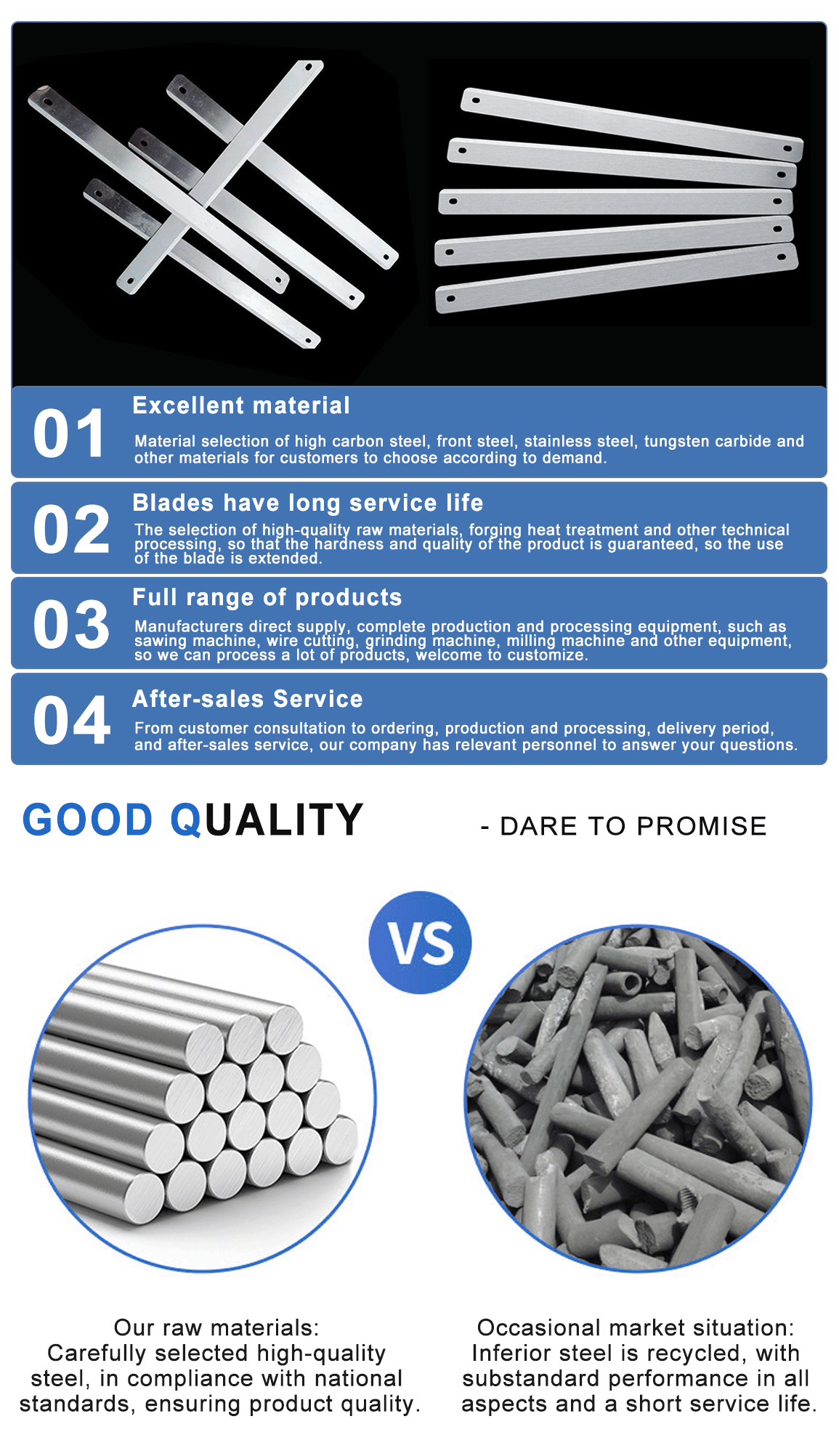
Size: Customized non-standard production
Process: High-temperature quenching makes the cutting edge sharp; Vacuum heat treatment, electrolytic polishing, CNC grinding
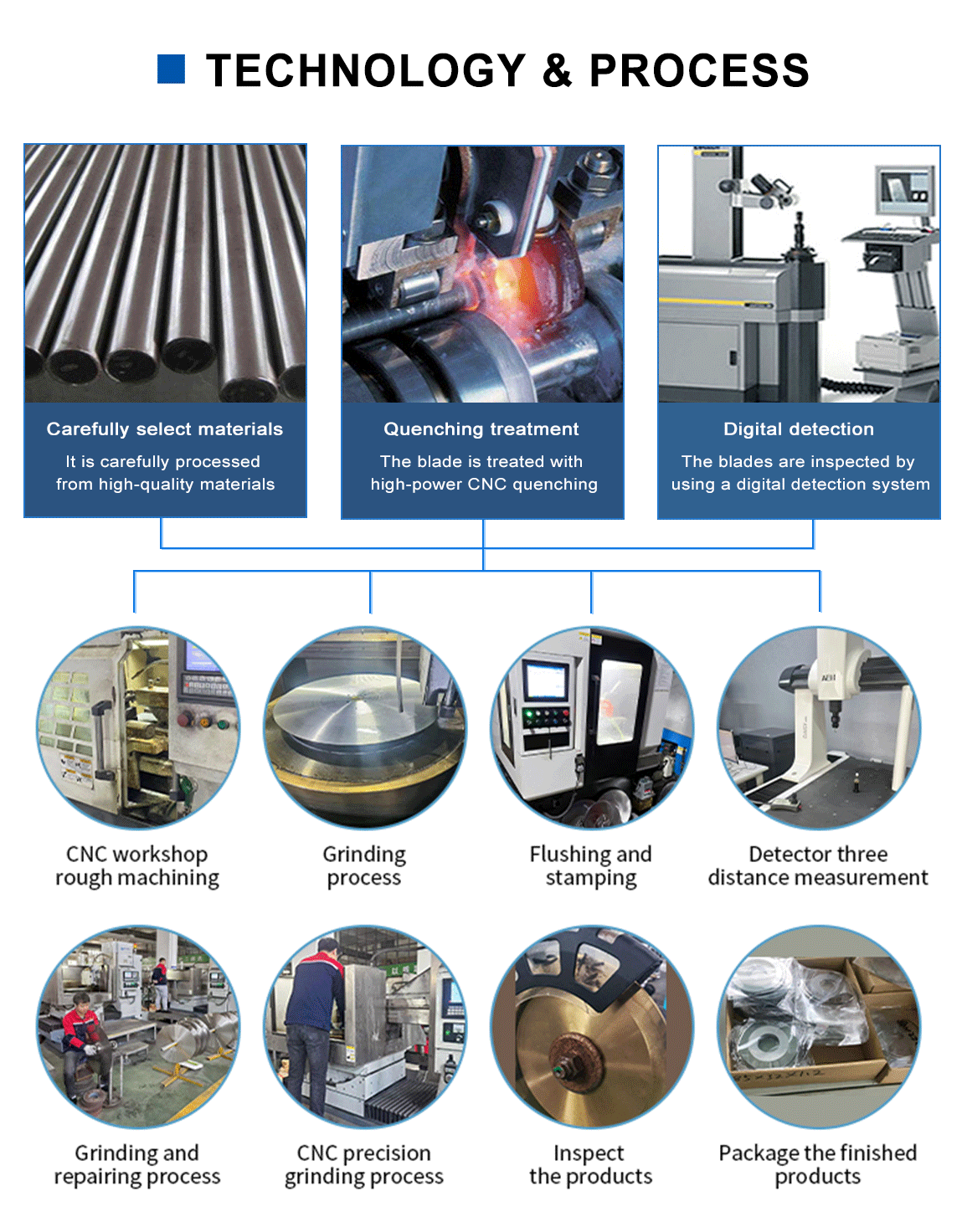
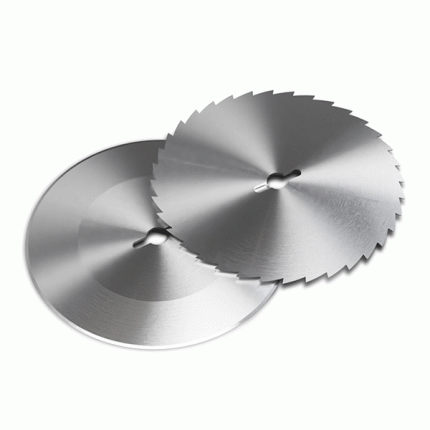
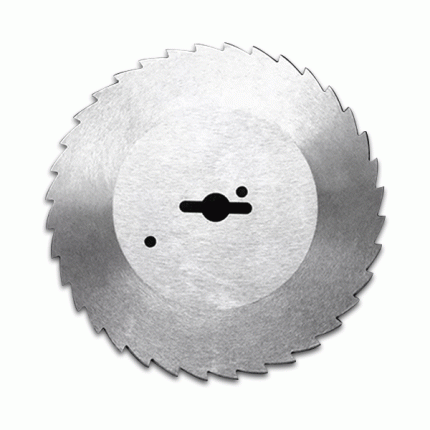
Features: 1. High hardness and wear resistance: The material hardness is HRC 55-58 (such as SK5 carbon steel, 440 stainless steel), the cutting edge is treated with chrome plating and polishing, which increases the wear resistance by 50% and has strong fatigue resistance. Double-edge design: Double-sided cutting on both the front and back, reducing the frequency of tool changes and increasing efficiency by 40%.
- Precision cutting capability: Tolerance control of ±0.03mm. The cut edges are smooth and free of burrs, ensuring that the particle uniformity error is ≤0.1mm.
- Corrosion Resistance and Anti-sticking Properties: 420J2 stainless steel substrate with electrolytic polishing process, resistant to water and solvent corrosion, reduces sugar and fat from adhering to the blade, suitable for high-sticking ingredients such as dried fruits and frozen meat.
- Low-temperature adaptability: Supports direct cutting of frozen meat at -5℃, preventing the meat from thawing and deforming, while maintaining the integrity of the tissue structure.
Application Scenario: 1. Meat processing: cutting pork/beef/poultry into small pieces;
- Fruit and vegetable processing: cutting peaches, kiwis, and dehydrated vegetables into small pieces;
- Preserves and candied fruits: cutting dried apples/mangoes into small pieces;
- Artificial protein: precise cutting of plant-based meat.
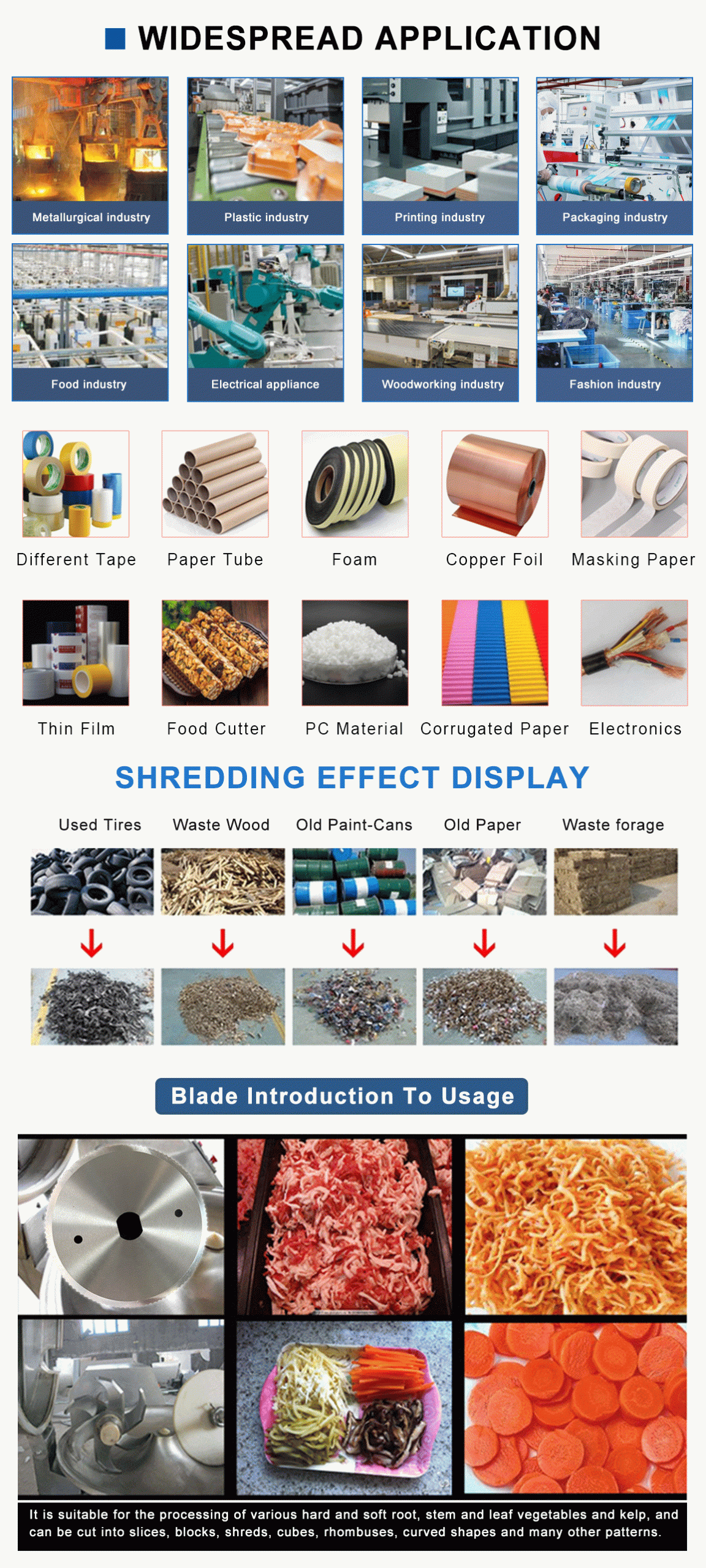
Selection suggestions:Based on the type of material to be processed and the requirements of the machine, the appropriate size specifications should be selected. Alternatively, drawings or specifications can be sent to Yuxin. We offer customized services.
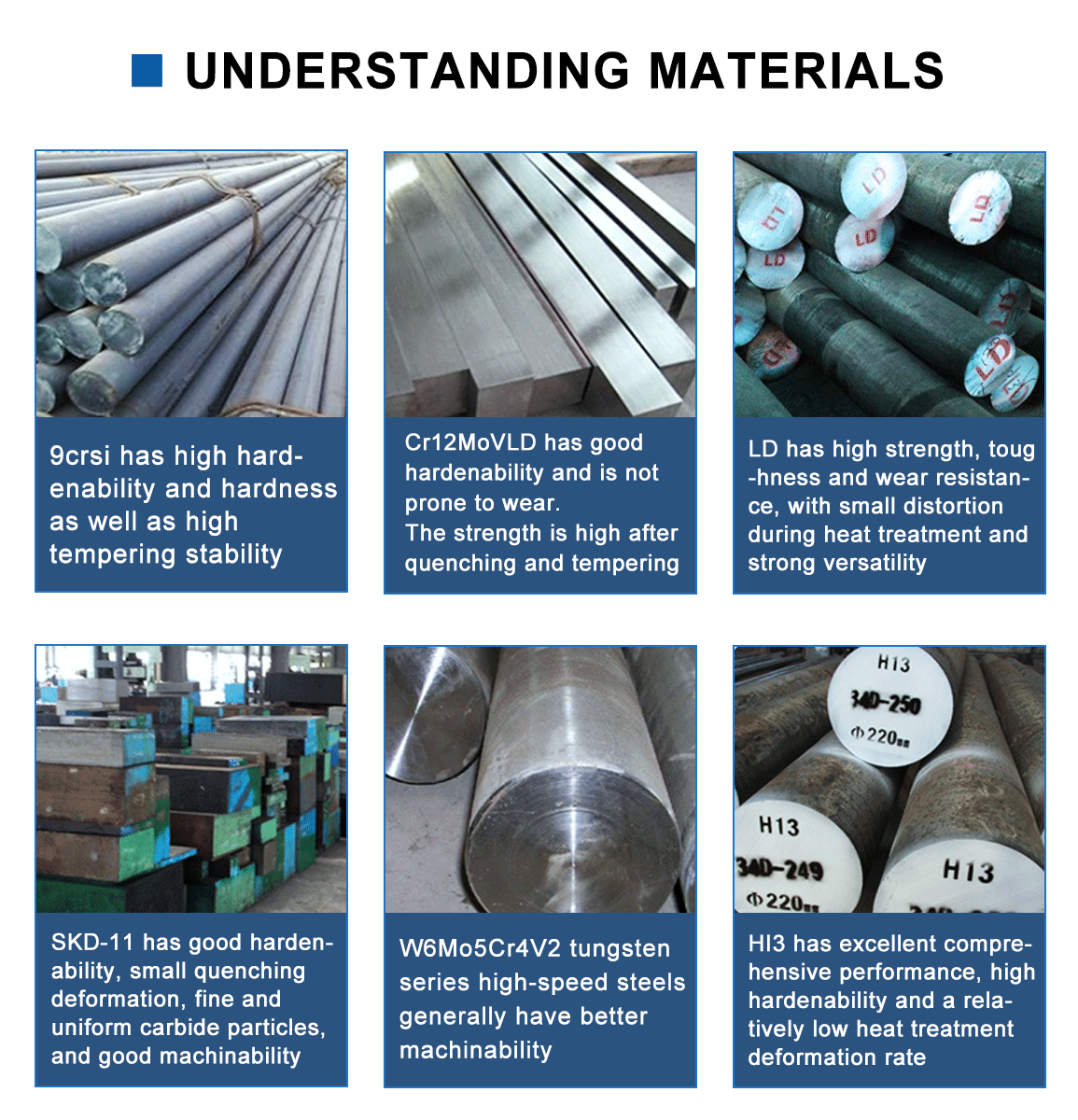
To quickly compare the primary materials we offer, here is a summary table:
| Material Type | Typical Hardness (HRC) | Key Advantages | Limitations | Ideal For |
| High-Speed Steel (HSS) | 60-68 | Excellent toughness, good wear resistance, cost-effective. | Lower wear resistance than carbide, requires more maintenance. | General-purpose metalworking, woodworking, plastic cutting. |
| Tool Steel (e.g., SAE1095) | 58-62 (Hardened) | High strength, excellent wear resistance, good sharpness. | Less resistant to high temperatures than HSS or Carbide. | Springs, hand tools, scrapers, industrial cutters. |
| Carbide / Tungsten Carbide | 60-65 (Blades) | Exceptional hardness & wear resistance, high heat resistance. | Brittle, higher cost, complex manufacturing. | Hard materials, abrasive non-ferrous metals, high-volume production. |
| Stainless Steel | Varies (e.g., 420, 440) | Excellent corrosion resistance, durable, hygienic. | Generally not as hard as tool steels or HSS. | Food processing, medical instruments, wet environments. |
| Ceramic | N/A (Extremely Hard) | Superior edge retention, corrosion resistance, hygienic, lightweight. | Fragile, limited cutting capacity, higher cost. | Precision cutting in specific industries (e.g., textiles, packaging). |
We Are Here to Help: Choosing the right material is complex. As a factory, we have the expertise to guide you. We offer custom blade solutions and can advise on the optimal material, heat treatment, and geometry for your specific application.
Contact us today for a personalized recommendation and quote. Let our manufacturing expertise solve your cutting challenges.
Reviews
There are no reviews yet.