
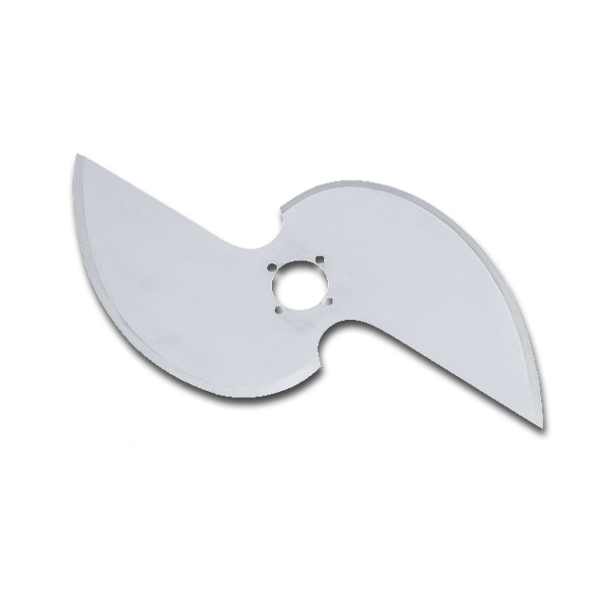
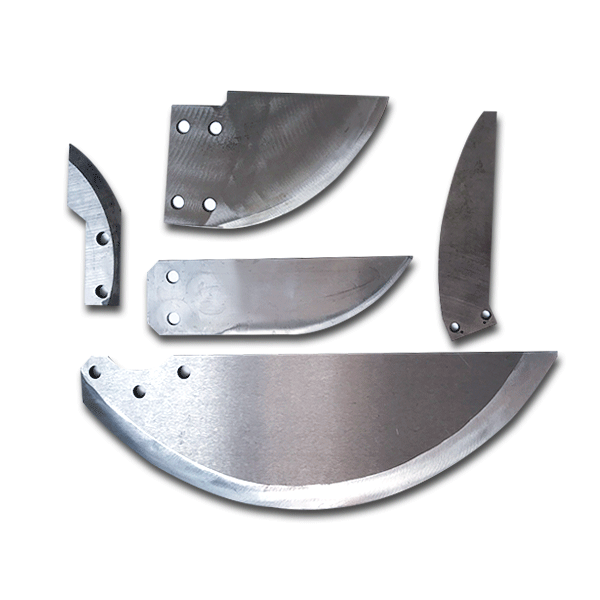

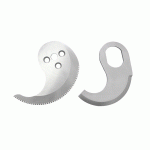

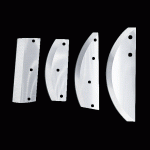
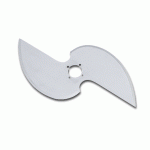
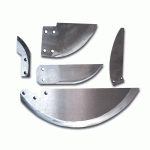

Corrosion-resistant Food Machinery Blade Alloy Stainless Steel Material For Food Processing Equipment.


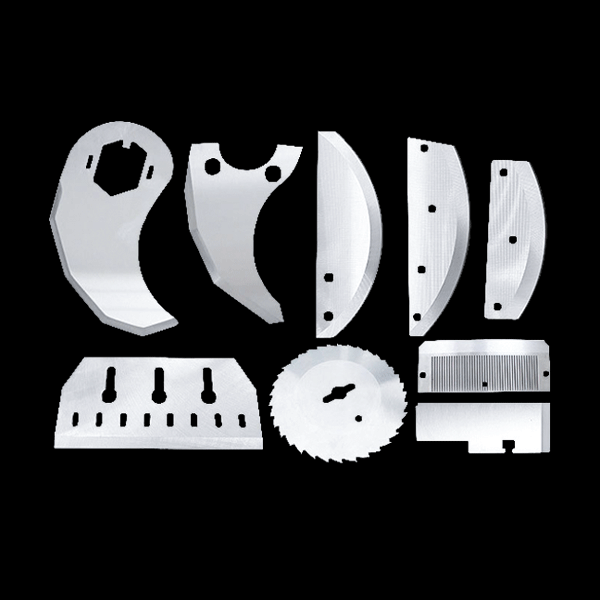
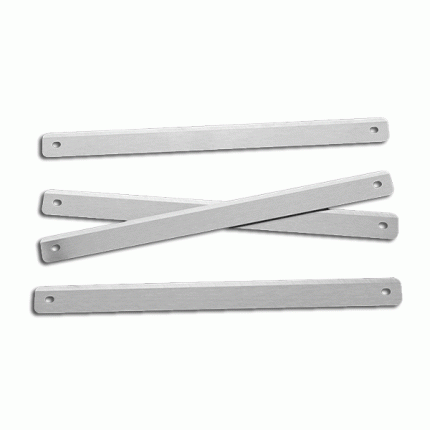
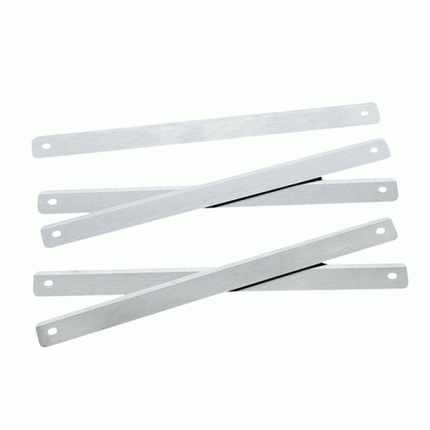
Products :Food machinery blades are specialized cutting tools installed on various food processing equipment (such as slicers, dicing machines, meat grinders, vegetable cutters, etc.). By integrating with the power system of the equipment, they efficiently process ingredients like meat, vegetables, fruits, pastries, and frozen foods. These blades usually need to be customized or selected according to specific equipment and processing requirements to ensure the best fit and performance. In addition, the blades must meet the requirements of food safety, hygiene, corrosion resistance, and high-precision cutting, and are widely used in industrial food production, central kitchens, and ready-to-eat food processing.
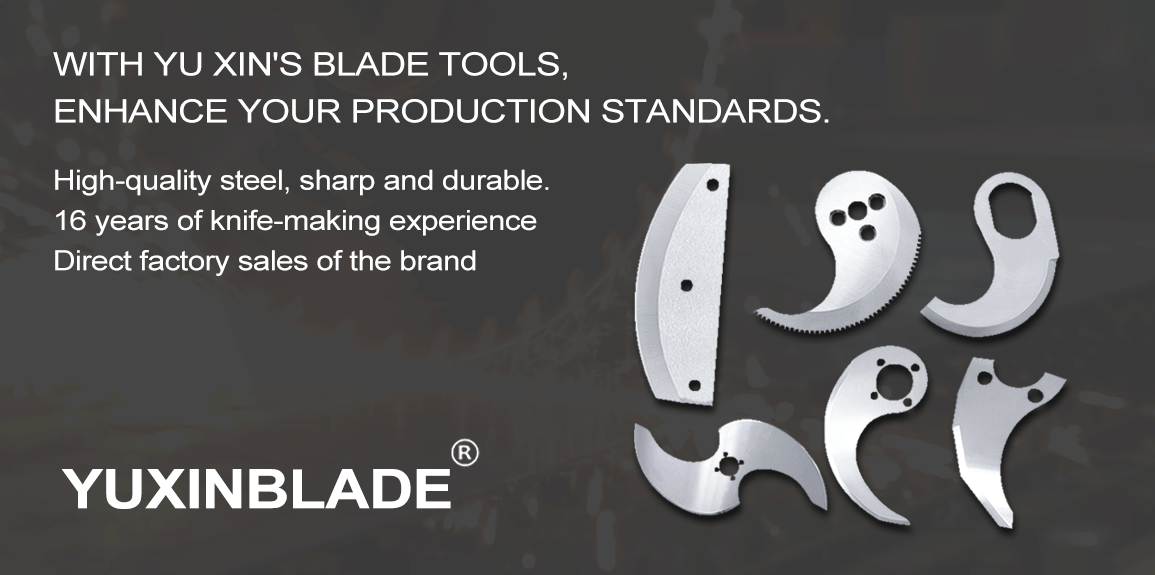
Product Name: Food machinery blades
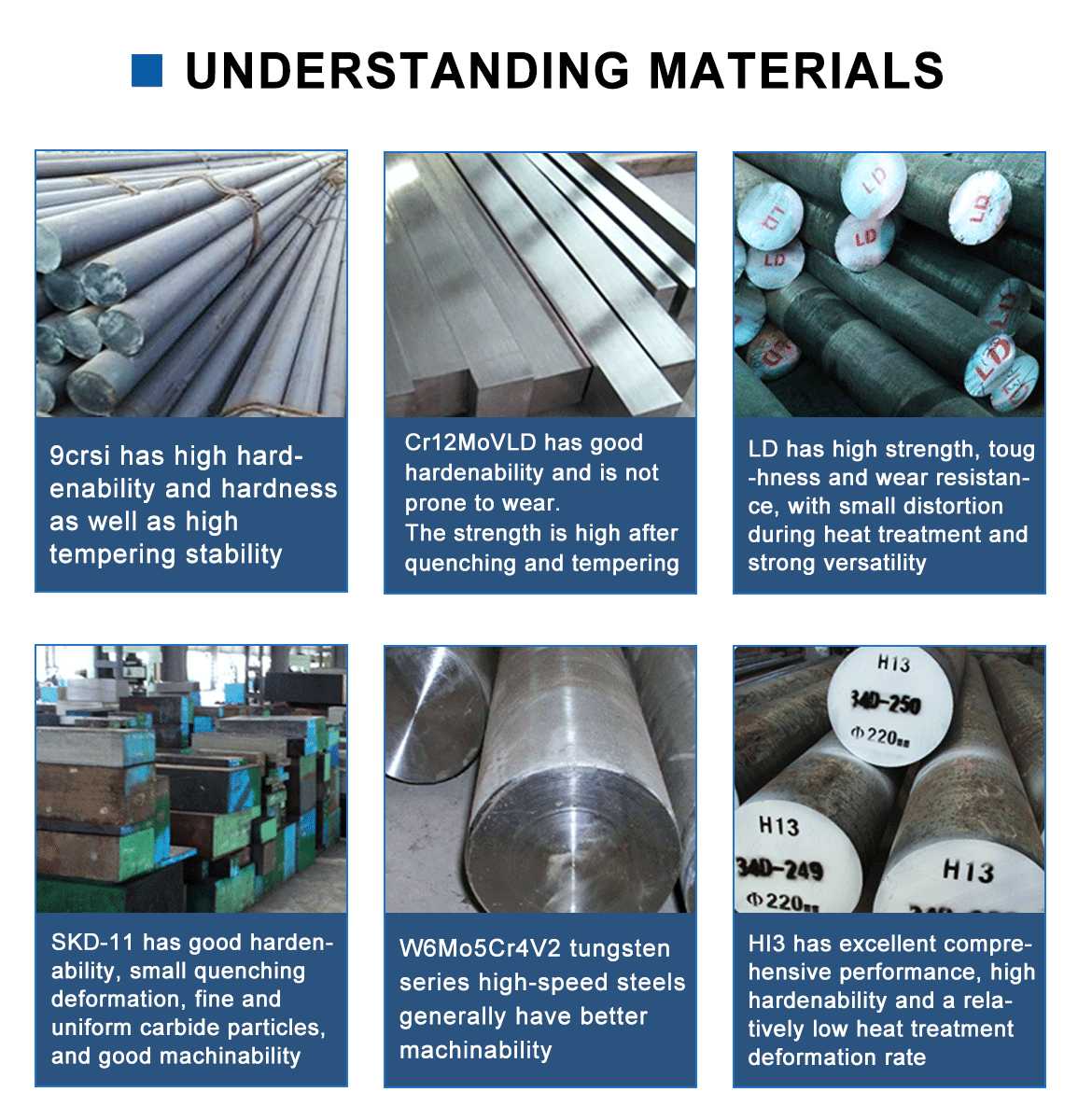
Material: • 304 stainless steel: The most commonly used food-grade stainless steel, with excellent corrosion resistance and high cost-effectiveness. Suitable for cutting common fruits and vegetables, as well as for contact with water-based or acidic ingredients.
- 420 stainless steel: It has higher hardness and better wear resistance than 304, while maintaining certain corrosion resistance. It is suitable for meat processing equipment and other occasions that require higher wear resistance.
- 440C stainless steel: Extremely high hardness (with HRC values ranging from 58 to 60), excellent wear resistance, but slightly inferior in corrosion resistance compared to 304 and 420.
- 9CrSi and SKD11 are alloy tool steels, featuring high hardness, high wear resistance and good toughness. Some of the products have undergone special surface treatment and can also meet the requirements for food contact.
- Others such as ceramic blades: high hardness, corrosion resistance, no metallic odor, but with higher brittleness and poor impact resistance. Coated blades: coating materials like Teflon or DLC are applied on the surface of the base material (usually stainless steel or alloy steel) to give the blade anti-sticking, reduced friction, and greater wear resistance. Tungsten steel alloy materials, high hardness and high wear-resistant materials, etc.
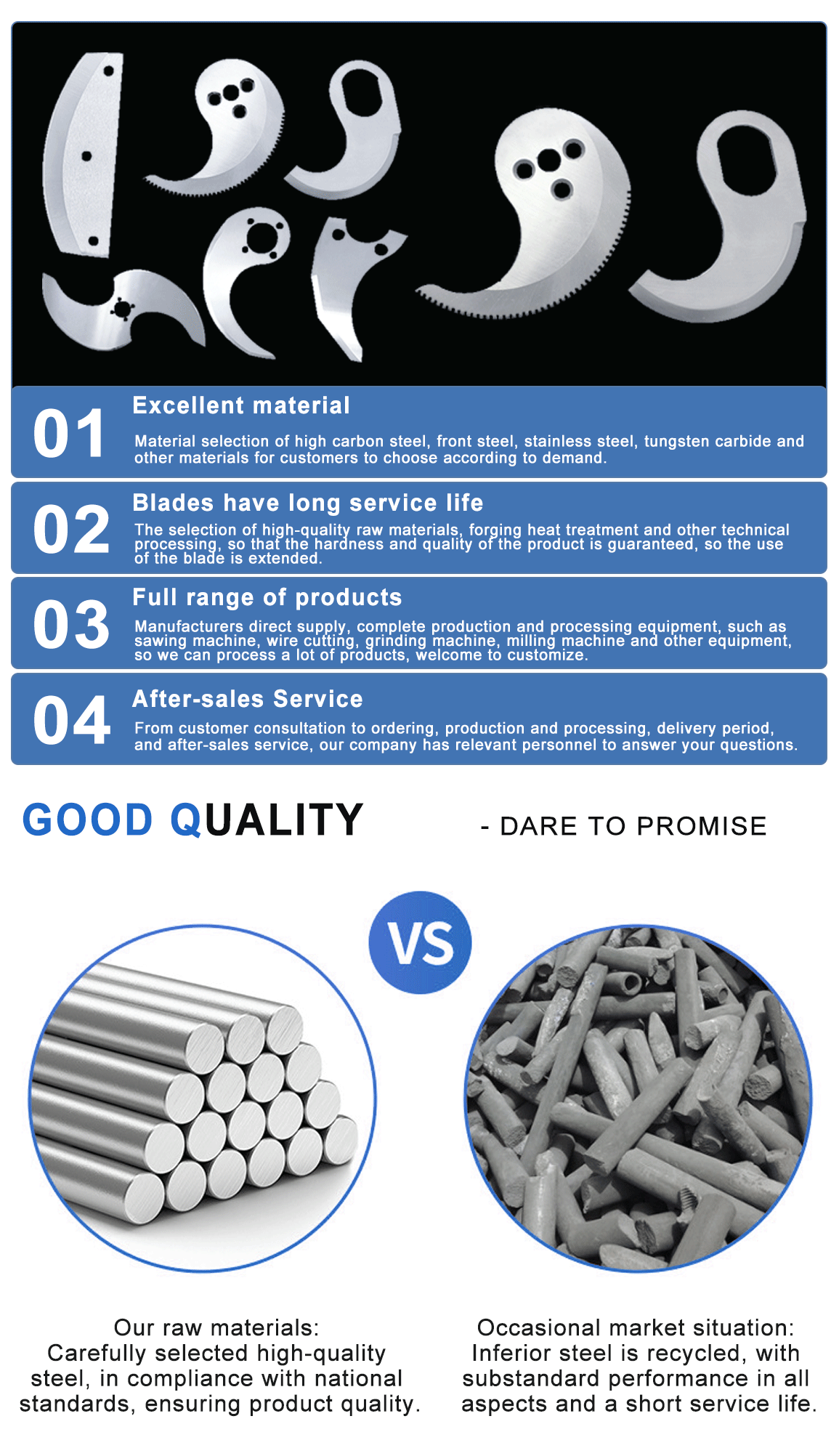
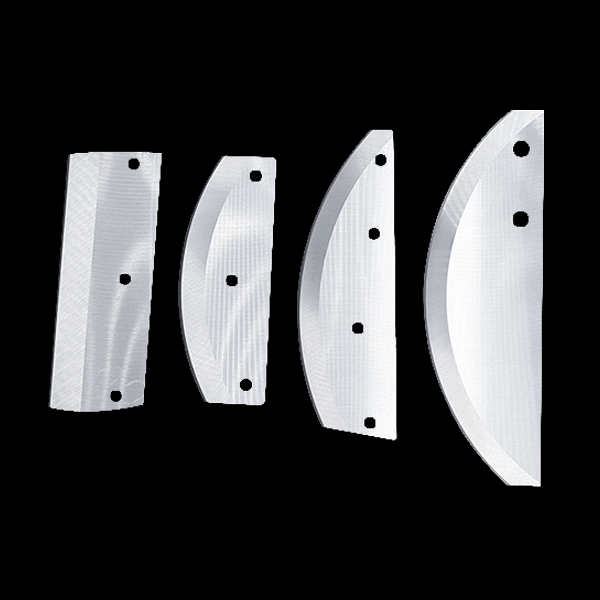
Size: The sizes of food machinery blades are diverse and highly customized, mainly depending on the specific model of the processing equipment and the type of ingredients being processed. Common size parameters include outer diameter, inner hole diameter, thickness, tooth shape, etc. For example, diameter: small, medium, large; thickness: thin edge, thick edge; hole diameter: 20 – 50 millimeters; cutting edge length: straight edge, round edge.
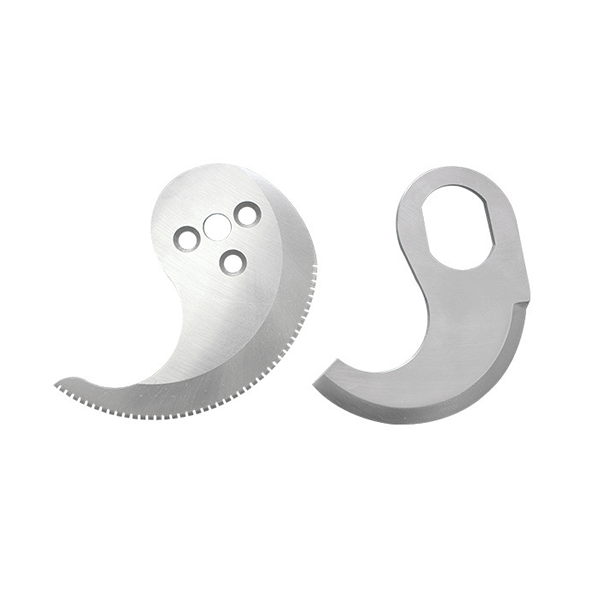
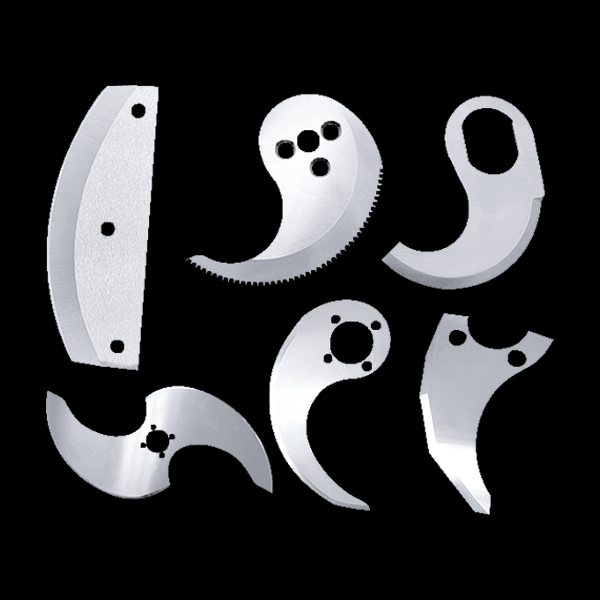
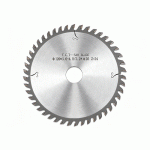
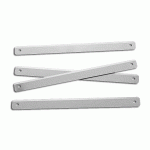
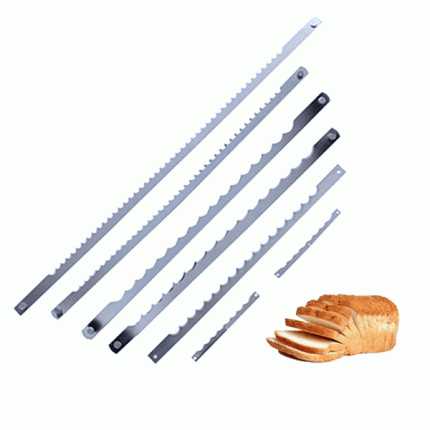
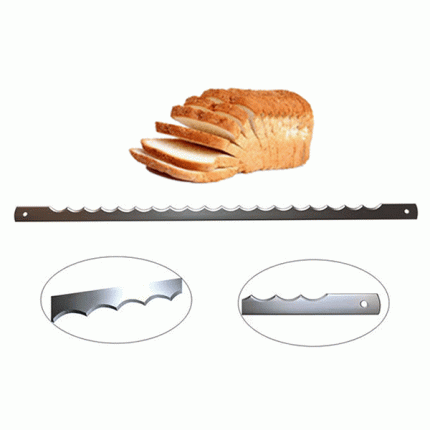
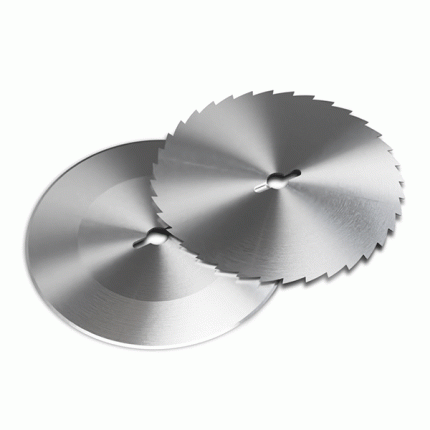
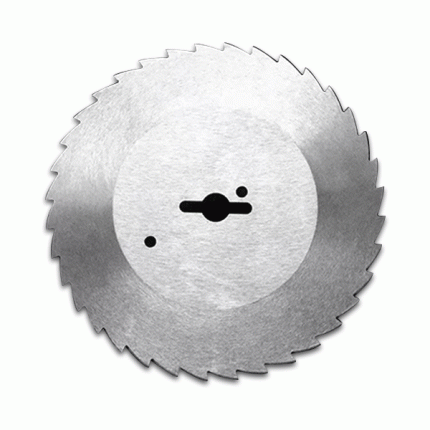
Classify: Classified by processing objects: frozen meat slices, fruit and vegetable processing, dicing, slicing, pastry baking, dough and bread slicing knives, etc.; classified by equipment type: rotary slicing knives, reciprocating cutting knives, band saw blades. Classified by blade structure: flat blade, serrated blade, and wavy blade.
Features: • High hardness and wear resistance: Using high-quality materials (such as 420 stainless steel, 440C stainless steel), the hardness after heat treatment can typically reach HRC 50-60, ensuring that the blade remains sharp and durable, with good wear resistance and a long service life.
- Excellent corrosion resistance: The blade that comes into direct contact with food must be made of food-grade materials (such as 304, 420 stainless steel), capable of resisting corrosion from water, salt, acid, grease, etc., in compliance with food safety standards and preventing rusting.
- High sharpness and precise cutting: The blade edge has been precisely ground, ensuring high sharpness. This enables smooth cutting, resulting in flat and smooth cuts, a neat surface, and reduces the loss of food juices, maintaining the appearance and nutrition of the ingredients.
- Excellent toughness and impact resistance: Capable of withstanding the shocks and pressures that may occur during processing, preventing chipping or breaking, especially when handling bone-in meats or frozen foods.
- Anti-sticking property (for some blades): Through surface treatment technologies such as Teflon coating or DLC, it reduces the adhesion of high-viscosity ingredients (such as dough, cheese, and oily meats), improving processing efficiency and facilitating cleaning.
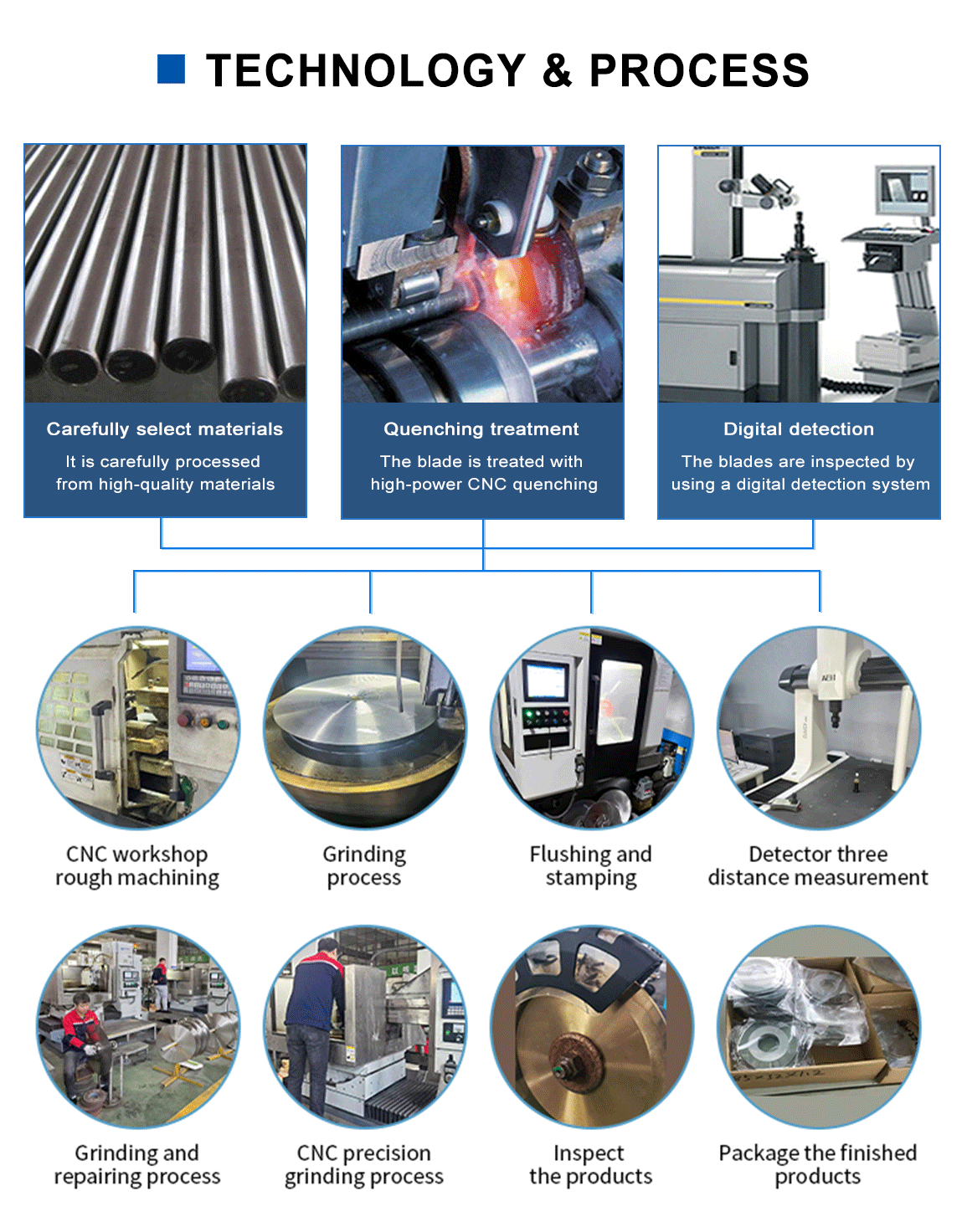
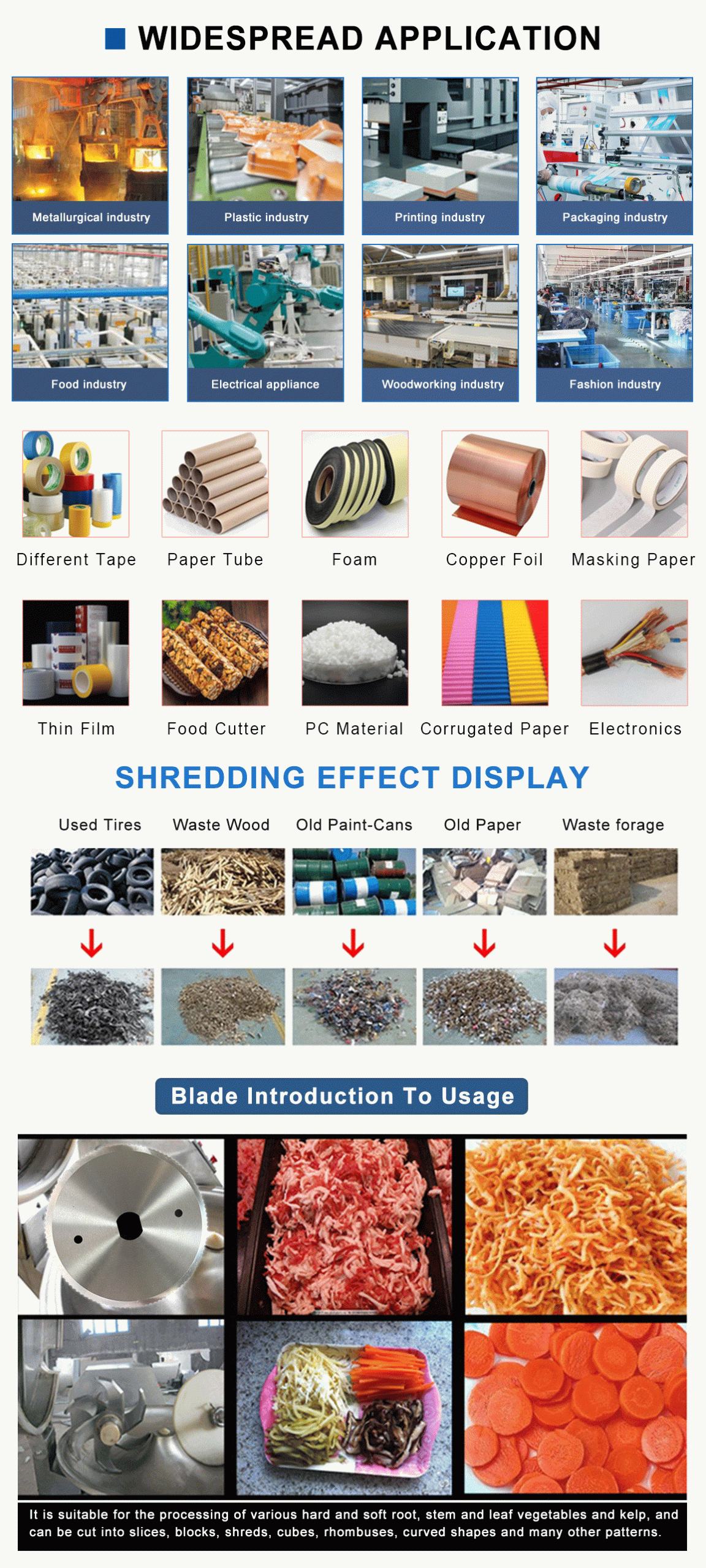
Application Scenario: Food machinery blade applications are extensive, covering almost all areas of food processing:
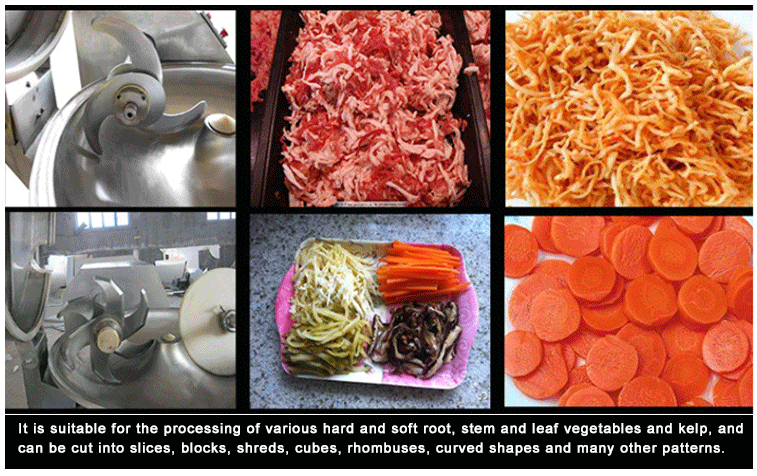
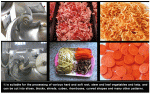
- Meat processing: Used in slicers, dicing machines, meat grinders, meat mincers, etc., for processing fresh meat, frozen meat, poultry, ham, sausages, etc.
- Fruit and vegetable processing: Used in cutting machines, dicing machines, slicing machines, etc., to cut vegetables and fruits into various shapes such as slices, strips, cubes, and chunks.
- Pastry and baked food processing: Used for cookie shaping and cutting, bread slicing, dough dividing, etc.
- Frozen food processing: Specialized frozen meat saw blades or reinforced knives are used for cutting hard frozen foods such as frozen meat and ice cream chunks.
- Others: such as cutting cheese, handling aquatic products, preparing fillings, processing aquatic products, etc.
Selection suggestions: • Equipment compatibility is crucial: Make sure that the blades are fully compatible with your food processing equipment brand and model, including installation method, size, speed, etc.
- Select based on ingredient characteristics: For processing common fruits and vegetables, you can choose 304 stainless steel blades with good cost-effectiveness; for handling meat or in situations requiring high wear resistance, consider 420 or 440C stainless steel; for processing ingredients that are prone to sticking, pay attention to coated blades; for handling hard or frozen ingredients, select blades with good toughness and specifically designed for such applications.
- Material and Food Safety: Ensure that the material of the blade complies with food hygiene standards. For blades that come into direct contact with food, it is preferable to choose food-grade stainless steel.
- Consider customization: For special equipment or unique processing requirements, we offer custom services based on provided drawings and samples.
To quickly compare the primary materials we offer, here is a summary table:
| Material Type | Typical Hardness (HRC) | Key Advantages | Limitations | Ideal For |
| High-Speed Steel (HSS) | 60-68 | Excellent toughness, good wear resistance, cost-effective. | Lower wear resistance than carbide, requires more maintenance. | General-purpose metalworking, woodworking, plastic cutting. |
| Tool Steel (e.g., SAE1095) | 58-62 (Hardened) | High strength, excellent wear resistance, good sharpness. | Less resistant to high temperatures than HSS or Carbide. | Springs, hand tools, scrapers, industrial cutters. |
| Carbide / Tungsten Carbide | 60-65 (Blades) | Exceptional hardness & wear resistance, high heat resistance. | Brittle, higher cost, complex manufacturing. | Hard materials, abrasive non-ferrous metals, high-volume production. |
| Stainless Steel | Varies (e.g., 420, 440) | Excellent corrosion resistance, durable, hygienic. | Generally not as hard as tool steels or HSS. | Food processing, medical instruments, wet environments. |
| Ceramic | N/A (Extremely Hard) | Superior edge retention, corrosion resistance, hygienic, lightweight. | Fragile, limited cutting capacity, higher cost. | Precision cutting in specific industries (e.g., textiles, packaging). |
We Are Here to Help: Choosing the right material is complex. As a factory, we have the expertise to guide you. We offer custom blade solutions and can advise on the optimal material, heat treatment, and geometry for your specific application.
Contact us today for a personalized recommendation and quote. Let our manufacturing expertise solve your cutting challenges.
Reviews
There are no reviews yet.