
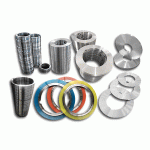
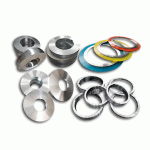
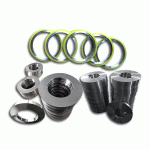
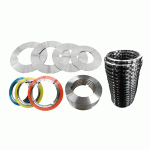
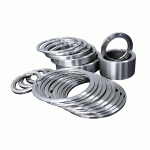
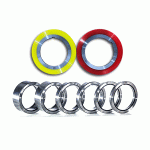
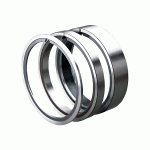
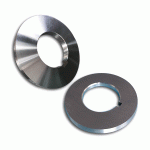
Precision Rotary Shear Knife Circular Slitting blade Used for metal processing
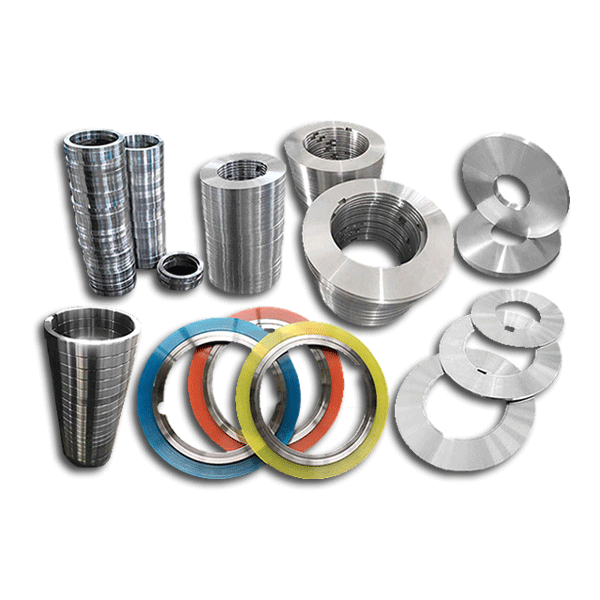
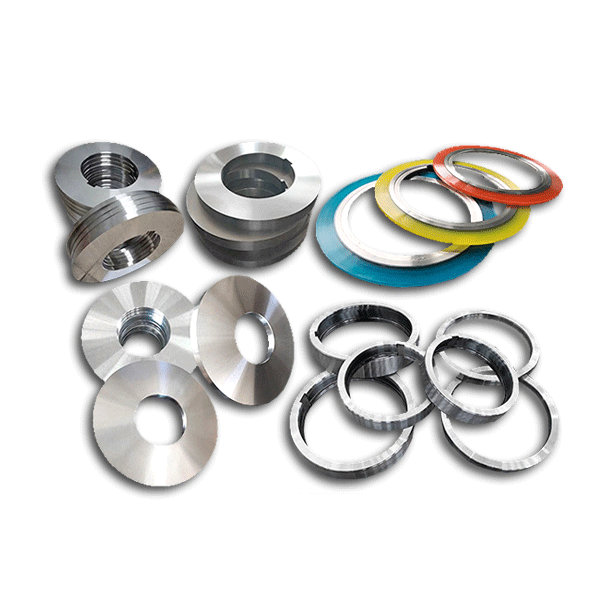
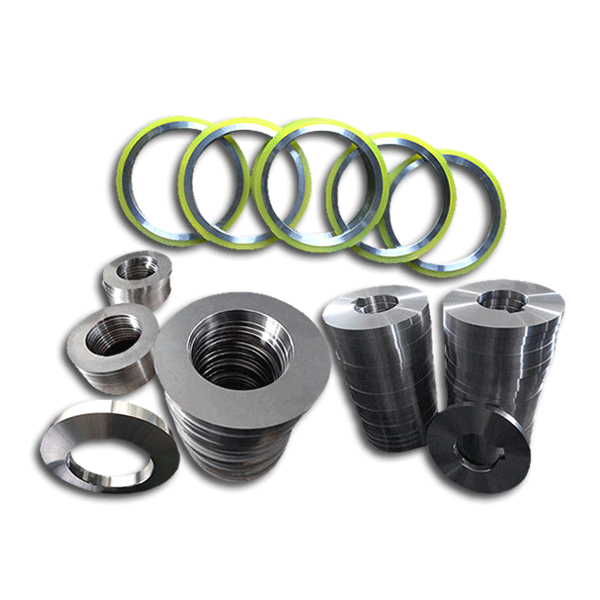
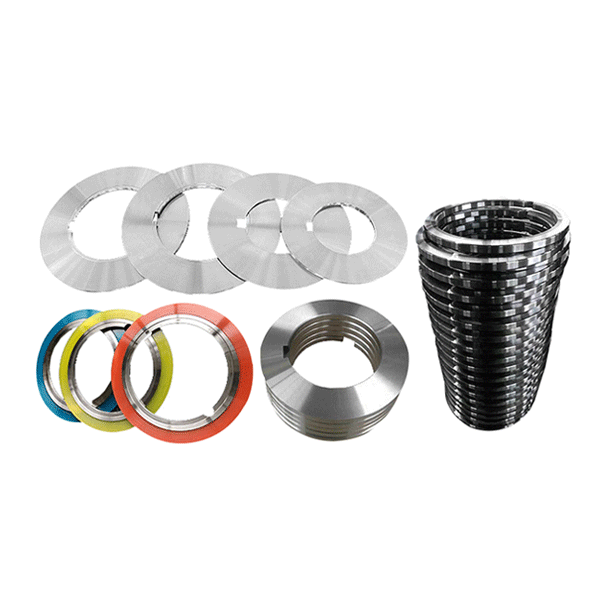
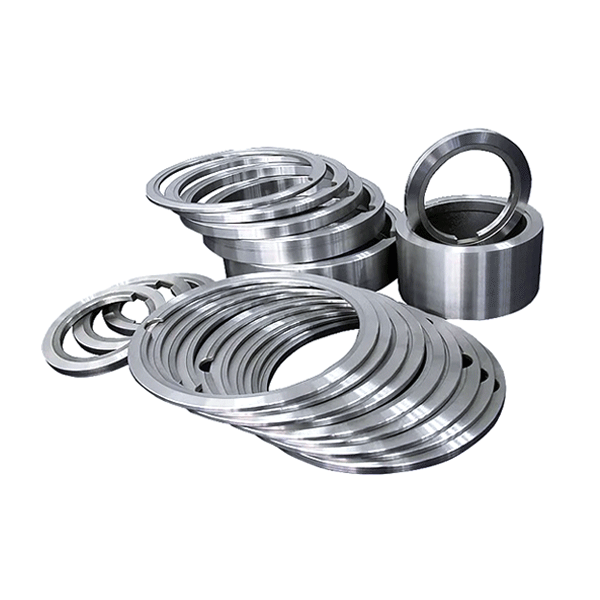
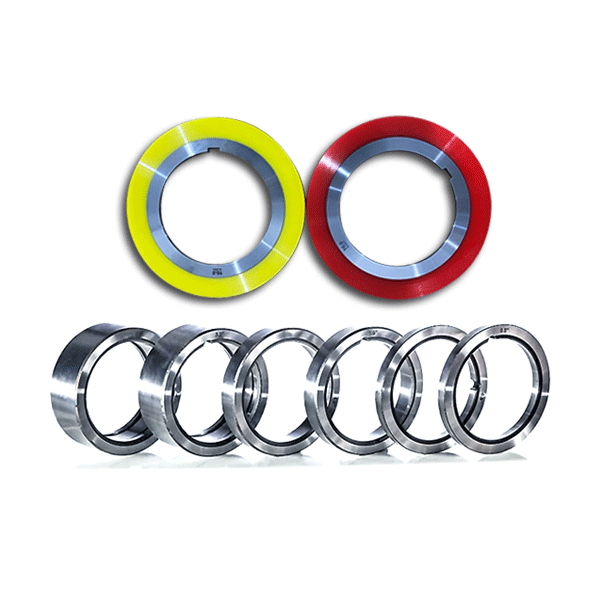
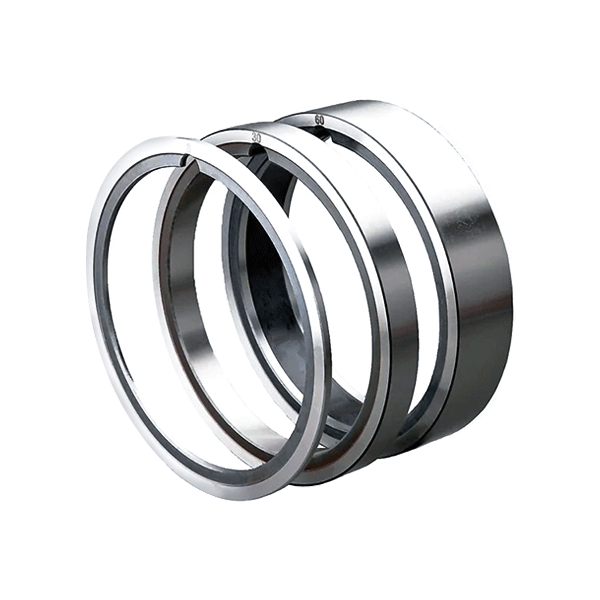
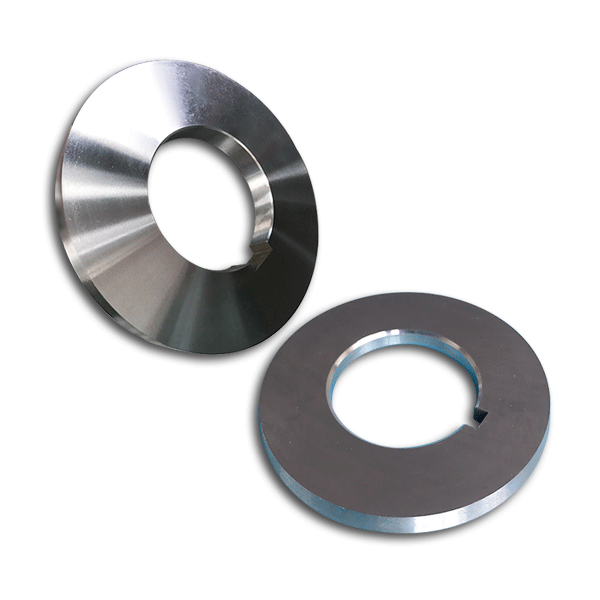
The Rotary shear blades , also known as the strip divider blade or the rolling shearing machine blade, is the core cutting tool for the thin sheet metal shearing process. Through the rotation and shearing of the upper and lower blades, wide rolls of material can be precisely cut into narrow strips of specific widths. They are usually composed of three parts: the blade, the spacer sleeve, and the spacer ring. Their diameters range widely, from 100mm to 2000mm, to meet different processing requirements – larger diameter blades are mostly used for heavy-duty sheet metal processing, while smaller diameter blades are suitable for precise cutting. They are widely used in metal processing, automotive manufacturing, and electronic and electrical industries.


Products :The Rotary shear blades , also known as the strip divider blade or the rolling shearing machine blade, is the core cutting tool for the thin sheet metal shearing process. Through the rotation and shearing of the upper and lower blades, wide rolls of material can be precisely cut into narrow strips of specific widths. They are usually composed of three parts: the blade, the spacer sleeve, and the spacer ring. Their diameters range widely, from 100mm to 2000mm, to meet different processing requirements – larger diameter blades are mostly used for heavy-duty sheet metal processing, while smaller diameter blades are suitable for precise cutting. They are widely used in metal processing, automotive manufacturing, and electronic and electrical industries.
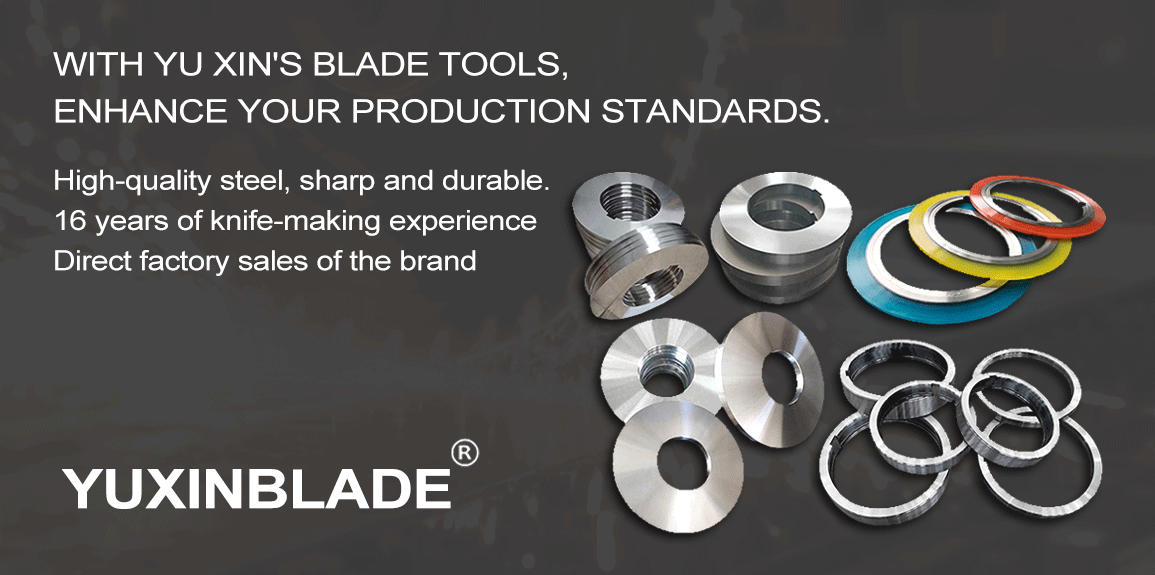
Product Name: Rotary Shear Blades / Slitting Line Knives
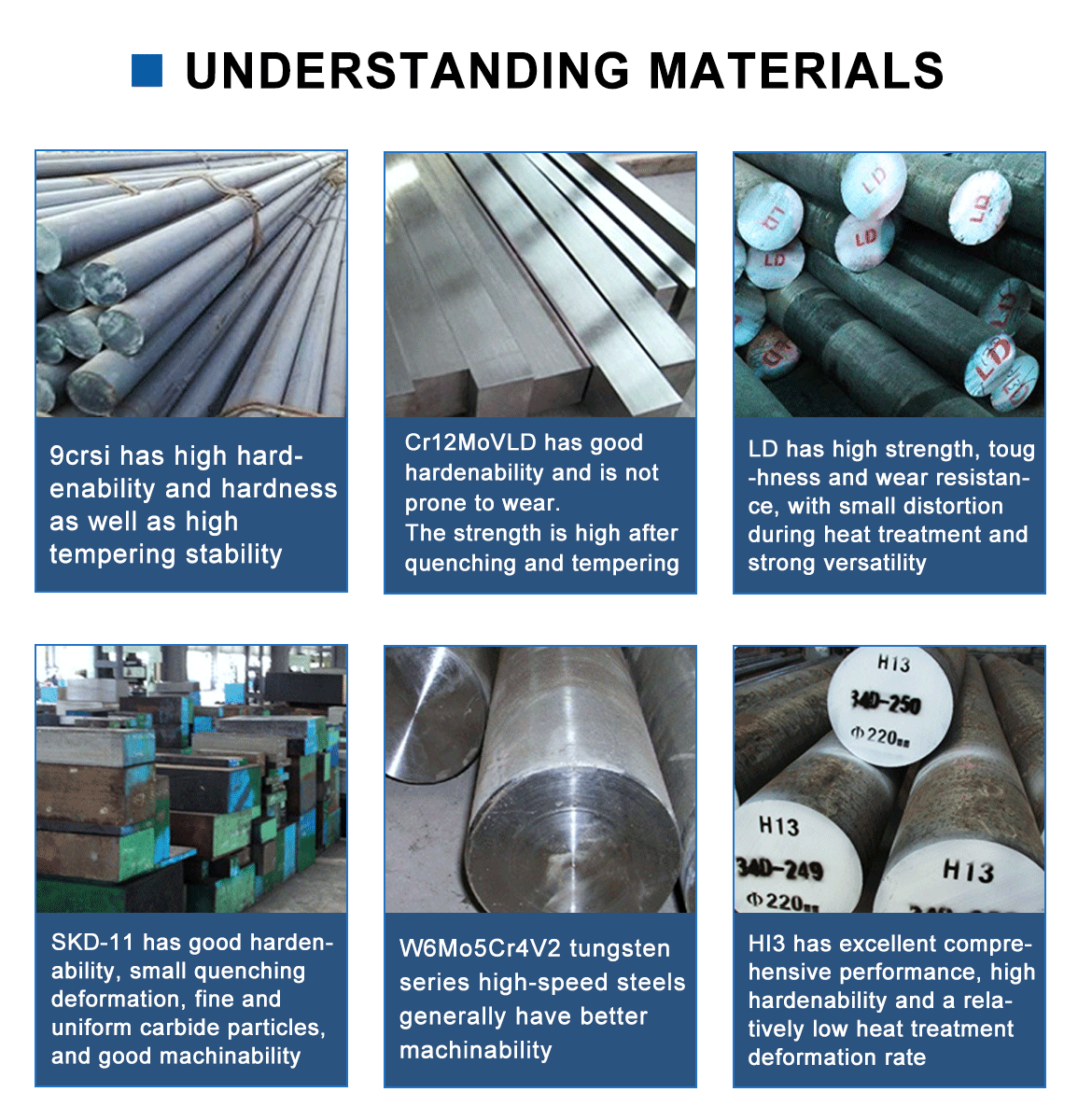
Material: 9CRSI, 5CRW2SI, 6CRW2SI, CR12MOV,LD, D2, HSS, W6MO5CR4V2, W18CR4V, H13, H13K HS-51, medium carbon steel, high carbon steel, high-speed steel, sharp steel, tungsten steel, stainless steel, etc
Common examples include:
Alloy tool steel: such as 6CrW2Si, Cr12MoV (corresponding to Japanese SKD-11), etc. This type of material has good toughness and certain wear resistance, with high cost performance and is a common choice for many cutting applications;
High-speed steel (HSS): such as W18Cr4V, W6Mo5Cr4V2 (corresponding to Japanese SKH-9, American M2), etc. It has higher hardness, red hardness and wear resistance, and is suitable for high-speed cutting or materials that are difficult to process.
Other materials: Such as LD, H13, T10, 9CrSi, etc. are also common choices.
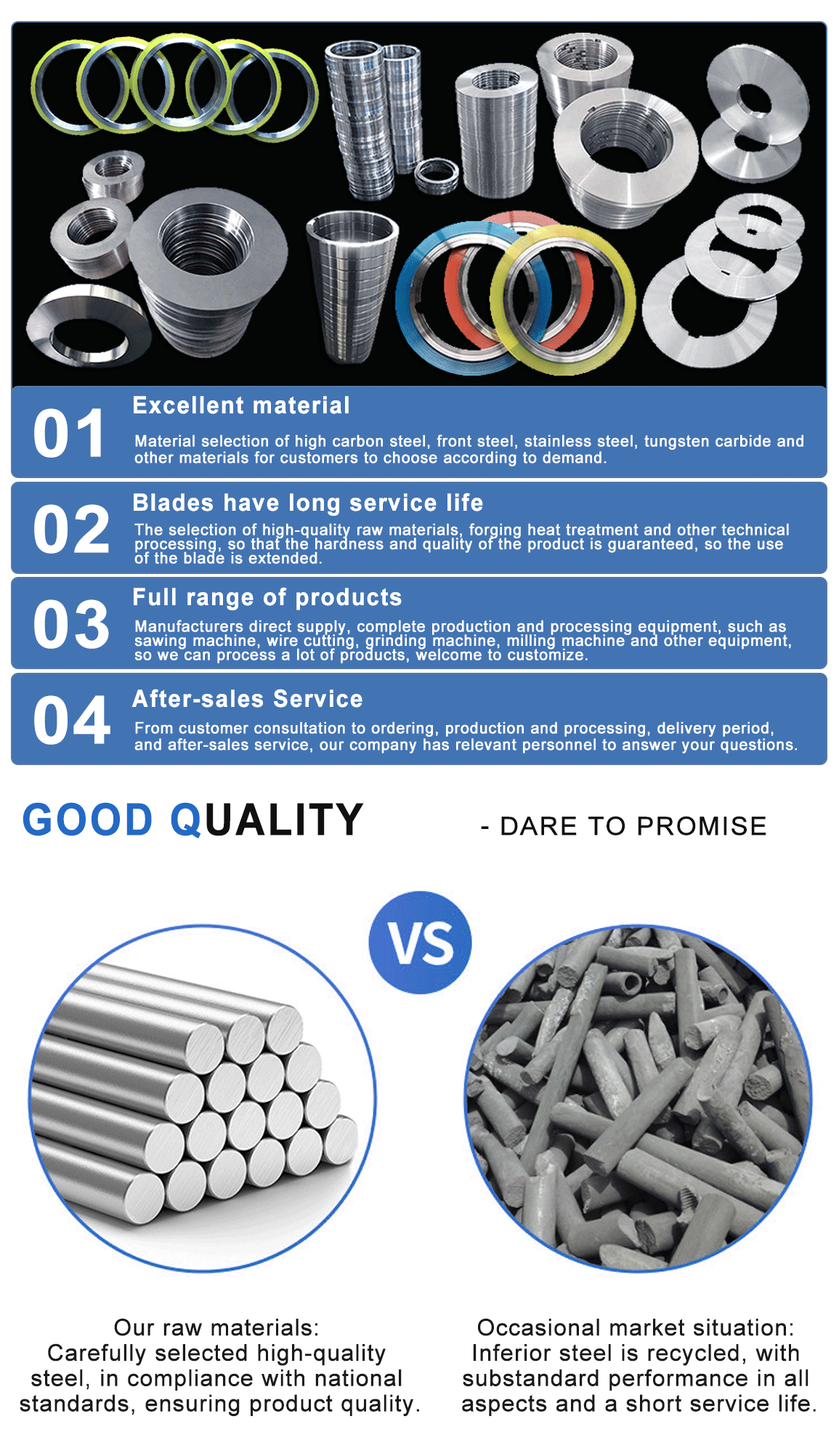
Size: Thickness: 2-10mm, outer diameter: 95-550mm, inner diameter: 32-380mm
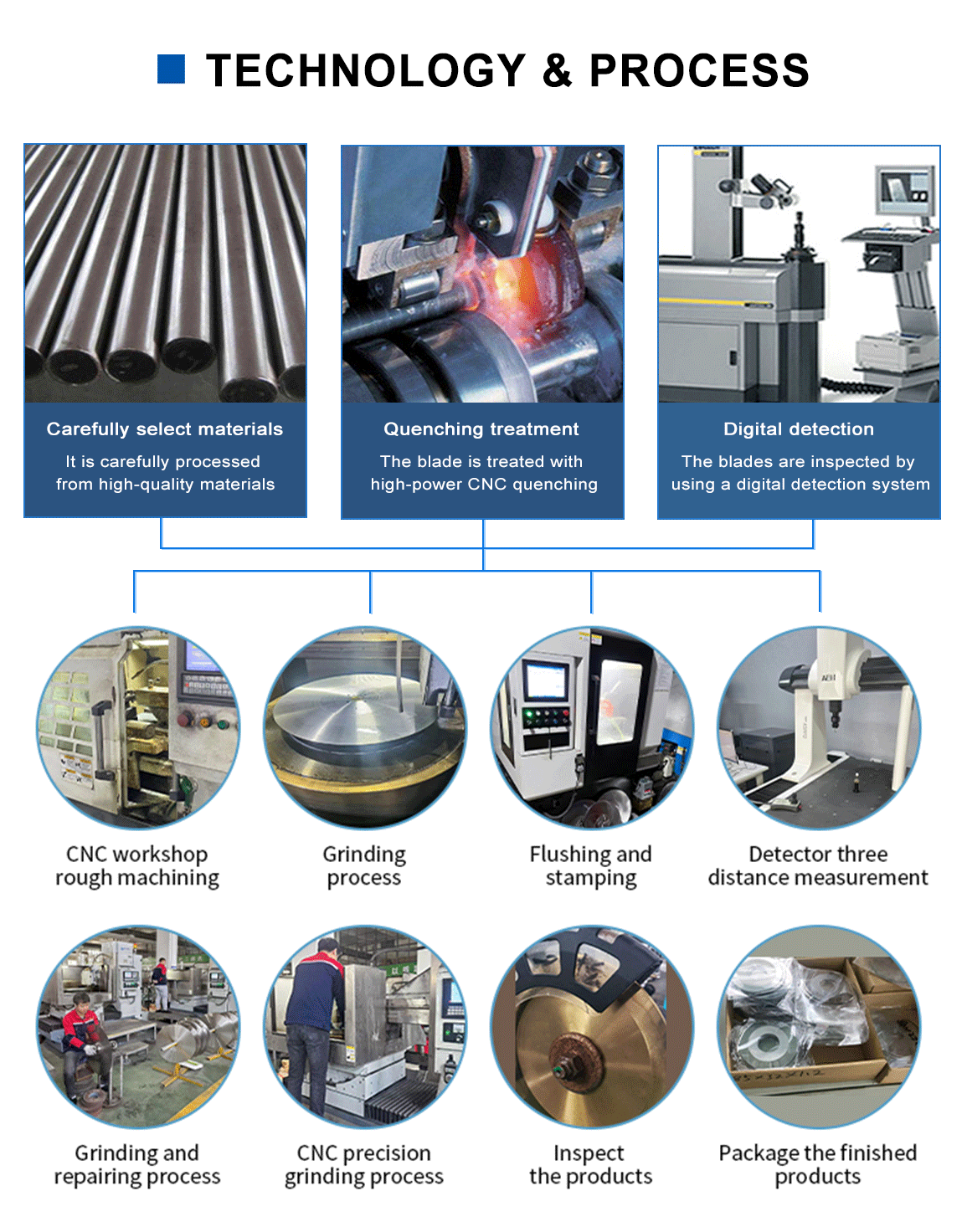
Type:High-temperature quenching, Precision Machining and Grinding , sharp cutting edge, selectable Angle and hardness
Features:
High-precision cutting: The blade flatness reaches the micron level,
the thickness tolerance can reach ±0.001mm, the cut surface is smooth and flat, which can ensure consistent cutting width and minimize material waste to the greatest extent.
High hardness and wear resistance: Made from high-quality tool steel or high-alloy mold steel, it has high hardness (such as tool steel with HRC 58-60°, special steel with HRC 60-66°), excellent wear resistance, and a long service life.
Excellent thermal stability: The blades have undergone multiple processes such as vacuum heat treatment, which can eliminate internal stress, ensuring good stability and red hardness. They are suitable for high-speed processing and continuous production.
Various blade designs: Adopting designs such as arc-shaped or straight-edged shapes. The arc-shaped blade reduces damage to the fabric, while the straight-edged blade reduces resistance and speeds up the cutting process.
Structural design: The cutting is carried out by arranging multiple blades side by side. This approach is aimed at enhancing the cutting speed and efficiency. However, this design also needs to address the issues of vibration and noise during the cutting process.
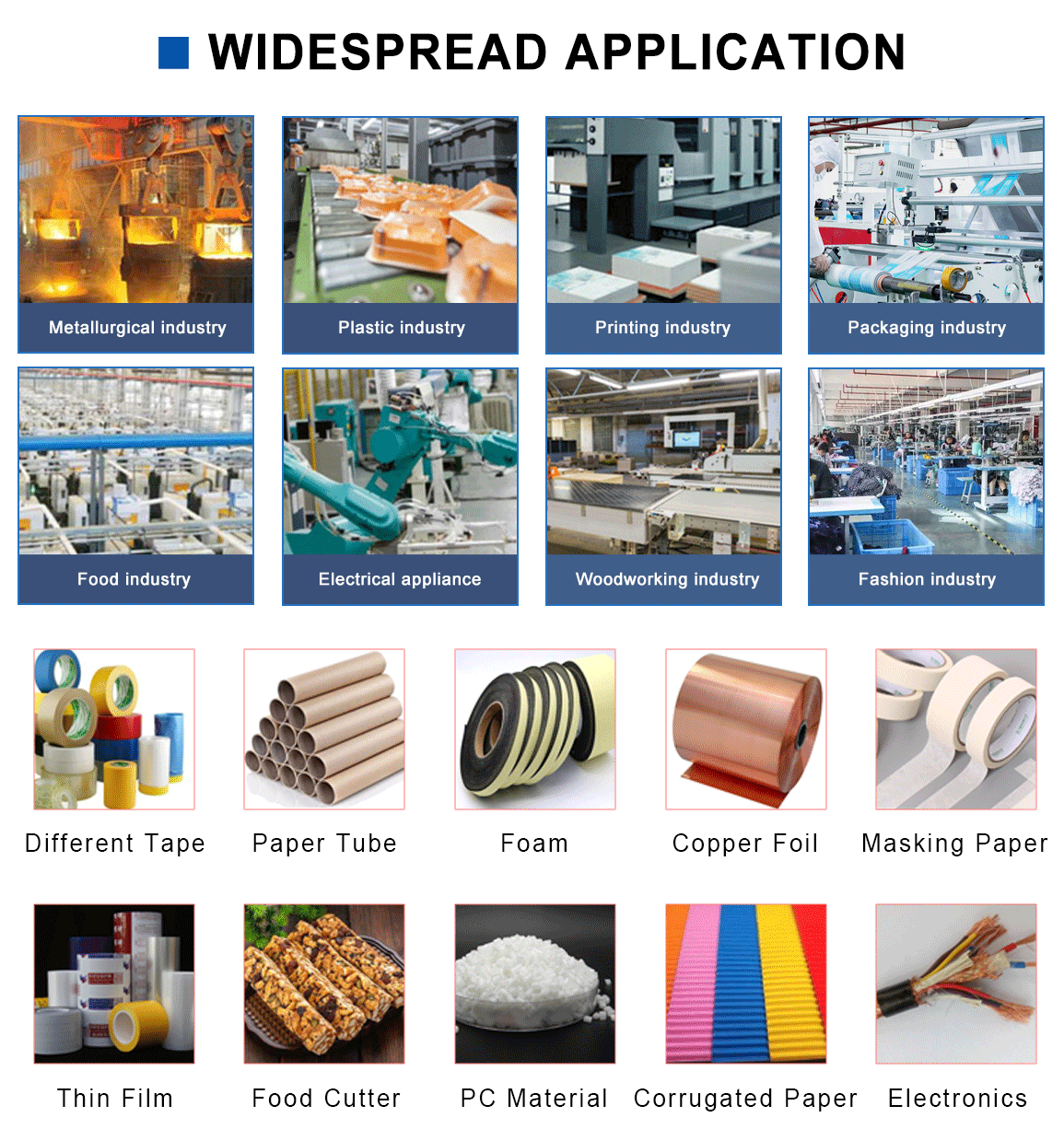
Application Scenario: Metal processing industry: Stainless steel and carbon steel coils are slit into narrow strips and used for stamping hardware parts and architectural profiles Copper and aluminum foil are slitted to produce precision parts such as electronic component leads and heat sinks.
Automobile manufacturing: High-strength steel plate slitting, used for body structural components and seat belt springs.
New energy and electronics: Copper ard aluminum strips for lithium battery tabs are slit, flexible circuit board (FPC) base materials are slit, with no burrs at the edges to prevent short circuits in the circuits.
Packaging and household appliances: Tinplate slitting, used in the manufacturing of food cans and beverage cans.
Color-coated steel sheets are slit to produce decorative materials such as refrigerator panels and air conditioner casings.
Selection criteria: Selecting the material based on the material: For different processed materials (such as stainless steel, silicon steel, copper, aluminum, etc.) and thicknesses (from extremely thin 0.1mm sheets to 10mm thick steel plates), choosing the appropriate blade material and specifications is of vital importance;
Confirm specifications and accuracy: Based on the model of the shearing machine and the shearing requirements, determine the diameter, thickness, inner hole, etc. of the required blades, as well as the corresponding accuracy grades (such as thickness tolerance, flatness, etc.).
To quickly compare the primary materials we offer, here is a summary table:
| Material Type | Typical Hardness (HRC) | Key Advantages | Limitations | Ideal For |
| High-Speed Steel (HSS) | 60-68 | Excellent toughness, good wear resistance, cost-effective. | Lower wear resistance than carbide, requires more maintenance. | General-purpose metalworking, woodworking, plastic cutting. |
| Tool Steel (e.g., SAE1095) | 58-62 (Hardened) | High strength, excellent wear resistance, good sharpness. | Less resistant to high temperatures than HSS or Carbide. | Springs, hand tools, scrapers, industrial cutters. |
| Carbide / Tungsten Carbide | 60-65 (Blades) | Exceptional hardness & wear resistance, high heat resistance. | Brittle, higher cost, complex manufacturing. | Hard materials, abrasive non-ferrous metals, high-volume production. |
| Stainless Steel | Varies (e.g., 420, 440) | Excellent corrosion resistance, durable, hygienic. | Generally not as hard as tool steels or HSS. | Food processing, medical instruments, wet environments. |
| Ceramic | N/A (Extremely Hard) | Superior edge retention, corrosion resistance, hygienic, lightweight. | Fragile, limited cutting capacity, higher cost. | Precision cutting in specific industries (e.g., textiles, packaging). |
We Are Here to Help: Choosing the right material is complex. As a factory, we have the expertise to guide you. We offer custom blade solutions and can advise on the optimal material, heat treatment, and geometry for your specific application.
Contact us today for a personalized recommendation and quote. Let our manufacturing expertise solve your cutting challenges.
Related products
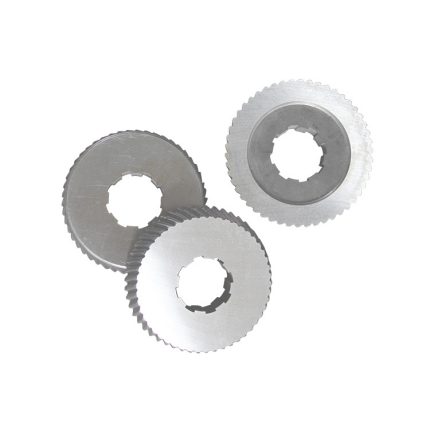
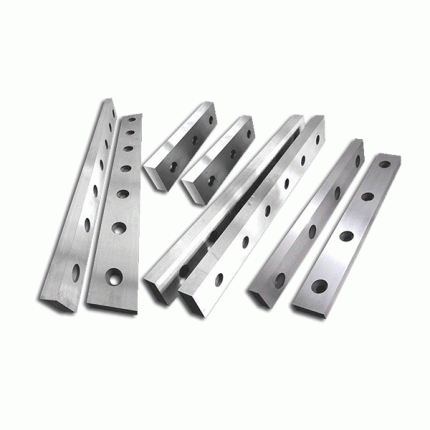
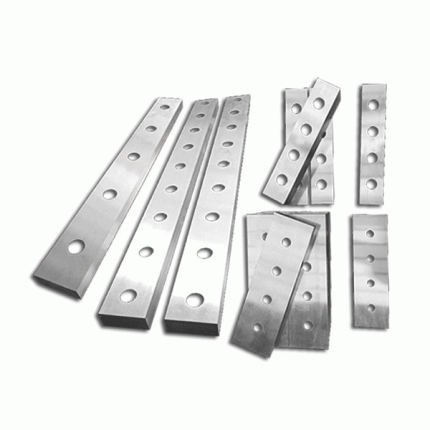
High-Hardness Metallurgical Steel Rolling Knife Yuxin Oem For Industrial Manufacturing
Metallurgical steel rolling blades are the core tools used in the steel industry for rolling, shearing and splitting steel strips. They are known as the "sharp teeth" for steel forming. By means of the moving upper blade and the fixedl lower blade, with a reasonable blade gap, they apply shear force to various thicknesses of metal plates, causing the plates to break and separate according to the required dimensions. They have extremely high requirements for hardness, wear resistance and heat resistance.
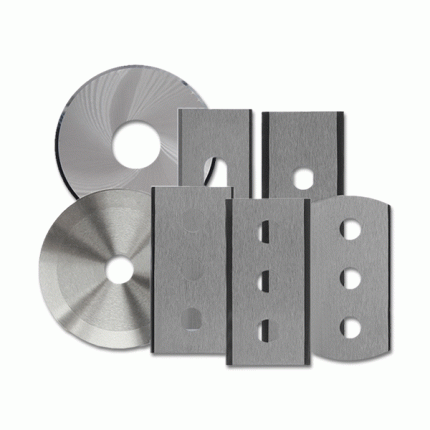
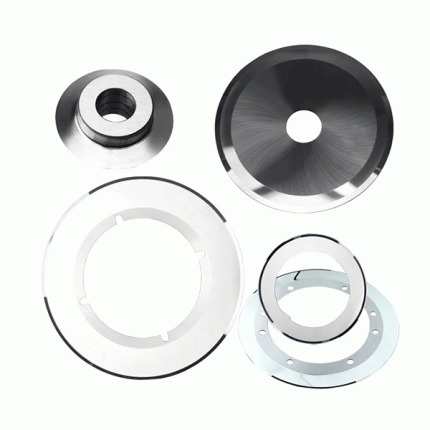
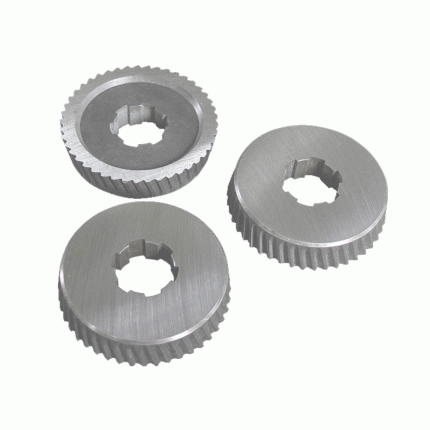
Industrial Grade Tungsten Carbide Circular Blades For Precise Strip Cutting Durable And Suitable
Tungsten steel round blades are usually made from high-quality tungsten carbide alloy (mainly composed of tungsten carbide and cobalt) through powder metallurgy process. 。 This process endows the blade with extremely high hardness, wear resistance and thermal stability, making it highly suitable for high-speed and precise cutting operations. It is applicable for cutting metals, plastics, composite materials and other hard materials. Depending on the shape and design, common tungsten steel round blades include flat round blades and toothed round blades, etc.
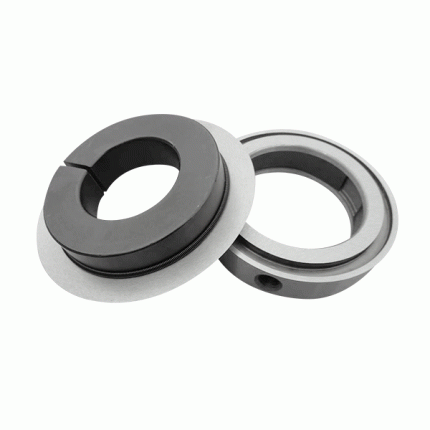
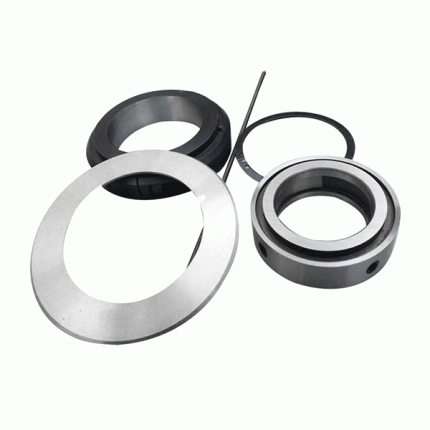
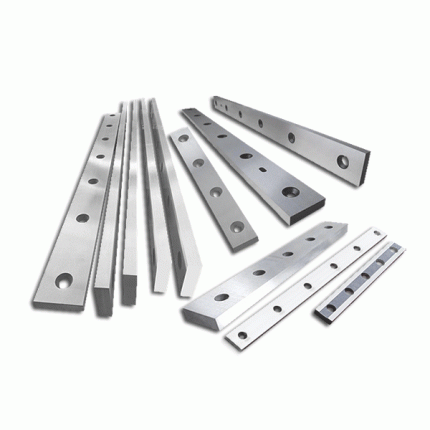
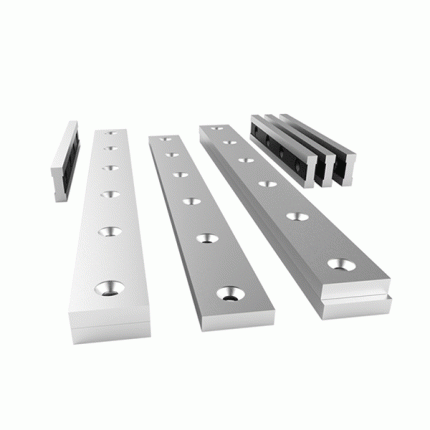
Steel Plate Shearing Machines Blades Manufacturer for Metal Guillotine Long Knives
The shearing machine blade is the core cutting component of the shearing machine, consisting of an upper blade (moving) and a lower blade (fixed). By adjusting the blade gap reasonably, it applies cutting force to the metal sheet to achieve precise cutting of straight edges. Its working principle is based on the mechanical structure of forging machinery and is widely used in industries such as light industry, aviation, shipping, metallurgy, electrical appliances, and stainless steel products.
Reviews
There are no reviews yet.