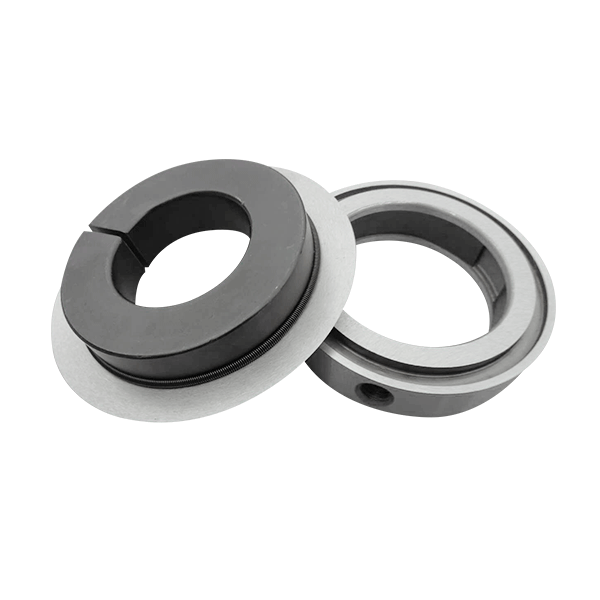
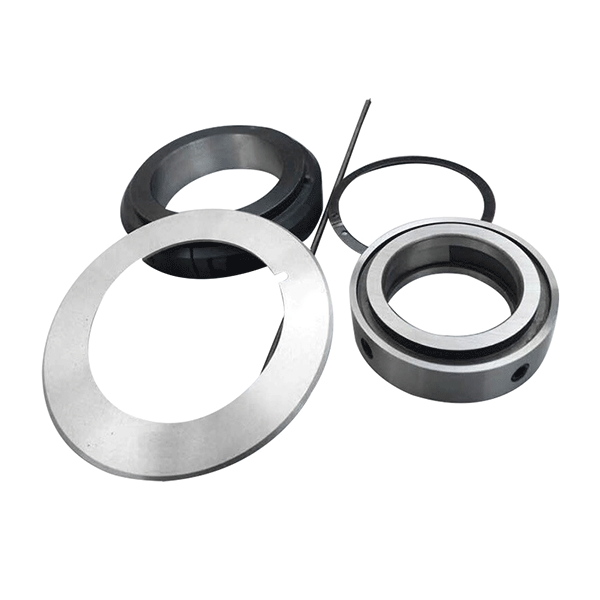
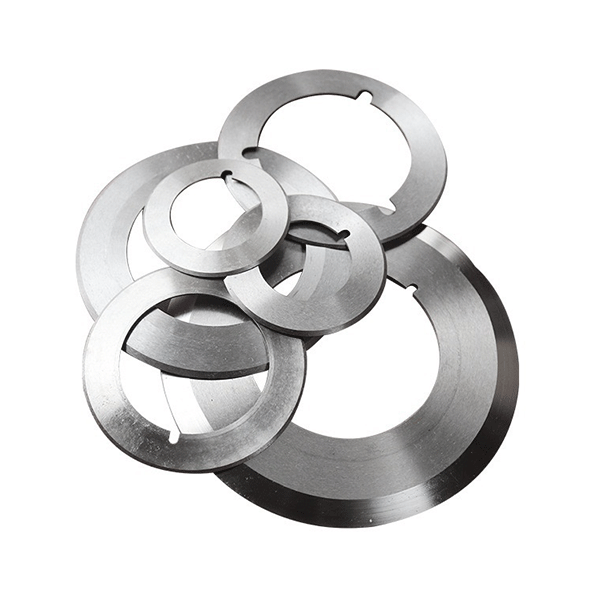
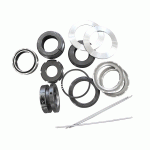
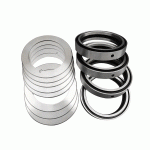
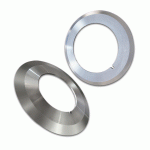
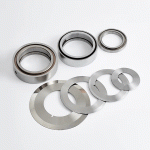
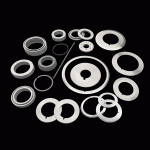
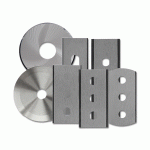
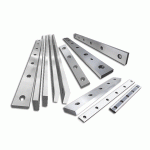
Micron-Level Precision Carbide Slitting Upper And Lower Balde For Metal Processing Cutting


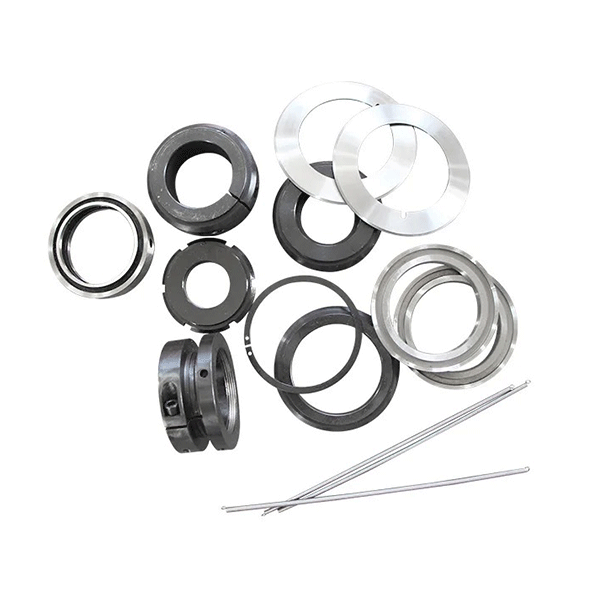
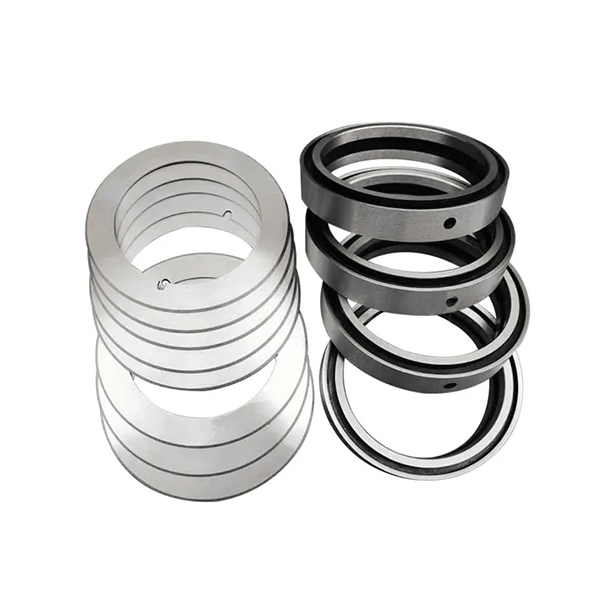
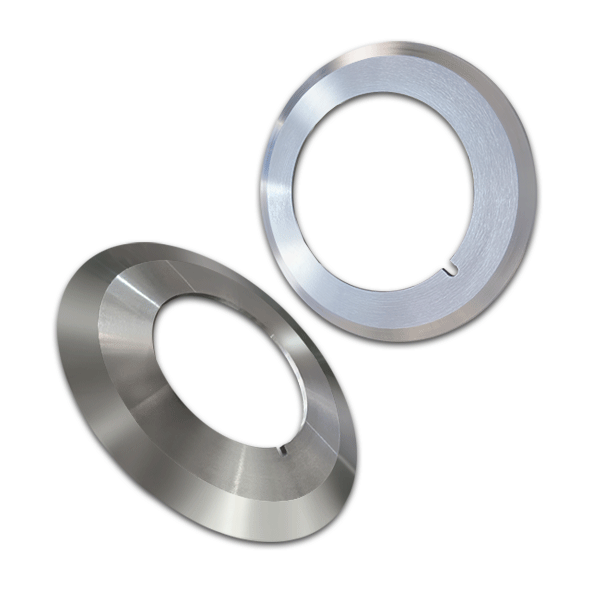
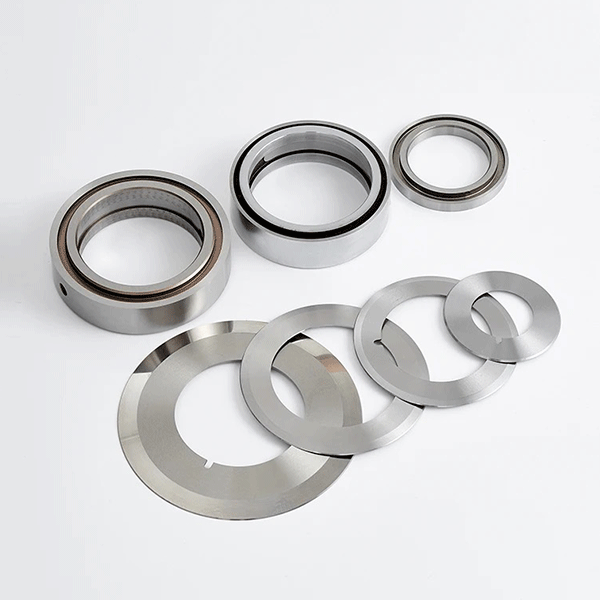
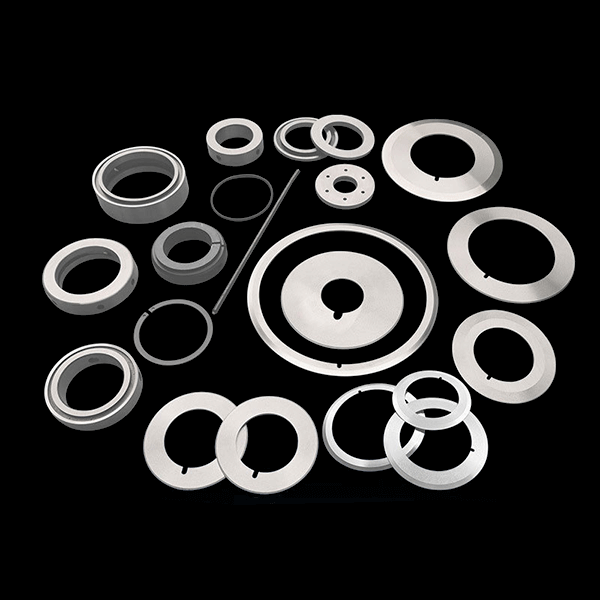
Products :The upper and lower blade pieces for shearing are precision tools used in pairs on the shearing machine. The upper and lower edges of the circular blade have been designed. The upper edge is sharp and suitable for cutting. The upper blade (active blade) is usually installed on a movable blade holder and mainly undertakes the cutting task, requiring higher hardness and wear resistance; while the upper edge serves as a support. The lower edge (lower blade or backing blade) is mainly for supporting and positioning the material, and is usually fixedly installed. It mainly plays the role of supporting and positioning, cooperating with the upper blade to complete shearing and ensuring the stability and accuracy of the cutting.
This blade is sturdy, durable and wear-resistant, with a structurally adjustable design. It is suitable for shearing various materials. They can efficiently divide wide rolls into multiple narrow-sized materials in multiple rolls, and ensure that the cuts are smooth, without burrs or scratches. The shearing process mainly includes trimming (removing the process waste), rolling (dividing wide rolls into narrow rolls) and unrolling (dividing large diameters into small diameters).
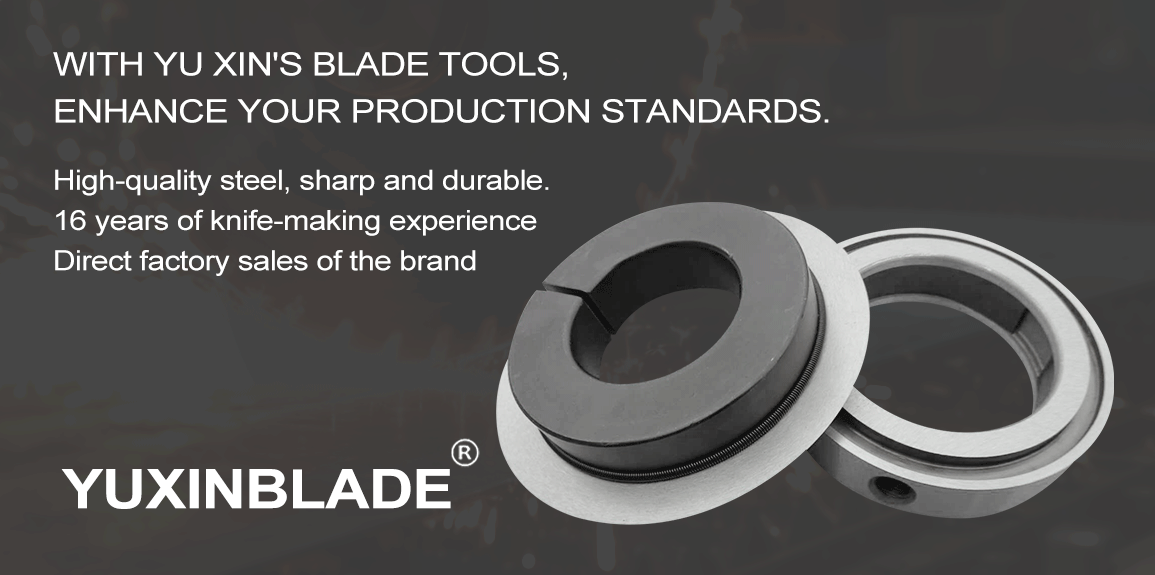
Product Name: Circular Cutting Upper & Lower Blade / Slitting Upper And Lower Knives
Material: 9CRSI, SKD, SKH, T10, 6CRW2SI, CR12MOV, LD, H13, HSS, stainless steel such as 420J2, 440C, etc.; W18CR4V tungsten steel alloy and other materials.
Alloy tool steel: Such as 9CrSi, Cr12MoV (equivalent to Japanese SKD-11), has good toughness and certain wear resistance, with high cost-effectiveness. It is a common choice for many cutting applications.
High-speed steel (HSS): For example, W6Mo5Cr4V2 (equivalent to Japanese SKH-9 and American M2), has higher hardness, red hardness and wear resistance, and is suitable for high-speed cutting or processing of difficult materials.
Hard alloy (tungsten steel): For example, the YG series (tungsten-cobalt type alloys) have extremely high hardness (above HRA 90) and wear resistance, and their lifespan is usually more than 3-5 times that of high-speed steel. They are particularly suitable for cutting abrasive materials with strong abrasiveness, such as glass fibers, metal foils, and high-precision films, but the price is higher.
Stainless steel: such as 420J2, 440C, etc. It is mainly used in food, medicine and other fields where hygiene and rust prevention are of high importance.
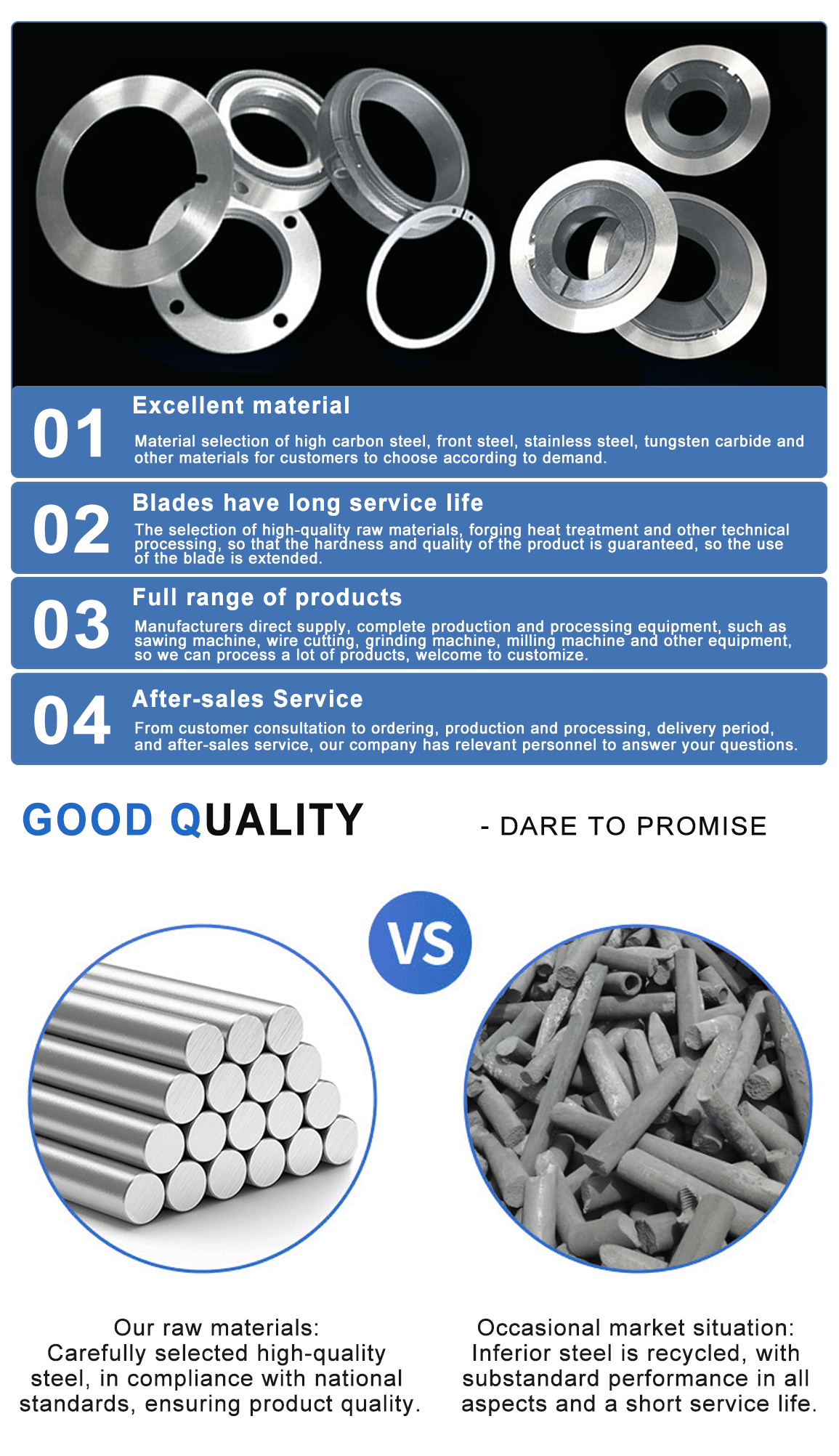
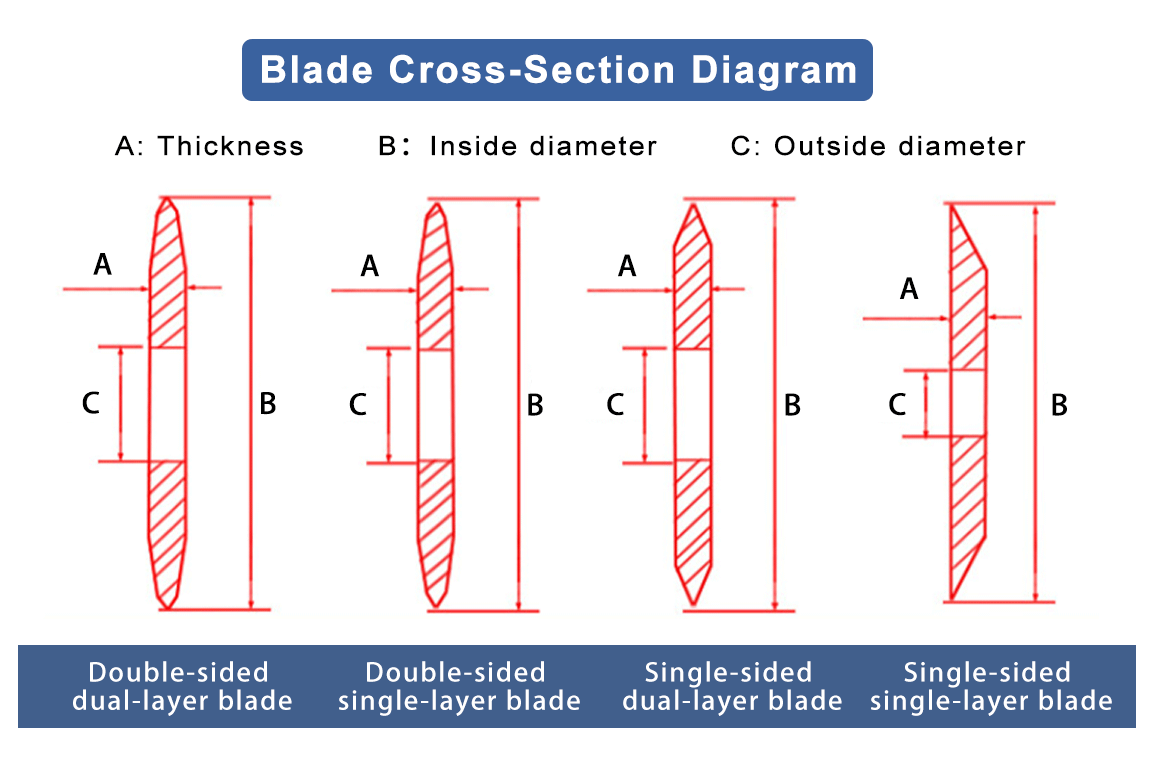
Size: A wide range of standard sizes are available, and custom production based on provided drawings or samples is also supported.
Technology:
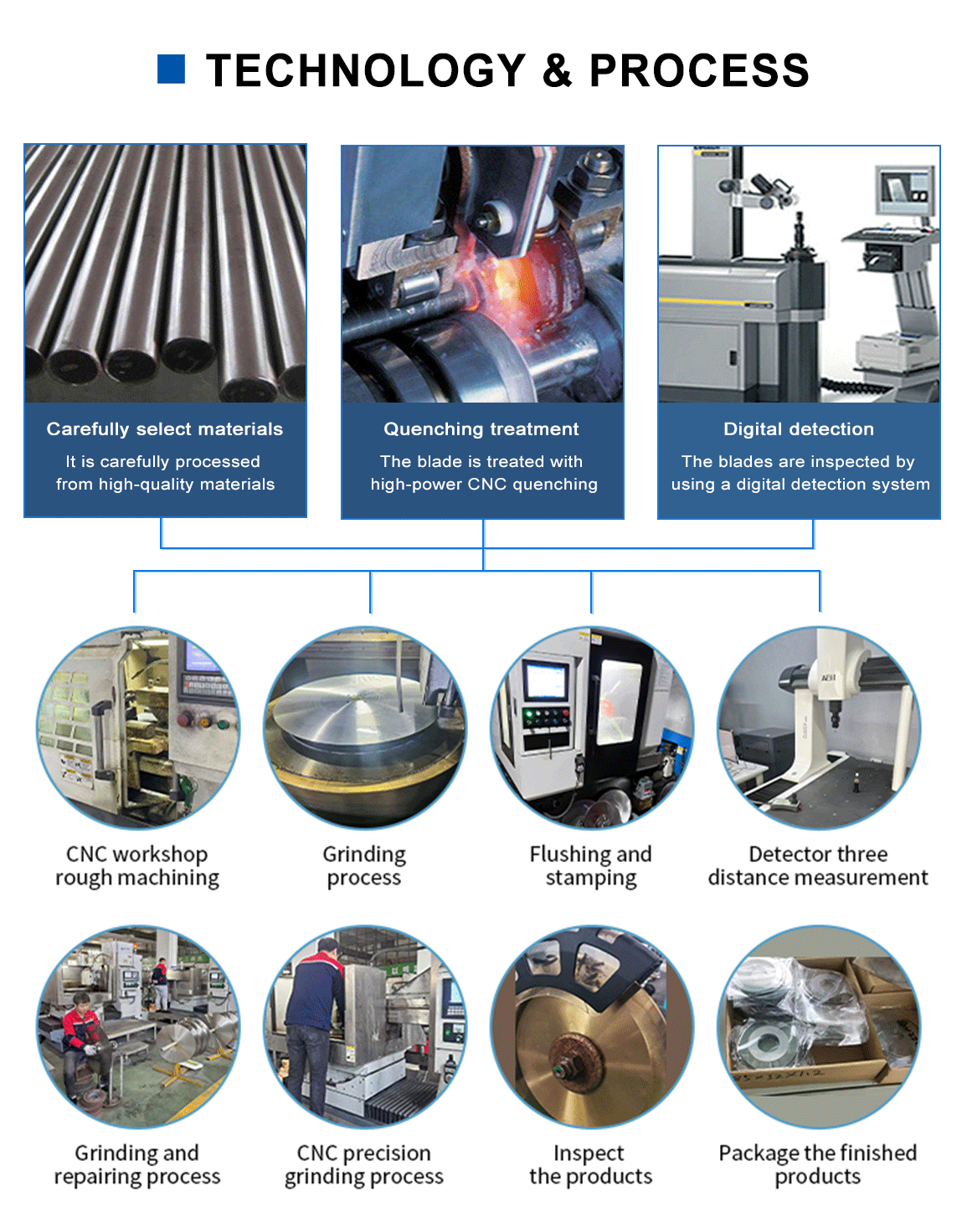
- Precision forging and processing: Utilizing processes such as fine grinding to ensure sharp edges and precise dimensions.
- Heat treatment: Achieve high hardness and good toughness through processes such as quenching and low-temperature tempering.
- Surface treatment: PVD coatings (such as TiN, TiAlN) can significantly enhance surface hardness, reduce friction coefficient, improve anti-adhesion and corrosion resistance.
Features:
- High hardness and wear resistance: The blades are usually made of high-strength steel or hard alloy. They have high hardness (for example, the lifespan of hard alloy blades is more than 3 to 5 times that of high-speed steel) and excellent wear resistance, enabling them to withstand long-term high-speed operation and reducing the frequency of changing the blades.
- High-precision cutting: The cutting edge has a high grinding accuracy (sometimes reaching micrometer-level precision), which ensures consistent cutting width, smooth cuts without burrs, and minimizes material waste to the greatest extent.
- Corrosion Resistance and Anti-adhesion: Some blades will be treated with special coatings (such as TiN, TiAlN) or made of stainless steel to reduce friction during the cutting process, prevent adhesion of materials (such as tapes, films), and resist corrosion, thereby extending the service life. 4. Stability and Dynamic Balance Design: The high-quality blades undergo thorough dynamic balance calibration to ensure smooth operation at high speeds, minimize vibrations, guarantee the quality of the cutting process, and reduce the risk of equipment wear.
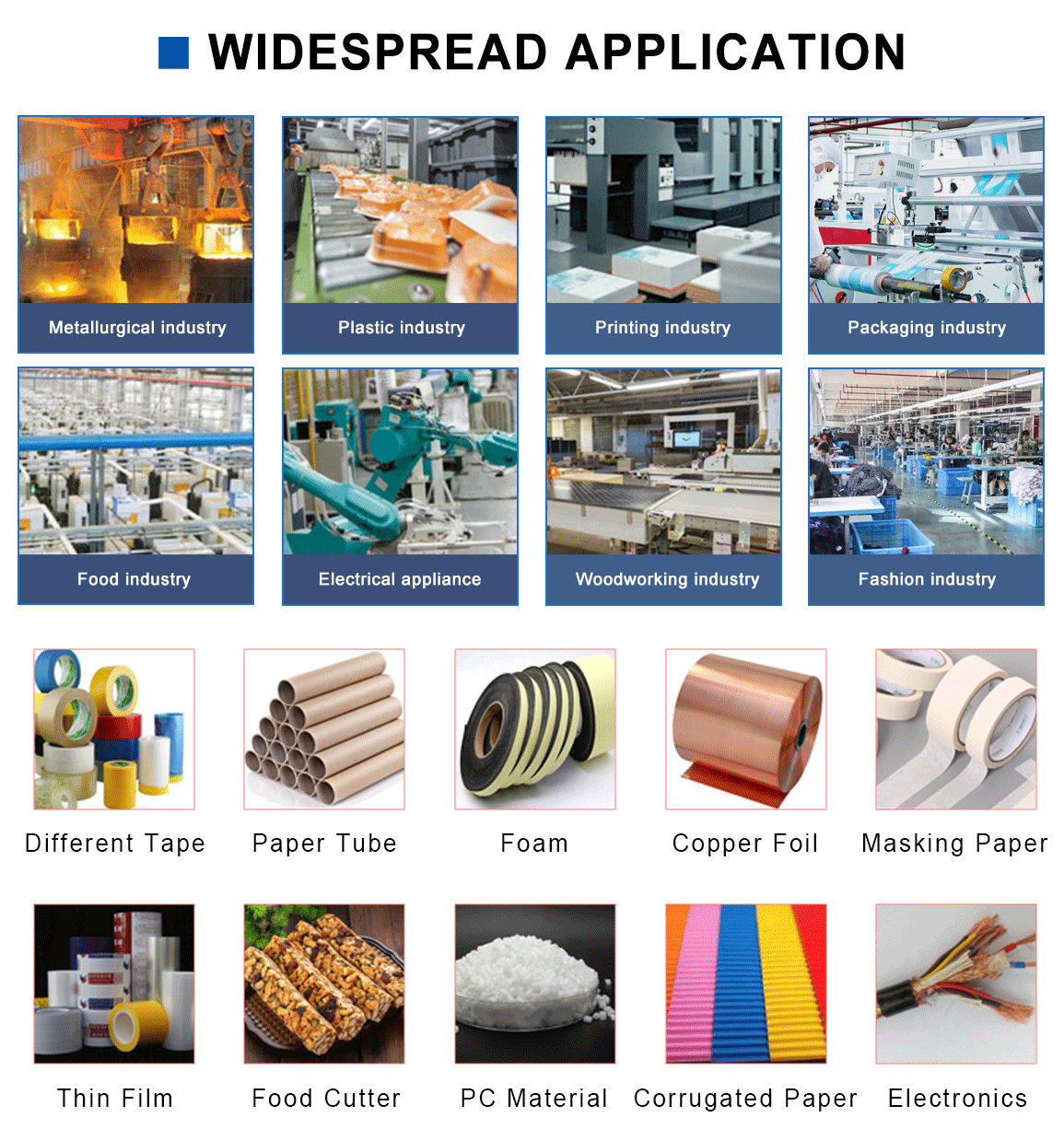
Application Scenario: The segmented upper and lower blade pieces are widely used and cover almost all industries that need to process sheet materials: paper, paper product processing, tape products, films, wires and cables, rubber, aluminum foil, non-manufactured fabrics, composite packaging materials, chemical fibers, telecommunications tools, cigarettes, leather, printed materials, food and clothing, etc.
Applicable To: Soft polyvinyl chloride, rigid polyvinyl chloride, polypropylene, polyethylene, polystyrene, polyethylene terephthalate, biaxially oriented polypropylene film, adhesive tape, etc.; Paper: Kraft paper, anti-stick paper, wallpaper, fine paper, adhesive paper, cardboard, etc.; Fabrics: Non-woven fabric, synthetic fibers, natural cotton, trademark fabric,etc.
Selection criteria:
- Based on the material selection: For thin and brittle materials (such as films less than 70 microns in thickness), a wide-cut design can be considered, with low resistance and smooth cuts; for thick or hard materials (such as self-adhesive materials, paper, leather), a narrow-cut design can be adopted. For extremely thin or high-precision materials (such as high-end metallized films), a hard alloy blade can be considered.
- Select the cutting method: Round knife cutting (upside-down circular disc knife shearing or extrusion cutting) is more suitable for thick films, composite films, paper, etc. Flat knife cutting (floating or slotting cutting) is more suitable for thin plastic films and composite films.
- It is crucial to select the right blade that suits the requirements of one’s own equipment, processing materials and manufacturing techniques.
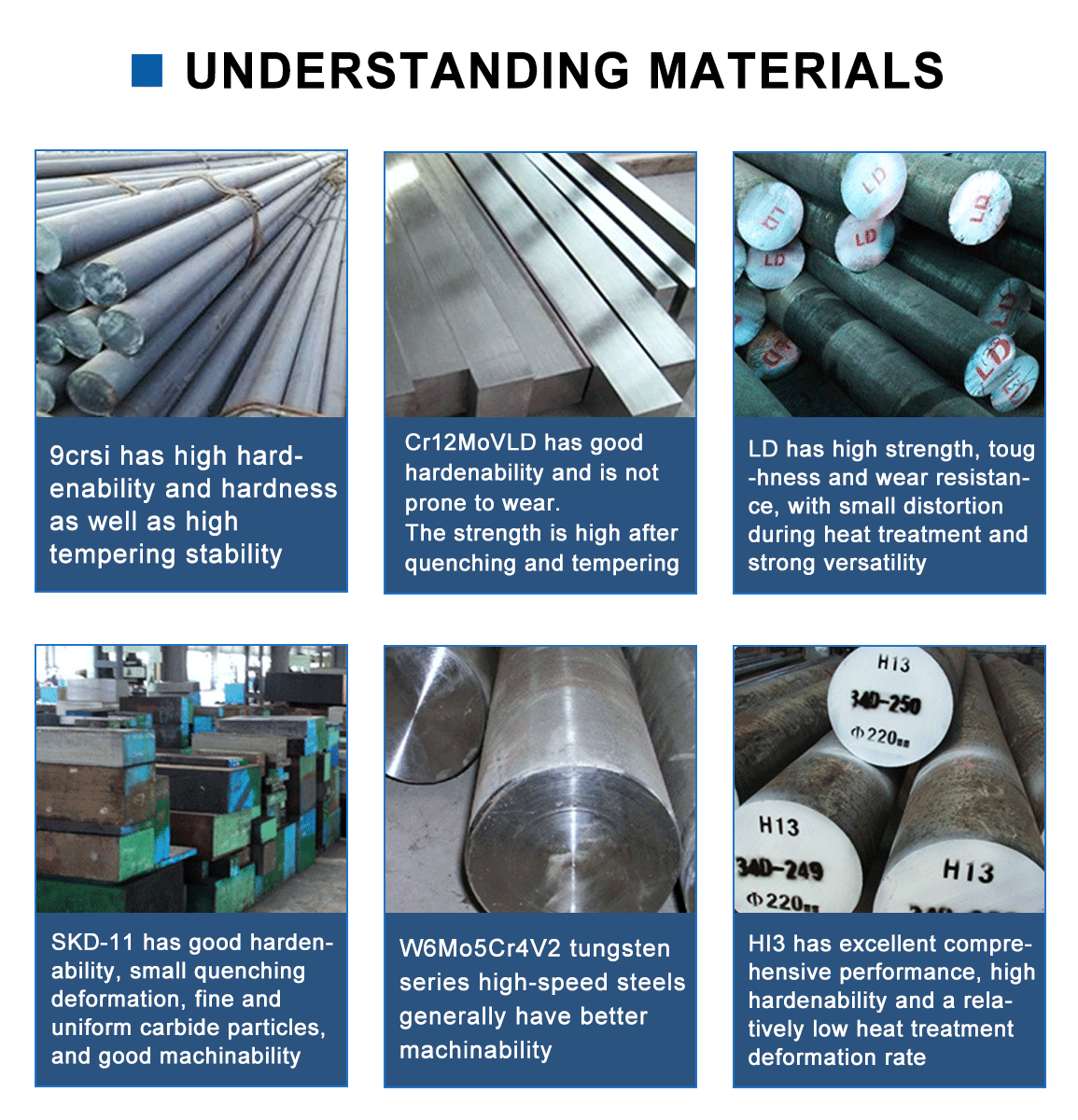
We Are Here to Help: Choosing the right material is complex. As a factory, we have the expertise to guide you. We offer custom blade solutions and can advise on the optimal material, heat treatment, and geometry for your specific application.
Contact us today for a personalized recommendation and quote. Let our manufacturing expertise solve your cutting challenges.
Related products
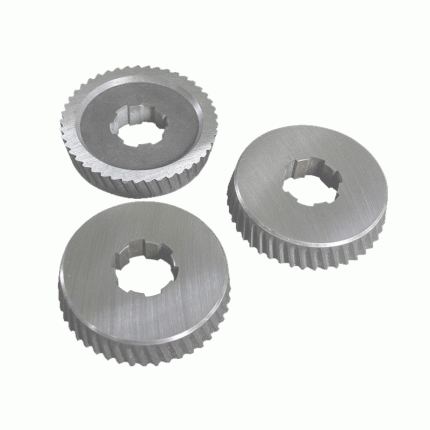
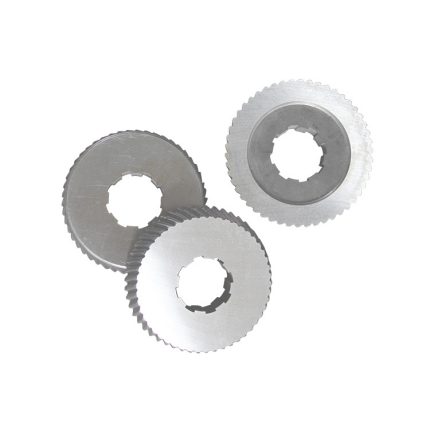
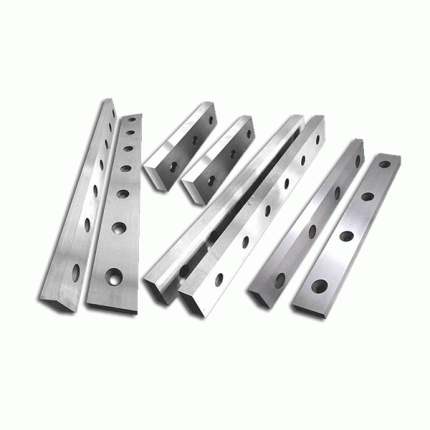
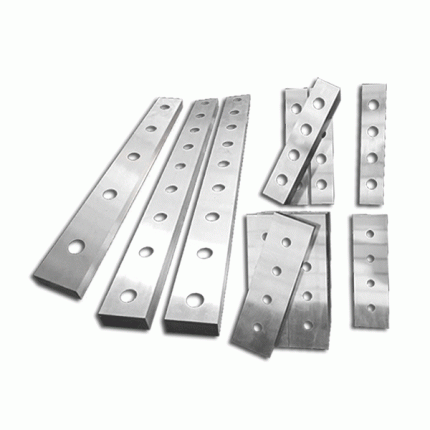
High-Hardness Metallurgical Steel Rolling Knife Yuxin Oem For Industrial Manufacturing
Metallurgical steel rolling blades are the core tools used in the steel industry for rolling, shearing and splitting steel strips. They are known as the "sharp teeth" for steel forming. By means of the moving upper blade and the fixedl lower blade, with a reasonable blade gap, they apply shear force to various thicknesses of metal plates, causing the plates to break and separate according to the required dimensions. They have extremely high requirements for hardness, wear resistance and heat resistance.
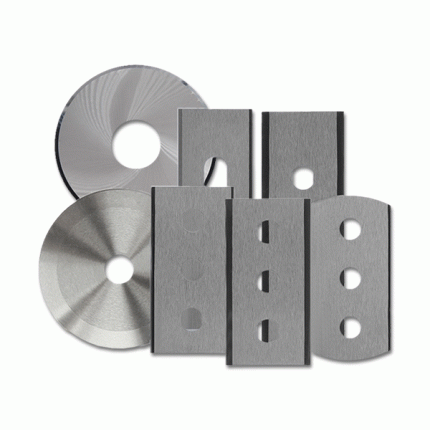
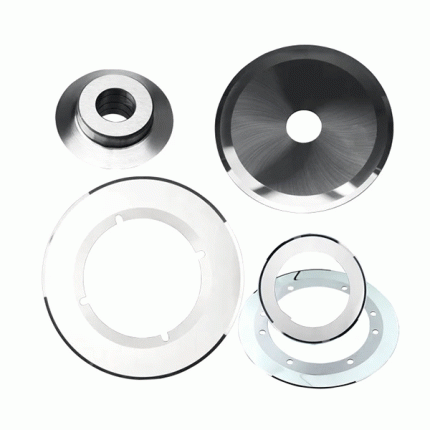
Industrial Grade Tungsten Carbide Circular Blades For Precise Strip Cutting Durable And Suitable
Tungsten steel round blades are usually made from high-quality tungsten carbide alloy (mainly composed of tungsten carbide and cobalt) through powder metallurgy process. 。 This process endows the blade with extremely high hardness, wear resistance and thermal stability, making it highly suitable for high-speed and precise cutting operations. It is applicable for cutting metals, plastics, composite materials and other hard materials. Depending on the shape and design, common tungsten steel round blades include flat round blades and toothed round blades, etc.
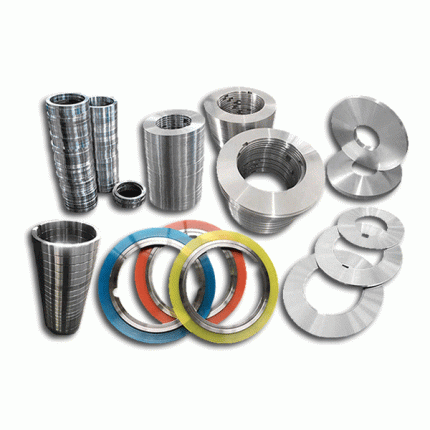
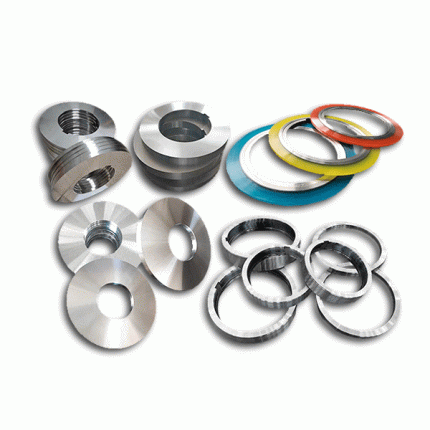
Precision Rotary Shear Knife Circular Slitting blade Used for metal processing
The Rotary shear blades , also known as the strip divider blade or the rolling shearing machine blade, is the core cutting tool for the thin sheet metal shearing process. Through the rotation and shearing of the upper and lower blades, wide rolls of material can be precisely cut into narrow strips of specific widths. They are usually composed of three parts: the blade, the spacer sleeve, and the spacer ring. Their diameters range widely, from 100mm to 2000mm, to meet different processing requirements - larger diameter blades are mostly used for heavy-duty sheet metal processing, while smaller diameter blades are suitable for precise cutting. They are widely used in metal processing, automotive manufacturing, and electronic and electrical industries.
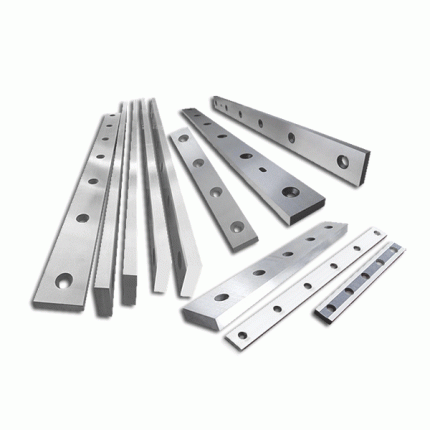
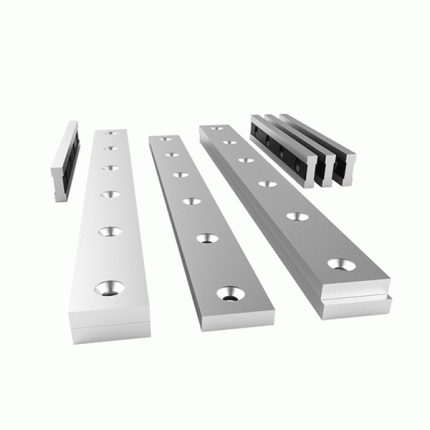
Steel Plate Shearing Machines Blades Manufacturer for Metal Guillotine Long Knives
The shearing machine blade is the core cutting component of the shearing machine, consisting of an upper blade (moving) and a lower blade (fixed). By adjusting the blade gap reasonably, it applies cutting force to the metal sheet to achieve precise cutting of straight edges. Its working principle is based on the mechanical structure of forging machinery and is widely used in industries such as light industry, aviation, shipping, metallurgy, electrical appliances, and stainless steel products.
Reviews
There are no reviews yet.