
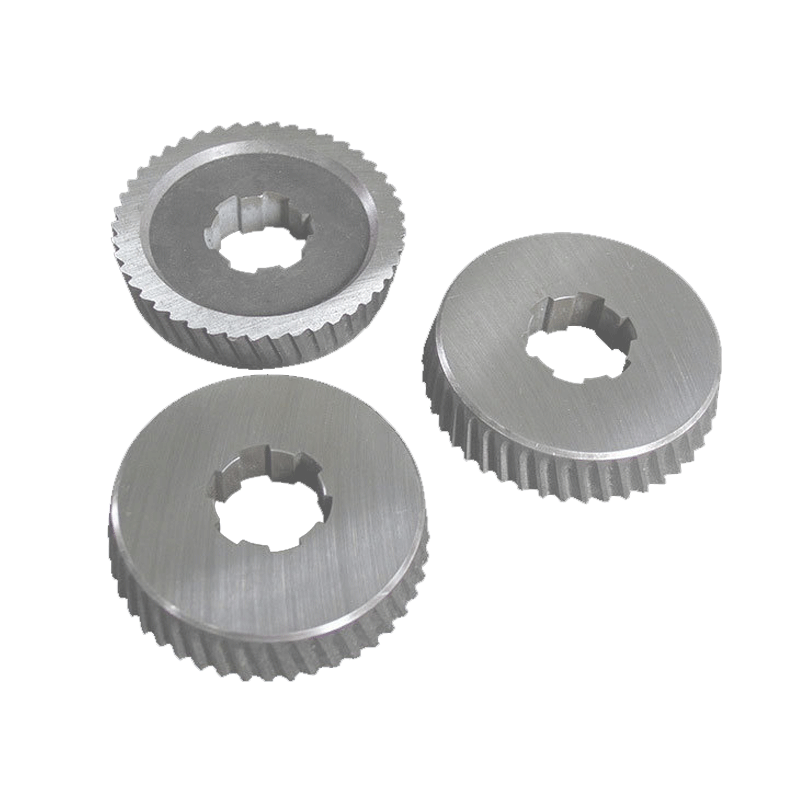
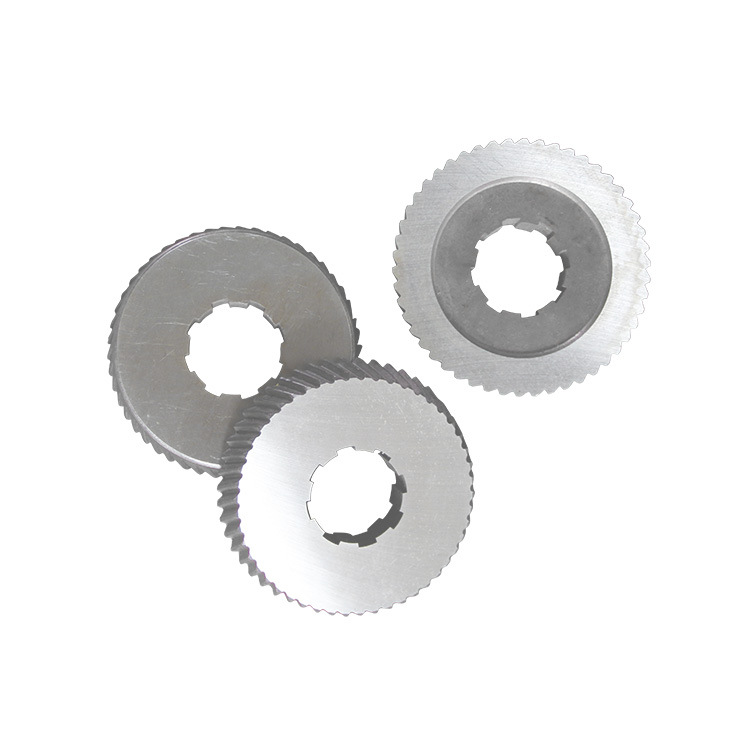
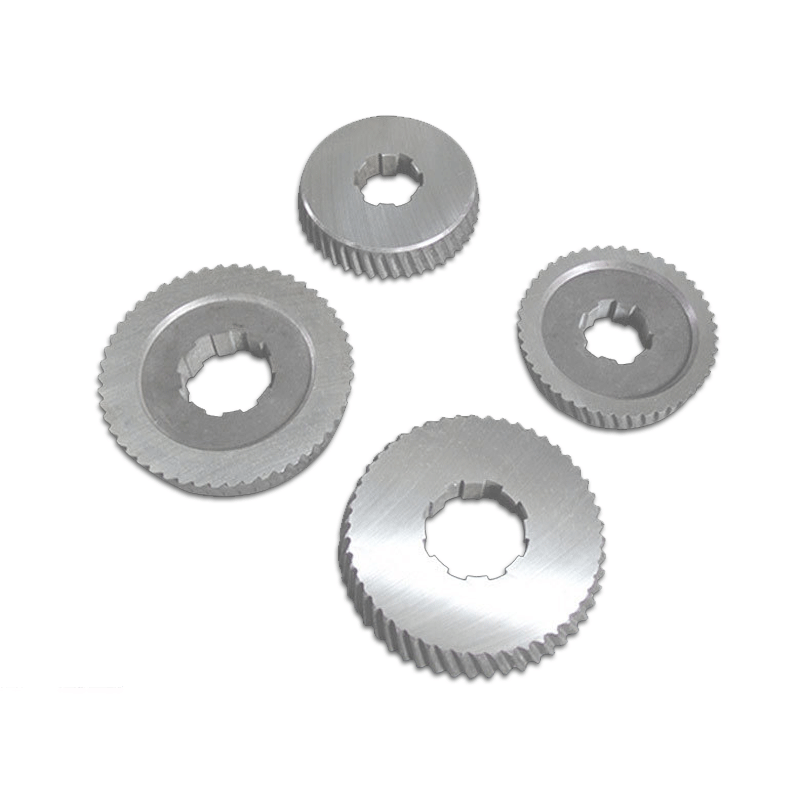
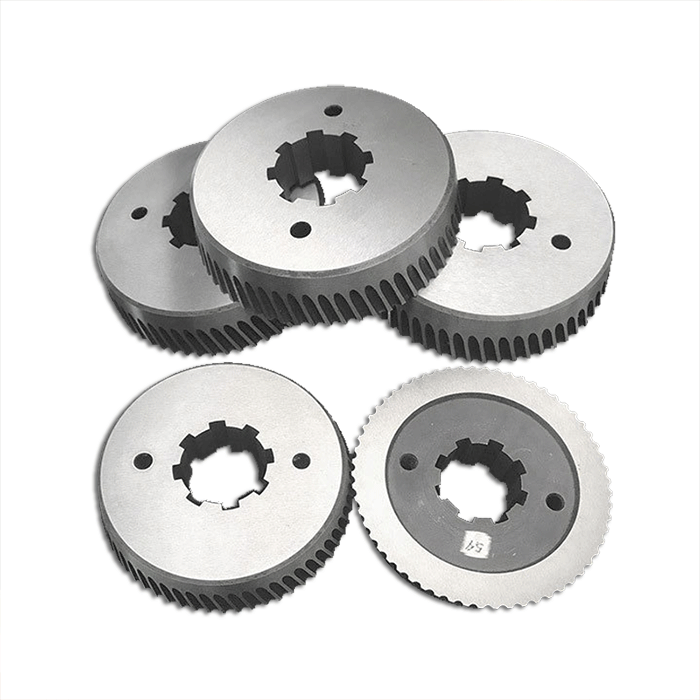
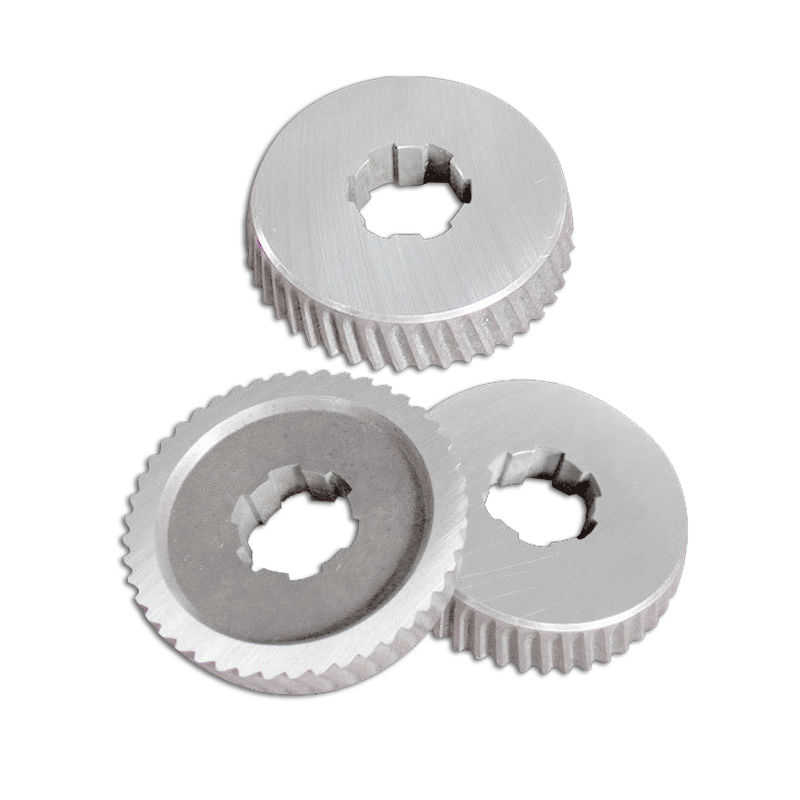
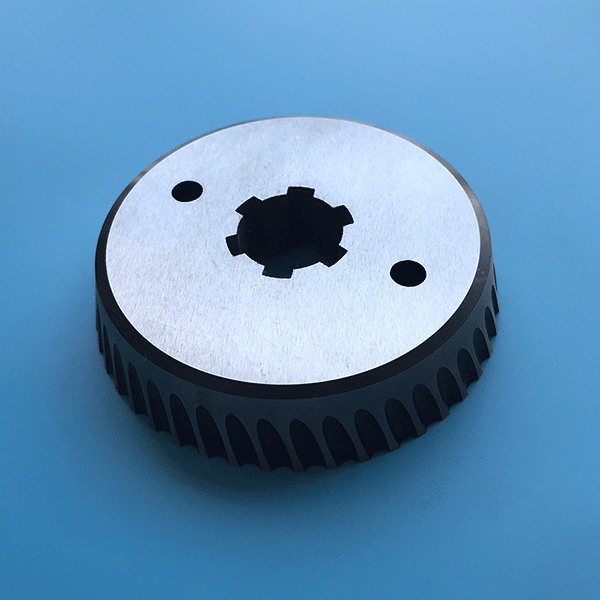
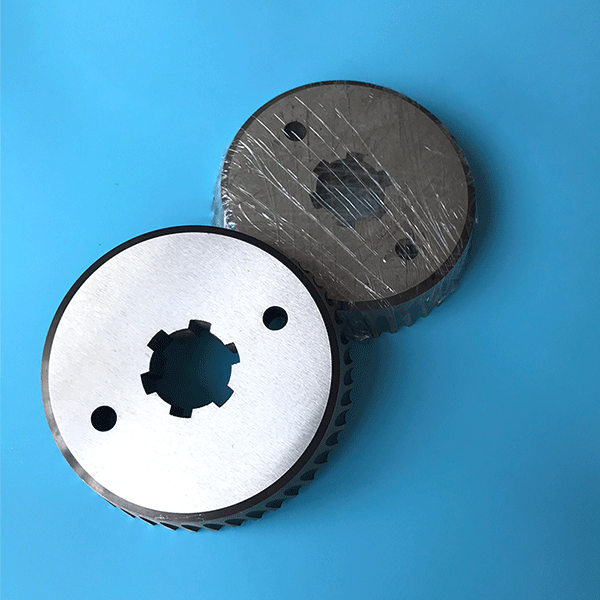
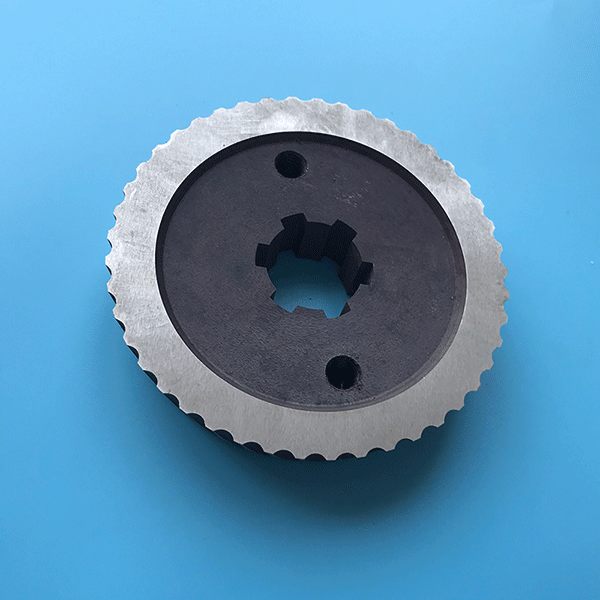
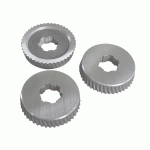
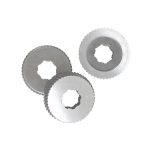
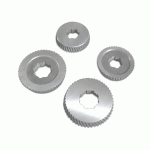
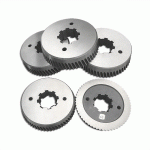
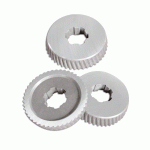
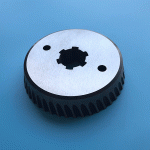
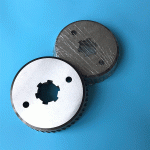
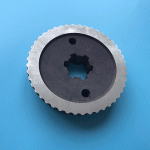
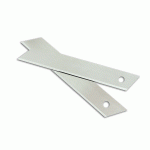
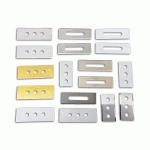


Products :The Bevelling Machine Round Blade is the core tool for the edge beveling of metal sheet or pipe. It can process carbon steel, stainless steel, aluminum alloy and other materials by rotating cutting the bevel at a specific Angle on the edge of the material (such as V-shaped, K-shaped, U-shaped groove).Bevelling machine blade is characterized by high hardness, impact resistance and precise Angle control, and is widely used in shipbuilding, pressure vessels, steel structure welding and other fields.
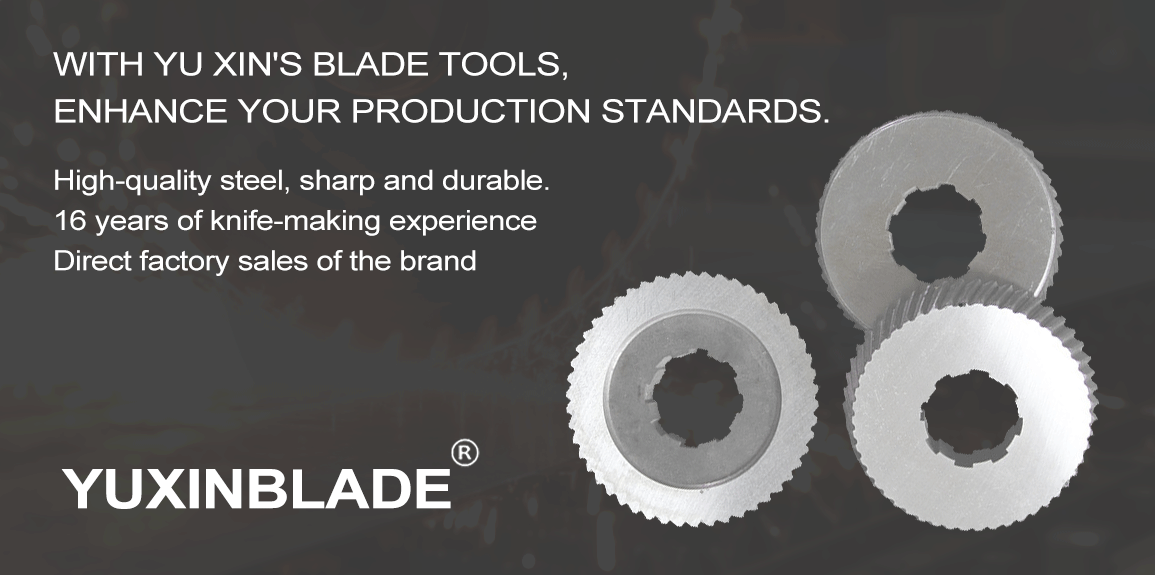
Product Name: Bevelling Machine Round Blade
Material: High-speed steel (HSS M42/M35); Carbide (YG8, YT15); Ceramic composite blade; CVD diamond coating; lon nitriding
Size: Its diameter is usually 100-500mm, thickness 5-30mm, thickness range 1-50mm.
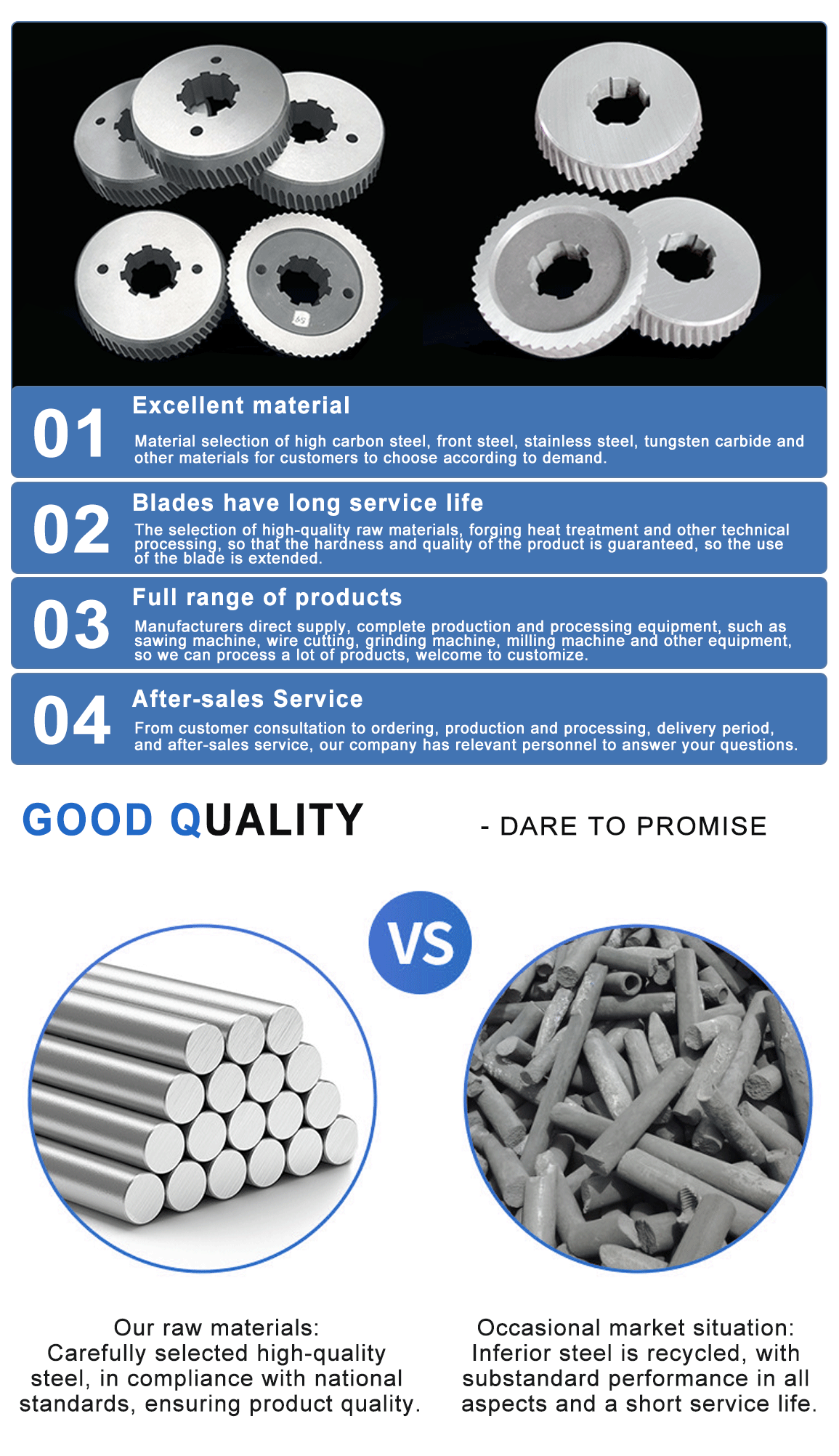
Type: Single blade/double blade/compound blade Fixed Angle blade/d adjustable Angle blade: Manual /automatic beveling machine blade
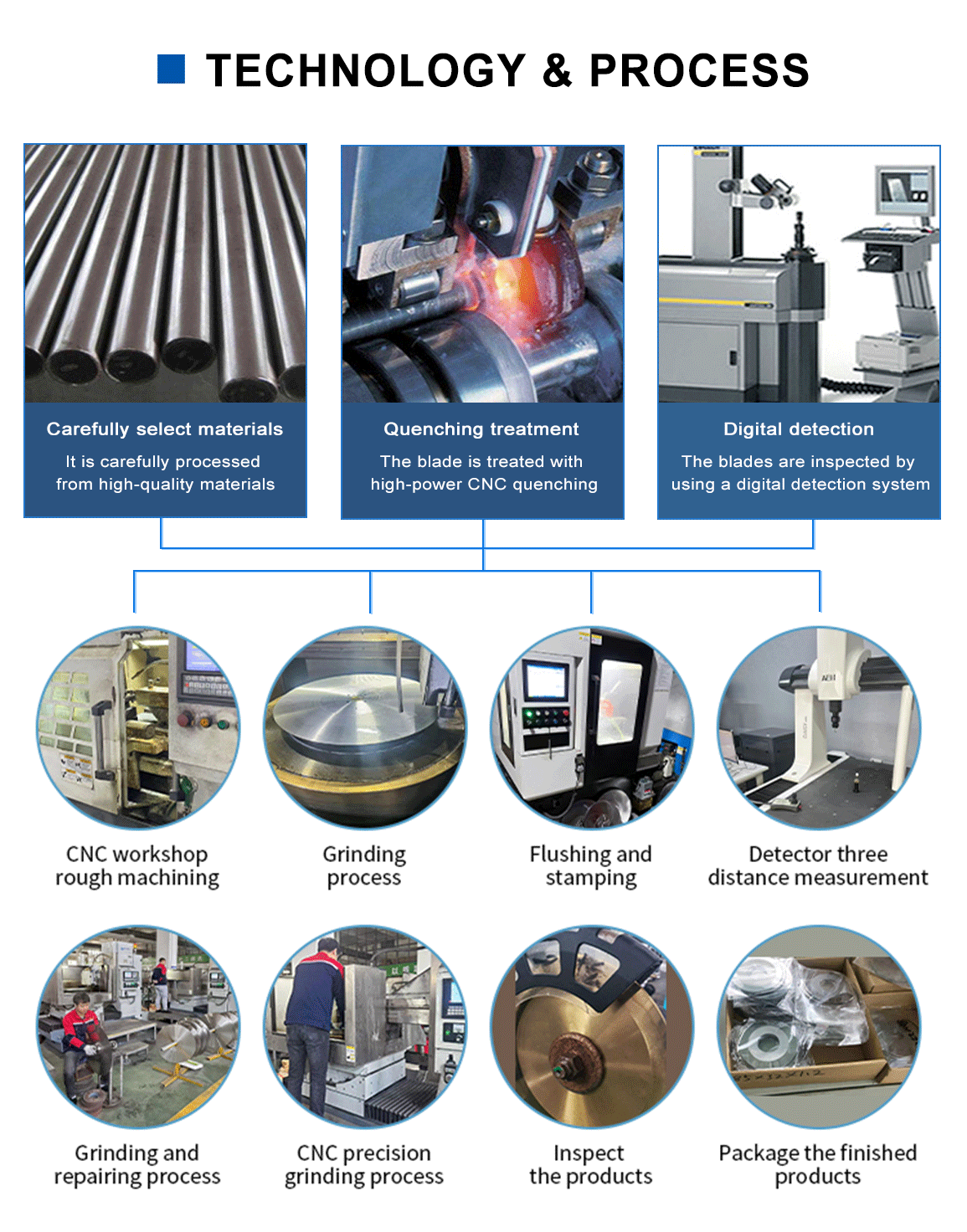
Advantages: Metal manufacturing and welding: steel plate, steel pipe edge processing V-groove, for pipeline welding, pressure vessel assembly. Stainless steel sheet chamfer and groove, improve welding strength and beauty. Marine and Marine Engineering: K-bevelling of hull plates to meet the needs of multi-layer welded structures. Aluminum deck edge treatment to prevent Bridge and building steel structure: H-shaped steel, l-steel end groove, used corrosion and improve sealing. for large steel structure splicing. Galvanized steel plate after beveling anticorrosion coating treatment, prolong the service life. Energy and chemical equipment: titanium alloy pipe U-groove processing, to meet the high temperature and high pressure environment sealing requirements.Nuclear power plant pipeline groove preparation to ensure that welding without defects.
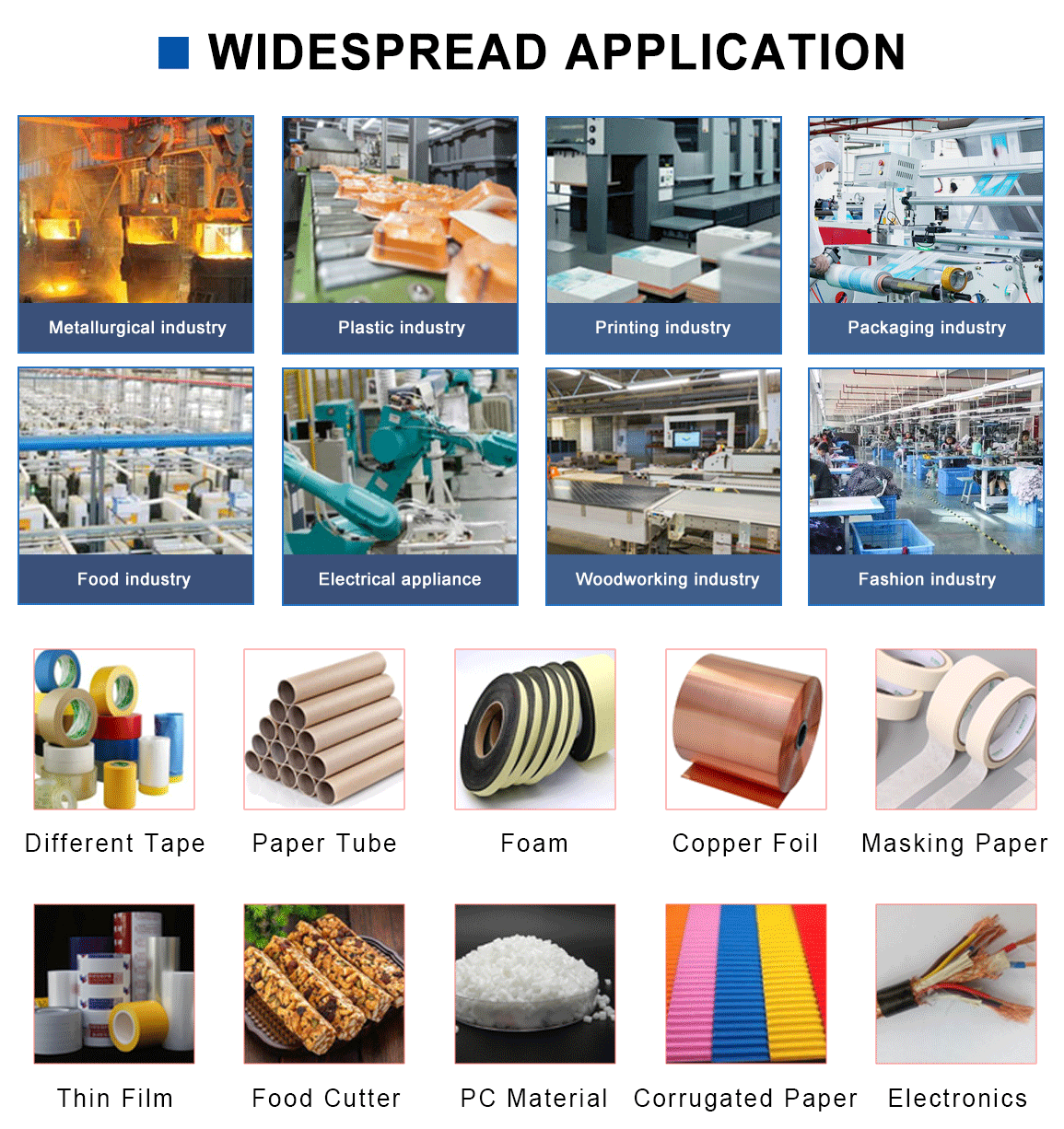
Selection Recommendation: Sheet processing (1-6mm): Select a single-edge high-speed steel blade, the edge Angle is 30, suitable for manual beveling machine. Thick plate machining (10mm): double-edged carbide blade, with coolingd cutting speed control at 20-40m/min. system, blade Angle 45°. High hardness material (titanium alloy) preferred ceramic coated blade.
To quickly compare the primary materials we offer, here is a summary table:
| Material Type | Typical Hardness (HRC) | Key Advantages | Limitations | Ideal For |
| High-Speed Steel (HSS) | 60-68 | Excellent toughness, good wear resistance, cost-effective. | Lower wear resistance than carbide, requires more maintenance. | General-purpose metalworking, woodworking, plastic cutting. |
| Tool Steel (e.g., SAE1095) | 58-62 (Hardened) | High strength, excellent wear resistance, good sharpness. | Less resistant to high temperatures than HSS or Carbide. | Springs, hand tools, scrapers, industrial cutters. |
| Carbide / Tungsten Carbide | 60-65 (Blades) | Exceptional hardness & wear resistance, high heat resistance. | Brittle, higher cost, complex manufacturing. | Hard materials, abrasive non-ferrous metals, high-volume production. |
| Stainless Steel | Varies (e.g., 420, 440) | Excellent corrosion resistance, durable, hygienic. | Generally not as hard as tool steels or HSS. | Food processing, medical instruments, wet environments. |
| Ceramic | N/A (Extremely Hard) | Superior edge retention, corrosion resistance, hygienic, lightweight. | Fragile, limited cutting capacity, higher cost. | Precision cutting in specific industries (e.g., textiles, packaging). |
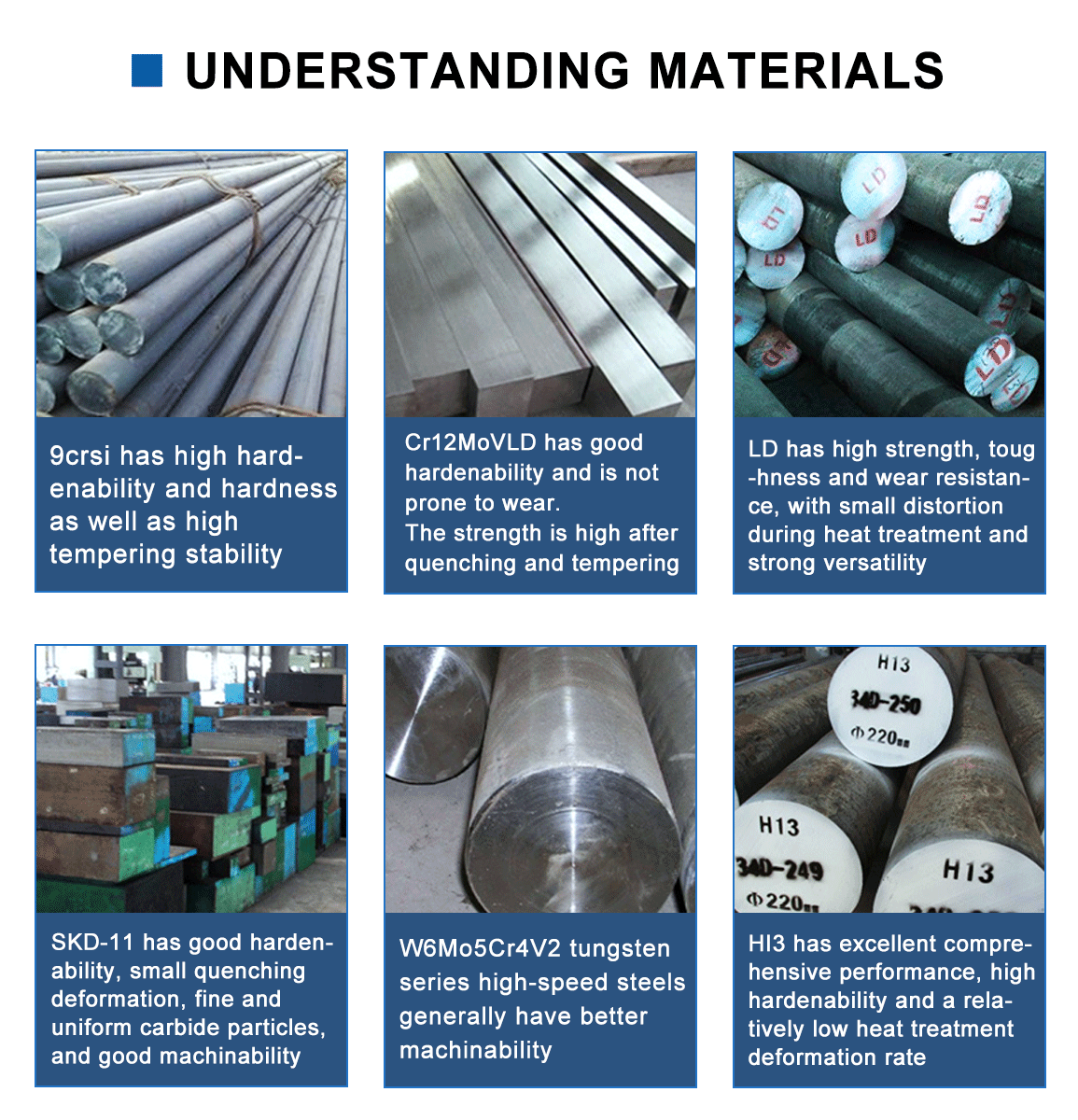
We Are Here to Help: Choosing the right material is complex. As a factory, we have the expertise to guide you. We offer custom blade solutions and can advise on the optimal material, heat treatment, and geometry for your specific application.
Contact us today for a personalized recommendation and quote. Let our manufacturing expertise solve your cutting challenges.
Related products
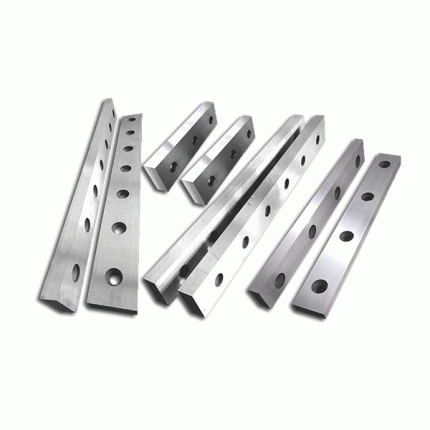
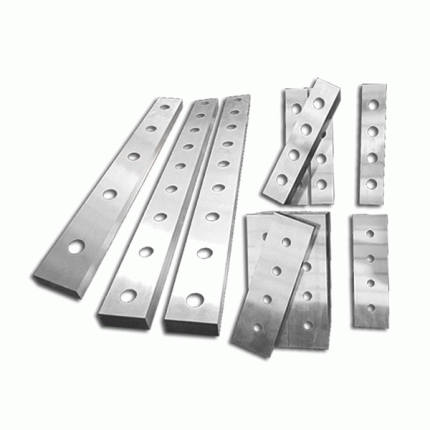
High-Hardness Metallurgical Steel Rolling Knife Yuxin Oem For Industrial Manufacturing
Metallurgical steel rolling blades are the core tools used in the steel industry for rolling, shearing and splitting steel strips. They are known as the "sharp teeth" for steel forming. By means of the moving upper blade and the fixedl lower blade, with a reasonable blade gap, they apply shear force to various thicknesses of metal plates, causing the plates to break and separate according to the required dimensions. They have extremely high requirements for hardness, wear resistance and heat resistance.
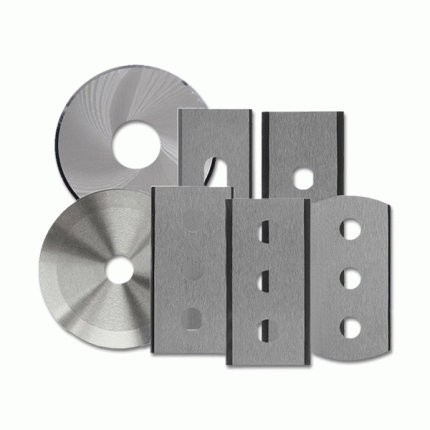
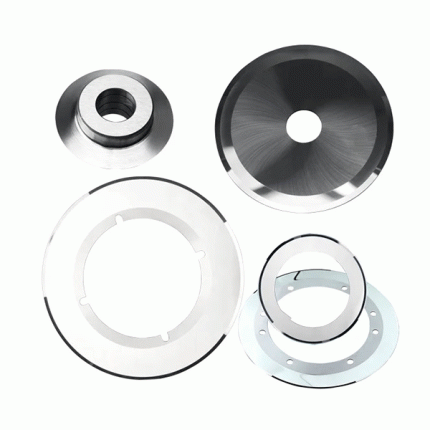
Industrial Grade Tungsten Carbide Circular Blades For Precise Strip Cutting Durable And Suitable
Tungsten steel round blades are usually made from high-quality tungsten carbide alloy (mainly composed of tungsten carbide and cobalt) through powder metallurgy process. 。 This process endows the blade with extremely high hardness, wear resistance and thermal stability, making it highly suitable for high-speed and precise cutting operations. It is applicable for cutting metals, plastics, composite materials and other hard materials. Depending on the shape and design, common tungsten steel round blades include flat round blades and toothed round blades, etc.
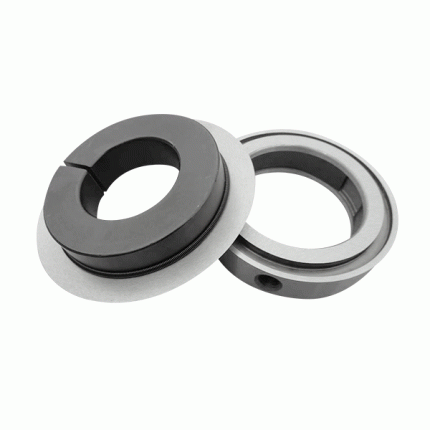
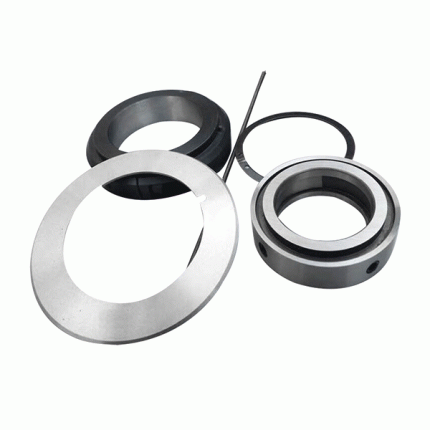
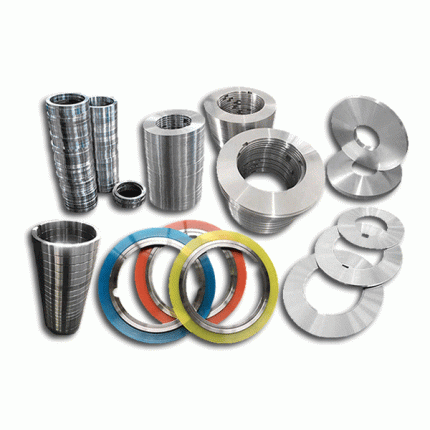
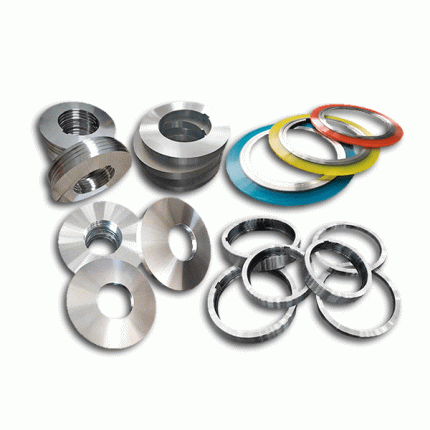
Precision Rotary Shear Knife Circular Slitting blade Used for metal processing
The Rotary shear blades , also known as the strip divider blade or the rolling shearing machine blade, is the core cutting tool for the thin sheet metal shearing process. Through the rotation and shearing of the upper and lower blades, wide rolls of material can be precisely cut into narrow strips of specific widths. They are usually composed of three parts: the blade, the spacer sleeve, and the spacer ring. Their diameters range widely, from 100mm to 2000mm, to meet different processing requirements - larger diameter blades are mostly used for heavy-duty sheet metal processing, while smaller diameter blades are suitable for precise cutting. They are widely used in metal processing, automotive manufacturing, and electronic and electrical industries.
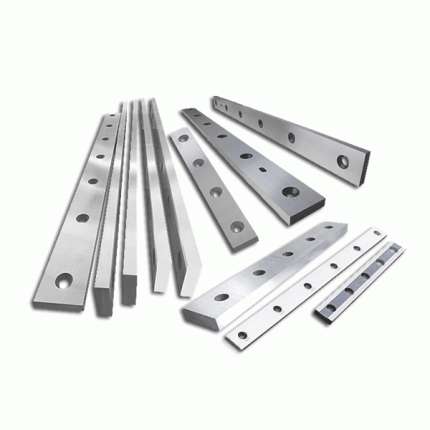
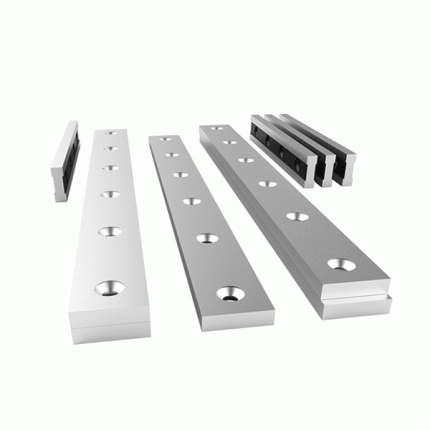
Steel Plate Shearing Machines Blades Manufacturer for Metal Guillotine Long Knives
The shearing machine blade is the core cutting component of the shearing machine, consisting of an upper blade (moving) and a lower blade (fixed). By adjusting the blade gap reasonably, it applies cutting force to the metal sheet to achieve precise cutting of straight edges. Its working principle is based on the mechanical structure of forging machinery and is widely used in industries such as light industry, aviation, shipping, metallurgy, electrical appliances, and stainless steel products.
Reviews
There are no reviews yet.