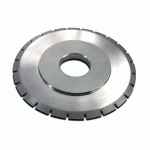
Printing Ink Scraper Blade Factory Price Wear-Resistant Metal Scraper For Paper Film Plastic


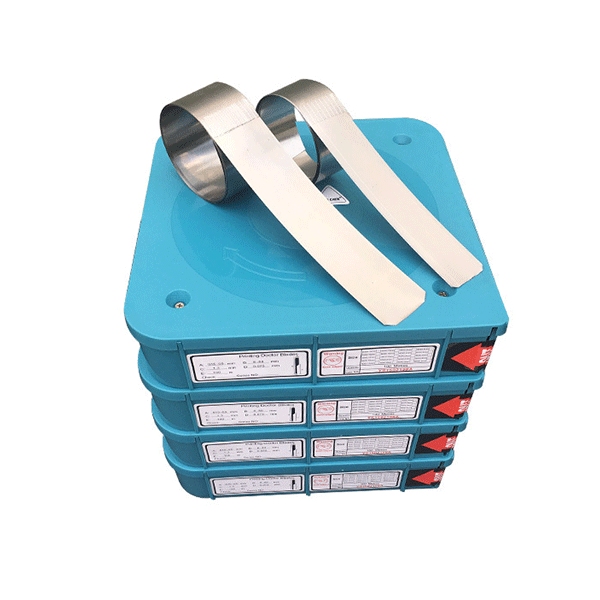
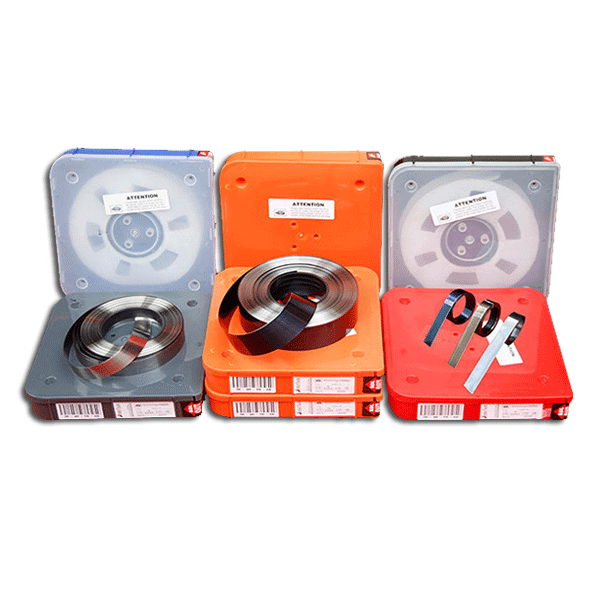
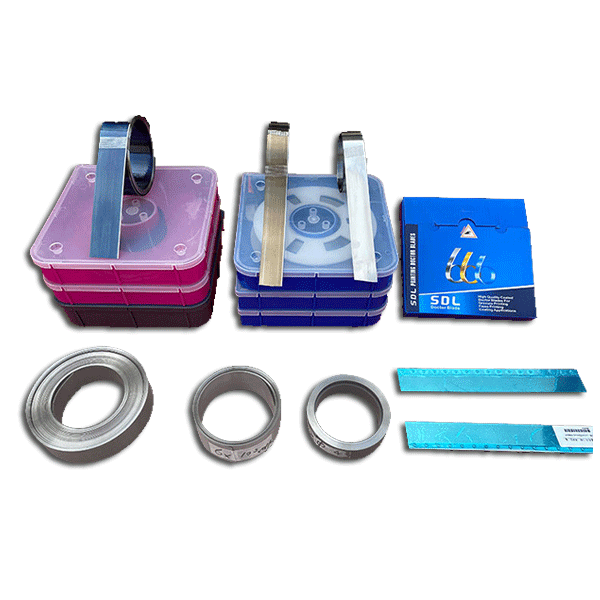
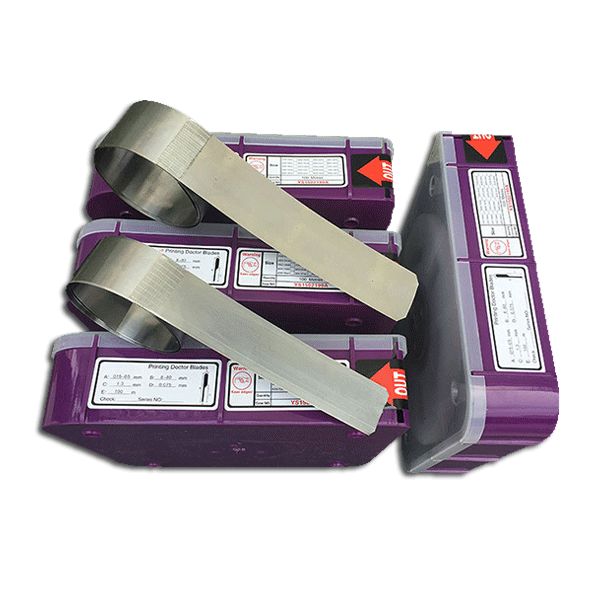
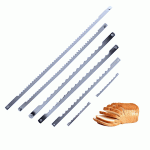
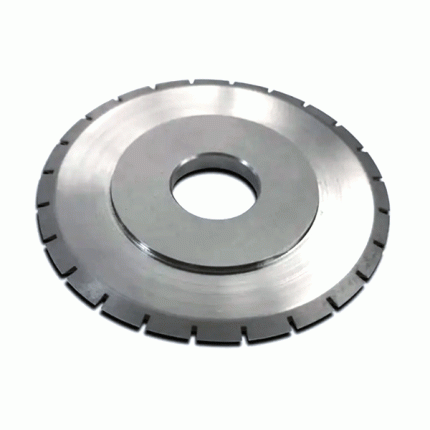
Products :An ink scraper is a long, thin blade that is installed on a printing machine (such as an intaglio printing machine or flexographic printing machine). Its main function is to, during the printing process, through precise mechanical scraping actions, remove the excess ink from the non-text areas on the printing plate or screen roller, ensuring that the ink is only retained in the depressions or mesh holes of the text areas, thereby guaranteeing the clarity, accuracy and color consistency of the printed pattern.
In offset printing, the control of the ink scraper is a complex process of ink transfer, involving ink, printing plates and paper. In intaglio printing, the ink scraper is a mechanical operation and is relatively simple. However, the ink scraper needs to have a long service life to ensure high-quality printing results.
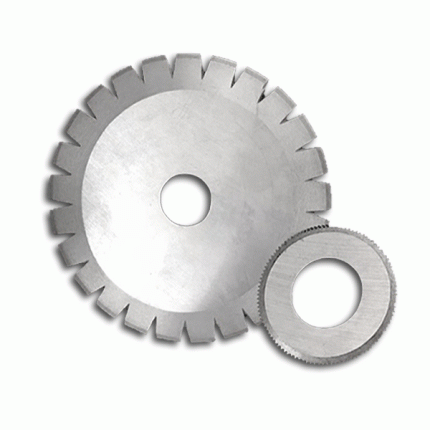
Based on the material, it is mainly divided into metal scrapers (such as stainless steel, carbon steel) and non-metal scrapers; according to the shape and design, common types include standard scrapers, beveled scrapers, coated scrapers, sharp-angle scrapers and trapezoidal scrapers, etc. Among them, the trapezoidal scraper is adopted by more and more printing factories because the contact area between it and the plate roller remains constant throughout the process, ensuring consistent printing quality.
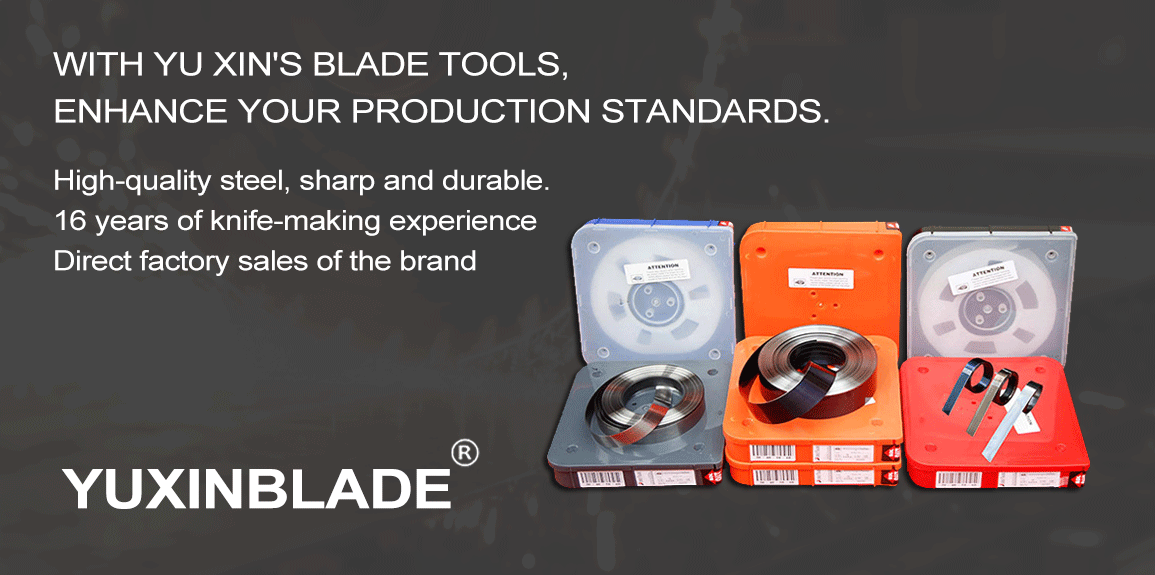
Product Name: Precision Ink Scraper Blades
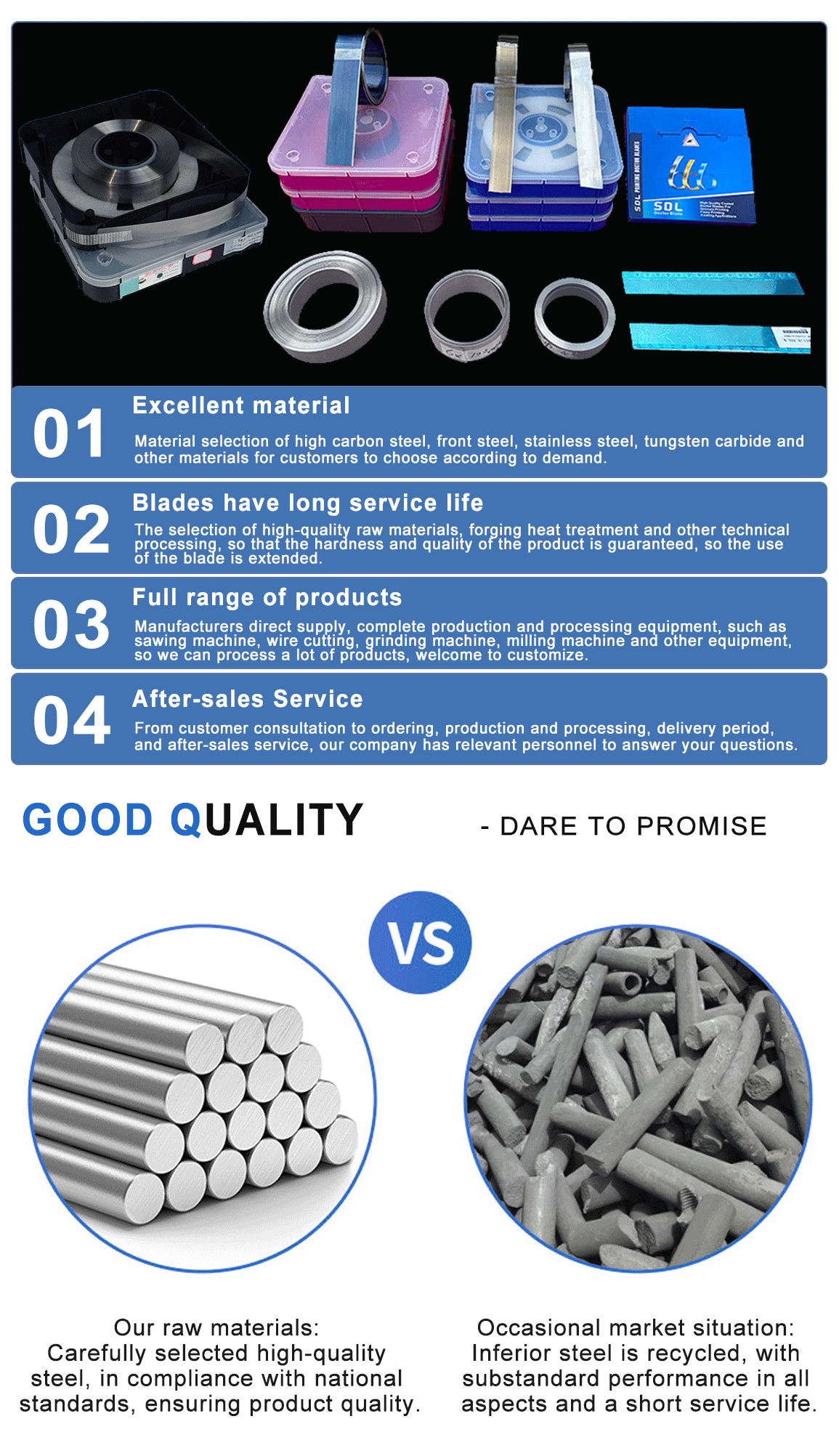
Material: Carbon steel, plastic, coating, stainless steel, etc.
Size: The specifications of ink scrapers vary. The common representation method is A × B / c × d:
- A (blade width): Common sizes include 10mm, 22mm, 30mm, 40mm, 50mm, and 60mm.
- B (blade thickness): Common thicknesses include 0.15mm, 0.20mm, and there are also 0.152mm, 0.203mm and other values close to the standard specifications.
- c (blade width): Usually it is 1.3mm or 1.4mm.
- d (blade thickness) : Common values include 0.065mm, 0.075mm, and 0.10mm.
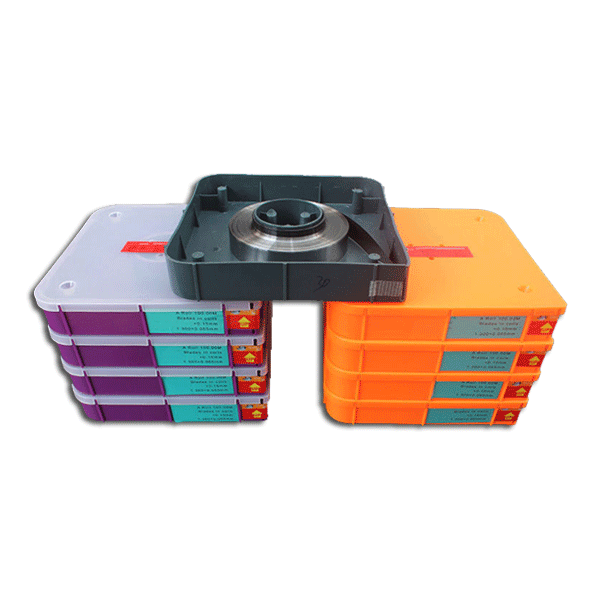
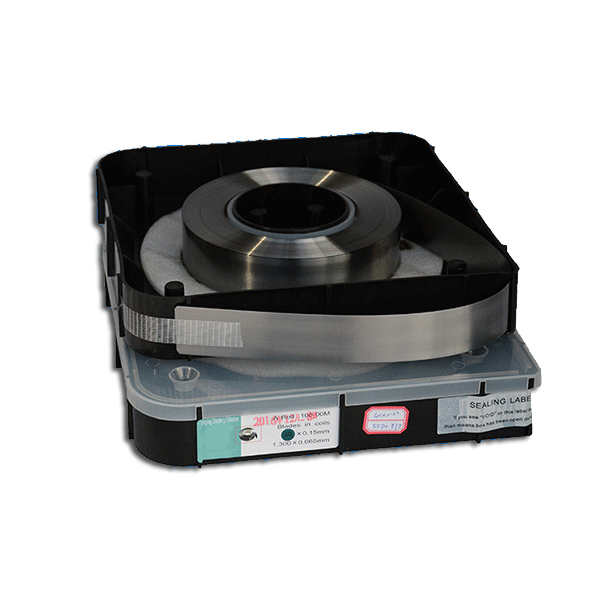
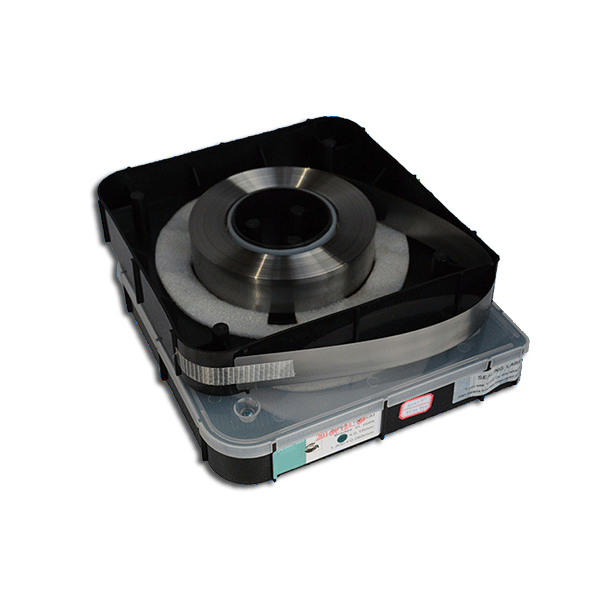
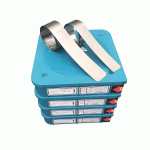
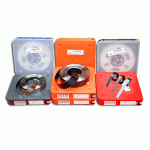
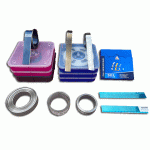
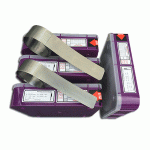
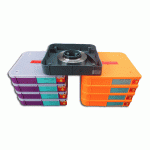
Scrapers are usually sold in roll form in boxes, and the common packaging length is 100 meters per box. Our factory offers non-standard customization services, and can customize the size and material according to the special requirements of customers.
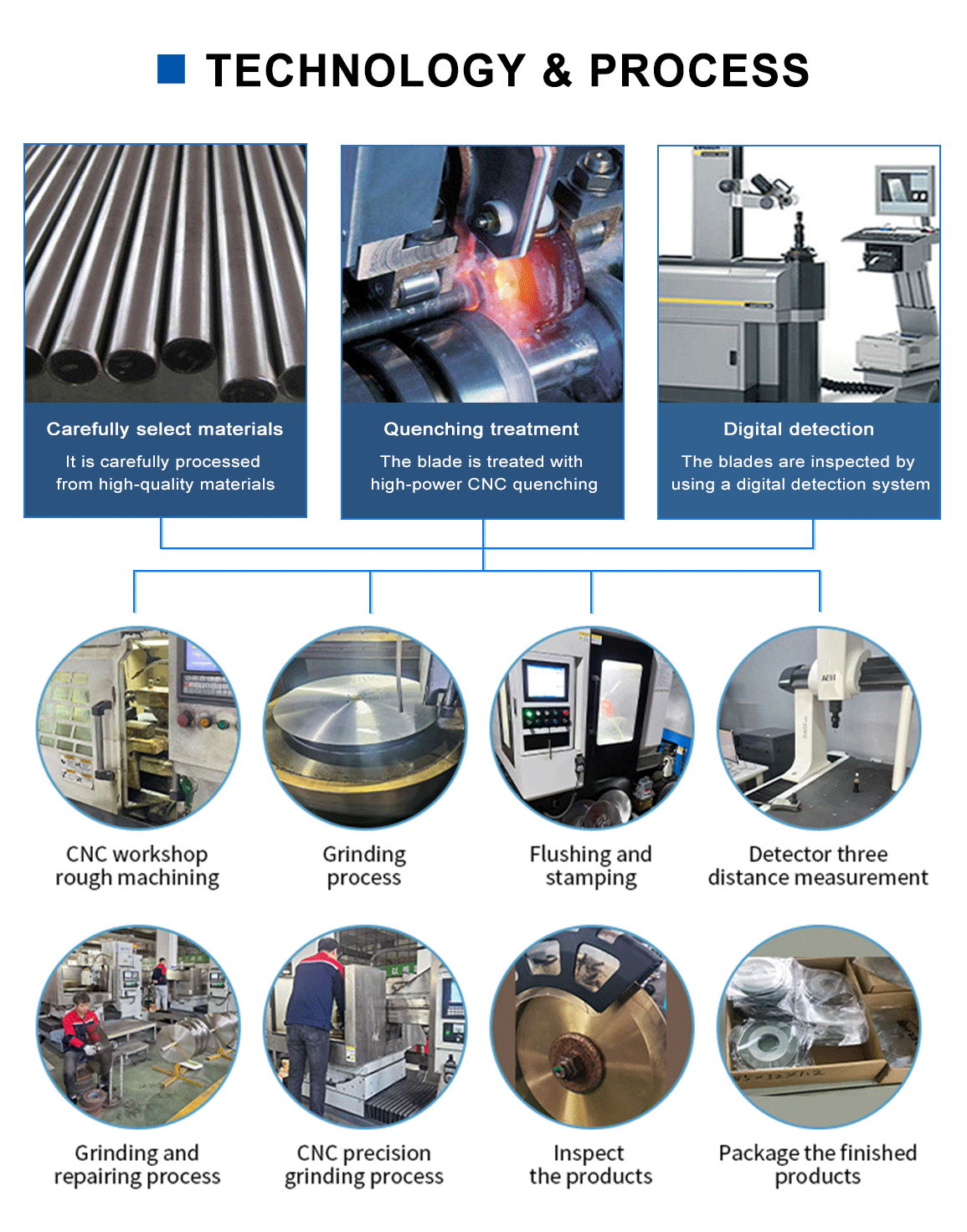
Type: High-temperature quenching makes the cutting edge sharp. Vacuum brazing, precision grinding
Features:
- High wear resistance and durability: Made of high-quality materials, with a hardness typically ranging from 500 to 600 HV (Vickers hardness), it can withstand long-term high-speed operation and wear, has a long service life, and effectively reduces the frequency of replacements and downtime.
- Precise ink scraping effect: The blade edge has undergone precise processing (such as unique polishing treatment), which is smooth and straight. This ensures that the ink is scraped off evenly and completely, avoiding printing defects such as uneven color, creasing, and streaking, and guaranteeing the high quality of the printed products.
- Excellent elasticity and toughness: The blade needs to have a certain degree of elasticity to accommodate different printing pressures and minor variations in the plate roller, while maintaining sufficient toughness to prevent breakage.
- Ready-to-use and no-repair design: Many high-quality scrapers have undergone special treatment (such as self-grinding blade design), and after opening the box, they can come into good contact with the printing plate surface without the need for additional grinding, simplifying the operation process.
Application Scenario:
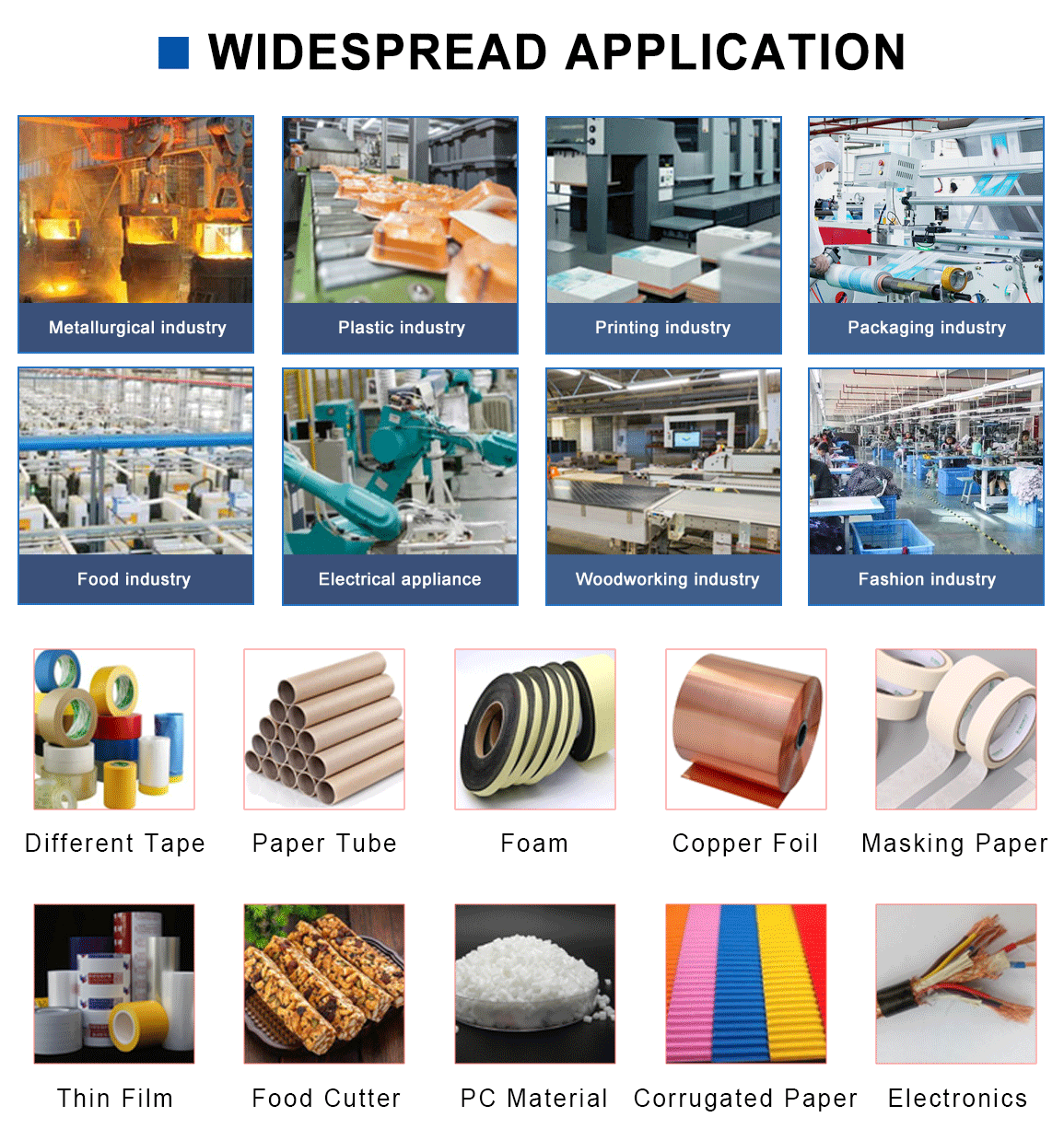
General packaging printing, cardboard and decorative printing, aluminum foil for food packaging bags, fine printing on banknotes, high-speed color printing (such as for magazines), high-speed printing on decorative paper, special printing (such as screen printing on textiles, heat transfer printing).
- Gravure printing: used for printing on materials such as paper, plastic films, aluminum foils, etc., such as food packaging bags, cigarette boxes, gift wrapping paper, etc.
- Flexographic Printing: This method is commonly used for printing on labels, cartons, corrugated cardboard, newspapers, self-adhesive materials, etc.
- Specialized Printing and Coating: It is also widely used in industries such as coating, color printing, printing with patterns, hot stamping, printing on ironware, and applying glue.
To quickly compare the primary materials we offer, here is a summary table:
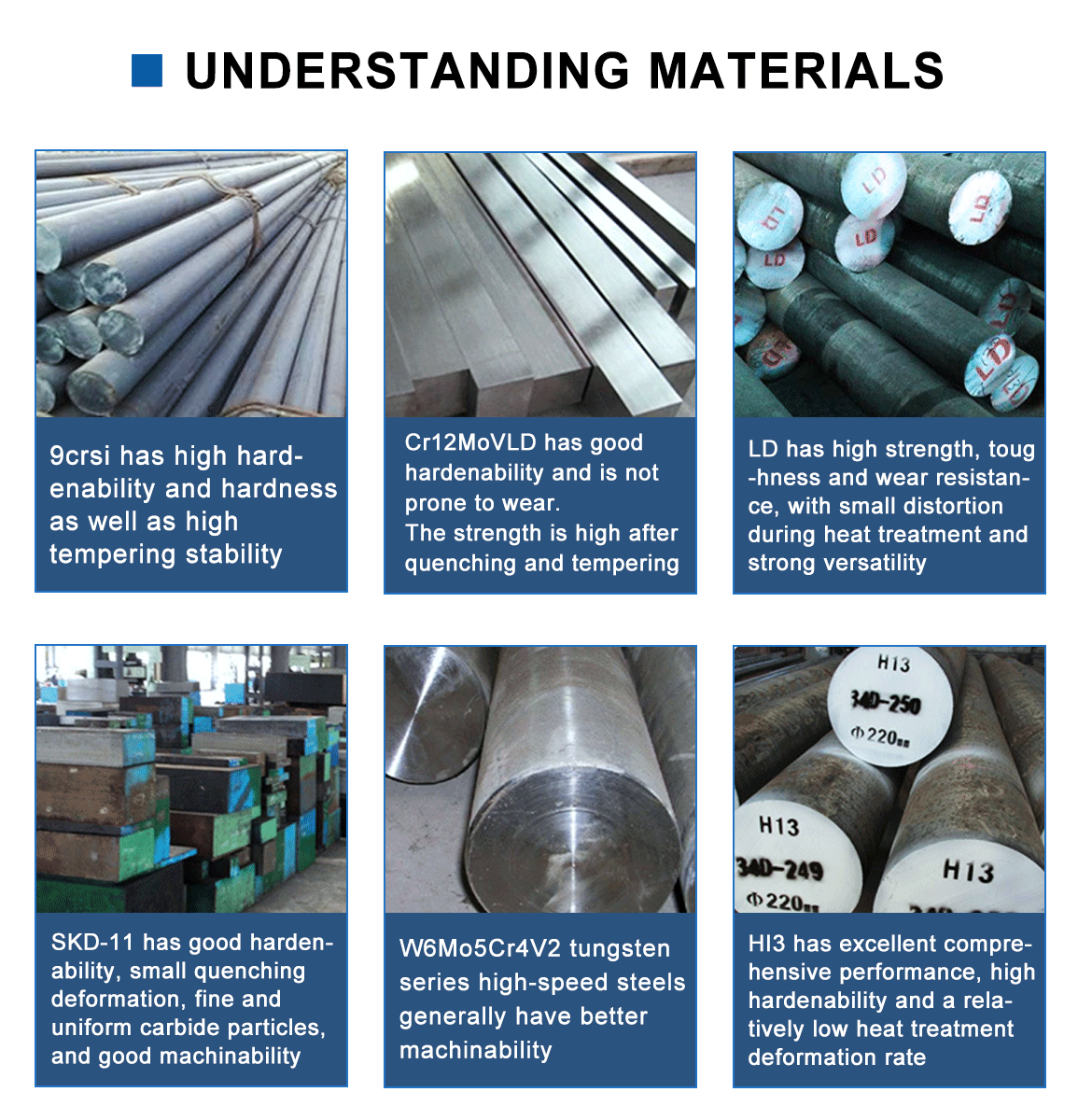
| Material Type | Typical Hardness (HRC) | Key Advantages | Limitations | Ideal For |
| High-Speed Steel (HSS) | 60-68 | Excellent toughness, good wear resistance, cost-effective. | Lower wear resistance than carbide, requires more maintenance. | General-purpose metalworking, woodworking, plastic cutting. |
| Tool Steel (e.g., SAE1095) | 58-62 (Hardened) | High strength, excellent wear resistance, good sharpness. | Less resistant to high temperatures than HSS or Carbide. | Springs, hand tools, scrapers, industrial cutters. |
| Carbide / Tungsten Carbide | 60-65 (Blades) | Exceptional hardness & wear resistance, high heat resistance. | Brittle, higher cost, complex manufacturing. | Hard materials, abrasive non-ferrous metals, high-volume production. |
| Stainless Steel | Varies (e.g., 420, 440) | Excellent corrosion resistance, durable, hygienic. | Generally not as hard as tool steels or HSS. | Food processing, medical instruments, wet environments. |
| Ceramic | N/A (Extremely Hard) | Superior edge retention, corrosion resistance, hygienic, lightweight. | Fragile, limited cutting capacity, higher cost. | Precision cutting in specific industries (e.g., textiles, packaging). |
We Are Here to Help: Choosing the right material is complex. As a factory, we have the expertise to guide you. We offer custom blade solutions and can advise on the optimal material, heat treatment, and geometry for your specific application.
Contact us today for a personalized recommendation and quote. Let our manufacturing expertise solve your cutting challenges.
Reviews
There are no reviews yet.